
High oil consumption and timing chain failures are the most common gm 36 v6 problems that owners encounter across various vehicle models. These engines, often referred to as the High Feature V6, are used in many different brands under the General Motors umbrella. While these powerplants offer strong performance for their size, they require strict adherence to maintenance schedules to avoid internal wear. The main difference between these issues is that timing chain wear is often tied to oil quality, while oil consumption can stem from internal seal degradation or PCV valve design.
Common Issues at a Glance
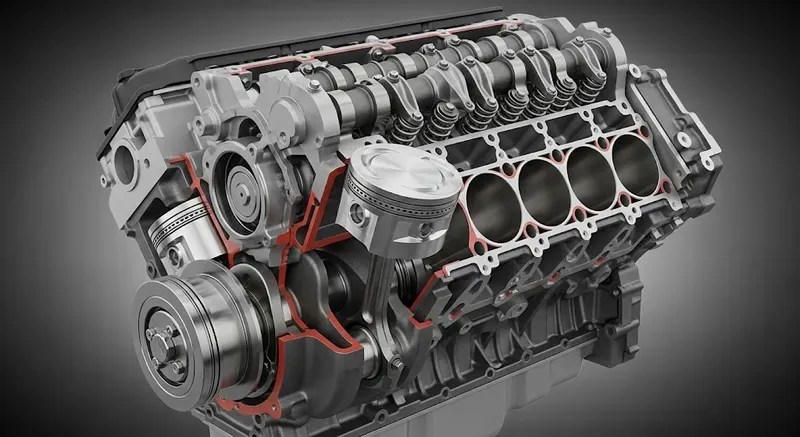
This table summarizes the primary concerns associated with the High Feature V6 engine family.
| Problem Name | Primary Symptom | Typical Root Cause |
|---|---|---|
| Timing Chain Stretch | Check engine light | Low oil pressure |
| Oil Consumption | Low oil levels | Worn piston rings |
| PCV System Clog | Excessive oil usage | Blocked ventilation ports |
| Camshaft Actuator Wear | Engine ticking noise | Oil sludge buildup |
| Coolant Pump Leak | Loss of coolant | Seal degradation |
If you hear a rhythmic ticking at idle, check your oil filter housing first. If the filter is collapsed or the wrong size, oil pressure drops instantly, starving the actuators.
Most owners mistake timing chain stretch for a simple sensor fault. If you see a P0008 code, don’t just clear it. The chain has physically elongated beyond the tensioner’s reach. Driving another 500 miles risks catastrophic valve-to-piston contact.
If your coolant level drops without visible puddles, inspect the water pump weep hole. A faint sweet smell inside the cabin indicates the pump seal has failed internally. Replace the pump immediately to prevent overheating, which often warps these aluminum heads beyond repair. Always use the manufacturer-specified Dex-Cool coolant to prevent sludge from forming in the narrow cooling passages.
Timing Chain Stretch
Timing chain failure is a well-documented concern for earlier versions of this engine, often leading to a check engine light and audible rattling sounds during startup. This issue happens when the chain lengthens beyond the reach of the hydraulic tensioner, causing the engine timing to drift. If you notice a persistent rattle for more than a few seconds after a cold start, you should have the tensioners and chain guides inspected immediately.
- Loss of engine power due to incorrect valve timing.
- Increased risk of internal valve-to-piston contact if the chain skips.
- Reduced fuel efficiency as the engine works harder to compensate.
- Potential for expensive cylinder head repairs if the chain fails completely.
If the engine light displays codes related to camshaft position correlation, it often points to a chain that has already stretched. A technician can verify the exact amount of stretch by reading the live data from the camshaft sensors compared to the crankshaft position. If the deviation exceeds the manufacturer’s specified degree limit, replacement of the entire timing set is required to prevent catastrophic engine failure.
High Oil Consumption
Oil consumption in these engines is frequently caused by the degradation of piston ring seals or internal pressure buildup. If you find your oil level dropping significantly between scheduled changes, you must monitor the dipstick every 1,000 miles to ensure the engine never runs dry. Most owners notice this issue only after the engine begins to show signs of internal oil burning, such as blue smoke from the exhaust.
- Fouled spark plugs leading to misfires and poor acceleration.
- Increased carbon buildup on intake valves and combustion chambers.
- Risk of engine seizure if oil levels fall below the minimum mark.
- Contamination of the catalytic converter, leading to expensive exhaust system repairs.
If you’re using more than one quart of oil every 2,000 miles, it’s time to check the PCV valve and the associated hoses for blockages. A clogged PCV system forces oil into the intake manifold, where it’s burned during normal operation. You can check your owner’s manual for the specific oil grade required for your engine; using a lower viscosity oil than recommended can accelerate internal wear in these specific units.
Coolant Pump Failure

The coolant pump in these V6 engines is driven by the timing chain, which makes replacing it a labor-intensive process compared to standard external water pumps. If you see coolant pooling under the front of the engine or notice the temperature gauge rising above the midpoint, the pump seal may have failed.
- Overheating risks that can cause permanent damage to engine internals.
- Leaking fluid that may contaminate the engine oil if internal seals fail.
- High labor costs because the timing cover often needs to be removed.
- Decreased cabin heating performance during winter months.
This repair isn’t for a hobbyist, as it involves removing the timing chain cover and potentially disturbing the engine timing. If you aren’t comfortable performing major engine work, you should take the vehicle to a certified mechanic to ensure the timing is set correctly after the pump is replaced. The specific range of coolant operating temperature for your model is listed in your service manual; if your gauge consistently sits above this range, have the system pressure-tested.
Camshaft Actuator Issues
Camshaft actuators allow the engine to adjust valve timing for better power and efficiency, but they’re sensitive to the quality of the oil flowing through them. If the oil isn’t changed on time, sludge can form and block the small screens inside the actuators, leading to rough idling or a lack of power.
Many owners make the mistake of following the “oil life monitor” to zero percent. This habit allows microscopic carbon deposits to settle in the actuator solenoids. If your driving involves frequent short trips under five miles, you should change your oil every 5,000 miles regardless of what the dashboard display suggests.
- Rough idling during stop-and-go city traffic.
- Hesitation when you press the accelerator to pass other vehicles.
- Decreased fuel economy due to improper valve timing adjustments.
If you experience these symptoms, check your oil level and clarity first. If the oil is dark or gritty, perform a flush and change immediately. If the oil is clean, the solenoids may need to be removed and cleaned or replaced entirely.
Distinguish between a solenoid failure and a timing chain issue by listening for a metallic rattle at startup. A solenoid issue typically triggers a check engine light for timing correlation without the audible chain slap. This is a much simpler job than a timing chain replacement, as the solenoids are usually accessible from the top or side of the cylinder heads. Most solenoid replacements take less than an hour of labor.
Additional Engine Concerns
Intake manifold gasket leaks often stem from heat cycles that degrade the rubber seals. If your engine surges at idle or triggers a P0171 lean code, spray a small amount of carburetor cleaner near the manifold seams. If the engine speed changes, you have confirmed a vacuum leak.
Ignition coil failure typically occurs after 80,000 miles. When a coil degrades, the engine misfires under load, creating a distinct stuttering sensation at highway speeds. Don’t ignore this; a persistent misfire will eventually destroy your catalytic converter, turning an inexpensive repair into a costly replacement.
Oil pressure sensor faults frequently cause the dashboard gauge to drop to zero. If the engine sounds normal and lacks metallic tapping or knocking, the fault is electrical rather than mechanical. Replace the sensor immediately to restore your ability to monitor true pressure drops.
Choosing the Right Repair Path
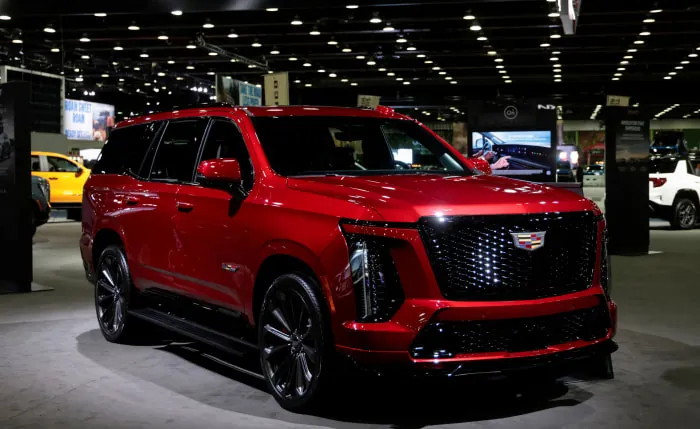
Deciding how to handle these issues depends on your budget and the current mileage of your vehicle. If you have high mileage, focus on preventing further wear by using a high-quality synthetic oil and changing it at 5,000-mile intervals rather than waiting for the computer to tell you. If your vehicle is still under a powertrain warranty, prioritize official dealership service to ensure all repairs are documented for future claims.
If the engine is already showing major timing chain rattle or severe oil consumption, you have a trade-off to consider: the cost of a major internal repair versus the value of the vehicle.
For many owners, if the cost of the repair exceeds 50% of the car’s current market value, it’s often more practical to look for a different vehicle. These repairs are rarely additive; fixing one component like the PCV valve won’t resolve mechanical timing chain stretch, so you should have a mechanic diagnose the engine to see if you’re facing one problem or several at once.
Related guides
Frequently Asked Questions
Can I fix these problems myself?
You can fix minor issues like the PCV valve or ignition coils with basic hand tools, but major repairs like timing chains require professional equipment. If you lack experience with engine timing, you shouldn’t attempt these repairs yourself, as a single error can destroy the cylinder head valves.
How often should I check my oil?
You should check your oil level every 1,000 miles to stay ahead of potential consumption issues. If the engine consumes more than one quart per 2,000 miles, you should keep an extra quart in your trunk and monitor the level weekly until the root cause is diagnosed by a professional.
Is it safe to drive with a timing chain rattle?
It isn’t safe to drive with a persistent timing chain rattle, as it indicates the chain has already stretched beyond the tensioner’s range. Driving in this condition risks a skipped chain, which can cause internal engine components to collide and result in a total engine failure.
What happens if I ignore a check engine light?
Ignoring a check engine light can mask underlying mechanical failures that lead to more expensive secondary damage. For example, a minor misfire caused by a bad coil can eventually destroy your catalytic converter, turning an inexpensive repair into a costly expense.
Does oil type affect these engines?
Yes, using the exact viscosity grade specified in your owner’s manual is critical for the hydraulic operation of the timing chain tensioners. Always use a high-quality synthetic oil that meets the manufacturer’s specific dexos standards to prevent internal sludge buildup.
How long do these engines last?
These engines can last well beyond 200,000 miles if you maintain the oil change intervals strictly. The lifespan is largely dictated by how quickly you address minor leaks and how often you ensure the oil level remains at the full mark.
Conclusion
Start by checking your oil level and scanning for any pending trouble codes with a basic OBD-II reader. If you find codes related to timing or engine misfires, schedule a professional diagnostic appointment immediately to avoid further damage. If you notice a loud, metallic tapping sound that doesn’t go away after the engine warms up, stop driving the car and have it towed to a shop, as this is a sign of internal mechanical failure.
