
You should install a vapor barrier garage ceiling only if the space above is a heated, living area to prevent moisture from moving into your insulation. Adding plastic sheeting creates a seal that traps humidity, which can lead to mold and rot if the moisture has nowhere to escape. In most unheated garages, you should avoid using a plastic vapor barrier because it often does more harm than good. Proper ventilation and air sealing are usually better ways to manage moisture levels in this specific part of your home structure.
Essential vapor barrier garage ceiling components
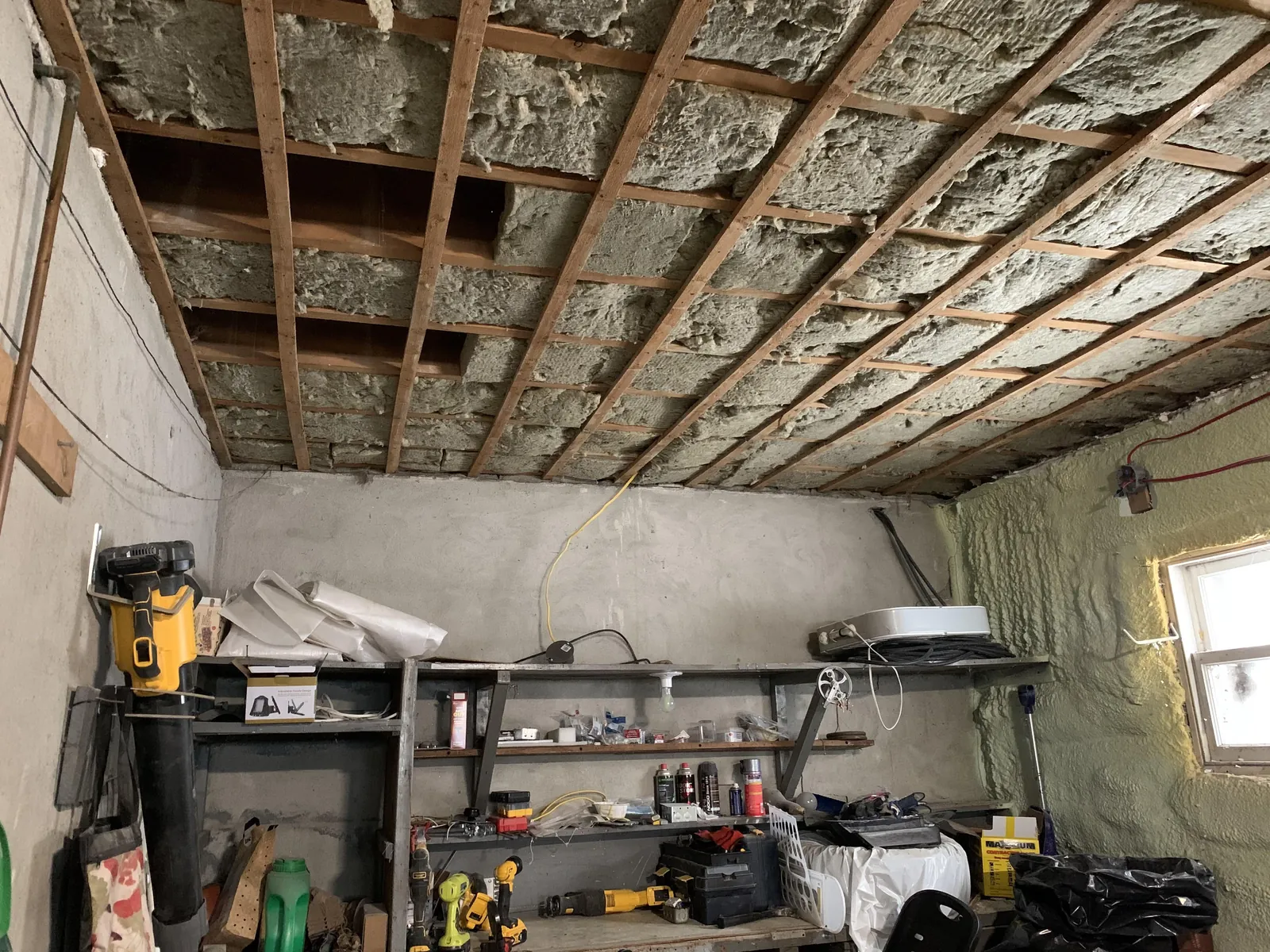
If you notice damp spots or peeling paint, you can identify the source of the moisture by checking these elements before adding any new layers.
| Part or input | What it does | What you notice when it goes wrong |
|---|---|---|
| Ceiling drywall | Provides the main finished surface | Cracks, sagging, or dark mold spots |
| Insulation batts | Keeps the area warm or cool | Wet, heavy, or compressed material |
| Vapor retarder | Limits moisture movement through walls | Condensation on the hidden side |
| Attic ventilation | Moves air to dry out spaces | Stagnant air or frost in winter |
| Air seals | Stops leaks around lights and pipes | Drafts and high heating bills |
Most homeowners mistakenly install a vapor retarder on the wrong side of the ceiling. If you live in a cold climate, the retarder must face the warm interior side to prevent condensation. In hot, humid climates, you should omit the retarder entirely to allow moisture to escape.
Check the attic floor for bypasses before insulating. Recessed lighting fixtures often act as chimneys for warm, moist air. If you see dust patterns on your insulation, air is leaking through that gap. Seal these openings with fire-rated expanding foam or metal flashing.
Proper ventilation requires a clear path from the soffit to the ridge. If your insulation blocks the eaves, the roof deck will rot within five years. Install plastic baffles to keep this channel open. If you can’t see light coming from the soffit while inside the attic, your ventilation is effectively dead.
How to manage ceiling moisture levels
If you need to improve your ceiling, follow these steps to ensure you don’t trap moisture inside your garage structure. This cycle assumes you’re working in a standard residential garage with standard joist spacing of 16 inches.
Inspect your existing ceiling for signs of water stains or mold. These indicate a roof leak that you must fix before sealing anything, or you’ll simply hide the rot until the joists weaken.
Check your attic or floor joists for any existing plastic sheets. If you find one, leave it alone unless it’s damaged. Adding a second vapor barrier creates a double-seal that traps condensation between layers, eventually leading to structural decay.
Use canned spray foam or caulk to seal small gaps around wires, light fixtures, and plumbing pipes. If you can see light through a gap, air is moving through it, and that air carries moisture.
Install fiberglass insulation batts between the joists. If the batt has a paper facing, orient it toward the conditioned side of the ceiling assembly. This keeps the warm, moist air from reaching the cold surface of the roof deck.
If you live in a climate where temperatures regularly drop below freezing, add a layer of moisture-resistant drywall. This creates a thermal break without creating a vapor trap.
Check your attic vents or garage exhaust fans to ensure they’re clear of debris. If you have no active ventilation, install one square foot of net-free vent area for every 150 square feet of ceiling space.
Why moisture trapped in ceilings causes damage
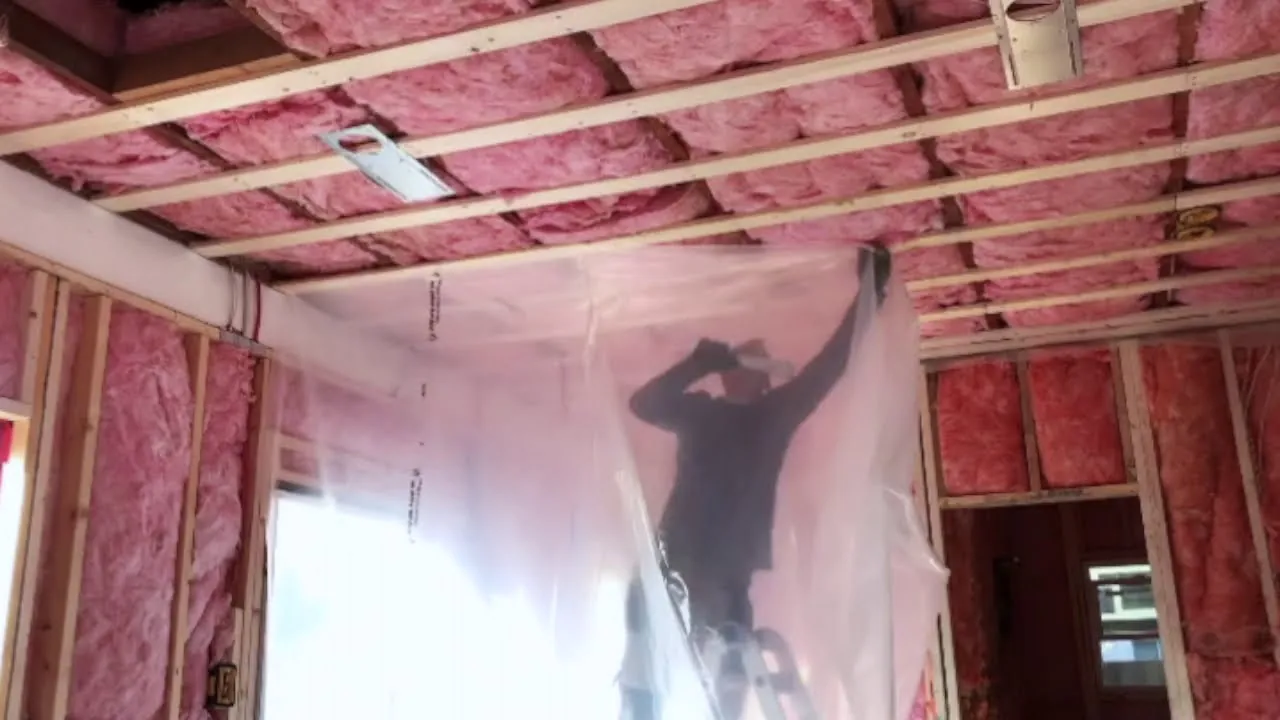
Moisture buildup in a garage ceiling happens when warm, humid air meets a cold surface. This is a common issue for homeowners who try to insulate their garage to keep it warmer during the winter. When you add a plastic layer, you create a wall that stops air movement. If the moisture is already inside the wall cavity, it can’t evaporate. It stays trapped against the wooden joists and the back of your drywall.
This trapped water creates the perfect environment for mold growth. Once mold starts growing inside the ceiling, it’s difficult to remove without taking the whole ceiling down. A mistake many people make is adding a plastic vapor barrier in a garage that isn’t heated. They believe it will protect the insulation, but it actually causes condensation to form on the cold plastic surface. This water then drips down into the insulation, making it soggy and useless.
If the space above your garage is a conditioned living room, you need a vapor barrier to keep room moisture out of the floor joists. If the space above is an open attic or just a roof, you shouldn’t use a plastic barrier. The temperature difference between the garage and the outside air will cause condensation on the plastic. You end up with wet wood and eventually structural rot.
This creates a clear trade-off between insulation efficiency and moisture management. You might want the best thermal protection, but forcing a seal where it doesn’t belong ruins the materials you just installed. They will tell you exactly which class of vapor retarder is required, if any, for your specific wall or ceiling assembly.
Controls and design limits
Things you control
- The amount of spray foam used to seal small gaps around fixtures.
- The type of insulation you select, such as paper-faced or unfaced batts.
- The installation of ventilation fans to move air out of the garage.
- The maintenance of the roof to prevent outside water from entering.
Fixed design limits
- The climate zone of your home, which determines your moisture risk profile.
- The physical layout of the joists and the height of the ceiling.
- The existing exterior siding or roofing material that dictates water shedding.
If you’re planning to change the structural framing of your garage ceiling, you must consult a licensed contractor or a structural engineer. Making unauthorized changes to load-bearing joists or roof supports can compromise the safety of your home. Any work involving electrical wiring or plumbing also requires a permit in most jurisdictions to ensure it meets local fire and safety codes.
Habits for a dry garage ceiling
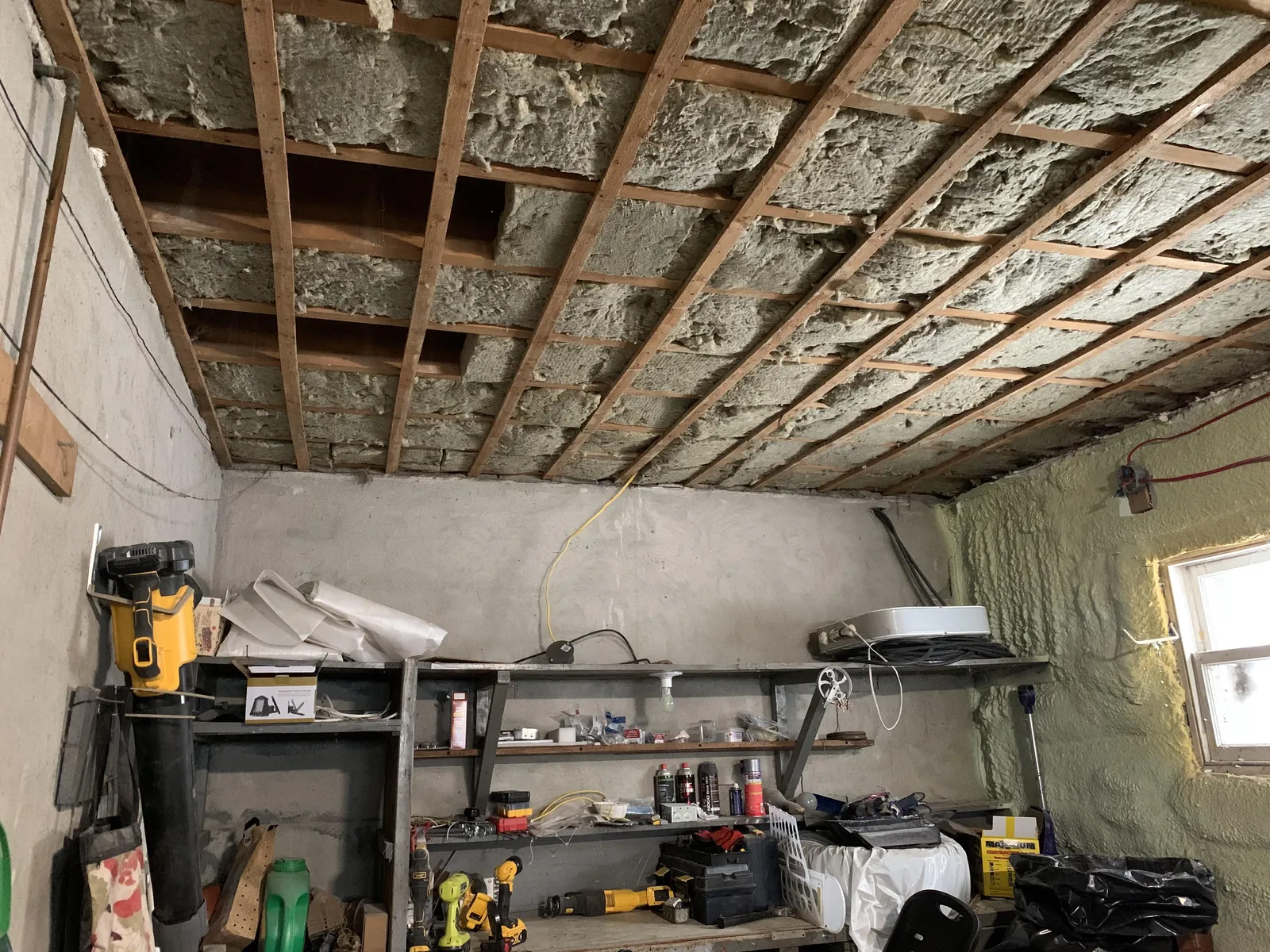
Keeping your garage ceiling in good shape comes down to managing the air inside the garage. Because the garage is often a transition zone between the outside and your home, it naturally collects moisture from cars, snow, and rain.
First, wipe down your garage floor after it rains or snows. Removing standing water stops it from evaporating and moving up toward your ceiling. Second, run a dehumidifier if you store items in the garage. A unit set to 50% relative humidity is usually sufficient, though you should adjust this based on the reading on the device’s screen.
Third, inspect the ceiling surface regularly. Look for small cracks or dark spots that appear after a heavy rain. If you see these, act immediately to find the source. Fourth, ensure your garage door seal is tight against the floor. A leaky door allows cold air to rush in, which increases the chance of condensation on your ceiling materials. The frequency of these inspections depends on your specific usage and local climate conditions.
Finally, keep your storage items a few inches away from the walls and ceiling. This allows air to circulate behind your boxes and shelves, preventing moisture from building up in corners. If you notice a musty smell, it’s a sign that your airflow is too low or your humidity is too high.
Related guides
- Garage Door Cable Came Off Drum: How to Fix It Safely
- 9 Best Portable Air Conditioners for Garage Cooling Picks
- Chamberlain Garage Door Opener Troubleshooting: Easy Fixes
Frequently asked questions
Can I use plastic sheeting on my garage ceiling?
You should only use plastic sheeting on a garage ceiling if the space above is a heated, living area. In most cases, adding plastic to an unheated garage creates a trap for moisture, leading to mold and rot on your wooden joists. If you’re unsure about your specific building code, look up the requirements for your climate zone on the official website of your local building department.
Why is my garage ceiling damp in the winter?
Your garage ceiling is likely damp because warm, moist air from the garage is hitting a cold surface and turning into liquid water. This is common when the outside temperature drops but the garage stays slightly warmer. You can reduce this by improving the ventilation in your attic space or by using a dehumidifier to keep the air inside the garage dry during the cold months.
How do I stop mold on my garage ceiling?
You stop mold by fixing the source of the moisture, which is usually a roof leak or poor air circulation. First, inspect the roof for missing shingles or damaged flashing that lets water in. If the roof is fine, increase the airflow by checking that your attic vents aren’t blocked by insulation. If the mold covers a large area, contact a professional mold remediation service to handle it safely.
Is it safe to insulate a garage ceiling?
It’s safe to insulate your garage ceiling, but you must choose the right materials for your climate. Using unfaced fiberglass batts is often the safest choice for unheated garages because it allows the assembly to breathe. If you live in a very cold region, talk to a local contractor about the specific vapor retarder requirements for your area to avoid trapping moisture against the ceiling drywall.
Does a garage ceiling need a vapor barrier?
A garage ceiling doesn’t need a vapor barrier unless the space above it’s a heated room. If the space above is an attic, a vapor barrier can actually cause damage by trapping moisture inside the ceiling cavity. Check your local building codes to see if your specific region requires a vapor retarder for ceiling assemblies, as these rules are based on local humidity and temperature averages.
How long does a garage ceiling last?
A properly installed garage ceiling, kept dry and well-ventilated, can last for a long time. The actual lifespan depends on how well you manage moisture and prevent leaks from the roof. If you notice sagging drywall or persistent dampness, address it immediately to prevent the damage from spreading to the joists or the insulation above, which can significantly shorten the life of the entire ceiling system.
What happens if I seal my garage ceiling too well?
Sealing your garage ceiling too well without proper ventilation can lead to trapped humidity and structural damage. If moisture can’t escape, it will condense on the backside of your drywall or plastic barrier and cause the wood to rot. Always ensure that your garage has a way to move air, such as an exhaust fan or vents, so that any moisture that does get in has a way to get out.
Conclusion
If you’re still unsure about your garage’s specific needs, it’s a good idea to consult a local building professional. They’ll help you assess your home’s unique climate and airflow, ensuring you don’t accidentally trap damaging moisture. Taking this extra step now will keep your structure safe and dry for years to come.
