
Utility pumps like submersible, transfer, and pedestal models are the most effective tools for moving water out of flooded basements, pools, or clogged drains. These devices differ primarily in their installation requirements and how they handle debris. Selecting the right model depends on whether you need to submerge the motor or keep it dry above the water line.
Utility pump types and uses
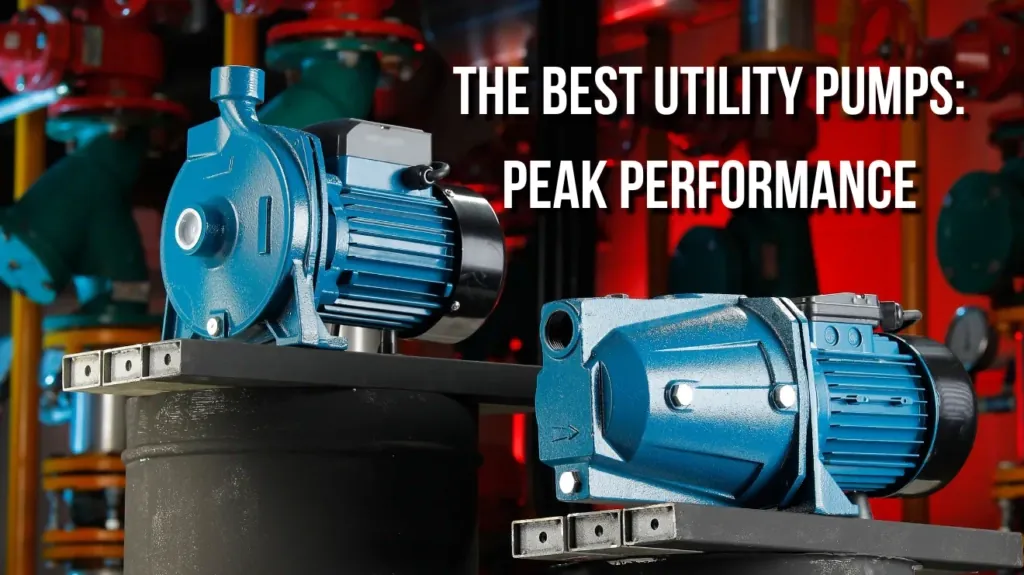
Choosing the right pump depends on your specific drainage needs, as each type is built for a different environment. The following table highlights the primary options available for residential water management.
| Pump Type | Best For | Example |
|---|---|---|
| Submersible | Flooded basements | Wayne EEAUP25 |
| Transfer | Draining water heaters | Superior Pump 91250 |
| Pedestal | Permanent sump pits | Flotec FPPM3600D |
| Multi-purpose | Garden ponds | Little Giant 5-MSP |
Submersible pumps are fully sealed units designed to sit directly in the water. Use these for high-volume jobs like clearing a basement after a storm.
Transfer pumps are external tools that require a garden hose connection. They’re ideal for moving water between containers, such as draining a water heater for maintenance. Never run these dry; they rely on the fluid passing through them to cool the internal seals. If the pump runs for more than thirty seconds without water, the impeller will likely warp.
Pedestal pumps keep the motor above the water line, making them easier to service. Install these in permanent sump pits where the motor must remain dry. Because the switch is mechanical, they’re less prone to the electrical failures that plague sealed units.
If you’re dealing with debris, check the solids-handling capacity. A pump rated for 1/8-inch solids will clog instantly in a pond with leaves. For those environments, select a pump that specifies a 1/2-inch or larger intake clearance to avoid constant manual cleaning.
Submersible utility pumps
A submersible unit sits directly inside the water it’s moving, which allows it to start pumping without needing to be primed first. These tools are ideal for homeowners who deal with recurring basement flooding or who need to drain large volumes of water from a flat surface like a patio.
- They provide high flow rates, often moving over 2,000 gallons of water per hour depending on the head pressure.
- The motor is sealed inside a waterproof housing, which prevents electrical shorts during operation.
- They can usually pull water down to within 1/8 inch of a flat surface, making them effective for final cleanup.
If your basement floor is uneven, you may need to manually tilt the pump to ensure it draws all remaining water. A common mistake is using a submersible pump in a dry area to “prime” it; this can overheat the motor, as these units rely on the surrounding water for cooling.
For example, if you’re clearing a 10-foot by 10-foot basement area with 2 inches of water, a standard 1/4 HP submersible pump will typically finish the job in under 30 minutes.
Transfer utility pumps
Transfer pumps are designed to sit outside of the water, using a hose to pull liquid from one location to another. These units are best for moving water between containers, such as emptying a water heater or a rain barrel, where you can’t place the pump inside the vessel.
They’re highly portable and lightweight, making them easy to move between different work sites. The motor remains dry at all times, which makes these pumps easier to service or inspect for mechanical issues.
They require manual priming, which means you must fill the intake hose with water before turning the unit on to create the necessary vacuum. If you skip this step, the impeller will spin against air, causing the internal seals to overheat and fail within seconds.
The main trade-off here is power versus convenience; while they’re portable, they can’t handle the same volume of water per hour as a heavy-duty submersible unit. If your task involves moving more than 500 gallons of standing water, a submersible pump will save you hours of labor.
Never run a transfer pump without water in the intake line. Running these units dry is the most common mistake, and it typically costs the owner a replacement pump head. Always check that your intake hose is free of kinks or air leaks before engaging the power.
If you’re using a transfer pump to drain a 50-gallon water heater, allow about 15 to 20 minutes for the process, assuming a standard garden hose connection. If the water is heavily sedimented, expect this time to double as the filter screen clogs.
If the water depth exceeds two inches and you need to move it quickly, a submersible pump is the superior choice. If you’re working in a space where you can’t reach the bottom of the vessel, the transfer pump is your only viable option.
Pedestal utility pumps
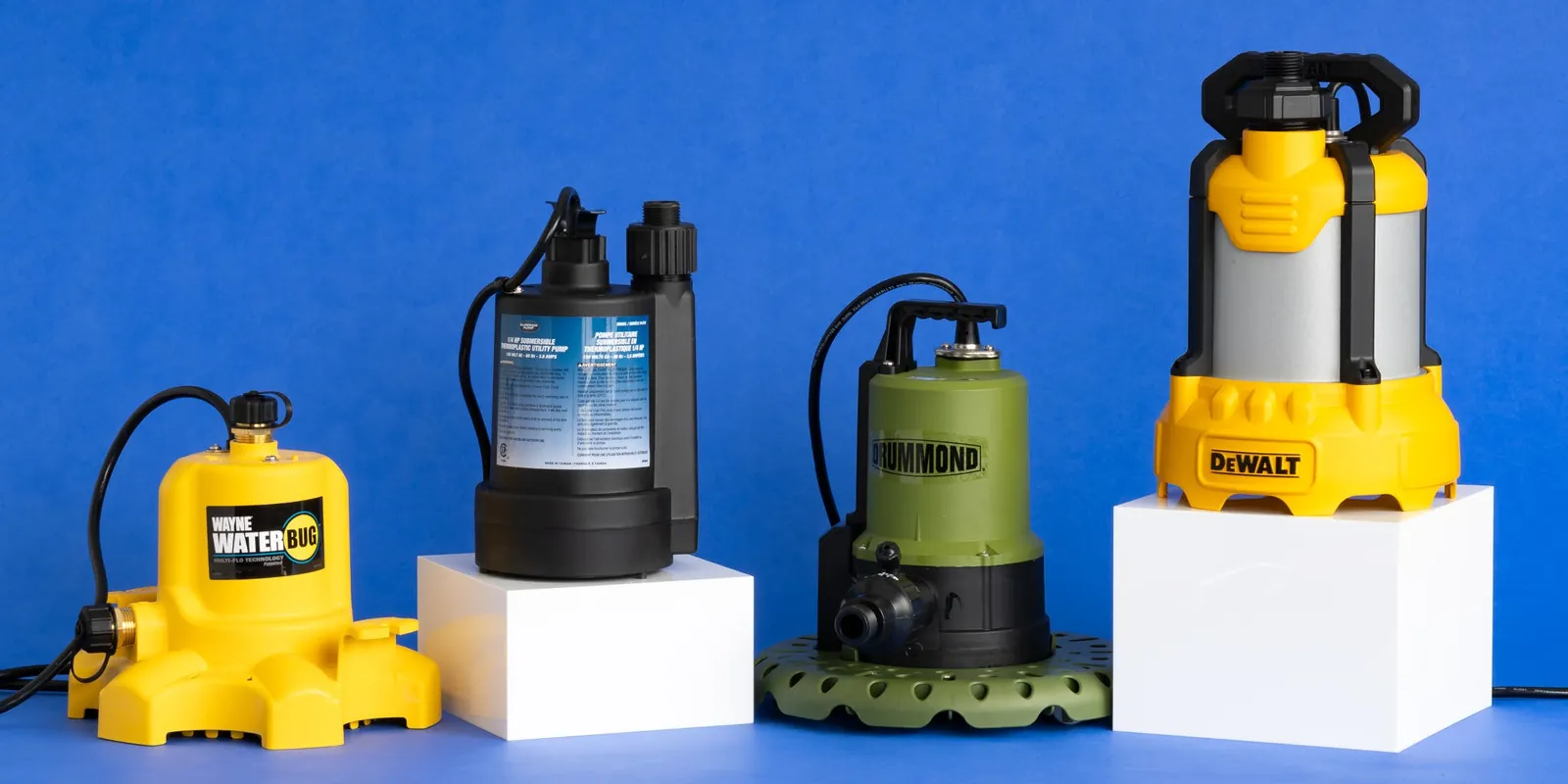
Pedestal pumps feature a motor mounted on a tall shaft above the water line, with only the impeller sitting inside the sump pit. These are intended for permanent installations where the pump must remain ready to activate automatically when the water level rises.
- They’re easier to repair because the motor is located above the water, allowing for quick access to the electrical components.
- They’re designed for long-term reliability in deep pits where a fully submersible pump might be difficult to reach.
- The vertical design keeps the motor away from moisture, which can extend the lifespan of the electrical connections.
The primary limit of a pedestal pump is the depth of your sump pit; if your pit is less than 12 inches deep, the pump may not fit correctly or may fail to activate the float switch. If the shaft becomes bent or clogged with debris, the motor may struggle to turn, leading to premature burnout.
A common mistake is installing these in areas prone to heavy sediment, which can quickly jam the impeller. If you have a pit deeper than 24 inches, ensure your model has a long enough shaft to reach the bottom, as a standard 18-inch pedestal pump won’t be able to clear the final few inches of water.
Multi-purpose utility pumps
Multi-purpose units are compact, versatile tools designed for light-duty tasks such as draining aquariums, birdbaths, or small decorative ponds. These pumps are best for users who need a small, reliable device for routine maintenance rather than emergency flood control.
They’re small enough to fit into tight spaces where larger utility pumps would be physically obstructed. They often feature adjustable flow settings, allowing you to control how fast the water moves. Most models include a removable screen that filters out leaves and small debris to protect the internal impeller.
These pumps aren’t designed for high-pressure tasks or pumping large volumes of water. If you try to use one for a flooded basement, you’ll likely wait several hours for the water to recede.
The motor is typically less powerful than those found in standard sump pumps, meaning they shouldn’t be used for continuous, heavy-duty drainage. If you’re using one to clean a 50-gallon fountain, expect it to take approximately 10 minutes to clear the basin, assuming the intake screen remains free of debris.
Check your water depth before starting. If the standing water is deeper than six inches, these small pumps often lack the head pressure to push the liquid through a standard garden hose. In such cases, the water will simply cycle back into the basin, causing the motor to overheat and eventually fail.
Always test your setup on a flat, level surface. If the pump sits at an angle, the intake screen may suction against the bottom of the container, creating a vacuum seal that stops flow entirely. If you hear a high-pitched whining sound, shift the pump slightly to allow water to enter the housing.
Finally, distinguish between clear water and viscous debris. Neglecting this leads to impeller burnout, which is the most common cause of permanent pump failure.
Other utility pump options
Gas-powered pumps provide the raw power necessary for large-scale drainage, such as flooded fields or construction sites. They excel when you lack access to an electrical outlet and must move hundreds of gallons per minute over long distances.
If your project requires clearing more than 2,000 gallons in under an hour, skip electric models and go straight to gas. However, remember that these units require regular maintenance, including oil changes and spark plug replacements. Neglecting these tasks often leads to engine failure during critical storm events.
Drill-powered pumps are compact attachments that turn a standard power drill into a portable transfer system. They’re ideal for hobbyists who need to drain a single clogged sink or a small aquarium tank in an emergency. These pumps typically move only 3 to 5 gallons per minute. Don’t attempt to use them for basement flooding or large-scale water removal; the constant load will quickly strip the plastic gears inside the pump housing.
Chemical transfer pumps feature specialized seals designed to resist harsh liquids. They’re essential if you must move non-potable liquids or agricultural chemicals that would immediately dissolve the rubber seals in a standard utility pump. When selecting one, check the chemical compatibility chart provided by the manufacturer.
If the liquid has a pH level below 5 or above 9, a standard pump will fail within minutes, leading to internal corrosion and potential leaks. Always flush these pumps with clean water immediately after use to prevent residue buildup, which can harden and seize the impeller. Using the wrong pump for chemical applications is a costly mistake that voids your warranty and creates significant environmental hazards.
How to choose between them
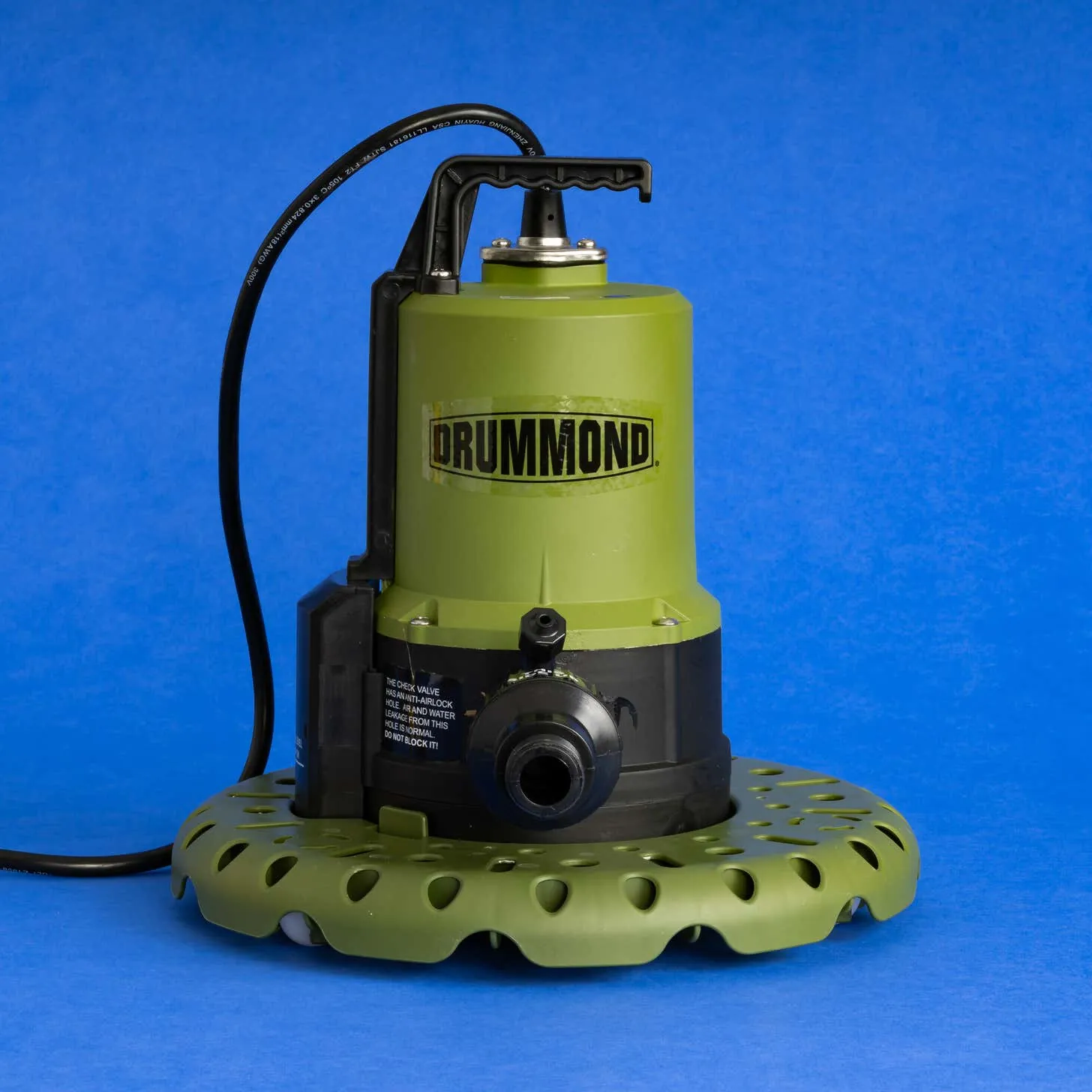
Selecting the right pump depends on the volume of water you need to move and the location of the source. If you need to drain a permanent pit in a basement, a pedestal pump is the best choice because it stays in place and is easy to maintain. These units keep the motor above the water line, which prevents electrical shorts if the basin overflows.
If you have a one-time flood on a flat floor, choose a submersible pump for its ability to pull water down to the surface level. Attempting to use a submersible unit in a dry area or a shallow puddle will burn out the internal seals within minutes.
If you’re moving water between containers where a pump can’t be submerged, a transfer pump is the most practical solution. These external pumps rely on garden hose connections to pull liquid from one vessel to another. They’re ideal for emptying rain barrels or clearing small, localized spills.
These tools are rarely interchangeable. Picking one for the wrong job usually results in either a burnt-out motor or a failure to move the water effectively. If your water source contains debris like leaves or silt, skip the transfer pump entirely. Its internal impeller will clog instantly.
Instead, use a utility pump designed with a wide intake screen to handle solids. If the water level fluctuates, prioritize a model with a tethered float switch. This feature prevents the pump from running dry, saving you the cost of a full motor replacement after a single storm.
Frequently asked questions
Can I use a utility pump to move gasoline?
No, you should never use a standard utility pump for gasoline because the internal seals aren’t rated for flammable liquids. Standard utility pumps are designed for water, and using them with fuel creates a severe fire and explosion risk. Always use a pump specifically labeled as fuel-transfer or explosion-proof.
How long can a utility pump run continuously?
Most utility pumps can run for several hours, but the exact duration depends on the motor’s duty cycle found in your owner’s manual. Pumps designed for continuous use include a thermal overload protector to prevent overheating. If your pump lacks this feature, running it for over two hours may damage the motor.
Is it safe to use an extension cord with a utility pump?
It’s unsafe to use a standard extension cord because the high power draw can cause the cord to overheat and melt. You must use a heavy-duty, outdoor-rated cord that matches the pump’s specific power requirements. Using a thin indoor cord creates resistance, leading to voltage drops and premature motor failure.
Why is my utility pump not moving any water?
The most common cause is an airlock, where air trapped inside the housing prevents the impeller from moving water. You can fix this by tilting the pump while it’s running to allow air bubbles to escape. If the pump is clear but still not moving water, the impeller may be damaged.
How often should I test my utility pump?
You should test your pump at least twice per year to ensure the float switch moves freely. Simply lift the float switch manually while the pump is plugged in to see if the motor engages. If the pump doesn’t turn on, check your circuit breaker to ensure the outlet has power.
What happens if the pump runs dry?
Running a pump without water causes the mechanical seals to overheat and fail, leading to a permanent leak. Pumps rely on the water they move to act as a lubricant and coolant for internal components. If you hear the motor pitch change, turn the pump off immediately to prevent electrical shorts.
Conclusion
Before you start, check the voltage requirements on the pump’s data plate to ensure your power source is compatible. You should expect to see a steady stream of water exiting the discharge hose within seconds of turning the pump on. If the hose vibrates but no water comes out, stop the pump immediately.