
Hydrotreated vegetable oil hvo is a renewable diesel fuel made from fats, vegetable oils, or waste grease that undergoes a chemical reaction with hydrogen to create a high-quality paraffinic fuel. It’s a direct “drop-in” replacement for standard fossil diesel, meaning it works in existing diesel engines without needing any modifications to the vehicle or the fueling infrastructure.
Understanding hydrotreated vegetable oil basics

HVO is chemically identical to fossil diesel, which allows it to be used in any diesel engine without modifications. You can swap it into existing fleets immediately without voiding engine warranties or requiring specialized fuel system seals.
The fuel is produced by hydrotreating plant or animal fats under high pressure and temperature. This process removes oxygen, which prevents the fuel degradation and microbial growth that often plague traditional biodiesel during long-term storage.
Lifecycle greenhouse gas emissions are significantly lower than conventional petroleum-based diesel. However, verify the feedstock source before purchasing; fuels derived from waste oils offer a much smaller carbon footprint than those sourced from virgin vegetable oils.
It maintains excellent cold-weather performance, remaining liquid at temperatures as low as -40°F. If you operate in arctic conditions, choose HVO over standard biodiesel blends, which often gel or clog filters when the mercury drops below 32°F.
Why HVO is a Sustainable Alternative
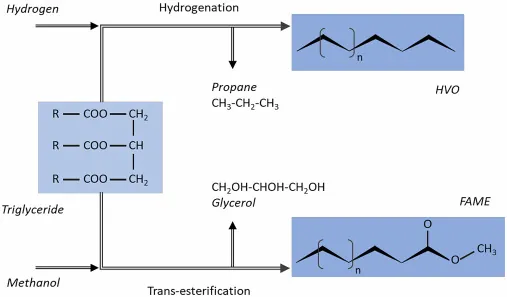
The primary reason this fuel is gaining attention is its ability to reduce carbon footprints without requiring new engine technology. Unlike traditional biodiesel, which is produced through a process called transesterification, HVO uses hydrotreatment. This process removes oxygen from the feedstock, resulting in a cleaner-burning, stable paraffinic hydrocarbon that’s virtually sulfur-free and aromatic-free.
This stability is vital for users who store fuel for long periods. Because it lacks oxygen and is chemically stable, it’s less prone to microbial growth or oxidation. This means you don’t face the same clogging risks in fuel filters that you might see with standard biodiesel. The U.S. Department of Energy confirms that renewable diesel can be used in blends or as a 100% replacement for petroleum diesel in heavy-duty engines.
The process of hydrotreating also makes the final product more consistent. Because the chemical structure is uniform, it burns more cleanly, which reduces the amount of particulate matter and nitrogen oxides emitted from the exhaust. If you’re operating a fleet, you’ll find that the fuel performs reliably in existing tanks and pumps. However, the production cost is currently higher than fossil diesel due to the cost of hydrogen and the specialized refining process required to treat the raw waste fats.
When Fuel Needs Change
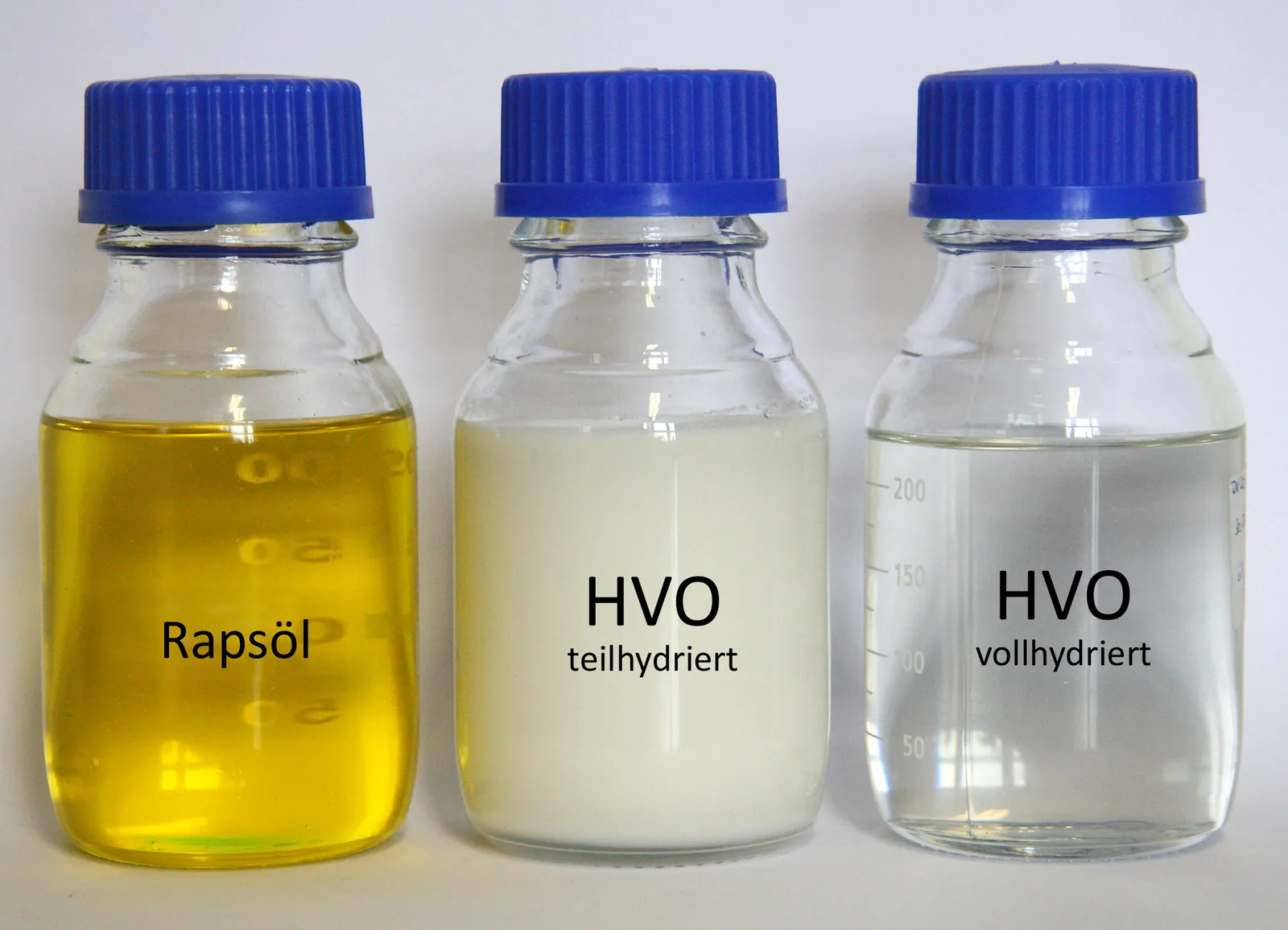
While HVO is a drop-in replacement, you should consider your specific equipment and climate when making the switch.
If your region experiences temperatures below 15 degrees Fahrenheit, standard HVO may wax and clog your filters. In these cases, source winter-grade fuel with a lower cloud point to ensure consistent flow.
Old rubber seals in engines manufactured before 2010 may shrink or leak because HVO lacks the aromatic compounds that cause traditional rubber seals to swell. If you notice weeping at fuel connections, replace the seals with modern Viton components immediately. Ignoring this leak risks a fire hazard or total engine stall.
Finally, if your budget is tight, blending HVO with fossil diesel at a 50/50 ratio maintains cleaner emissions without the premium price tag. Always verify your manufacturer’s warranty, as some require specific fuel certifications to remain valid.
How to Handle HVO Properly
Check your engine owner’s manual to ensure the manufacturer approves the use of paraffinic diesel fuels, as some older engines may require seal inspections first. If your engine was manufactured before 2010, prioritize a professional check of your fuel lines and gaskets to prevent potential leaks caused by the fuel’s unique chemical composition.
Inspect your fuel storage tanks for any existing sludge or deposits. The high solvency of HVO can loosen debris that might block your fuel filters. If you notice the fuel appearing cloudy or dark after the first fill, inspect your fuel filters for sediment and replace them if necessary.
Replace the primary and secondary fuel filters after the first 500 miles of use. The cleaning effect of the fuel often dislodges old sediment from the system, which can cause a sudden loss of power if the filter clogs mid-trip.
Store the fuel in a clean, dry tank, ensuring that you keep the vent caps tight to prevent moisture buildup. Even though the fuel is naturally stable, water contamination remains the primary cause of microbial growth.
Monitor your engine performance and exhaust temperatures during the first few days of operation. If you’re mixing HVO with traditional diesel, ensure you don’t exceed the blending limits specified by your engine provider to maintain your warranty status.
The Mistakes That Ruin Fuel Performance
Neglecting to clean dirty storage tanks before filling them with HVO causes the fuel to carry old sludge into your engine filters. You must scrub tanks to a white-glove standard. Residual sediment will be loosened by the fuel’s solvent properties, which may clog your primary filter within the first fifty hours of operation.
Assume that all renewable fuels are the same at your own peril. Biodiesel contains oxygen and attracts water, while HVO is a pure paraffinic hydrocarbon. If your system was designed for standard diesel, check your seals for compatibility. If your engine predates 2005, inspect rubber components for swelling or degradation based on usage and the manufacturer’s manual.
Store fuel in sealed, airtight containers to prevent condensation. If you see water at the bottom of a tank, you have already lost the battle against microbial growth. Ensure your tank is properly vented and free of water if storage temperatures fluctuate significantly, as condensation can promote microbial growth.
Related guides
- 3 Best Oil Heaters You Can Leave On All Night for Safe Warmth
- 7 Best Clear Coat for Oil Based Paint Options Reviewed in 2026
- Can I Cook Vegetables in a Camping Oven? Tips for Success in 2026
Frequently asked questions
Can I mix HVO with regular diesel?
You can mix HVO with regular diesel in any proportion without damaging your engine, as both fuels are chemically compatible. Most manufacturers allow for a 100% switch, but you should always check your specific engine warranty to ensure that the use of paraffinic fuels is explicitly permitted by the brand.
Does HVO provide the same power as fossil diesel?
The power output of HVO is nearly identical to fossil diesel because the energy density and cetane rating are very similar. You’ll likely not notice any change in engine performance or torque, though the cleaner combustion may result in slightly less visible smoke during heavy acceleration or cold starts.
Is it safe to use in older engines?
It’s safe for most diesel engines, but you should inspect rubber seals and gaskets for signs of wear before switching. Because HVO is a very clean solvent, it can sometimes cause old, brittle seals that were held together by diesel deposits to weep or leak once the system is cleaned.
How long can I store HVO?
You can store HVO for up to 24 months in a properly sealed, clean tank without significant degradation. Unlike biodiesel, which can spoil in a few months, the hydrotreatment process removes the components that cause fuel to oxidize, making it highly resistant to the aging that affects other renewable fuels.
Why is HVO more expensive than fossil diesel?
The higher cost of HVO is due to the complex refining process that requires high-pressure hydrogen and specialized catalysts to treat the waste fats. These production costs are higher than simple distillation of crude oil, though the price gap often narrows depending on local carbon taxes and government incentives for renewable energy.
Does HVO clog fuel filters?
HVO won’t clog filters on its own, but it may cause temporary clogging if your tank has old sediment. Because it’s a powerful solvent, it cleans the inside of your fuel system, which means the first few tanks of fuel might trap more dirt than usual as it scrubs the lines clean.
Conclusion
The transition to using renewable fuels is a practical way to lower your carbon footprint without needing to buy new machinery. By choosing high-quality HVO, you ensure that your equipment runs efficiently while supporting a more sustainable approach to transportation. Always verify your specific engine’s requirements to keep your operations running smoothly.
