
Choosing between a toilet chair vs standard height toilet depends on your current mobility and the specific physical support you need to sit and stand safely. Most people with full range of motion find a standard height toilet comfortable, while a raised toilet chair is essential for those with joint pain, recovering from surgery, or dealing with limited strength. If you have trouble lowering your body or rising from a low seat, the added height of a chair or riser is the safer choice for your home.
Toilet chair vs standard height: The options compared
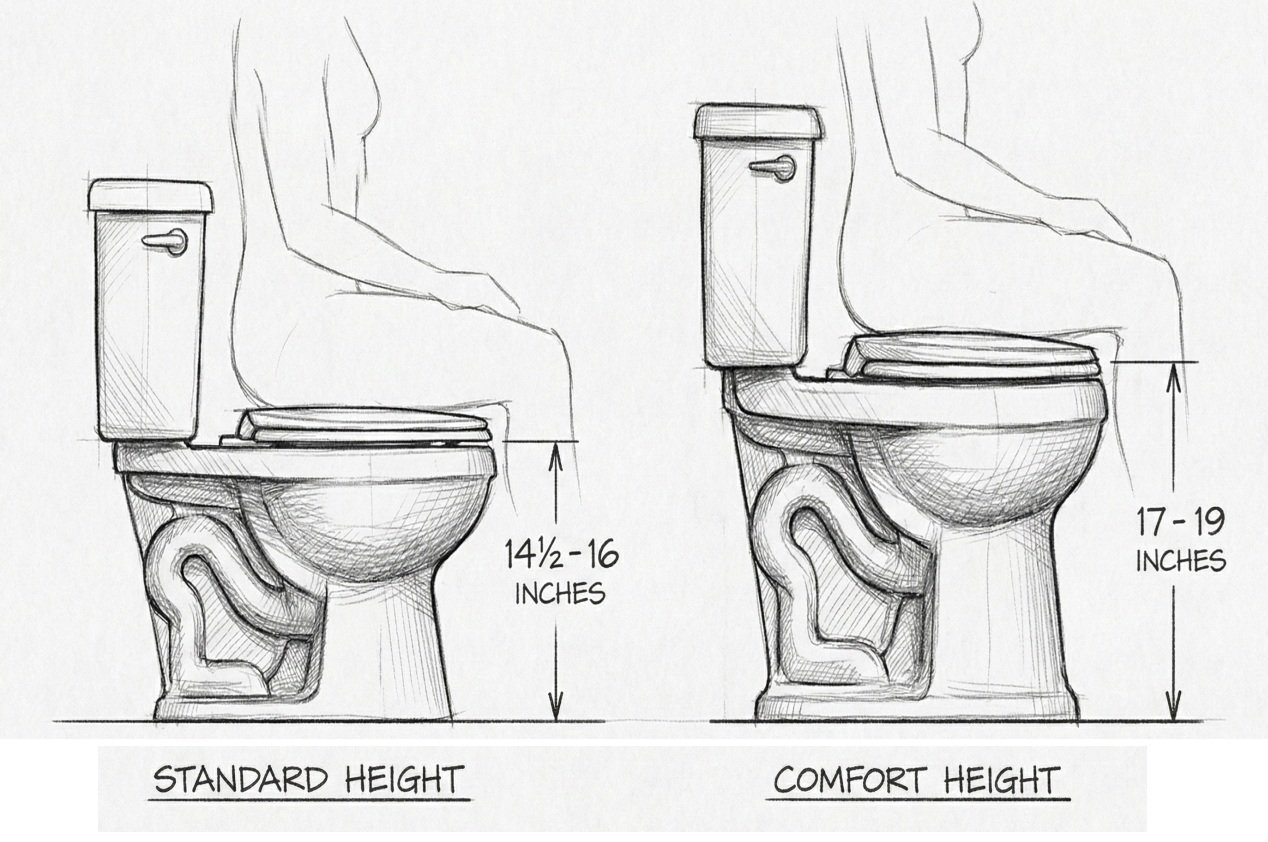
The right choice depends on your physical needs, your space, and how much you’re willing to spend to improve bathroom safety.
| Method | How long | Effort | Cost | Best for |
|---|---|---|---|---|
| Standard toilet | Permanent | Low | Low | Independent users |
| Raised seat riser | 5 minutes | Low | Low | Temporary recovery |
| Commode chair | 15 minutes | Medium | Medium | Limited mobility |
| Comfort height unit | 2 hours | High | High | Long-term accessibility |
If your mobility is restricted, you should choose a model that provides a stable base and handles for support. This varies by model — check the label for the maximum weight capacity before you buy. A mistake many people make is choosing a seat that’s too high, which can cause poor posture and strain on the legs; this often leads to discomfort that could have been avoided with a proper measurement of your seated knee height.
Using a raised seat riser
A riser attaches directly to your existing bowl to add a few inches of height, making it easier to sit down without dropping into the seat.
- Clean the porcelain bowl thoroughly to ensure the adhesive or suction cups grip properly.
- Remove the existing toilet seat and lid by unscrewing the bolts at the back.
- Place the riser on the rim and align the holes with the mounting points.
- Tighten the new, longer bolts provided with the riser kit until the unit is firm.
- Test the stability by applying downward pressure on the sides before use.
This method is excellent for those recovering from hip or knee surgery because it limits the angle of your joints. It’s simple to install and doesn’t require a plumber.
The common mistake is failing to check the bolt length before starting. If your existing toilet bolts are too short, the riser will wobble, creating a dangerous slip hazard.
This setup doesn’t offer the same structural support as a dedicated frame. It isn’t for those who need to lean heavily on armrests to stand up. If you’re unsteady on your feet, you must prioritize a model with integrated handles for safety. If you can stand up without pushing off the seat, the simple riser is sufficient. If you require significant leverage to rise, you need a full frame.
Using a bedside commode chair
A commode chair is a standalone frame that sits over your toilet or can be used independently with a bucket, providing armrests for extra leverage.
- Adjust the telescopic legs to your preferred height so your feet sit flat on the floor. If your knees are higher than your hips, you’ll struggle to stand; if your feet dangle, you risk sliding forward.
- Place the chair over the existing toilet bowl after removing the current seat.
- Ensure the rubber feet are locked and don’t slide on the tile floor. A common mistake is failing to check if all four legs are level, which causes the frame to wobble under weight.
- If using it away from the toilet, insert the waste bucket into the frame rails.
- Lock the seat lid down to ensure it’s secure before sitting.
This is the best choice for people who need physical arm support to lower themselves and rise. It’s highly versatile and can be moved to a bedroom if you can’t reach the bathroom at night.
A trade-off is the extra space it takes up in a small bathroom. If you have a very narrow room, the legs of the chair might block your path. If your bathroom is less than 30 inches wide, choose a compact model with a folding frame to prevent tripping hazards. Use this device only if you can bear weight on your legs; if you cannot, rely on a transfer board instead.
Installing a comfort height toilet
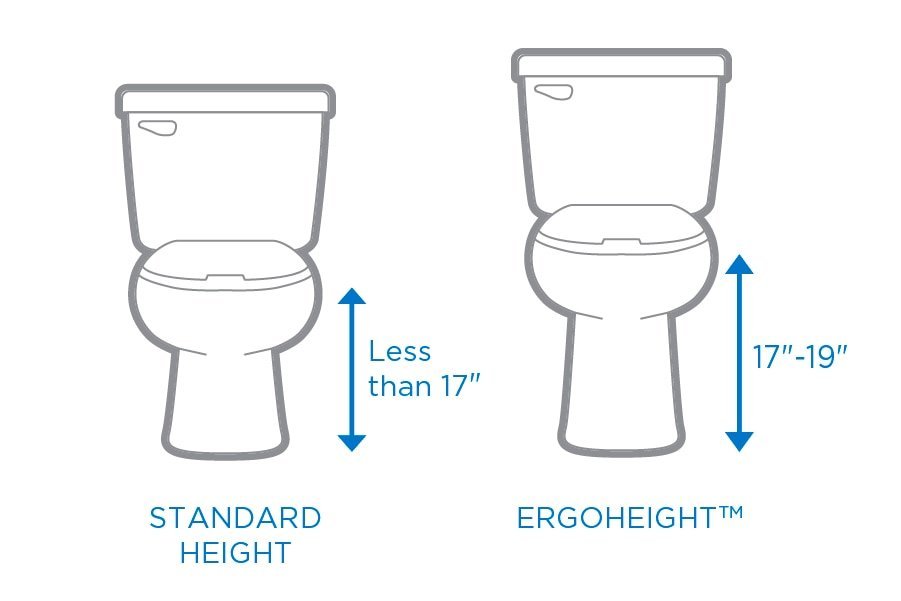
Replacing your entire unit with a comfort height version is a permanent solution for those who want a clean, integrated look without extra attachments.
- Turn off the water supply valve and flush the toilet to empty the tank.
- Disconnect the supply line and remove the bolts holding the base to the floor.
- Lift the old unit carefully and replace the wax ring on the flange.
- Set the new toilet down and secure the bolts, being careful not to crack the porcelain.
- Reconnect the water line and check for leaks after a test flush.
This provides the most stable and permanent result, as it’s built to be tall from the ground up. It’s ideal for families with elderly members who want to maintain an aesthetic, accessible bathroom. The primary weakness is the high cost and the technical skill required for installation. If you aren’t comfortable with plumbing, you must hire a professional, as a poor seal can lead to water damage in your subfloor. The Centers for Disease Control and Prevention notes that removing trip hazards and improving bathroom safety is a key part of staying independent at home.
Which one should you use?
If you’re in a hurry, choose a raised seat riser. It’s the fastest way to add height to your existing setup without needing tools or professional help.
If you’re doing this for the first time, choose a commode chair. It’s the easiest to set up, and you can test your comfort level without making permanent changes to your plumbing. It’s a forgiving choice because you can adjust the leg height as your needs change. Most models offer a range of four to six inches of vertical adjustment, allowing you to find the exact ergonomic sweet spot for your height.
If you want the best possible result regardless of cost, install a comfort height toilet. This is the gold standard for accessibility and long-term reliability. While it requires a higher initial investment and plumbing work, it offers a sturdy, permanent, and unobtrusive solution.
The mistake many people make is choosing a riser for a long-term mobility issue. While cheap, risers often harbor bacteria in the seam between the plastic and the porcelain, requiring daily deep cleaning. If you have the budget, the permanent unit wins on hygiene. However, if your recovery period is less than three months, the riser or chair remains the sensible path. Use the chair if you need armrests for stability; use the riser if you have limited bathroom floor space.
The rules that apply whichever way you choose
Safety is the priority regardless of your chosen method. Before you begin, check the floor for uneven tiles or moisture, as these create a major slipping risk. You must ensure your equipment is rated for your body weight; check the manufacturer’s documentation for the specific weight limit. If you need to install grab bars to support your movement, these must be anchored into wall studs, not just drywall. Incorrect installation of grab bars can lead to a fall, so if you’re unsure about your wall structure, consult a licensed contractor.
Partway through any installation, check that all bolts are tight and that the unit doesn’t wobble. At the end, perform a “dry run” by sitting down slowly to verify the height is correct for your knees. If you feel your knees are higher than your hips, the seat is too low; if your feet dangle, the seat is too high. If you find the process of checking your home for safety risks overwhelming, you can contact an occupational therapist who specializes in home modifications to help you identify the right equipment.
Frequently asked questions

Can I use a raised seat on any toilet?
No, risers are designed for specific bowl shapes and bolt hole configurations, so you must verify compatibility with your current toilet before buying. If your bowl is an unusual shape, the riser may not form a secure seal. This creates a tipping hazard that can lead to falls, so always match the model to your specific toilet type.
How long does a toilet riser last?
Most plastic risers last for several years with regular cleaning, but they may eventually crack or lose their grip. You should check the plastic for signs of wear or stress regularly. If the surface becomes discolored or the mounting hardware starts to rust, it’s time to replace the unit for your safety.
Is it safe to use a commode chair in the shower?
No, most commode chairs are made of steel or coated metal that will rust quickly if exposed to water in a shower. If you need a seat for the shower, you must buy a dedicated shower chair made of rust-proof materials like aluminum and plastic. Using a standard commode in a wet environment creates a severe slip and rust risk.
What happens if the toilet chair is too high?
If the chair is too high, you’ll struggle to sit down comfortably and may lose your balance. It also forces your legs into a position that can cut off circulation, leading to numbness. If you find your feet aren’t touching the floor firmly, you should lower the legs of the chair until your feet are flat.
Why does my toilet seat wobble?
A wobbly seat usually means the mounting bolts have loosened over time or the rubber washers have degraded. You should tighten the bolts immediately, as a wobbly seat is a major fall risk. If tightening doesn’t work, the plastic might be stripped, and you’ll need to replace the hardware or the entire seat.
Final Thoughts
If you’re still unsure which option fits your needs, it’s a good idea to consult with an occupational therapist or your doctor. They’ll help you evaluate your home setup so you can stay independent and safe. Don’t wait until you’ve had a fall; reach out to a professional for guidance today.
Related guides