
A soft close toilet seat not working is usually caused by a buildup of debris in the hinge or a loss of the internal dampening fluid. If the seat slams shut, the hydraulic mechanism has likely failed, and you’ll need to replace the seat or the hinges if they’re sold as a separate part. This result depends on your seat’s specific brand, the age of the hardware, and whether your model allows for individual hinge replacement or requires a full unit swap.
Who needs a working soft close seat
This page is for homeowners who want to fix a broken bathroom fixture themselves without calling a plumber. It serves those who have a seat that’s either stuck, loose, or slamming shut, and who are willing to perform basic cleaning or tightening. If you’re looking for a way to disassemble the internal hydraulic cylinder, this page isn’t for you, as that part is sealed and meant to be replaced, not repaired.
The assumption here is that you have a standard residential toilet seat with a built-in soft-close feature. If your seat is a high-tech electronic bidet model, these instructions don’t apply, as those units contain electrical components and motors that require specialized service.
If you’re just looking for a way to stop the noise, you need to know if the hinge is physically damaged or just clogged. If you’re a renter, you should check your lease, as many landlords require you to report hardware failures rather than attempting to fix them. This guide works best for those who have basic household tools like a screwdriver and a wrench, and who are ready to replace parts if cleaning doesn’t restore the motion.
Factors that change the outcome
The primary factor is whether your toilet seat model allows for individual hinge replacement. Some manufacturers sell the hinges separately, while others mold them into the seat, meaning the entire unit must be replaced if the soft-close mechanism fails. You can find this out by checking the brand name on the seat and looking for a model number on the underside.
Another factor is the amount of mineral buildup around the hinge. Hard water deposits can lock the hinge in place, making it feel like the soft-close feature is broken when it’s simply stuck. You can test this by cleaning the area with a mild vinegar solution. If the movement returns after cleaning, the mechanism was never broken.
The age of the seat is also critical. Plastic parts inside the dampening system degrade over time due to exposure to cleaning chemicals. If your seat is an older unit, the internal seals have likely worn out, and cleaning will have no effect.
The most common mistake people make is using harsh chemical cleaners on the plastic hinges. This causes the plastic to become brittle and ruins the seals, which leads to immediate failure of the soft-close function. This costs the user the price of a full seat replacement, which is avoidable by sticking to soap and water.
Finally, the weight of the seat matters. If you have replaced the lid with a heavier material, the original dampers may not be strong enough to hold the weight. Always check the manufacturer’s weight rating before swapping parts.
Step by step
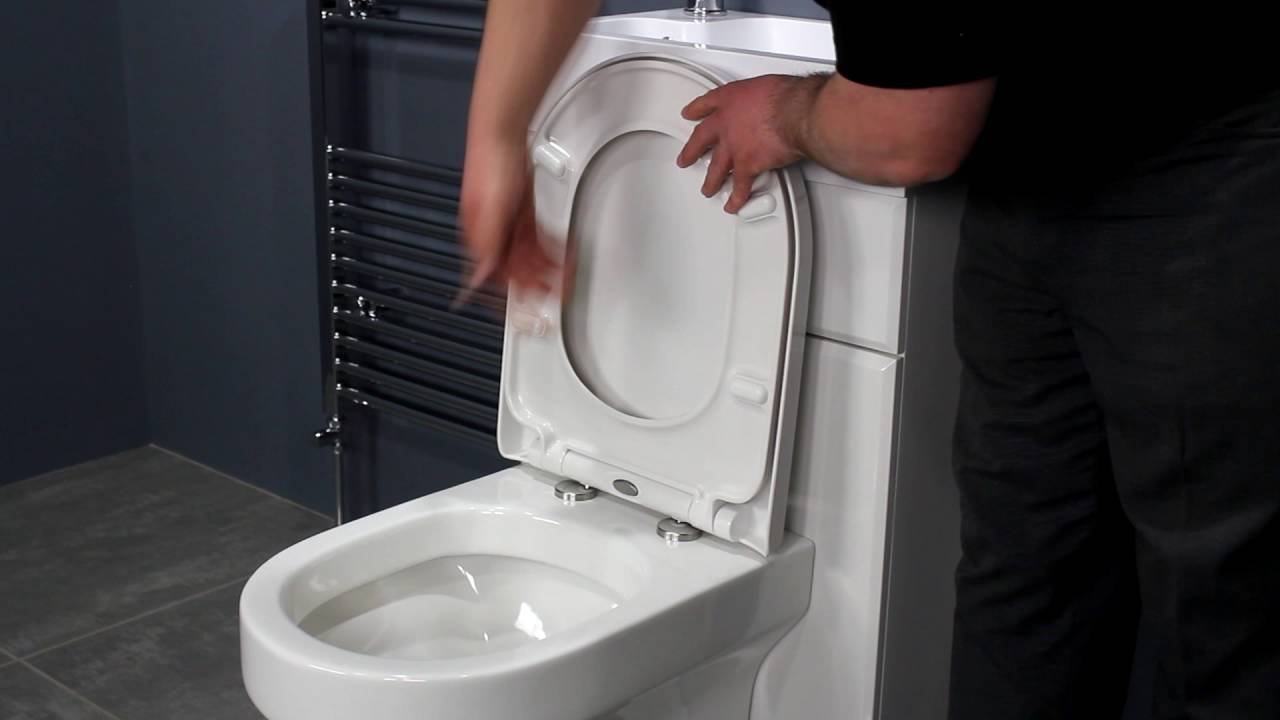
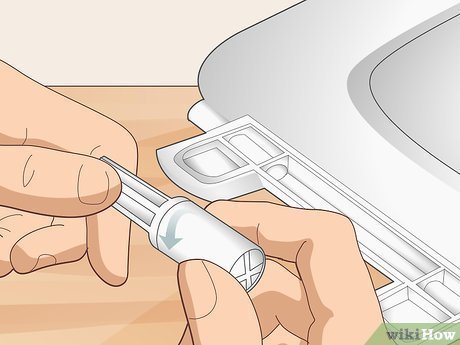
- Remove the seat from the toilet bowl by unscrewing the mounting bolts at the back.
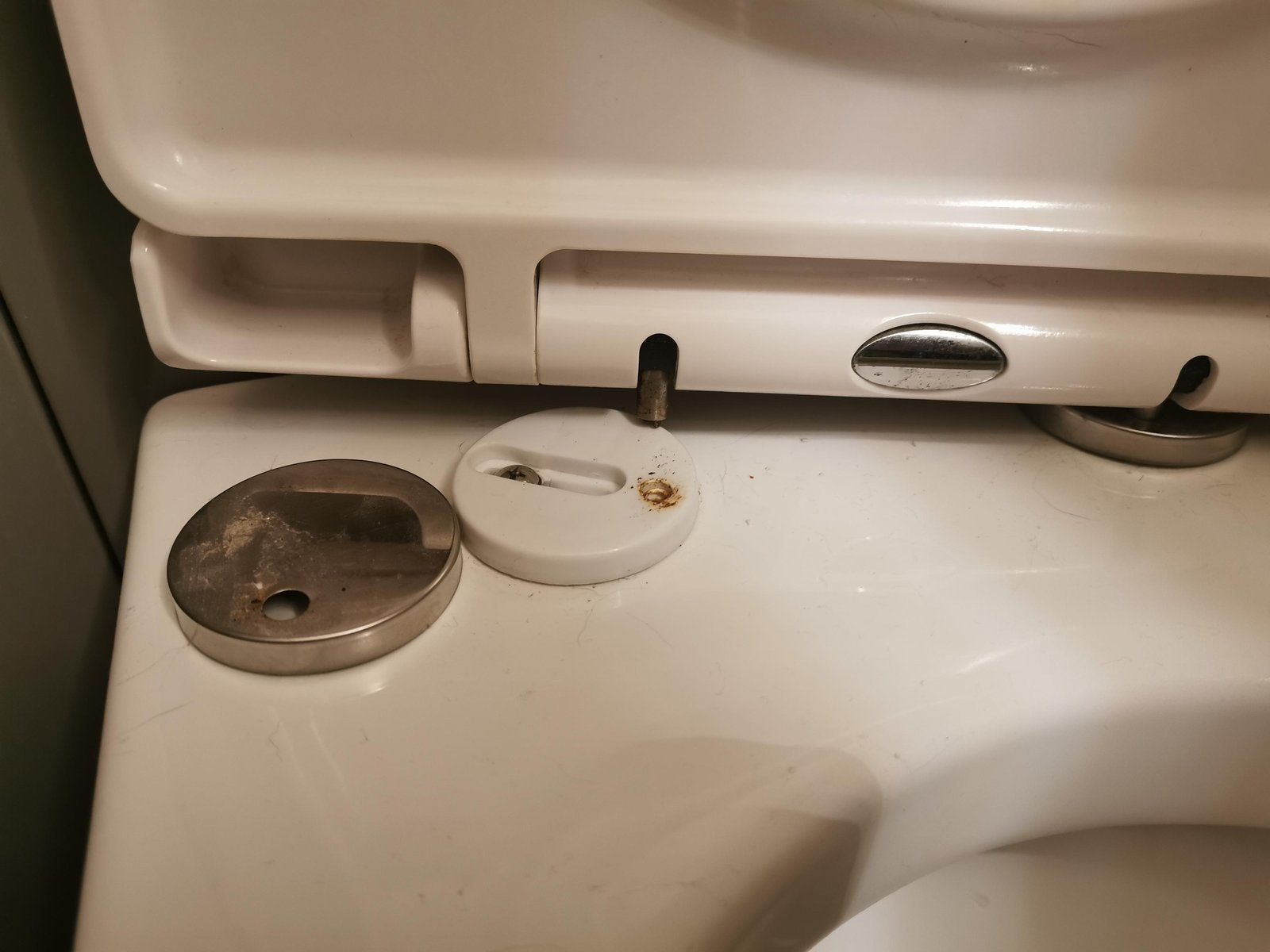
- Locate the hinge covers and pry them off gently with a flat-head screwdriver to expose the mounting hardware.
- Clean the area around the hinges using a soft cloth and warm water with a drop of mild dish soap to remove hair and grime.
- Inspect the hinges for visible cracks or broken plastic tabs that might prevent the mechanism from rotating freely.
- If the hinges are removable, take them to a hardware store to see if an exact match is available for purchase.
- Reattach the seat to the toilet, ensuring the bolts are tightened securely to the bowl to prevent shifting.
- Test the soft-close motion by lifting the seat and letting it drop; it should move slowly and silently.
The key judgment call is deciding between a deep clean and a full replacement. If the hinge feels gritty when you move it by hand, it’s likely just dirty. If the hinge feels loose or makes a clicking noise, the internal mechanism is broken and can’t be fixed.
The variations at a glance
The following table summarizes the different states of a soft-close hinge and the necessary action for each situation.
| Situation | What to do | What it takes | What to watch for |
|---|---|---|---|
| Gritty movement | Clean with soap | Five minutes | Mineral deposits |
| Loose mounting | Tighten bolts | Two minutes | Cracked plastic |
| Slamming shut | Replace hinges | Ten minutes | Model compatibility |
| Stuck in place | Remove and clean | Ten minutes | Rust on bolts |
| Clicking noise | Replace seat | Twenty minutes | Worn internals |
If you feel resistance while closing the lid, stop immediately. Forcing the hinge can shatter the internal dampening cylinder, turning a simple cleaning job into a full replacement.
Use this decision rule to determine your path: if the lid moves smoothly but stops abruptly, the issue is the internal oil seal.
Many users mistake a loose bolt for a broken hinge. Always check the mounting screws first. If the seat wobbles after tightening, the mounting plate is likely cracked. In that case, don’t attempt a repair; replace the plate to avoid damaging the porcelain.
What separates a good result from a poor one
Proper maintenance techniques
Experienced users know that moisture is the enemy of hydraulic hinges. They wipe the hinges dry after cleaning to prevent water from seeping into the internal chamber. Beginners often spray cleaners directly onto the hinge, which forces liquid into the dampening mechanism and causes it to seize. A good result depends on keeping the hinge area dry and free of soap residue.
Correct hardware alignment
A well-installed seat is perfectly aligned with the bowl’s rim. Experienced installers always center the seat before tightening the final bolt, ensuring the weight is distributed equally. A poor result happens when the seat sits at an angle, causing the hinge to bind and eventually break the mounting point.
Soft close toilet seat not working: Troubleshooting guide
| What you notice | What it usually means | What to do first | How to stop it happening again |
|---|---|---|---|
| Seat slams | Broken damper | Replace hinges | Use mild soap |
| Gritty sound | Dirt in hinge | Clean hinge | Wipe dry weekly |
| Seat shifts | Loose bolts | Tighten nuts | Check once monthly |
| Hinge is stuck | Mineral buildup | Vinegar soak | Use soft water |
| Crack in plastic | Material fatigue | Replace seat | Avoid harsh spray |
Most owners mistake a slamming seat for a faulty soft-close mechanism, but the culprit is often a buildup of dried cleaning residue inside the hinge. If your seat slams despite a functional damper, soak the hinge in warm water to dissolve the film.
When your seat shifts, don’t simply tighten the bolts blindly. Check the underside for a rubber washer. If the washer is missing, the bolt will never hold tension. Replace the washer immediately to prevent the plastic hinge from cracking under pressure.
If you see hairline fractures, stop using the seat. A crack indicates the structural integrity is compromised, and it will eventually pinch skin. Use a non-abrasive, pH-neutral cleaner for all maintenance. Harsh chemicals like bleach accelerate material fatigue, turning durable plastic brittle within months.
The rules that apply
Toilet seat installation and safety standards are generally governed by the American Society of Mechanical Engineers (ASME) through their A112.19.2 standards for plumbing fixtures. While these rules focus on the bowl’s connection to the waste pipe, they also dictate the tolerances for mounting surfaces to ensure stability. If your seat doesn’t meet the manufacturer’s specifications for your bowl shape, you risk damaging the porcelain or creating an unstable seating surface.
Always verify the dimensions of your bowl—either round or elongated—before buying a replacement seat. A mismatch here is the most common reason for premature hinge failure, as the seat will be under constant tension when closed. If you’re unsure about the safety of your current hardware, consult the installation guide provided by your specific seat manufacturer, as they define the weight limits and installation torque requirements. Never attempt to force a hinge that doesn’t fit your bowl, as this can crack the toilet base.
What it costs you
The cost of fixing a soft-close toilet seat is primarily measured in time and the price of replacement parts. A simple cleaning takes less than fifteen minutes and costs almost nothing, requiring only common household items. If the mechanism is truly broken, you’re looking at the price of a new hinge kit or a complete seat, which varies by brand and material.
You can find the current price for your specific model by searching the manufacturer’s official online store or checking local home improvement retailers. Prices change frequently based on the material, such as molded wood versus high-grade polypropylene. The effort required is low, but the risk of buying the wrong model is high. Always compare your existing seat’s measurements against the new product’s specifications before you buy. If you’re replacing the entire seat, factor in the time needed to remove the old mounting hardware, which can sometimes be rusted and difficult to turn.
Keeping it right afterwards
To keep your soft-close seat working, perform a quick check every time you clean the bathroom. If you notice the seat starting to fall faster than usual, it’s a sign that the hinges are beginning to fail. You can often extend the life of the dampers by ensuring they aren’t covered in thick layers of dust or soap scum.
Don’t use abrasive scouring pads on the hinges, as these create microscopic scratches that trap dirt and speed up the wear of the plastic. Instead, use a damp, soft cloth to wipe the hinges during your regular cleaning routine. If you need to deep clean the area, use a diluted vinegar solution, but wipe it off immediately with plain water to prevent the acid from etching the finish. If the seat eventually loses its slow-close function, the sign is simply the lack of resistance when you push the lid down. Once this happens, there’s no way to recharge the internal fluid, and the hinge must be replaced to restore the motion.
When this is the wrong approach
If the toilet bowl itself has a crack or the mounting holes are damaged, replacing the seat won’t solve your problem. In this case, you need a professional plumber to assess the structural integrity of the toilet, as a broken mounting hole can lead to water leaks or a total failure of the fixture.
If you find that the mounting bolts are spinning freely and won’t tighten because the internal anchor in the bowl is stripped, don’t force them. A professional can install a new toggle bolt or anchor system without breaking the porcelain. Attempting to fix a stripped mounting hole yourself carries a high risk of cracking the toilet bowl, which is a costly repair. If you aren’t comfortable with plumbing tools or if the toilet is loose, call a licensed plumber to handle the repair safely and effectively.
Frequently asked questions
Can I fix a soft-close toilet seat that slams?
No, the internal hydraulic damper is a sealed unit that can’t be opened or repaired. If the soft-close feature has stopped working, the only fix is to replace the hinge assembly or the entire toilet seat unit if the hinges aren’t sold separately.
Why is my soft-close seat moving slowly?
It’s supposed to move slowly, as the internal fluid provides resistance to prevent slamming. If it’s moving slower than normal, check for dirt or soap buildup around the hinge, which can create extra friction and slow the movement down significantly.
Is it safe to use a toilet seat without the soft-close feature?
Yes, it’s perfectly safe to use a standard seat if the soft-close mechanism breaks. You’ll simply need to guide the seat down manually to avoid the noise and impact, which doesn’t affect the functionality of the toilet itself.
How long do soft-close hinges last?
Most hinges last for a period depending on the frequency of use and the environment. Exposure to harsh cleaning chemicals or excessive moisture will shorten this lifespan, while regular cleaning and gentle use can help the mechanism perform correctly as it ages.
Does it matter if I buy a generic replacement hinge?
Yes, it matters because most soft-close hinges are proprietary to the specific seat model. A generic hinge will rarely align with the mounting holes or the weight distribution of your existing seat, which will likely lead to the new hinge breaking almost immediately after installation.
What happens if I force a slow-closing seat shut?
You risk breaking the internal plastic gears or the hydraulic seal, which will permanently disable the soft-close feature.
What to do next
Start by cleaning the hinges thoroughly to see if the problem is just a buildup of grime. Use a soft cloth dampened with mild soap to remove mineral deposits that often cause friction.
If the seat continues to slam after cleaning, look for a model number on the underside of the seat to order a compatible replacement hinge set. Most modern soft-close hinges rely on a small internal hydraulic damper that fails over time; once this seal leaks, the mechanism can’t be repaired and requires a full swap.
If you encounter any structural issues or loose mounting bolts, stop and contact a professional plumber. Attempting to force a seized bolt often cracks the porcelain base, a mistake that turns a twenty-dollar repair into a full toilet replacement.
Final Thoughts
If your seat still won’t close gently after a quick cleaning, it’s time to check the manufacturer’s website for a warranty claim or a replacement part. Don’t worry if you can’t find a fix; installing a new seat is an easy project that’ll make your bathroom feel brand new again.