
A stainless steel sink is the best choice for most homes because it handles high heat and sudden impacts without cracking, while a granite composite kitchen sink is the better option if you want a quiet, scratch-resistant surface that hides water spots. You’ll find that one material is lighter and cheaper to install, while the other offers a heavy, premium feel. If you’re worried about noise or aesthetics, granite composite often wins, but for pure durability and ease of care, stainless steel is the industry standard.
Comparing kitchen sink materials
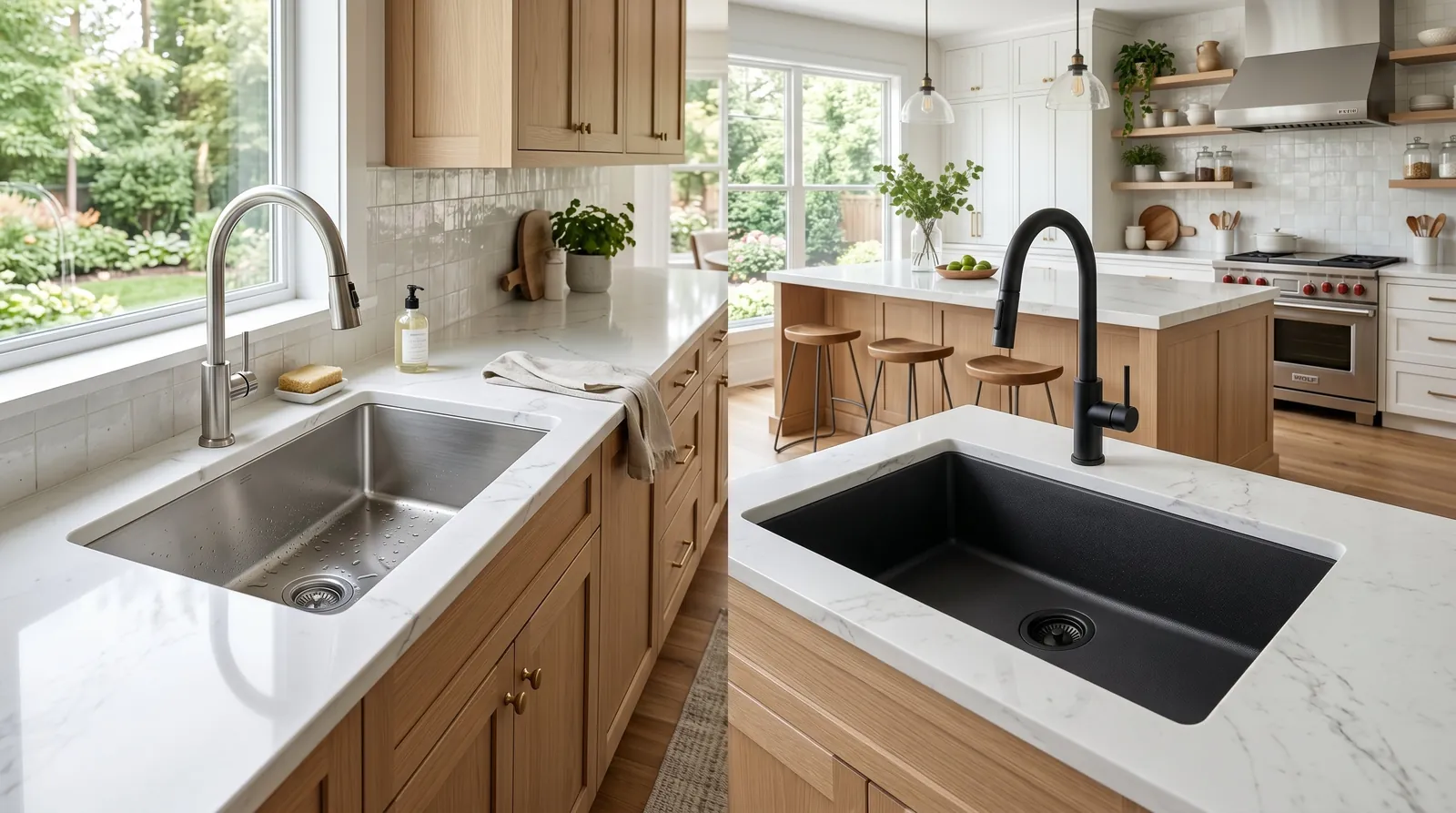
Choosing the right sink depends on how much time you want to spend cleaning and whether you value toughness over style. While stainless steel is forgiving, granite composite requires more care to prevent stains from acidic foods or coffee.
| Method | How long | Effort | Cost | Best for |
|---|---|---|---|---|
| Stainless Steel | 20+ years | Low | Low | Busy kitchens |
| Granite Composite | 15-20 years | Medium | Medium | Modern aesthetics |
| Fireclay | 10-15 years | High | High | Farmhouse style |
Stainless steel is the most affordable option, but check the gauge. A 16-gauge sink is thicker and quieter than a 22-gauge model, which will oil-can or flex under the weight of a heavy pot. If you hear a metallic pinging when you turn on the faucet, you bought a sink that lacks proper sound-dampening pads.
Granite composite sits in the middle, offering a dense, stone-like feel that resists heat up to 530 degrees Fahrenheit. Use this material if you frequently drain boiling water, but avoid it if you have hard water. Mineral deposits show up instantly on dark composite surfaces, requiring a daily wipe-down with a microfiber cloth to prevent a chalky film.
Fireclay is the aesthetic choice, yet it’s prone to cracking if you drop a heavy cast-iron skillet into the basin. If you live in a household where dishes are handled roughly, choose stainless steel to avoid the high cost of professional porcelain repair. Stick to stainless if you want utility; choose composite or fireclay only if you’re prepared to manage their specific surface sensitivities.
Choosing stainless steel for your home
Stainless steel is a top pick for professional kitchens because it’s non-porous and easy to sanitize. You should look for 16-gauge or 18-gauge steel, as these are thick enough to resist denting and loud vibrations.
Measure your existing cabinet opening to ensure the new sink fits the frame. If your current cutout is irregular, add a quarter-inch of clearance to allow for proper centering. Apply a bead of silicone sealant around the rim to prevent water from leaking into the cabinet below. Secure the clips provided by the manufacturer to hold the sink firmly against the countertop.
This material is excellent because it won’t crack if you drop a heavy pot into the basin. The main drawback is that it shows water spots and fingerprints very easily. You must wipe it down with a soft cloth after every use to keep it looking shiny.
If you choose a thin gauge, like 22-gauge, the sink will be prone to dents and will sound very hollow when water hits it. Avoid these thinner options if your household uses heavy cast iron cookware daily, as the impact will eventually cause permanent bowing.
Selecting granite composite for a modern look
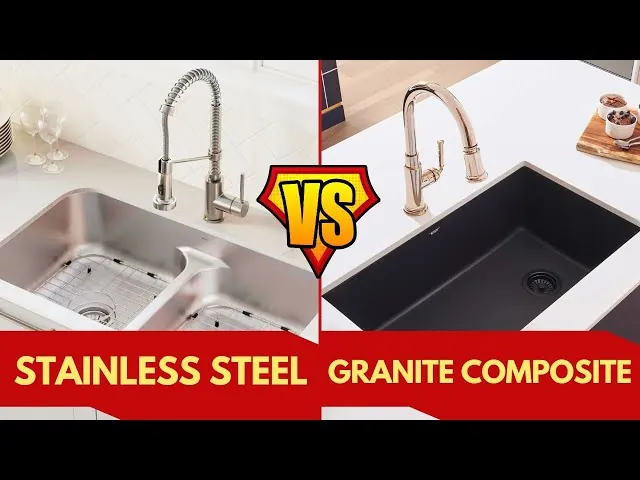
Granite composite combines crushed stone and acrylic resin, resulting in a dense, non-porous surface that mimics the aesthetic of natural rock. Unlike stainless steel, which highlights every water spot and scratch, this material maintains a matte, uniform finish that hides daily wear.
Before purchasing, verify your base cabinet can support at least 40 pounds of dead weight, excluding the faucet and plumbing. If your cabinet frame is made of thin particleboard rather than solid plywood, install additional steel bracing underneath the sink rim to prevent sagging over time.
When installing, use a precision template to cut your countertop. A gap wider than 1/8 inch creates a ledge where food debris collects, which is difficult to sanitize. Secure the sink using heavy-duty clips rather than relying solely on silicone adhesive.
This material excels at dampening the clatter of silverware and the roar of running water. However, the resin matrix is susceptible to impact damage. If your kitchen workflow involves frequent use of heavy cast-iron cookware, avoid undermount installations with exposed edges. A top-mount or flush-mount configuration protects the vulnerable rim from accidental strikes.
Avoid scouring pads or bleach-based cleaners, which degrade the resin and leave the stone particles prone to staining. If you notice a dulling finish, apply a food-safe mineral oil or a manufacturer-approved color enhancer. If the surface feels rough to the touch, you have likely stripped the protective sealant; switch immediately to a mild dish soap and a microfiber cloth to prevent further degradation.
When to pick each material
If you’re in a hurry, stainless steel is the easiest to find and install, meaning your kitchen will be back in service faster. It’s a simple drop-in process that most people can handle with basic tools.
If you’re doing this for the first time, you should lean toward stainless steel. It’s much lighter and harder to break during the installation process, making it safer for DIYers. If you make a mistake while cutting the hole, stainless steel’s large rim is more forgiving than the precise fit needed for granite composite.
Most novices underestimate the weight of a composite sink. A standard 30-inch granite composite model can weigh over 40 pounds, requiring a reinforced cabinet frame. If your base cabinet is older or made of thin particle board, it will sag under the weight without additional plywood bracing.
If you want the best possible result whatever it takes, granite composite is the winner. It provides a quiet, solid feel that makes a kitchen feel more expensive and well-built. You’ll need to take extra care during installation, and you might need a second person to help lift it, but the final look is often worth the extra effort.
Choose stainless steel if you value utility and low maintenance. Choose granite composite if you prioritize sound dampening and heat resistance. If you frequently scrub heavy cast iron, the composite material will resist scratching far better than thin-gauge steel.
Important rules for every installation
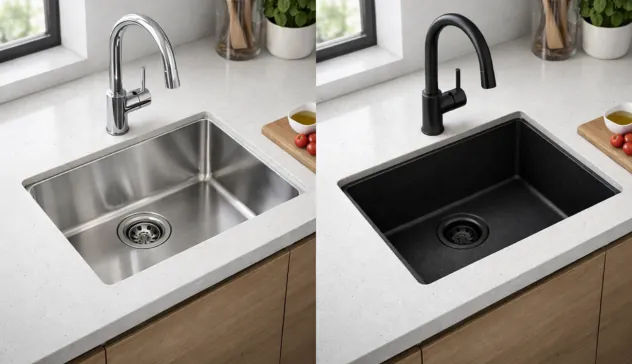
Regardless of the material you choose, you must ensure the sink is properly supported by the base cabinet. A sink filled with water and heavy cookware can easily exceed 100 pounds. If your cabinet frame lacks structural integrity, the countertop will eventually crack or the sink will pull away from the sealant.
Always read the manufacturer’s installation manual first. Brands differ significantly in their requirements for bracing and specific sealant types. If the manual calls for a custom plywood cradle, don’t attempt to bypass it with simple adhesive clips.
Before you start, turn off the water supply to the kitchen faucet and clear the area under the sink. Once the sink is set, fill it halfway and watch the drain connections for five minutes. A slow drip at this stage is a minor nuisance, but a leak discovered after you have sealed the perimeter is a nightmare to repair.
If you aren’t comfortable cutting stone countertops, hire a licensed professional. One miscalculation during the cutout phase can ruin a slab worth thousands of dollars. If your countertop is granite or quartz, the rule is simple: if you don’t own a diamond-blade wet saw and a dust-extraction system, you aren’t equipped for the job. Call a pro and save the material.
Frequently asked questions
Can granite composite sinks crack?
Yes, granite composite sinks can crack if you drop a very heavy object directly onto the corner or if you subject them to extreme thermal shock. While they’re very strong, they aren’t invincible like stainless steel. If you notice a crack, you should contact the manufacturer to see if a repair kit is available, as these are often specific to the resin blend used in your sink model.
How long does a stainless steel sink last?
A good stainless steel sink can last for a very long time with regular care. The main factor is the quality of the steel; higher-grade 304 stainless steel resists rust better than cheaper alternatives. If you see small spots of rust, it’s usually just surface contamination from steel wool pads or metal utensils left in the basin, which you can remove with a mild stainless steel cleaner.
Is it safe to use bleach in a granite composite sink?
No, you should avoid using harsh bleach on a granite composite sink. Bleach can cause discoloration and damage the protective resin layer that keeps the sink non-porous. You should stick to mild dish soap and a soft sponge for daily cleaning. If you have hard water stains, use a mixture of vinegar and water, but always rinse it off thoroughly to protect the finish.
How much do these sinks weigh?
Stainless steel sinks usually weigh between 10 and 20 pounds, while granite composite sinks can weigh between 30 and 60 pounds. This difference matters because you might need to reinforce your cabinet if you switch from a light metal sink to a heavy stone composite model. Always check the product specifications sheet to see the exact weight before you start your project.
Why does my stainless steel sink sound so loud?
Your sink sounds loud because the metal is thin and vibrates when water hits it. You can fix this by applying sound-dampening pads or a spray-on insulation coating to the underside of the basin. Most high-quality stainless steel sinks come with these pads already installed, so if you’re shopping for a new one, look for models that list sound-deadening technology in the description.
What happens if I scratch my granite composite sink?
If you scratch a granite composite sink, the mark is often just a metal transfer from a pan or utensil rather than a deep gouge. You can usually remove these marks with a magic eraser or a specialized composite sink cleaner. If the scratch is deep, some manufacturers offer repair kits that use a colored resin to fill the area and restore the surface texture.
Conclusion
Choosing between these two materials comes down to your personal lifestyle. If you value low maintenance and durability, stainless steel is the reliable choice that will hold up for decades. If you prefer a quiet, high-end look and are willing to be a bit more careful, granite composite offers a beautiful, stone-like finish that stands out in any modern kitchen.