
Enzyme-based drain cleaners, such as lipase and protease formulas, are the best choice for clearing organic buildup in slow-moving pipes. These products use concentrated bacteria to digest hair, soap scum, and food waste without damaging plumbing. Unlike caustic cleaners, enzymes work slowly over several hours, making them ideal for regular maintenance rather than clearing solid, total blockages.
Top Picks for Enzyme Drain Maintenance
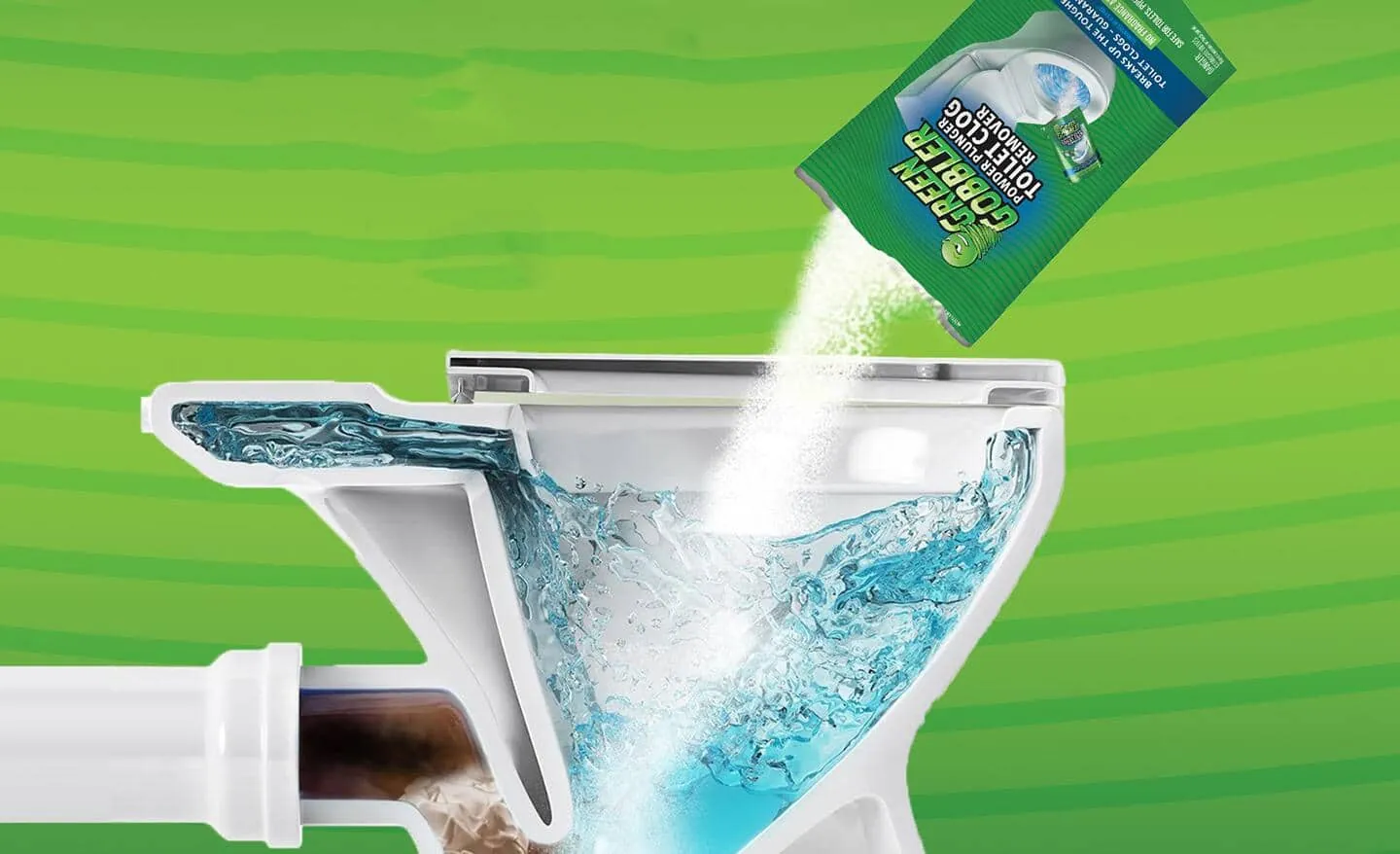
Choosing the right cleaner depends on the type of clog and the frequency of your maintenance routine. This table breaks down the most common options available to help you manage your pipes.
| Product Type | Best For | Concrete Example |
|---|---|---|
| Liquid Bacteria | Daily drain maintenance | Green Gobbler Enzyme |
| Powdered Enzymes | Septic system health | Roebic K-37 |
| Gel Formulations | Slow-moving kitchen sinks | Bio-Clean Drain Cleaner |
| Protease Blends | Protein-based food clogs | Earthworm Drain Cleaner |
| Lipase Mixes | Soap and grease buildup | Thrift T-500 |
Use liquid bacteria for preventative care in bathrooms where hair is the primary concern. These formulas stay active for up to 24 hours, digesting organic matter before it forms a solid mass. If you notice a sink draining slowly after a week of use, switch to a gel formulation. The added viscosity allows the enzymes to cling to the pipe walls rather than washing away instantly.
Septic systems require a different approach. Avoid liquid cleaners with high surfactant levels, as these can disrupt the delicate bacterial colonies in your tank. Stick to powdered enzymes that dissolve slowly, ensuring the treatment reaches the bottom of the tank where sludge accumulates.
Many homeowners make the mistake of using these products on complete blockages. Enzymes require time and flow to work; they aren’t instant solutions for standing water. If your sink is completely backed up, use a mechanical snake first to restore flow. Once water moves again, apply the enzyme treatment to clear the remaining residue.
Liquid Bacteria Cleaners
Liquid bacteria cleaners are formulated with concentrated bacterial cultures that activate when introduced to organic waste. They’re ideal for households that want to prevent buildup in bathroom sinks and showers where hair and soap scum are the main concerns. These cleaners are safe for all pipe materials, including plastic, copper, and cast iron.
They colonize the walls of your pipes to prevent future grease from sticking. They’re non-toxic and don’t produce heat or fumes during the digestion process. They require at least 6 to 8 hours of inactivity to fully break down organic material.
For a standard bathroom sink, pour 4 ounces of the liquid into the drain before you go to bed. This allows the enzymes to work overnight without being washed away by fresh water. If your pipes are completely blocked, don’t use this; it won’t have enough time or contact to dissolve a hard plug.
Most homeowners make the mistake of using these products as a reactive fix for standing water. If you see water pooling in the basin, skip the bacteria and use a mechanical snake or a plunger instead. Bacteria need to coat the organic matter to digest it, but standing water dilutes the concentration too much to be effective.
Use these cleaners on a regular maintenance schedule to see real results. Apply the treatment based on your specific usage needs, as frequency depends on the volume of waste in your pipes. Consult your owner’s manual for the manufacturer’s recommended care instructions if the drain remains sluggish despite consistent treatment.
Powdered Enzyme Treatments
Powdered treatments are highly concentrated blends meant to be mixed with warm water before application. They’re the preferred choice for homeowners with septic tanks, as the enzymes help maintain the natural balance of bacteria required for proper waste breakdown. Because these products are shelf-stable in powder form, they often have a longer shelf life than liquid alternatives.
These powders excel at breaking down starches, proteins, and fats that typically clog kitchen drains. Unlike foaming cleaners that dissipate quickly, powdered enzymes travel deep into the plumbing system to colonize the interior pipe walls. This creates a lasting barrier that prevents organic buildup from adhering to the surface.
When using these, mix two tablespoons of powder with one quart of warm water in a bucket. Stir the solution for thirty seconds until the granules fully dissolve. Pour the mixture down the drain slowly, then avoid using the sink for at least four hours to allow the enzymes to consume the organic matter.
If your local water supply is hard, the high mineral content can inhibit enzyme activation. In these cases, increase the dosage to three tablespoons to ensure enough active agents remain to tackle the clog. You can identify hard water by checking for white, chalky buildup on your faucet aerators or showerheads.
Most users make the mistake of flushing these treatments with hot water immediately after application. This kills the bacteria before they can perform their function, effectively flushing your money down the drain. If you have a severe blockage that has caused a total backup, don’t reach for enzymes.
These treatments are designed for preventative maintenance and slow-moving drains, not for clearing solid obstructions like hair or plastic. For those stubborn, complete clogs, use a mechanical snake or a professional-grade plunger first. Once the pipe is flowing, use the enzyme treatment to clear the remaining residue and restore full drainage capacity.
Gel Drain Cleaners
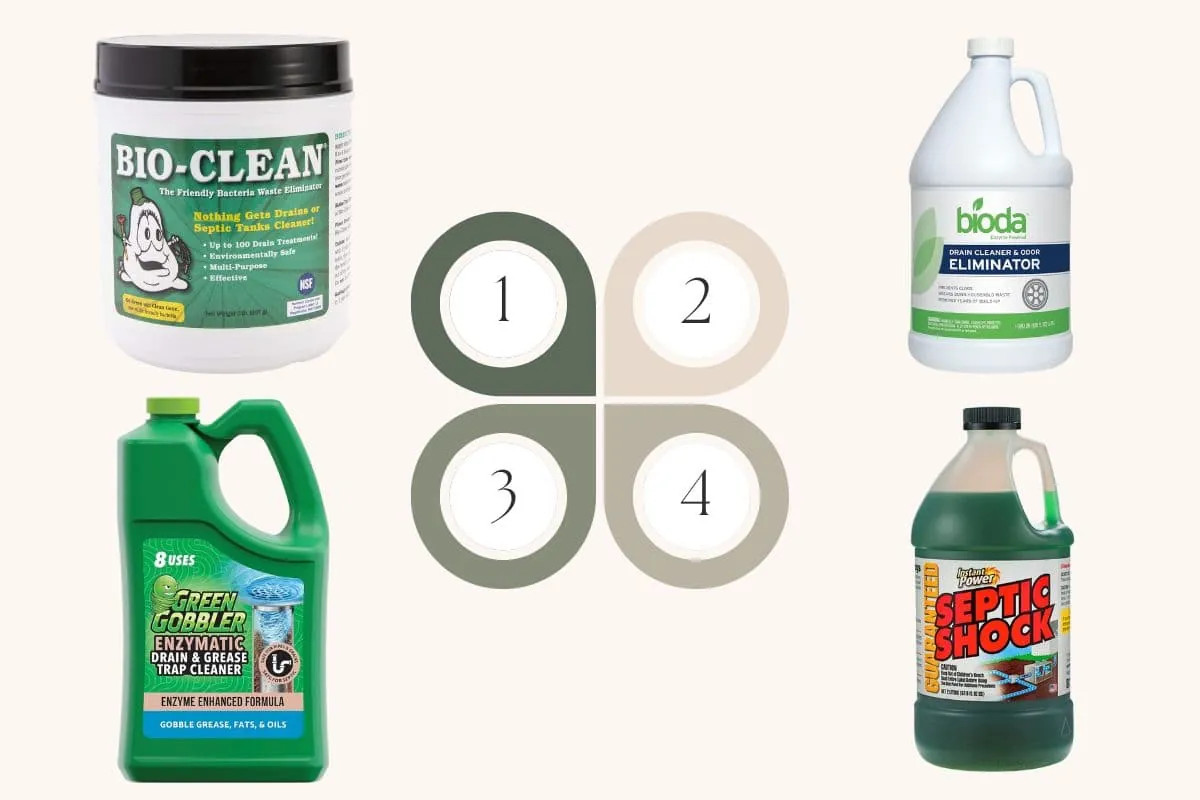
Gel cleaners use a thicker consistency to cling to the sides of pipes, ensuring the enzymes stay in contact with the blockage for longer periods. They’re best for vertical pipes where a liquid might drain away too quickly before the enzymes can finish their job. These are specifically designed for slow-moving drains that still allow some water to pass through.
- They cover the entire inner surface area of the pipe to remove layers of slime.
- They’re less likely to splash back during application compared to thin liquids.
- They contain surfactants that help lift grease from the pipe wall more effectively.
If you have a persistent slow drain, apply 8 ounces of the gel and wait for 12 hours. This isn’t for you if you have a metallic object or a large clump of plastic stuck in the pipe, as enzymes can’t digest inorganic materials. If the drain remains slow after two treatments, you likely have a mechanical obstruction that requires a snake or professional plumbing tools.
Protease and Lipase Blends
These specialized cleaners target specific types of organic waste, such as fats, oils, and proteins. They’re the most sophisticated options for homes that produce a lot of food waste, such as those with heavy kitchen usage. Because these cleaners are highly targeted, they work faster on specific blockages than general-purpose bacterial cleaners.
They break down stubborn food proteins that cause bad odors in kitchen drains. They’re highly effective at emulsifying heavy grease deposits from dishwashers. They remain effective in cooler water temperatures where other enzymes may react more slowly.
Use these blends when you notice a persistent smell or a greasy film on the surface of your sink water. Pour 3 ounces directly into the drain and flush with one cup of warm water to push the enzymes deeper into the trap. If the blockage is located deep in the main sewer line, you’ll need to apply a larger volume, typically 16 ounces, to ensure the product reaches the target area.
Most homeowners make the mistake of using these enzymes immediately after pouring harsh chemical drain openers. This is a costly error, as the high pH of caustic cleaners will denature the enzymes, rendering them completely inert. Wait at least 48 hours after using any chemical product before introducing a biological blend.
If the water in your sink is standing completely still, don’t use an enzyme blend. These products require flow to reach the site of the obstruction. If the drain is fully capped, use a physical snake or plunger first to restore movement.
Once you see the water level begin to drop, apply the enzymes to digest the remaining residue clinging to the pipe walls. This two-step approach prevents the frustration of wasted product and ensures the enzymes have the contact time required to dissolve the organic buildup.
Other Enzyme Maintenance Options
Combined enzyme packets offer a hands-off approach for households that prioritize convenience. These pre-measured, dissolvable bags eliminate the guesswork of dosing, preventing the common mistake of over-pouring liquids that can lead to excessive buildup in older, slower pipes.
Drop one packet into each drain monthly to maintain flow. If your home uses a low-flow plumbing system, ensure the packet fully dissolves by using only the minimum amount of water necessary to move it into the trap. Boiling water can denature the enzymes, rendering the treatment useless.
Septic-safe multi-purpose cleaners integrate maintenance into your existing routine. These formulas contain residual enzymes that continue to break down organic matter long after you have finished wiping your counters. They’re ideal for high-traffic kitchens where food scraps inevitably wash into the sink. Rely on these cleaners exclusively for daily upkeep; they lack the concentration required to clear established clogs.
If you notice a drain slowing down despite weekly use of these cleaners, stop immediately. A persistent drain issue suggests a mechanical blockage, such as hair or grease, which enzymes can’t dissolve. In this case, switch to a physical drain snake or a professional auger.
Using enzymes on a physical blockage is a wasted expense that will only cause water to pool and potentially damage your sink seals. If the water drains within ten seconds of a full basin release, your enzymatic maintenance is working perfectly. If it takes longer than thirty seconds, skip the enzymes and clear the line manually before resuming your routine.
How to Choose the Best Enzyme Based Drain Cleaners
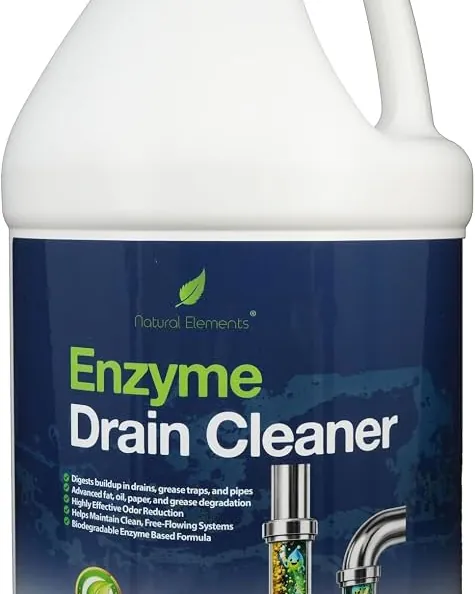
The best way to choose is to look at where the clog is located and what you’re trying to remove. If your problem is in the kitchen and involves grease, reach for a lipase-based cleaner, as these are specifically formulated to break down fat molecules. If your problem is in the bathroom and involves hair or skin cells, choose a protease-based formula. If you’re uncertain of the cause, a general-purpose bacterial blend is your safest starting point.
Consider your time constraints as well. If you have the ability to leave the drain unused for an entire night, liquid or gel cleaners are excellent because they have the most contact time. If you need a quick fix before guests arrive, enzymes will likely disappoint you; they simply don’t work fast enough for immediate results. Finally, check your plumbing material.
While enzymes are generally safe, some older, corroded metal pipes can be sensitive to prolonged exposure to certain acidic additives sometimes found in inferior enzyme brands. Stick to products clearly labeled as safe for all pipe types to avoid any risk of damage. These products can be combined with physical cleaning methods like a plunger, but you should never mix them with chemical drain cleaners, as the harsh chemicals can kill the very bacteria you’re trying to introduce.
Frequently asked questions
Can I use enzyme cleaners in a completely blocked drain?
Enzyme cleaners won’t work in a completely blocked drain because they can’t reach the clog. These products require water flow to carry bacteria to the blockage and time to digest the material. If water isn’t moving, use a mechanical tool like a plunger first.
How long does it take for enzyme drain cleaners to work?
Enzyme drain cleaners typically take 6 to 12 hours to show results. Because they’re biological agents, they must consume organic matter slowly. For the best results, apply the cleaner before bed so the pipe remains undisturbed overnight.
Is it safe to use enzyme cleaners in old pipes?
Enzyme cleaners are safe for all plumbing types, including old cast iron and copper, because they’re non-corrosive. They don’t generate the heat or chemical reactions that weaken pipes. Always check the manufacturer’s label to ensure compatibility with your specific pipe material.
What happens if I mix enzyme cleaners with chemical drain cleaners?
Mixing enzyme cleaners with chemical cleaners renders the enzyme product useless and may cause dangerous reactions. Chemical cleaners kill the beneficial bacteria found in enzyme products. Always flush pipes thoroughly with water before switching from a chemical cleaner to an enzyme-based one.
How often should I use enzyme cleaners for maintenance?
You should use enzyme cleaners regularly to keep your drains flowing freely and prevent buildup. High-volume households may require more frequent applications than others. Consistent use ensures the bacteria colony stays active, digesting hair, grease, and food waste before they form solid clogs.
Does it matter if I use warm or cold water with enzymes?
Enzymes are most active in warm water, typically between 80°F and 100°F. If the water is too cold, bacteria go dormant, while boiling water kills them entirely. Use lukewarm water to flush your cleaners to ensure the bacteria remain active while traveling to the blockage.
Conclusion
Start by identifying the source of the slow drainage, such as a greasy kitchen sink or hair-filled bathroom drain. Pour the recommended amount of enzyme cleaner into the drain before you stop using the sink for the night. You’ll know the product is working if the water drains more quickly after 24 hours.