
Understanding how to manage your energy consumption begins with knowing how to calculate wattage, watts or w, which serves as the fundamental unit for measuring the rate of energy transfer in an electrical circuit. Whether you’re sizing a solar panel array, choosing a portable power station, or simply trying to estimate your monthly utility bill, mastering the relationship between voltage, current, and power is essential. Most household appliances display their power requirements on a sticker or embossed plate, but when that information is missing, you can derive it using basic electrical formulas. By applying these calculations, you can prevent circuit overloads and optimize your home energy usage for better efficiency and safety.
Key Takeaways
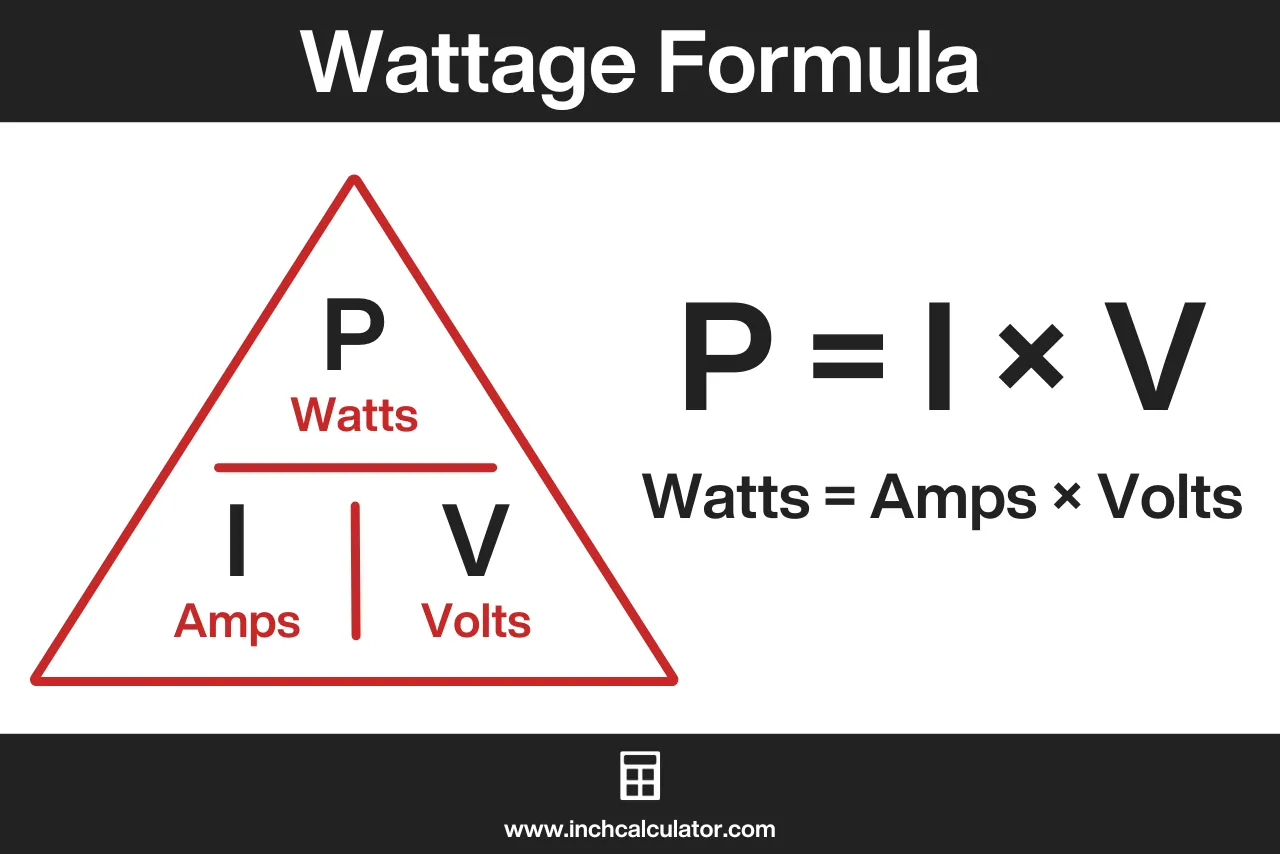
- Power is calculated by multiplying the voltage (measured in volts) by the current (measured in amps).
- Always check the manufacturer’s label on the device to find the rated wattage before performing manual calculations.
- The standard household voltage in the United States is typically 120 volts for most outlets.
- Using a multimeter allows you to measure current draw in real-time for devices that have variable power consumption.
- Total household wattage is the sum of all active devices, which helps in determining your circuit breaker capacity.
The Basic Power Formula Explained
The foundation of all electrical power calculations is the Power Law, which states that power (P) equals voltage (V) multiplied by current (I). In the United States, most standard wall outlets operate at 120 volts.
If you know the amperage of your device, you can easily determine the wattage. For instance, if an appliance draws 5 amps at 120 volts, the calculation is 120 multiplied by 5, resulting in 600 watts. This fundamental electrical relationship is the standard way to determine power draw for any resistive load.
| Component | Symbol | Unit of Measurement |
|---|---|---|
| Power | P | Watts (W) |
| Voltage | V | Volts (V) |
| Current | I | Amperes (A) |
How to Find Wattage on Appliances
Most manufacturers provide the power specifications directly on the device. Look for a nameplate, usually found on the back or bottom of the appliance, which lists the input voltage and either the wattage or the amperage.
If the label only provides voltage and amps, use the formula mentioned above to find the watts. If the label shows a range, such as 1000W to 1200W, use the higher number to ensure your wiring and power sources can handle the maximum power demand.
Why Is Voltage Important Here?
Voltage acts as the pressure that pushes electricity through your wires. In the United States, the National Electrical Code sets the standards for electrical installations to ensure safety and consistency across all residential and commercial buildings. Because standard residential voltage is constant, your main variable when calculating wattage is the current, which changes based on how much work the device is performing. Understanding this pressure helps you avoid under-sizing your power supply.
Measuring Power with a Multimeter
When you need to know the power consumption of a device that doesn’t have a clear label, you can use a digital multimeter. To measure current safely, you must set the meter to the appropriate amp range and connect it in series with the load.
Warning: Never attempt to measure current by placing the probes directly into an outlet, as this will create a short circuit and potentially damage your equipment or cause injury. Always use extreme caution when working with live electrical components.
Calculating Total Circuit Load
To prevent tripping your circuit breakers, you must calculate the total wattage of all devices connected to a single circuit. A standard 15-amp household circuit in the United States typically supports 1,800 watts, though it’s recommended to keep usage at 80% of capacity, or 1,440 watts, to avoid overheating the wires. Simply add up the wattage of every appliance plugged into that circuit to ensure you remain below the safe operating limit.
| Circuit Type | Max Amperage | Safe Wattage (80% Load) |
|---|---|---|
| Standard Lighting | 15 Amps | 1,440 Watts |
| Kitchen Counter | 20 Amps | 1,920 Watts |
| Dedicated Appliance | 30 Amps | 2,880 Watts |
Estimating Daily Energy Consumption
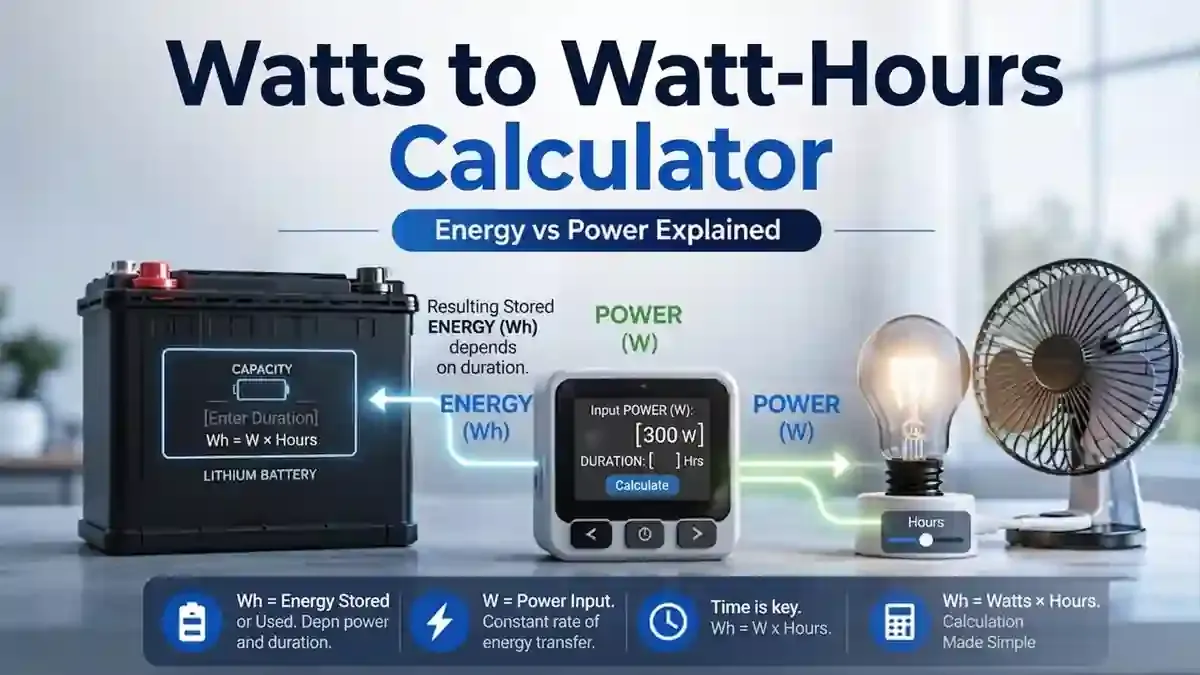
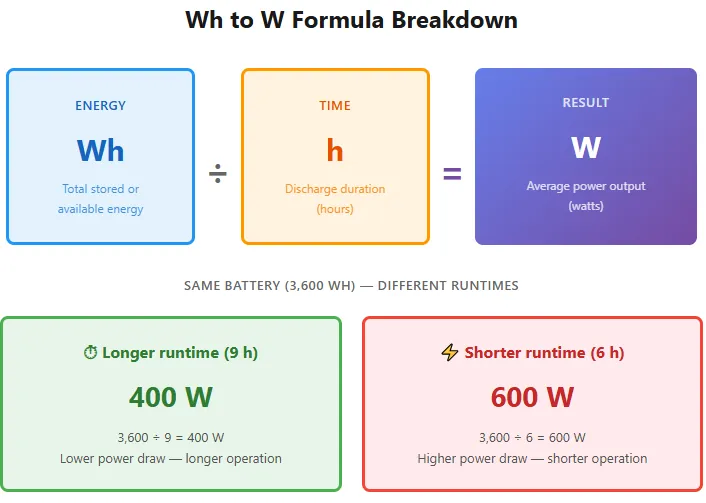
Wattage tells you how much power a device uses at any given moment, but it doesn’t tell you how much energy you consume over time. To find your daily energy usage, multiply the wattage of the device by the number of hours it runs per day. For example, a 100-watt lightbulb running for 5 hours consumes 500 watt-hours, or 0.5 kilowatt-hours (kWh). Tracking these kilowatt-hour figures is the best way to estimate your monthly electricity costs accurately.
Troubleshooting Common Power Issues
If a device isn’t working or a breaker keeps tripping, the first step is to calculate the load. Common causes for power issues include:
- Overloaded power strips or extension cords.
- Faulty internal components in older appliances.
- Corroded or loose electrical connections in outlets.
- Devices drawing more current than their rated capacity.
Pro Tip: If your circuit breaker trips frequently, move high-wattage items like space heaters or coffee makers to a different circuit to balance the load more effectively.
Tools for Measuring Actual Wattage
If manual calculation feels too complex, you can use a dedicated power meter or a “Kill A Watt” style device. These tools plug directly into the wall and provide an instant readout of the wattage, voltage, and total energy consumed over time. These are highly effective for identifying “vampire loads,” which are devices that continue to draw power even when turned off. Using a digital power meter is the most accurate way to audit your home energy usage.
Related guides
- Best Power Station for Home in 2026
- Best Smart Blenders With Nutrition Calculators in 2026
- Where Is Kenmore Freezer Reset Button: How to Power Cycle
Frequently Asked Questions
What is the difference between watts and volt-amps?
Watts measure real power that performs actual work, while volt-amps measure apparent power in a circuit. In purely resistive loads like incandescent bulbs, they’re identical. However, in devices with motors or complex electronics, there’s a difference known as the power factor. For most household calculations, using watts is sufficient for sizing breakers and determining general energy consumption.
Can I calculate wattage if I only have the resistance?
Yes, you can calculate power using resistance. If you know the resistance in ohms (R) and the voltage (V), use the formula P = V²/R. This is useful for heating elements or incandescent bulbs where resistance is relatively constant. You simply square the voltage and divide it by the resistance value to arrive at the total wattage.
Why do some appliances have a wattage range?
Appliances like hair dryers, heaters, or refrigerators often show a range because they operate at different levels. A hair dryer might use 1800 watts on the high setting and only 800 watts on the low setting. When planning your electrical capacity, always use the maximum wattage listed on the nameplate to ensure your circuit can handle the peak demand without tripping.
How do I calculate the cost of running a device?
First, find the wattage of the device and divide by 1,000 to get kilowatts. Multiply this by the number of hours the device is used to get total kilowatt-hours (kWh). Finally, multiply that number by the rate per kWh found on your monthly utility bill. This simple calculation allows you to predict exactly how much each appliance adds to your total power expense.
Is it dangerous to exceed the wattage limit?
Exceeding the wattage limit of a circuit is dangerous because it causes wires to heat up, which can lead to insulation melting and electrical fires. Circuit breakers are designed to trip to prevent this, but relying on the breaker as a switch is unsafe. Always keep your total load below the recommended 80% threshold to ensure your home electrical system operates safely and reliably.
Conclusion
Calculating your wattage needs is a straightforward process once you understand the basic relationship between volts, amps, and power. By identifying the requirements for each device and keeping your total circuit load within safe limits, you can manage your home energy usage effectively. Start by checking the labels on your most frequently used appliances today to see where you stand.
