
The lg washer oe code appears on your display when the machine fails to drain water within a specific time limit. This error indicates that the drain pump or the drainage hose is blocked, kinked, or malfunctioning. To fix this, you must clear the obstruction in the drain hose or clean the drain pump filter. If the water doesn’t flow out freely after these checks, the pump itself may have failed and requires professional replacement to avoid further damage.
Simple steps to clear the washer code
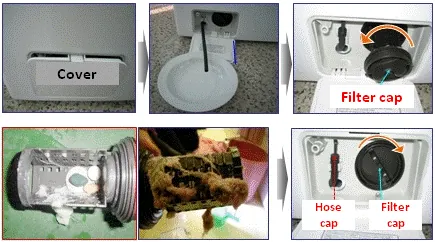
Check the drain hose behind the washer for any sharp kinks or blockages that stop flow. If the drain hose outlet is positioned higher than 96 inches from the floor, the pump will struggle to overcome gravity. You must reposition the drain line to ensure a downward slope toward the drain.
Open the small access door on the bottom front of the machine to reach the filter. Place a shallow pan under the filter door to catch remaining water before you open it. If the floor is level, use a flat baking sheet rather than a bowl to maximize the surface area for spills.
Twist the filter cap counter-clockwise to remove it, then clear out all lint and debris. If the cap resists turning, don’t force it with pliers. Instead, rock it gently back and forth to break the seal of dried detergent.
Inspect the pump impeller inside the filter housing to ensure it spins freely by hand. If it feels gritty or stuck, a small coin or hair tie is likely lodged behind the blades. Remove the obstruction immediately. If the impeller remains seized, the pump motor has likely burned out from the strain, and you’ll need a replacement part.
Why the machine can’t empty water
The drainage system relies on a clear path from the drum to your home’s standpipe or drain. When the pump pushes water out, it expects specific resistance. If the path is blocked by a small object like a coin, a button, or lint, the pump can’t move water efficiently. The machine’s sensor monitors this flow and triggers an error if the water level remains static.
Mechanical failure is another common cause for this warning. The drain pump is a motor that wears out or jams, preventing it from turning. Verify function by listening for a hum during the drain cycle. If you hear a struggle but no water moves, the internal impeller is likely broken. Replacing the pump assembly is often the only fix once the motor windings fail.
Hose placement errors often trigger false drainage warnings. If the hose is pushed too far into the standpipe, it creates a siphon effect that pulls water back into the drum. Ensure the hose end is at least 30 inches above the floor but no more than 96 inches. If the hose sits too low, the machine will constantly drain and refill, wasting water and triggering a sensor error.
Check the drain hose for tight kinks or sharp bends behind the unit. These restrictions reduce flow volume, causing the pump to overheat as it fights backpressure. In such cases, you must shorten the hose or install a dedicated pump to assist the discharge. Always verify that the air gap is clear, as a vacuum seal at the drain point stops all water movement.
Situations where the error persists
| Situation | What changes | What to do instead |
|---|---|---|
| Frozen pipes | Water can’t exit | Wait for pipe thaw |
| High-sudsing soap | Pump gets airlocked | Run rinse-only cycle |
| Clogged house drain | Water backs up | Clear the wall pipe |
| Faulty pressure sensor | Controller thinks it’s full | Call a technician |
| Damaged pump motor | No motor noise | Replace the pump unit |
If your pipes are frozen, don’t force the machine to start. Wait until the ambient temperature rises above 32 degrees Fahrenheit before attempting a restart.
When high-sudsing soap creates an airlock, the machine will hum but fail to drain. You can identify this by the thick, white foam visible through the door glass. Running a rinse-only cycle clears the suds, but you must reduce your detergent dose by half in future loads to prevent a recurrence.
A clogged house drain often mimics a pump failure. If you see water backing up into the basin, check your wall standpipe first. If the water level in the pipe remains high after the machine stops, the blockage is in your home plumbing, not the appliance.
A faulty pressure sensor often triggers a false overflow error. If the drum is empty but the display flashes a drain warning, unplug the unit for ten minutes to reset the logic board. If the error returns immediately upon power-up, the sensor diaphragm has likely ruptured.
A damaged pump motor produces no sound at all. If you hear silence during the drain phase, contact a technician to test the pump terminals. If there’s power but no movement, the motor windings have failed.
How to clear the drain filter
Turn off the power to the washer by unplugging it from the wall outlet to ensure safety. If you skip this step, you risk an electrical short should water splash onto the internal wiring during the cleaning process.
Locate the small access panel on the bottom front right of your machine and open it carefully. Use a flat-head screwdriver if the latch feels stuck, but apply pressure gently to avoid cracking the plastic.
Pull out the small drain tube and remove the plug to let excess water drain into a shallow container. Keep a thick towel on the floor; even a well-drained machine often holds a cup of trapped gray water that will spill out once the filter cap is loosened.
Unscrew the large circular pump filter cap by turning it counter-clockwise until it releases from the housing. If the cap resists, don’t use pliers, as this often strips the plastic threads. Instead, push inward slightly while twisting to disengage the locking mechanism.
Clean all debris, coins, or hair from the filter screen and the inside of the pump cavity. Check the impeller blades at the back of the cavity; if they don’t spin freely, a lodged object is likely preventing the washer from completing its spin cycle.
Rinse the filter under warm tap water and wipe the housing clean with a damp cloth. Replace the filter, tighten it firmly, and put the small drain tube plug back securely. A loose cap will cause a leak during the next wash, so ensure it’s seated flush against the gasket.
Common mistakes that ruin the repair
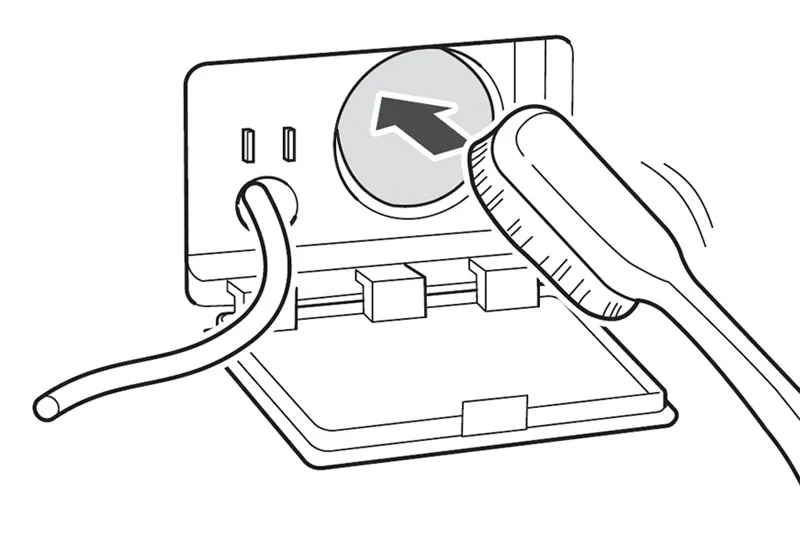
Forcing the filter cap when it’s stuck can break the plastic threads, which leads to permanent leaks. If the cap resists, stop immediately. Apply a light coating of food-grade silicone grease to the threads after cleaning them. Don’t use metal tools as leverage, as they will crack the housing instantly.
Ignoring the small drain tube and opening the filter directly often results in a flooded laundry floor. Always drain the residual water into a shallow baking pan first. If the tube is clogged, use a thin zip tie to clear the blockage before unscrewing the main assembly.
Using harsh chemicals to clear the drain hose can damage the rubber seals and internal pump parts. These components are designed for water and detergent, not caustic drain cleaners. If the hose remains obstructed after a physical clearing, replace the entire hose assembly rather than risking a chemical melt.
Running the machine with a known blockage causes the pump motor to overheat and eventually burn out. If you hear a grinding noise or the cycle stalls during the drain phase, kill the power immediately. A replacement pump costs significantly more than the time spent clearing a simple obstruction today.
Related guides
- Toilet Auger vs Drain Snake: Which Tool Clears Your Clog Best in 2026
- Best Enzyme Based Drain Cleaners: How to Clear Pipes Safely in 2026
- Catit Fountain Not Working: How to Clean the Pump and Fix Flow
Frequently asked questions
Can I fix this error without a professional?
Yes, you can fix this error yourself if the issue is a simple blockage in the filter or a kinked hose. Most drainage problems are caused by small items like coins or lint stuck in the filter, which is designed to be cleaned by the owner. If you have cleaned the filter and checked the hose but the error remains, the pump motor may be dead, which requires a technician to replace.
How long does it take for the washer to drain?
A standard LG washer usually completes the entire drain sequence in under 5 minutes. If the machine stays in the drain cycle for longer than this without the water level dropping, the control board will trigger the error code. If your machine is taking significantly longer than 5 minutes to empty, you should stop the cycle and check the filter for obstructions before the pump suffers damage.
Is it safe to run the washer with this code?
No, it isn’t safe to continue running the machine because a clogged pump can overheat and cause electrical damage to the washer. Continued operation with a blocked drain puts extra strain on the motor and can lead to water leaking into the machine’s internal components. Always clear the obstruction or address the mechanical failure before starting another load of laundry to protect your appliance.
Does it matter if I use too much detergent?
Yes, using too much soap causes excess suds that can trick the pressure sensor and block the pump. High-sudsing detergent creates a thick foam that doesn’t flow out of the drain hose as easily as water. If you see excess suds, run a “Rinse and Spin” cycle without any soap until the water clears, and reduce your detergent amount for all future loads.
Why is the pump making a loud humming noise?
The humming noise usually means the pump motor is receiving power but the impeller is stuck or broken. This often happens when a small item is lodged inside the pump housing, preventing the blades from turning. If you have cleared the filter and the pump still hums loudly without moving water, the pump motor is likely worn out and needs to be replaced by a qualified repair person.
What happens if the drain hose is too low?
If the drain hose is placed too low to the floor, it can cause water to siphon out of the drum continuously during the wash. This creates a constant drain state that makes the machine think it has a drainage problem. Ensure your drain hose is installed at the height specified in your manual to maintain proper pressure.
Conclusion
If these simple adjustments don’t get the water moving again, it’s time to reach out to a certified technician. Don’t let a lingering drainage issue lead to water damage in your home. They’ll have the right tools to inspect the internal components and get your laundry routine back on track quickly.
