
If your lg refrigerator water not cold, it’s usually because you recently installed the unit or you’re using the dispenser too often for the system to keep up. Most models need 24 hours to reach a steady state after installation or a significant change in settings. If it has been over a day, you should check your temperature settings, as the water reservoir sits inside the fridge compartment and relies on that air to cool.
Make your refrigerator water cold again
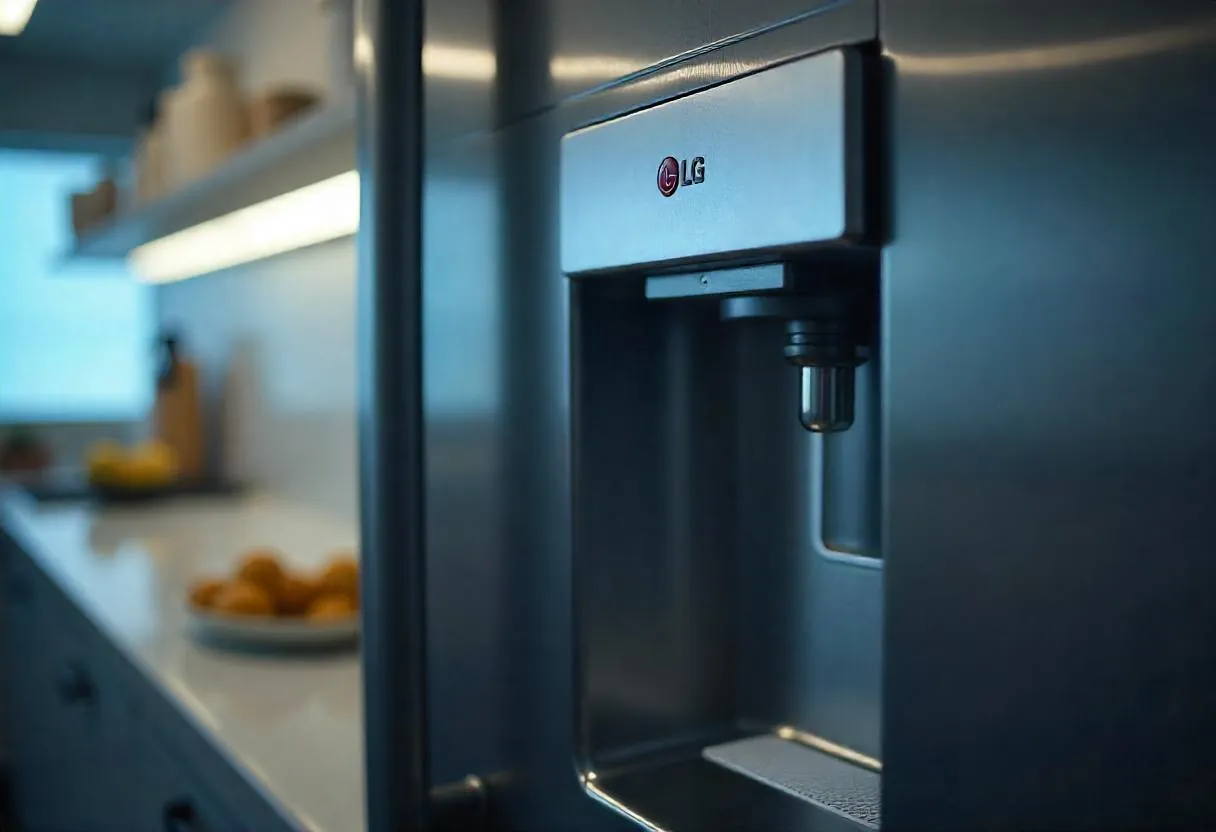
The primary reason for warm water is the physical location of the reservoir. Unlike dedicated water chillers, these refrigerators use a long length of plastic tubing coiled inside the fresh food compartment. This tubing acts as a heat exchanger. When you draw water, the cold water leaves the coil, and new, room-temperature water from your home supply enters the tubing. If you use a large amount of water at once, the system can’t chill the new volume instantly.
Most units hold only 12 to 16 ounces of chilled water in the coil at any time. If you dispense more than two glasses in quick succession, you’re essentially drinking the incoming supply line water before it has had time to cool.
Another factor is the air temperature inside your fridge. If you have recently stocked the shelves with many room-temperature items, the internal temperature will rise, which directly impacts the water temperature. The water reservoir isn’t a traditional tank but a coil of tubing that needs time to reach thermal equilibrium with the refrigerated air.
If your fridge is set to a warmer temperature, like 40°F instead of 37°F, your water will naturally be less cold. Check your display; if the temperature has drifted above 38°F, the coil loses its ability to pull heat away from the water effectively. To fix this, set your target temperature to 36°F and wait six hours before testing the output again.
Adjust your temperature settings
If your water is consistently warm, you should first verify that your refrigerator is set to the coldest recommended range. For most LG models, the ideal temperature for the fresh food section is 37°F. If you have the setting at 40°F or higher, the water in the tubing won’t reach the crisp temperature you expect. To adjust this, use the control panel on the door or inside the main cabinet to lower the temperature by one or two degrees.
Wait 24 hours after changing the setting before you judge the result. Cooling systems require this full cycle to stabilize the internal thermal mass of the water lines. If you have a digital display, verify that it shows the new target temperature. If the display shows the correct 37°F but the water remains warm, check that your fridge isn’t in “Demo” or “Store” mode, which disables cooling functions.
This mode keeps the lights on but disables the cooling compressor entirely. You can usually find the status of this mode in your owner’s manual under the troubleshooting section for display errors. If you see an “OFF” or “OF” code on the panel, the compressor is inactive. You must deactivate this setting to restore cooling.
Most users mistakenly assume a running fan means the unit is cooling.
Manage your water usage
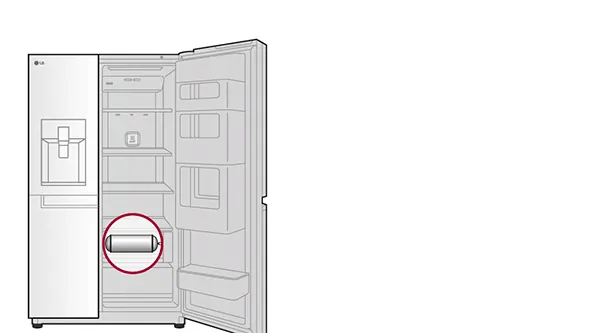
The most common mistake owners make is expecting unlimited chilled water from a small reservoir. Because the water is chilled in a coil of tubing rather than a large tank, the capacity is limited to about 16 to 24 ounces at a time. If you fill a large pitcher or several glasses in a row, you’re flushing out all the chilled water and replacing it with room-temperature water from your home pipes.
If you know you’ll need a large amount of cold water for a meal, fill a pitcher ahead of time and keep it in the main fridge area. This allows the system to recover slowly.
If you find the water is warm even after the first glass of the day, ensure your fridge door is sealing tightly. A loose gasket allows warm air to enter, which forces the compressor to work harder and raises the internal temperature of the cooling coils.
Check your seal by closing the door on a dollar bill. If you can pull the bill out without any resistance, the gasket is failing and must be replaced. A faulty seal can increase your energy bill while ruining your water temperature.
If the water remains tepid despite a tight seal, check your home’s main water supply line. If it runs near a hot water pipe or through an uninsulated wall, the intake temperature is already too high to cool effectively.
Check for airflow obstructions
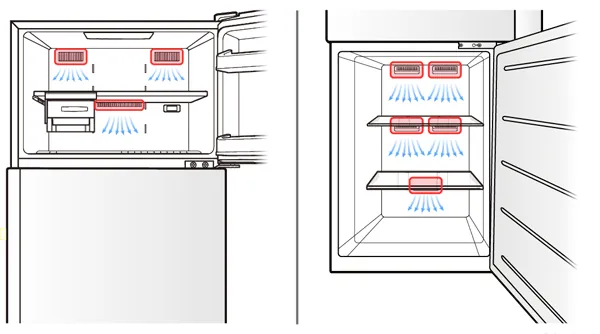
If the water is still not cold, your fridge might have poor internal circulation. The water tubing relies on the cool air circulating through the fresh food section to chill the water inside.
If your shelves are packed too tightly, or if items are blocking the air vents at the back of the fridge, the cold air can’t reach the tubing coil efficiently. This is especially true if you store large containers directly against the rear wall where the coils are often mounted.
Remove items that are pushed against the back wall and ensure at least two inches of space between your food and the vents. If you have a drawer that’s malfunctioning or sticking, it might be blocking the airflow to the reservoir area. You can test this by clearing the fridge of excess clutter for 24 hours to see if the water temperature improves. If it does, you know the issue was simply airflow, not a mechanical failure.
Avoid common mistakes
Don’t add ice to the water line. The ice maker is a separate system; adding ice to the water tubing won’t cool the water and can cause blockages or damage to the internal seals. If you notice a drop in pressure, check for ice buildup at the intake valve before calling for service.
Don’t set the fridge to the coldest possible setting. Setting your fridge below 33°F can cause food to freeze. Aim for 37°F to maintain food safety while keeping the compressor from cycling too frequently.
Don’t ignore the filter status. A clogged water filter can slow down the flow, but it doesn’t affect temperature; changing the filter won’t fix warm water issues. If your water remains warm after a filter change, the issue is likely a failing solenoid valve rather than a flow restriction.
Don’t bypass the water line. If you think the water is warm because of the pipes in your home, remember that the fridge coil is the final cooling point, so the source temperature matters less than the fridge’s efficiency. If the condenser coils are covered in dust, the unit will struggle to dissipate heat. Clean the condenser coils based on your usage and consult the owner’s manual for the recommended frequency.
How to stop it happening again
To keep your water cold, you must match your usage to the system’s capacity. The refrigerator is designed to maintain a stable environment, not to act as a high-speed water chiller.
| If you’re doing this | Do this instead | Why |
|---|---|---|
| Filling large pitchers | Use a separate water carafe | Prevents flushing the chilled coil |
| Packing shelves fully | Leave space near back vents | Ensures cold air hits the tubing |
| Changing settings hourly | Wait 24 hours per change | Allows the compressor to stabilize |
| Keeping door open | Close door quickly | Prevents warm air from entering |
Most users mistake a lukewarm glass for a mechanical failure. If the water runs warm after two consecutive glasses, your reservoir has simply hit its thermal limit. You’re drawing faster than the refrigerant can cycle.
If you host guests, fill a glass carafe and store it in the door shelf two hours before they arrive. This offloads the demand from the internal cooling coil. If the water remains warm even after sitting overnight, check your refrigerator’s internal thermostat. It should be set to 37 degrees Fahrenheit.
Setting it lower risks freezing your produce, but anything above 40 degrees allows bacteria to grow and prevents the water from reaching a crisp, refreshing temperature. Always prioritize airflow over storage volume.
Related guides
- Best Smart Water Bottles in 2026
- Best Refrigerator Under 1000 in 2026
- 10 Best Tents for Extreme Cold Weather in 2026
Frequently asked questions
Is it safe to drink warm water from the dispenser?
Yes, the water is safe to drink, though you should check your filter if the taste is unusual. Water temperature doesn’t affect safety, provided your supply is clean and your filter is current. If the water has an odd smell or taste, the issue is likely the filter or supply line rather than the cooling system.
How long does it take for water to get cold?
It takes about 24 hours for the water to reach a consistent, cold temperature after the initial installation or a major change in settings. The water sits in a long tube, and the entire fridge compartment must reach thermal equilibrium before the water inside the tube can match the set fridge temperature. If you have just installed the fridge, don’t expect cold water until the next day.
Can a bad water filter make the water warm?
No, a bad water filter can’t make the water warm, as it only affects the flow rate and the filtration quality. If your water flow is slow, the filter may be clogged and need replacement, but this won’t change the heat of the water. Focus on your fridge temperature settings and internal airflow if the water isn’t cold enough for your preference.
Why is the first glass warm but the second one cold?
The first glass is warm because the water sitting in the tube inside the fridge door or cabinet has reached room temperature over time. The second glass is colder because you’re drawing water that has been sitting in the coiled tubing inside the fridge compartment for a longer period. This is normal behavior for most refrigerator water dispensers that use a tubing-based cooling system.
Does the fridge temperature setting control the water temperature?
Yes, the refrigerator temperature setting directly controls how cold the water gets, as the water tubing is located inside the refrigerated compartment. If you set your fridge to 37°F, the water in the coils will eventually match that temperature. You can’t set the water temperature independently of the fridge temperature. If you want colder water, you must lower the overall temperature of the fresh food section.
Conclusion
If these simple adjustments don’t improve your water temperature, there might be a deeper issue with the cooling system or the internal reservoir. Don’t hesitate to reach out to a professional technician for a quick inspection. They’ll help you get things running perfectly so you can enjoy a refreshing glass again.
