
A standard toothbrush holder is often better for most people because it allows your brush to air-dry, while uv sanitizing vs standard toothbrush holder comparisons show that keeping a brush dry is the most effective way to stop bacteria growth. You should only use a UV device if you live in a high-humidity area or have a weakened immune system where extra sanitation is recommended by your doctor.
Comparing toothbrush storage methods
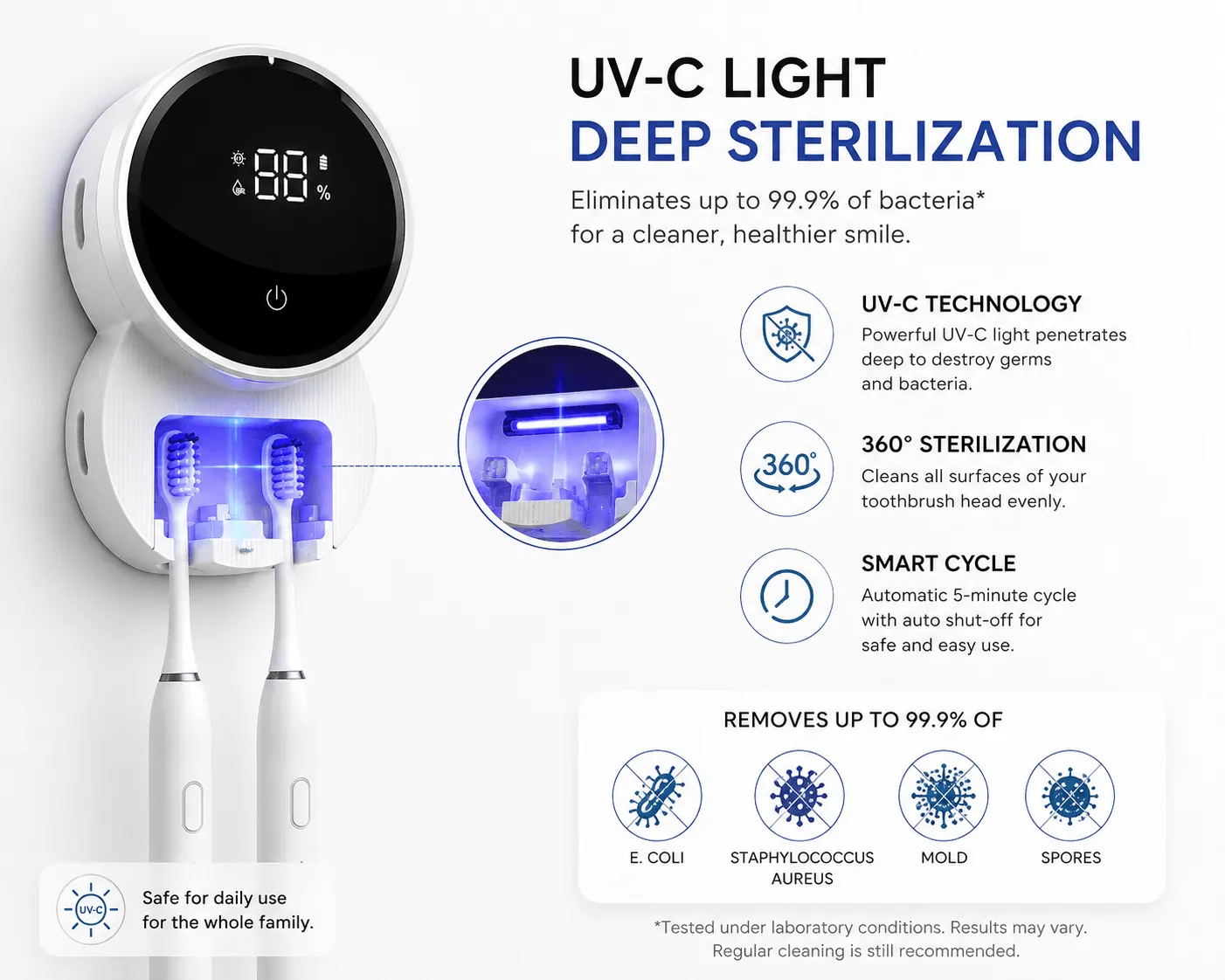
Choosing how to store your toothbrush depends on your bathroom environment and how much time you want to spend on maintenance. While UV light can kill germs, a clean, dry environment is usually enough to keep your brush safe for daily use.
| Method | How long | Effort | Cost | Best for |
|---|---|---|---|---|
| Open holder | Instant | Low | Low | Daily use |
| UV case | 3–10 mins | Medium | High | Travel/Humid areas |
| Sealed cover | Instant | Low | Low | Keeping dust off |
If you have a large family, an open holder is better because it allows airflow for every brush. If you travel often, a UV case is a better choice because it protects the bristles from luggage germs.
Most people make the mistake of storing their brush in a closed cabinet or drawer. This creates a dark, damp microclimate that encourages mold growth. If your bathroom lacks a window or a strong ventilation fan, move your brush to a bedroom or hallway vanity to ensure it dries completely between uses.
Immediately switch to a wall-mounted holder that keeps the head upright and away from the wall. This simple change prevents water from pooling at the neck of the brush, which is where bacteria colonies thrive.
Using a standard open holder
An open holder is the most reliable way to store a brush because it keeps the bristles dry between uses. Bacteria need moisture to survive and multiply, so constant airflow acts as your primary defense against microbial growth.
Rinse your toothbrush thoroughly under high-pressure tap water after every use to dislodge trapped food debris and residual toothpaste. Shake the brush firmly over the sink to remove excess water before placing it in the holder. If you skip this step, moisture pools at the base of the bristles, creating a breeding ground for mold.
Store the brush upright in a position that allows air to circulate around the entire head. Ensure it dries completely before your next brushing session. Clean the holder itself once every week using warm water and mild soap to remove the slimy buildup that collects at the bottom.
This method works because it’s simple and requires zero financial investment. However, your brush remains exposed to the bathroom environment. If your holder sits within three feet of the toilet, relocate it immediately. Airborne particles from flushing can settle on the bristles, posing a hygiene risk that no amount of rinsing can fix.
If you can’t move the holder, keep the toilet lid closed during every flush. This small habit prevents aerosolized bacteria from landing on your brush, ensuring your open-air storage remains a sanitary choice rather than a potential health hazard.
Using a UV sanitizing device
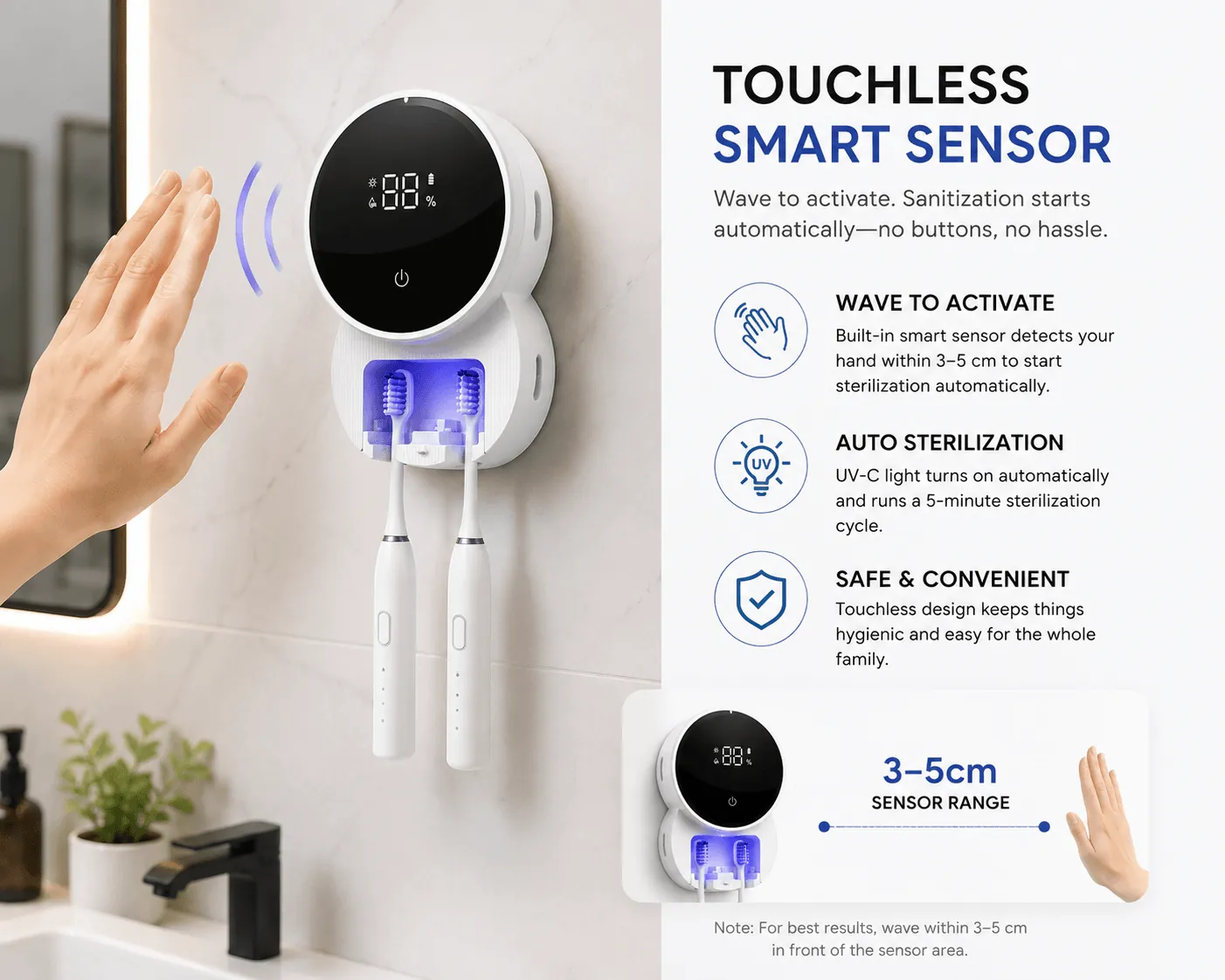
A UV sanitizer uses ultraviolet light to destroy the DNA of microorganisms on your toothbrush bristles. These devices are helpful if your bathroom lacks ventilation or if you’re prone to infections.
Shake all water off your brush before insertion, as the light can’t reach areas hidden by water droplets.
Place the head of the brush inside the device and close the lid securely. Activate the light cycle, which usually runs for 3 to 10 minutes depending on the model.
Leave the brush inside until you need it again, provided the device has a built-in fan to ensure drying. If your unit lacks a fan, remove the brush immediately after the cycle ends. Leaving a damp brush in a dark, enclosed space without airflow creates a breeding ground for mold, which is far more dangerous than the bacteria you intended to kill.
These devices are great for keeping your toothbrush clean, but they aren’t a replacement for basic hygiene. The primary weakness is that these units require batteries or a power cord. They fail if the bristles remain wet during the cycle, so always prioritize a dry environment for your brush.
Natural drying and storage
Natural drying is the gold standard for hygiene because it removes the environment where bacteria thrive. Most dental professionals agree that the American Dental Association guidelines for toothbrush care recommend keeping your brush in an upright position and allowing it to air-dry.
Keep your brush at least 2 feet away from the toilet to avoid aerosol spray. If your bathroom layout makes this distance impossible, store your brush inside a closed medicine cabinet rather than on the open counter.
Ensure your holder has holes at the bottom to prevent water from pooling. If you use a solid cup, moisture collects at the base and creates a breeding ground for mold. Drill small drainage holes or switch to a wire rack design to ensure constant airflow.
Never share your holder with other family members to prevent cross-contamination. When bristles touch, bacteria migrate between brushes, effectively undoing your cleaning efforts.
Replace your toothbrush every 3 to 4 months, or sooner if the bristles look worn. If you have been sick, replace the brush immediately after you recover to avoid reinfection.
This approach is best for those who want a low-cost, effective solution. If your bathroom is very small or stays damp, you must ensure you open a window or run a fan to help the moisture escape.
Choosing between UV sanitizing and standard toothbrush holders
You should choose your storage method based on your specific living situation. If you’re in a hurry, an open holder is the best choice because it requires no extra steps or power sources.
For those doing this for the first time, start with a simple open-air holder. It’s cheap, easy to clean, and avoids the technical failures common with electronic devices. If you want the best possible result regardless of the effort required, a UV sanitizer used in combination with an open-air drying period provides the highest level of protection.
The trade-off is clear: you can either rely on simple airflow, which is free and easy, or use technology, which costs more and requires consistent maintenance. If you choose a powered device, you must remember to change the batteries or check the bulb, or it becomes just an expensive, dark box that traps moisture.
Keeping your toothbrush safe
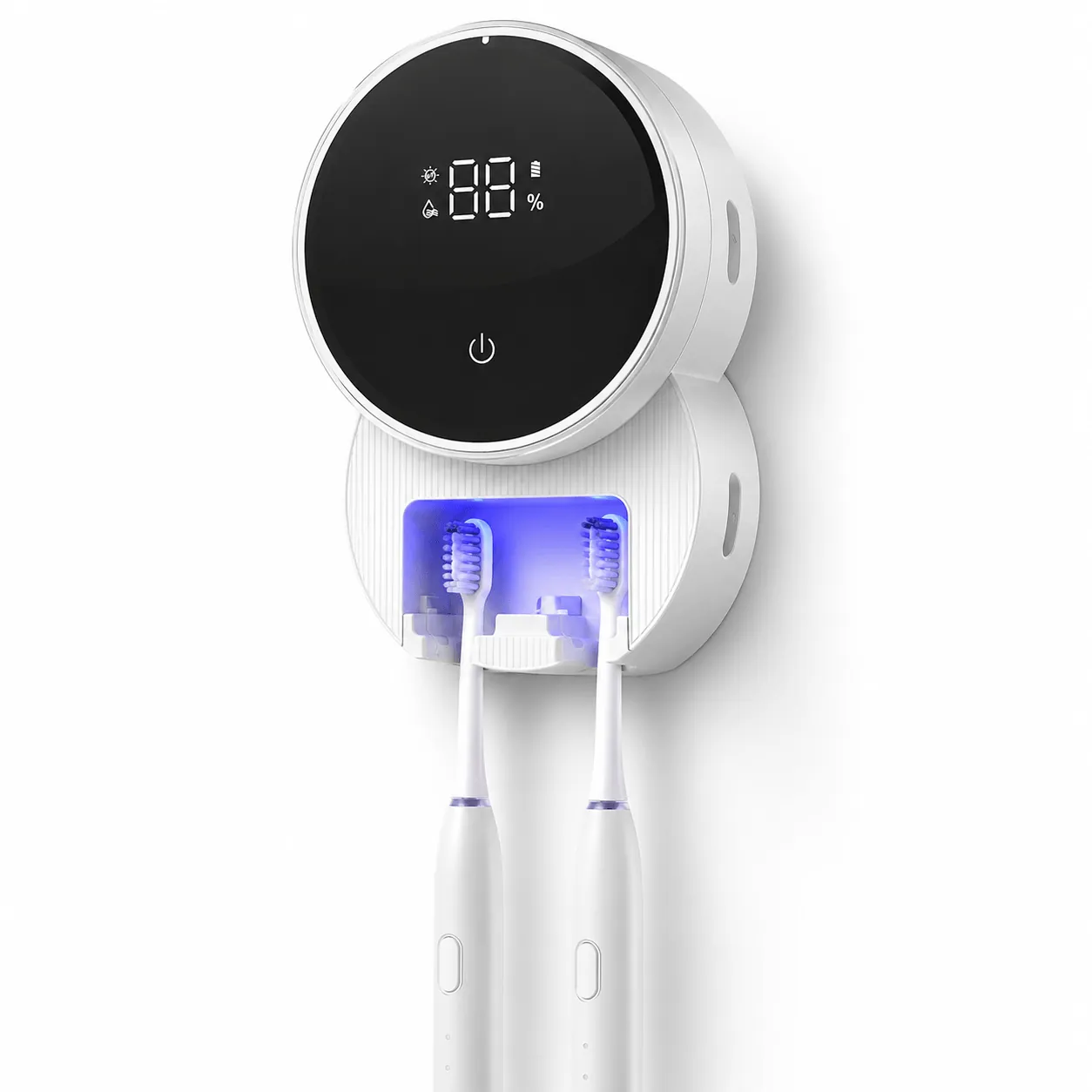
Regardless of the holder you choose, the rules for toothbrush safety remain the same. You must prioritize dryness above all else, as a wet brush is a magnet for bacteria.
If you use a closed container, you risk creating a breeding ground for mold. Always check that your storage solution allows for air circulation. If you notice a bad smell coming from your brush or the holder, replace the brush immediately and scrub the holder with a disinfectant.
Most people make the mistake of storing their brush within three feet of the toilet. When you flush, aerosolized particles can travel through the air and land on your bristles. If your bathroom layout prevents a three-foot buffer, keep the toilet lid closed during every flush to minimize the spread of airborne contaminants.
If you have a compromised immune system, consult your doctor about whether a UV sanitizer is necessary for your specific health needs. These devices don’t replace the need for regular brush replacement, and they can be dangerous if the bulb is broken or the light leaks out. Always follow the manufacturer’s safety manual for your specific model to avoid eye exposure to UV light.
If your brush bristles are frayed or splayed, the surface area for bacterial growth increases significantly. Replace your brush every three months regardless of how clean it looks. If you have recently recovered from a cold or flu, replace your brush immediately to avoid reintroducing pathogens into your mouth.
Related guides
- Toilet Chair vs Standard Height: Which One Is Best for You in 2026
- Best Foosball Tables Standard Size: Top 5 Picks in 2026
- Mini Pebble vs Pebble Tec: Which Pool Finish Wins in 2026
Frequently asked questions
Can a UV sanitizer kill all bacteria on my brush?
No, while these devices kill many common bacteria, they can’t reach every part of the bristles if the brush is wet or cluttered. You should always wash your brush with water first to remove debris. If the brush isn’t dry, the light can’t disinfect the hidden surfaces, meaning some germs may survive the cycle.
How often should I clean my toothbrush holder?
You should clean your holder at least once every week using warm water and mild soap. If you notice any slime or buildup at the bottom, clean it immediately. A dirty holder is a common source of germs, and failing to clean it often can lead to your brush becoming dirtier than before you cleaned it.
Is it safe to store my toothbrush in a drawer?
No, storing a wet toothbrush in a closed drawer is a mistake because it traps moisture and prevents air circulation. This creates a dark, damp environment where mold and bacteria grow quickly. If you must store it in a drawer, wait until the brush is completely dry, which can take several hours depending on your bathroom’s humidity levels.
How long does a UV toothbrush sanitizer last?
Most devices have a limited operational lifespan, but the bulb or the battery life will vary by manufacturer. You should check the manual for your specific model to see how long the light source is rated to last. If the light stops turning on, the device is no longer sanitizing and should be replaced or repaired.
Why does my toothbrush smell bad after storage?
Your toothbrush smells bad because moisture is trapped in the bristles, which allows bacteria to multiply. This happens if you use a closed cap or a holder without holes. To fix this, switch to an open-air holder and ensure your bathroom is well-ventilated so the brush can dry completely between uses.
Does a standard holder provide enough protection?
Yes, an open-air holder is enough for most people as long as it’s kept away from the toilet. The most important factor is letting the brush dry, not the type of holder you use. If you keep it dry and clean, you don’t need extra sanitizing technology to keep your mouth healthy.
Conclusion
Ultimately, keeping your bathroom counter clean and your brush upright is the best path forward. Don’t worry about fancy gadgets unless your health truly requires them. You’ll find that a simple, well-ventilated cup works perfectly fine. Just make sure to replace your brush every few months, and you’re good to go.