
You can resolve most polaris quattro p40 problems by checking the intake throat for large debris and ensuring your booster pump is delivering the correct water pressure. These cleaners often stop moving or lose suction when the internal filter canister is blocked or the tires lose their grip on the pool surface. Most users find that clearing the intake and rinsing the filter bag restores movement in minutes. If the unit still struggles to climb, the issue usually involves worn tires or a clogged debris intake valve.
Polaris Quattro movement problems
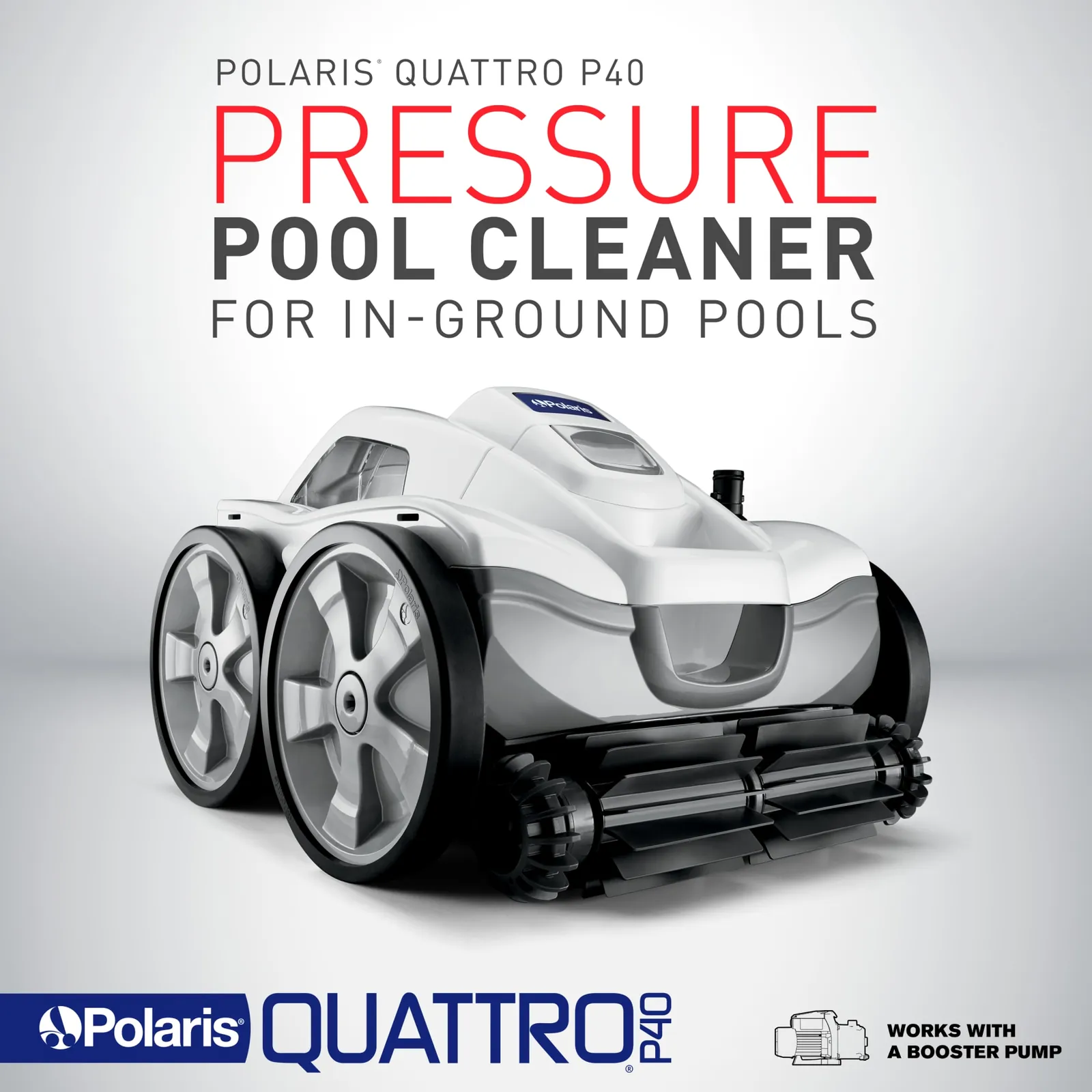
The primary reason for a stalled cleaner is a lack of sufficient water flow through the pressure line. This model relies on a dedicated booster pump to create the venturi effect needed to pull debris into the canister. If your pump isn’t running at full capacity, or if there’s a leak in the hose connections, the cleaner will lack the force to drive its wheels or maintain suction against the pool floor.
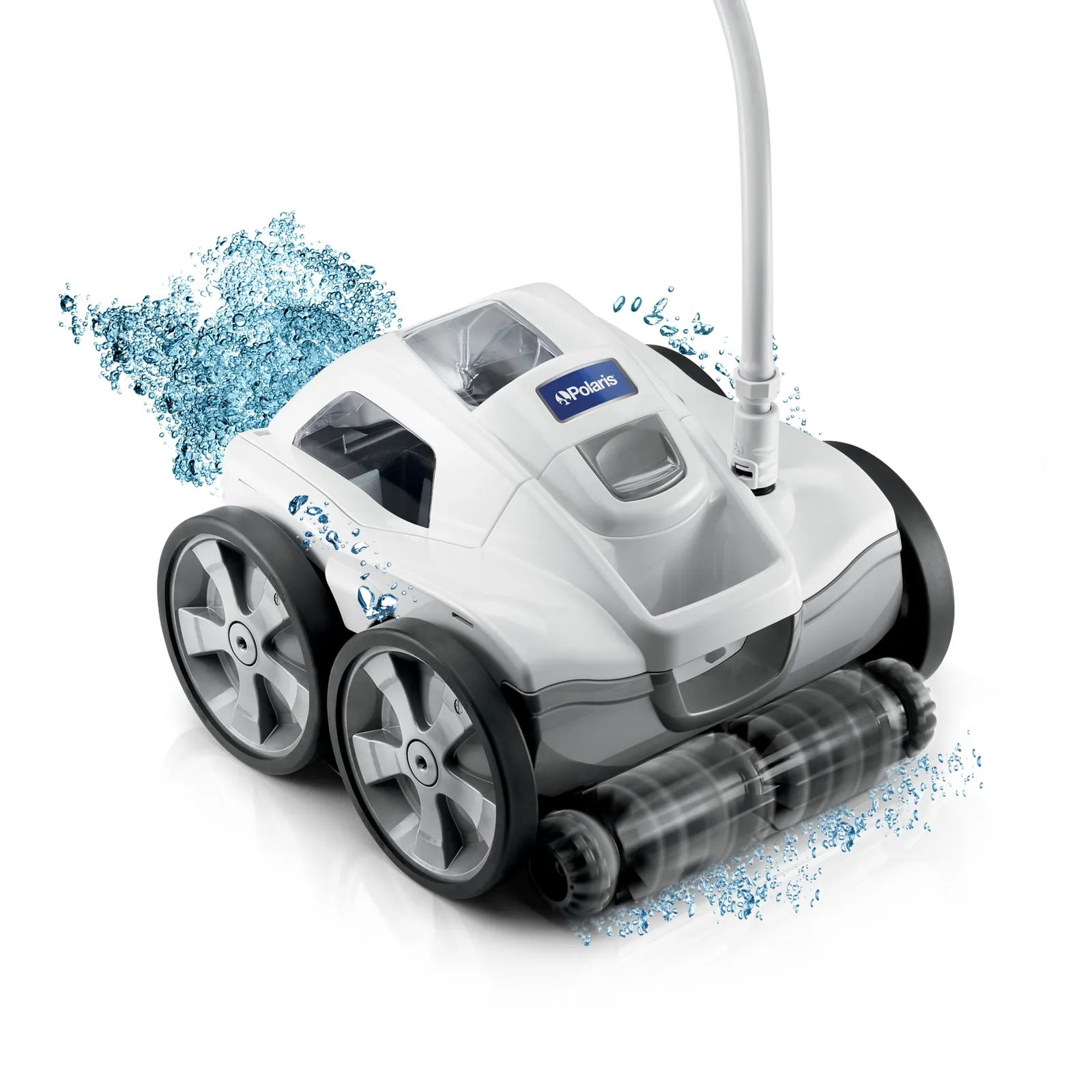
Another common cause is debris buildup inside the intake throat. Large leaves or sticks can easily lodge in the narrow opening, blocking the flow of water and preventing the vacuum from picking up dirt. If the intake is clear but the unit still moves sluggishly, the internal gears might be jammed with small pebbles or sand. You should inspect the wheels for any grit that could be grinding against the chassis.
Finally, the tires themselves play a critical role in movement. Over time, the rubber treads wear down, causing the unit to slip on smooth pool surfaces like fiberglass or tile. If the cleaner is moving but not climbing the walls, the tires have likely lost their friction.
Clear the debris intake
If your cleaner isn’t picking up dirt, the first step is to inspect the intake throat for obstructions. Turn off the booster pump entirely before you reach into the water to avoid any risk of injury from the moving parts. Flip the unit over and look directly into the bottom intake opening. You should use a pair of long-handled pliers to pull out any twigs, large leaves, or plastic items that are stuck inside.
Don’t force your fingers into the intake if you can’t see what is blocking it. If the blockage is deep inside the internal housing, you must remove the filter canister to gain better access. Once the canister is out, look through the throat toward the top of the unit. If you see a hard object wedged against the internal flap, gently nudge it out from the other side.
After removing the debris, reattach the filter canister and ensure it clicks firmly into place. If the canister is loose, water will bypass the filter, and the unit will lose suction. Once you turn the pump back on, the cleaner should immediately begin to draw water through the intake again. If it fails to do so, check the wall connection where the pressure hose meets the pool wall fitting for any signs of water spray or air bubbles.
Check the booster pump pressure
The cleaner requires a specific amount of water pressure to function. If you have recently changed your pool filter or adjusted your pool plumbing, the pressure reaching the booster pump may have shifted. You can verify this by checking the pressure gauge on your main pool filter system while the booster pump is running. If the reading is significantly lower than the manufacturer’s recommended range for your specific pump model, the cleaner won’t have enough power to move.
To adjust the pressure, look for the pressure relief valve on your wall fitting. If the valve is fully open, the cleaner is losing too much pressure before it even enters the hose. Try turning the adjustment knob slightly to restrict the flow. If the unit starts to move faster, you have found the right balance.
If you’re unsure about the electrical safety of your pump or if you suspect an internal motor fault, stop and contact a licensed pool technician. Never attempt to open the booster pump motor housing yourself, as this can void your warranty and poses a significant shock risk.
Replace worn tires and tracks
When the cleaner moves across the floor but slips on the walls, the rubber tires are usually the culprit. Check the treads for smooth spots or tears. If the surface of the tires feels hard or brittle to the touch, they no longer have the grip needed to climb the pool walls. Replacing these is a simple task that requires no special tools, but you must choose the right tire type for your pool surface.
If you have a concrete or gunite pool, use standard rubber tires. If you have a smooth surface like vinyl or tile, use high-traction tires that are softer and provide more grip. To install them, pull the old tires off the wheel rims and stretch the new ones over the plastic hubs.
Ensure the new tires are seated evenly in the grooves of the wheels. If they’re slightly off-center, the cleaner will vibrate or move in a circle instead of a straight line. Always replace all four tires at the same time to ensure even traction and consistent movement across the pool floor.
Common mistakes that cause damage
Running the cleaner with a full canister restricts water flow, which strains the internal turbine and forces the booster pump to work much harder. If your pump begins to hum at a higher pitch than usual, empty the canister immediately to prevent motor burnout.
Using the cleaner in a pool with high chemical levels dries out rubber tires and plastic seals, leading to premature cracking. If your chlorine levels exceed 5.0 ppm, pull the unit out. You can tell if the damage has started by checking for a chalky residue on the tires.
Ignoring a leaking hose connection reduces venturi suction, making it impossible to pick up anything but the lightest dust. If you see bubbles at the wall fitting, tighten the collar. Failing to do this forces the pump to cycle air, which can cavitate the impeller.
Forcing the unit to climb out of the water puts stress on drive gears and snaps the casing. Always lift from the pool floor using the handle. Dragging the unit across a rough deck causes micro-cracks that eventually lead to structural failure.
Leaving the cleaner in during shock treatment discolors the shell and degrades internal valves. Remove the unit until the water clears, as concentrated chemicals will eat through plastic seals within hours.
Maintaining your cleaner for the future
The best way to prevent future issues is to follow a consistent maintenance schedule. Compare your current habits with the recommended care steps below to ensure the unit stays in top condition.
| If you’re doing this | Do this instead | Why |
|---|---|---|
| Emptying the bag once a week | Empty it after every cleaning cycle | Prevents debris from reducing suction |
| Leaving the unit in the pool | Remove it when not in use | Protects plastic from sun and chemicals |
| Scrubbing with harsh brushes | Use a soft cloth and water | Prevents surface scratches on the casing |
| Ignoring hose twists | Straighten the hoses regularly | Prevents the unit from getting stuck in corners |
| Waiting for parts to break | Inspect tires and seals monthly | Prevents sudden loss of wall-climbing ability |
If your pool water consistently registers a pH level below 7.2, remove the cleaner immediately after each cycle. Acidic water accelerates the degradation of internal seals and plastic housing, significantly shortening the unit’s lifespan.
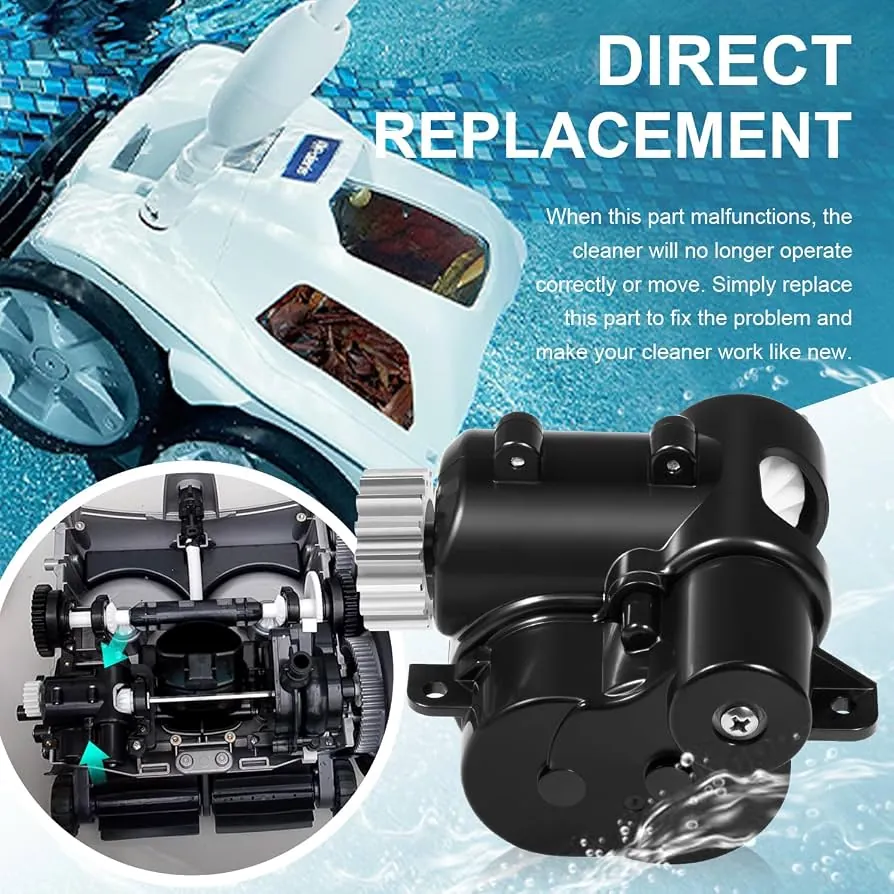
Many owners mistakenly leave the cleaner submerged to avoid the effort of retrieval. This habit leads to mineral buildup on the drive gears, which eventually causes the motor to strain and overheat. If you notice the cleaner moving sluggishly or making a high-pitched whine, check the gear assembly for white calcium deposits.
This simple step keeps the rubber pliable and prevents the cracking that occurs during seasonal storage. If the unit begins to veer sharply to one side, inspect the internal impeller for hair or string. Removing this debris restores the necessary water flow for proper navigation.
Frequently asked questions
Can I run the cleaner while people are swimming?
No, you should always remove the cleaner from the pool before anyone enters the water. The hose and unit create tripping hazards and potential suction injuries. Always schedule cleaning cycles for times when the pool isn’t in use.
How long do the tires usually last?
Tires typically last between 6 to 12 months, depending on usage frequency and pool surface texture. Rough surfaces like plaster wear down rubber faster than smooth vinyl. Check for flattened ribs or hardened rubber to determine if replacement is necessary.
Is it safe to use a generic booster pump?
No, you should only use a booster pump that’s compatible with the specific pressure requirements of this cleaner model. Using an underpowered pump will result in poor suction, while an overpowered pump can force water through the seals and damage the internal gearbox. Always check the manufacturer’s manual for your specific pump model to ensure the output pressure matches the requirements listed for the cleaner.
What happens if the hose gets tangled?
If the hose becomes tangled, the cleaner will lose its movement pattern and get stuck. This usually occurs if the hose wasn’t laid flat in the sun before its initial use. Disconnect and straighten the hose on a flat surface to relax the plastic.
Why is the cleaner clicking while it moves?
The clicking sound usually means there’s a small piece of grit or a pebble caught in the drive gears or the turbine. Turn off the pump and check the wheel wells and the turbine area for any trapped debris. If the clicking continues after you have cleared all visible obstructions, there may be internal damage to the gear teeth, and you should contact a professional for a deeper inspection.
Conclusion
If your cleaner doesn’t return to its usual pace after these quick checks, it’s time to inspect the drive train for tangled hair or grit. Don’t let a small blockage ruin your swim time; reaching out to a local technician can help you get back to a sparkling pool without the headache.
