
Finding that your KitchenAid dishwasher not spraying water is a frustrating experience, especially when you’re left with a load of dirty dishes after a full cycle. This issue typically stems from a breakdown in the water circulation system, which includes the pump, the motor, or the spray arms. While modern appliances are complex, many of the components responsible for water flow are accessible to the average homeowner. Whether the problem is a simple obstruction or a mechanical failure, identifying the root cause is the first step toward restoring your kitchen to full functionality.
Key Takeaways
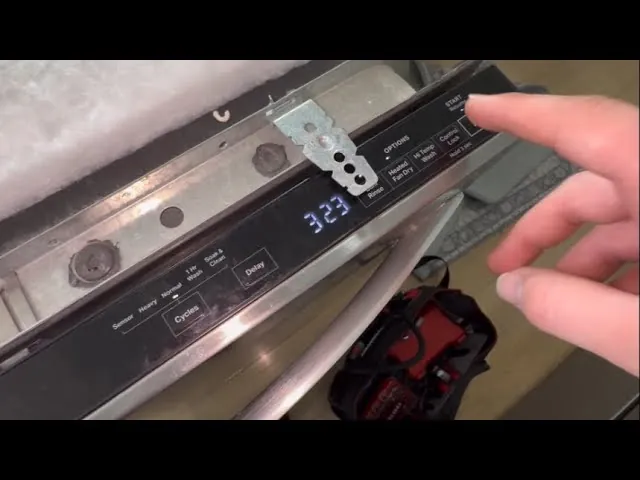
- Check for physical obstructions in the spray arm nozzles that might be blocking water flow.
- Ensure the water supply line isn’t kinked or shut off, as this prevents the pump from priming.
- Inspect the pump filter for food debris or mineral buildup that restricts water intake.
- Verify that the circulation motor is receiving power before assuming it has failed completely.
- Use a multimeter to test the continuity of the pump motor if it hums but doesn’t spin.
Why Is There No Water Flow?
When water fails to reach the dishes, the primary culprit is often a lack of pressure or a complete blockage. The dishwasher relies on a circulation pump to pull water from the basin and force it through the spray arms.
If this process is interrupted, the water stays at the bottom of the tub or doesn’t enter the system at all. Common causes include clogged spray arms, a failing circulation pump, or an issue with the float switch that governs water levels.
How to Check Spray Arms
The spray arms are the most likely point of failure because they’re constantly exposed to food particles. If the holes in the arms are blocked, the water pressure will drop significantly, leading to poor cleaning performance. To inspect them, remove the bottom rack and unscrew the lower spray arm. Check the small ports for bits of glass, plastic, or hardened food. You can use a toothpick or a small piece of wire to clear these openings.
| Component | Common Issue | Action Required |
|---|---|---|
| Lower Spray Arm | Food debris blockage | Clear holes with a toothpick |
| Upper Spray Arm | Mineral deposits | Soak in white vinegar |
| Feed Tube | Gasket failure | Replace the rubber seal |
| Pump Filter | Large food particles | Remove and scrub with a brush |
Inspecting the Pump and Motor
The circulation motor is the heart of your dishwasher. If you hear a humming sound but the water doesn’t spray, the motor might be seized or the impeller might be broken. The impeller is the plastic fan that pushes water into the spray arms.
If it’s cracked or has a broken blade, it can’t maintain the pressure required to circulate water throughout the appliance. You should access the pump assembly from the bottom of the unit to inspect these parts for physical damage or debris.
Is the Filter Obstructed?
A dirty filter is a silent killer for dishwasher performance. When the filter screen becomes coated with grease and debris, the pump can’t draw enough water into the circulation loop. This leads to a scenario where the dishwasher sounds like it’s running, but the internal water pressure is insufficient to rotate the spray arms. Regularly cleaning the filter according to the KitchenAid dishwasher manual will prevent this buildup and ensure that water flows freely through the system.
Troubleshooting the Float Switch
The float switch is a safety device that prevents the dishwasher from overfilling. If the float gets stuck in the “up” position, the machine will think it’s already full of water and will refuse to allow more in. Conversely, if the switch is faulty, it may prevent the pump from engaging entirely. Check the plastic float located at the bottom of the tub. It should move up and down freely. If it feels stuck due to grime, clean it thoroughly.
Why the Pump Hums
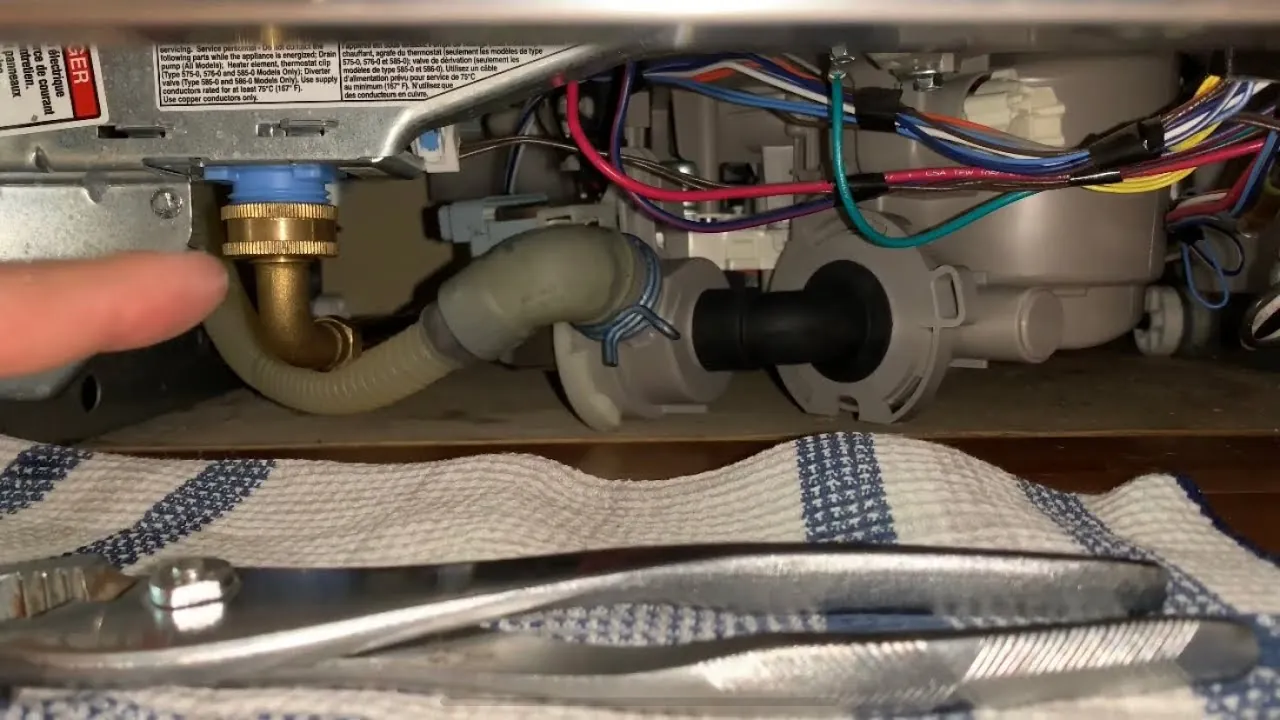
If the motor hums but the spray arms remain stationary, you’re likely dealing with a seized impeller or a failed start capacitor. A seized impeller is often caused by a small object, such as a toothpick or a shard of glass, wedging itself into the pump housing.
If the impeller is clear, the motor itself may have suffered an electrical failure. In such cases, you’ll need to test the motor for continuity using a multimeter to confirm if it needs a full replacement.
Addressing Water Inlet Issues
Even if the internal circulation system is perfect, the dishwasher can’t spray what it doesn’t have. Ensure that your home’s water supply valve is fully open and that the inlet hose isn’t bent or kinked behind the unit. You can verify this by checking the water level in the tub after the fill cycle completes. If the bottom of the tub is dry, the issue lies with the water inlet valve rather than the spray mechanism.
Evaluating Electrical Components
Sometimes, the control board fails to send the necessary signal to the circulation pump. If you have ruled out mechanical blockages and the pump isn’t receiving power, the issue may be electronic. Check the wiring harness leading to the motor for signs of burning or loose connections. If the wiring is intact, the control board might require a reset or professional diagnostic service. Always turn off the power at the circuit breaker before poking around electrical wiring.
Maintenance and Cleaning Tips
Preventing future issues with your dishwasher is largely a matter of routine maintenance. Hard water deposits can accumulate in the spray arms and pump over time, creating blockages that reduce water pressure. Running a monthly cycle with a dishwasher cleaner or a cup of white vinegar can help dissolve these mineral deposits. Additionally, scraping large food scraps off your plates before loading them will significantly extend the life of your filter and pump.
| Maintenance Task | Frequency | Benefits |
|---|---|---|
| Filter Cleaning | Monthly | Prevents pump strain |
| Spray Arm Inspection | Quarterly | Ensures even water distribution |
| Tub Descaling | Bi-annually | Removes mineral buildup |
| Seal Inspection | Annually | Prevents water leaks |
When to Call a Pro
While DIY repairs are often successful, some situations require a professional technician. If you have replaced the pump and the motor still fails to engage, or if you suspect a faulty control board, it’s safer to call a service expert. Electrical repairs on appliances carry risks of shock or further damage if not handled correctly. Professionals have specialized tools to diagnose complex control board errors that aren’t visible to the naked eye.
Safety First Principles
Warning: Always disconnect the electrical power supply to the dishwasher before attempting any internal repairs. This is non-negotiable, as the combination of water and electricity in a confined space poses a serious risk of injury. Additionally, wear protective gloves when cleaning the filter or clearing the spray arms, as broken glass or sharp plastic debris often collects in these areas and can easily cause cuts.
Troubleshooting Logic Table
| Symptom | Primary Cause | Secondary Cause |
|---|---|---|
| Low or no water spray | Clogged spray arms | Failing circulation pump |
| Motor humming but no flow | Seized impeller | Failed start capacitor |
| No water in tub | Water inlet valve | Stuck float switch |
| Poor cleaning results | Dirty filter | Mineral buildup |
Related guides
Frequently Asked Questions
Can I fix a dishwasher that won’t spray myself?
Yes, many issues causing a dishwasher to stop spraying are simple to address. You can often clear clogged spray arm nozzles, clean a obstructed filter, or free a stuck float switch without special tools. However, if the circulation pump motor has failed or the control board is faulty, you may need basic electrical testing skills or professional assistance to complete the repair safely and effectively.
How do I know if my pump is bad?
If your dishwasher is running but you hear a loud grinding noise or no sound at all from the motor, the pump may be failing. A humming motor that doesn’t result in water movement often indicates a seized impeller. You can test the motor for electrical continuity using a multimeter; if there’s no continuity, the motor windings are likely burned out and require a replacement.
Should I replace the spray arms or clean them?
In most cases, cleaning the spray arms is sufficient. Use a toothpick or a thin piece of wire to push debris out of the nozzles. You should only replace the spray arms if they’re physically cracked, warped from heat, or if the plastic mounting hub is stripped. Replacement is inexpensive, so if cleaning doesn’t restore full water pressure, installing a new set is a logical next step.
How often should I clean the filter?
You should aim to clean your dishwasher filter at least once a month. If you have a large family or frequently wash dishes with heavy food residue, cleaning it every two weeks is recommended. A clean filter prevents food particles from entering the pump housing, which protects the impeller and ensures that the water remains clean enough to be recycled through the spray arms efficiently.
Why is there no water entering the dishwasher?
If the tub remains dry after the fill cycle, the problem is usually the water inlet valve or a kinked supply line. Check that the water shut-off valve under your sink is fully open. If it is, the inlet valve might be clogged or electrically dead. These valves are relatively inexpensive and can be replaced if they fail to open when the machine calls for water.
Conclusion
To get your KitchenAid dishwasher back in working order, start by inspecting the spray arms for physical blockages and cleaning the bottom filter. If the water flow remains absent, test the circulation motor for continuity and ensure the water inlet valve is functioning correctly. If these steps don’t resolve the issue, consult the manufacturer’s diagnostic guide for your specific model to determine if a component replacement is necessary.
