
When your kitchen sink refuses to drain or your shower begins to pool, the immediate panic often leads to an urgent trip to the hardware store. Homeowners are frequently torn between the convenience of chemical drain cleaners and the direct approach of mechanical tools when navigating the choice of chemical vs mechanical drain cleaning for their plumbing systems. Understanding the differences is vital because the wrong choice can lead to permanent pipe damage or expensive emergency repairs. Whether you’re dealing with a slow-moving drain or a complete blockage, knowing how to clear the obstruction safely will save you time and money.
Key Takeaways
- Chemical cleaners are best for minor, organic clogs but can damage older metal pipes.
- Mechanical tools like drain snakes are safer for your pipes and more effective for stubborn, physical obstructions.
- Always wear protective gear, including gloves and eyewear, when handling caustic drain chemicals.
- Avoid mixing different types of drain cleaners, as this can cause dangerous chemical reactions.
- Prevent future clogs by installing drain hair catchers and avoiding pouring grease down the kitchen sink.
Choosing Between Chemical and Mechanical Methods
The decision between these two approaches depends largely on the severity of the clog and the age of your plumbing infrastructure. Chemical solutions rely on exothermic reactions or oxidative processes to dissolve organic matter, such as hair, soap scum, and food particles. Mechanical solutions rely on physical force to break apart the clog or pull it out of the pipe entirely.
| Method | Best Use Case | Primary Risk |
|---|---|---|
| Chemical | Minor organic clogs | Pipe corrosion |
| Mechanical | Stubborn, physical clogs | Pipe scratching |
| Enzyme | Ongoing maintenance | Slow reaction time |
Understanding Chemical Drain Cleaners
Chemical drain cleaners are typically formulated as acids or bases. These products work by donating or accepting electrons to break down the molecular structure of the clog. While they provide a “pour-and-wait” convenience, they aren’t a universal fix. If the blockage is caused by a toy, a large piece of jewelry, or an accumulation of mineral deposits, no amount of liquid chemical will resolve the issue.
Types of Chemical Cleaners
- Caustic Cleaners: These usually contain sodium hydroxide (lye). They’re highly effective at turning grease and fats into a soap-like substance that can be washed away.
- Oxidizing Cleaners: These contain bleach or nitrates. They work by stripping electrons from organic matter, causing the clog to lose its structure and dissolve.
- Acidic Cleaners: These are often professional-grade products containing sulfuric acid. These are highly dangerous and can melt through PVC pipes if used improperly.
Chemical safety is paramount. According to the United States Environmental Protection Agency guidelines for household chemical management, you must always ensure adequate ventilation when using these products, as they can release toxic fumes that cause respiratory irritation or chemical burns.
When to Use Mechanical Drain Cleaning
Mechanical tools are the preferred choice for most professional plumbers because they don’t rely on harsh chemical reactions. These tools physically engage with the obstruction, either by breaking it into smaller pieces or by hooking onto the debris to extract it from the pipe. This approach is significantly safer for the environment and for your pipe joints, which can be weakened by repeated exposure to corrosive chemicals.
Essential Mechanical Tools
- Drain Snakes (Augers): A long, flexible metal cable with a corkscrew or brush tip. This is the gold standard for manual clog removal.
- Plungers: A simple, reliable tool that uses air pressure and suction to dislodge blockages near the drain opening.
- Drain Bladders: A rubber device attached to a hose that expands inside the pipe to push water through with high pressure.
- Handheld Grabbers: Plastic wands with tiny barbs designed specifically to hook onto hair clogs in bathroom sinks and showers.
Mechanical efficiency is often higher than chemical methods because these tools can navigate around P-traps and reach deep into the drain line where liquid chemicals might become too diluted to be effective.
How Much Do These Methods Cost?
The cost of resolving a drain issue varies based on whether you perform the work yourself or hire a professional. For DIY solutions, liquid drain openers typically range from $5.00 to $15.00 per bottle. Basic mechanical tools like a standard plunger or a simple plastic hair snake range from $3.00 to $20.00.
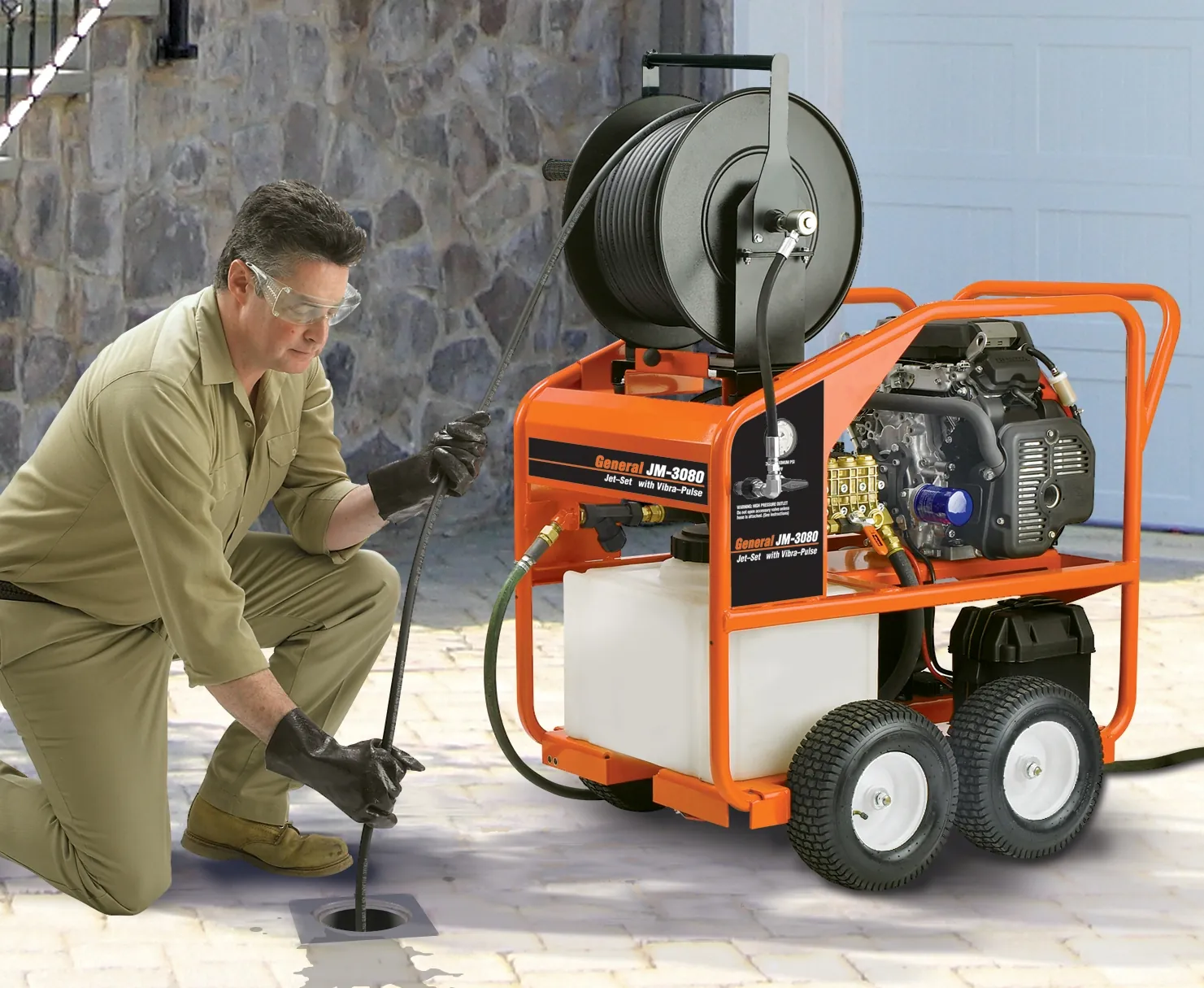
If you require a professional drain cleaning service, expect to pay between $150.00 and $650.00 depending on the complexity of the obstruction and whether the plumber needs to use specialized equipment like a hydro-jetter or a sewer camera.
Is My Plumbing at Risk?
The age and material of your pipes play a significant role in whether you should use chemicals. Older homes with galvanized steel or cast-iron pipes are particularly susceptible to corrosion from harsh chemicals. The heat generated by some chemical cleaners can also soften older plastic fittings, leading to leaks that are difficult to detect until significant water damage has occurred.
Pipe protection should be your priority. If you have any doubt about the integrity of your drain lines, always choose a mechanical approach. If you hear a hissing sound or smell burning when you pour a chemical cleaner, stop immediately and flush the drain with plenty of cold water to neutralize the reaction.
Troubleshooting Common Drain Issues
When a drain slows down, perform a quick diagnostic check before reaching for chemicals. Start by checking the P-trap, the U-shaped pipe under your sink. Often, the clog is localized here and can be cleared by unscrewing the trap and cleaning it manually.
Steps for Clearing a Minor Clog
- Remove the drain stopper and inspect for hair or visible debris.
- Use a plastic drain snake to pull out any reachable obstructions.
- If the drain is still slow, use a plunger to create a vacuum seal.
- If these fail, consider using an enzyme-based cleaner for a slow-acting, non-corrosive solution.
| Troubleshooting Step | Goal | Frequency |
|---|---|---|
| Clear P-Trap | Manual debris removal | As needed |
| Plunge Drain | Pressure-based clearing | Monthly |
| Enzyme Treatment | Organic buildup prevention | Quarterly |
Are Enzyme Cleaners a Real Alternative?
Enzyme cleaners are biological solutions that use bacteria or enzymes to consume organic waste in your pipes. Unlike caustic chemicals, they don’t produce heat or harmful fumes. However, they aren’t designed for emergency clogs. They’re best used as a preventative maintenance measure to keep pipes clear of grease and soap scum accumulation.
- Green Gobbler: A popular enzyme-based product that’s safe for septic systems.
- Bio-Clean: Uses natural bacteria to digest organic matter over several hours.
- Liquid-Plumr Pro-Strength: Often contains enzymatic components for regular maintenance.
Natural maintenance is the best way to avoid the need for harsh chemicals entirely. By using an enzyme cleaner once a month, you can prevent the buildup that leads to the need for a snake or a professional plumber.
Why Do Chemicals Fail to Work?
Chemical cleaners frequently fail because they aren’t formulated to handle the specific type of blockage in your pipe. If the clog is caused by a solid object like a toothbrush, a piece of plastic, or a buildup of roots from a nearby tree, a chemical cleaner will simply flow past the object, potentially causing it to become more firmly lodged as the debris expands.
- Root Intrusion: Requires professional mechanical cutting.
- Foreign Objects: Requires physical retrieval.
- Mineral Buildup: Requires professional descaling or hydro-jetting.
Safety Precautions for Every Homeowner
Regardless of the method you choose, safety must be your top priority. When dealing with chemical vs mechanical drain cleaning, the biggest danger is exposure. If you decide to use a chemical cleaner, never lean over the drain after pouring, as the reaction can cause “blowback” where the boiling chemicals spray out of the drain opening.
Warning: Never mix different brands of drain cleaners. Combining an acidic cleaner with a bleach-based cleaner can create chlorine gas, which is highly toxic and can be fatal if inhaled in a confined space like a bathroom.
Preventing Future Clog Build-ups
The best way to manage your drains is to stop the debris from entering them in the first place. This is the most effective form of “drain cleaning” available to any homeowner.
- Hair Catchers: Install mesh screens in every shower and bathtub.
- Grease Disposal: Never pour cooking fats down the drain; collect them in a jar and dispose of them in the trash.
- Coffee Grounds: Keep these out of the kitchen sink, as they act like sand and can clog pipes.
- Hot Water Flushes: Once a week, pour a gallon of boiling water down the drain to melt away small amounts of soap and grease.
Frequently Asked Questions
Can I use a snake on a toilet?
Yes, but you must use a specific tool called a toilet auger. A standard drain snake can scratch the porcelain bowl, while a toilet auger is designed with a protective coating and a specific shape to navigate the toilet trap without causing surface damage. Never use harsh chemical cleaners in a toilet, as they can damage the wax seal or the internal components of the tank.
How often should I clean my drains?
You should aim for a preventative maintenance schedule every three to six months. Using a natural enzyme-based cleaner or simply flushing your pipes with hot water and baking soda is sufficient. If you notice your drains are starting to run slow, address it immediately with a mechanical tool rather than waiting for a complete blockage, as early intervention is always easier and cheaper.
Are chemical cleaners safe for septic systems?
Most chemical drain cleaners aren’t recommended for septic systems. These products are designed to kill bacteria to dissolve clogs, but your septic system relies on healthy bacteria to break down waste. Using harsh chemicals can disrupt the biological balance of your septic tank, leading to failure in the drain field. Always look for products specifically labeled as “septic safe” or use mechanical methods.
Will vinegar and baking soda actually work?
Vinegar and baking soda are excellent for minor, slow-draining issues caused by soap scum or light organic buildup. The chemical reaction creates carbon dioxide gas, which can help dislodge small bits of debris. While this won’t clear a major clog, it’s a safe, environmentally friendly way to maintain your pipes between professional cleanings or mechanical interventions.
When should I call a professional plumber?
Call a plumber if you have tried mechanical methods and the water still won’t drain, if you have multiple drains backing up simultaneously, or if you smell sewage in your home. These are signs of a main sewer line clog, which requires industrial equipment like a sewer camera or a heavy-duty hydro-jetter to resolve safely without damaging your home’s foundation or plumbing system.
Conclusion
If you’re currently facing a slow or clogged drain, start by inspecting the P-trap under your sink, as this is the most common site for blockages. If the obstruction remains, try using a simple plastic drain snake to manually retrieve the debris before considering any chemical alternatives, as this will protect your pipes from long-term damage and save you from unnecessary repair costs.