
Does your kitchen smell like gas right now? If so, you need to act fast.
That smell isn’t just unpleasant—it could be a serious danger to you and your family. You might wonder where it’s coming from or if it’s safe to stay inside. This article will help you understand why your kitchen smells like gas, what steps you should take immediately, and how to keep your home safe in the future.
Don’t ignore that warning scent—read on to protect yourself and your loved ones.
Signs Of A Gas Leak
Gas leaks in the kitchen are dangerous and need quick action. Detecting signs early can prevent accidents and health risks. Knowing what to watch for helps keep your home safe.
Common Odors To Notice
Natural gas is odorless but companies add a smell like rotten eggs. This scent helps you spot leaks fast. Any unusual smell near your stove or gas pipes needs attention.
Sometimes the odor is faint or mixed with other kitchen smells. Trust your nose if something smells off or strange.
Physical Symptoms Of Exposure
Feeling dizzy, tired, or having headaches near the kitchen can signal a gas leak. Gas can cause nausea or difficulty breathing. These signs mean air quality is poor and unsafe.
Leave the area immediately and get fresh air to avoid harm.
Visual Clues Around The Kitchen
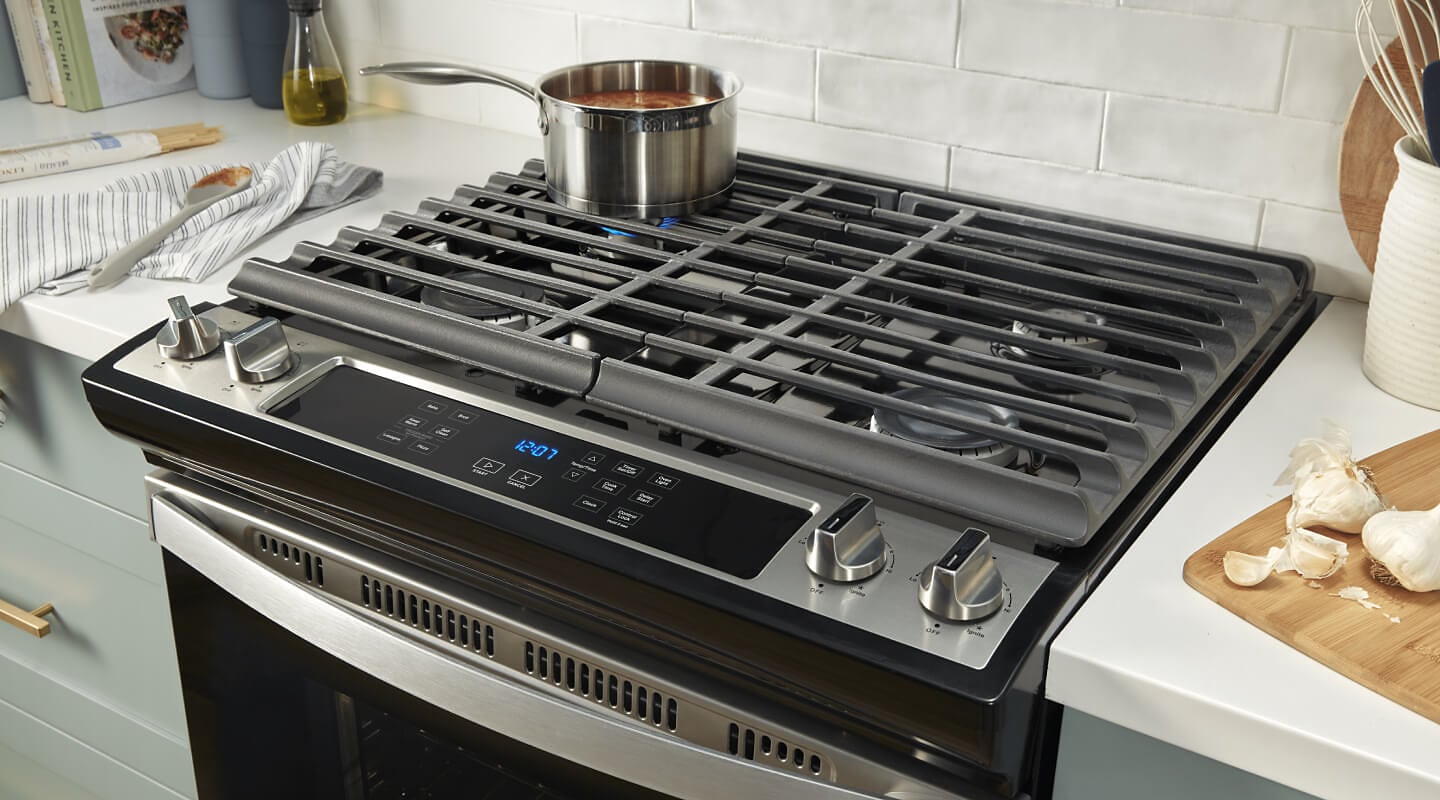
Look for bubbles or hissing sounds near gas connections or pipes. Rust or damage on gas lines can also suggest leaks. Flames from gas appliances may burn yellow instead of blue.
Check for these clues often to catch problems early before they become serious.
Immediate Actions To Take
Noticing a gas smell in your kitchen is urgent. Acting fast can prevent serious danger. Follow these key steps immediately to keep everyone safe.
Avoid Flames And Sparks
Do not light matches, lighters, or candles. Avoid turning on or off any electrical switches. Sparks can ignite the gas and cause an explosion. Stay calm and do not use your phone inside the kitchen.
Ventilate The Area
Open all windows and doors to let fresh air in. This helps clear the gas from your kitchen quickly. Do not use fans or air conditioners that might create sparks. Let the gas escape naturally.
Turn Off The Gas Supply
Locate the main gas valve near the stove or outside your home. Turn it off to stop more gas from leaking. Only do this if it is safe and easy to reach. Call your gas company or emergency services right away.
When To Evacuate
Knowing when to evacuate your home is critical if your kitchen smells like gas. Safety comes first. Leaving early can protect you and your family from serious harm. Stay calm and act quickly. Understand the signs that mean it’s time to get out.
Severity Of The Leak
A strong gas smell means a serious leak. Small leaks might smell faint but still need attention. If you hear a hissing sound or see dead plants near pipes, the leak is worse. Do not try to fix it yourself. Leave the area immediately.
Symptoms Worsening
Feeling dizzy, nauseous, or having headaches means gas levels are rising. These symptoms show the gas is affecting your health. Do not wait. Evacuate the house right away. Fresh air is the best remedy. Call for help from outside.
Emergency Contact Numbers
Always have emergency numbers saved on your phone. Call your gas company as soon as you smell gas. Fire departments and emergency services must be contacted if you suspect a big leak. Quick calls can prevent explosions and fires. Stay safe and alert those who can help fast.
Credit: www.kitchenaid.com
Preventing Future Gas Leaks
Preventing future gas leaks is essential for a safe kitchen and home. Gas leaks can cause fires, explosions, or health problems. Taking simple steps can reduce the risk and keep your family safe. Regular checks and smart tools help catch problems early.
Regular Appliance Maintenance
Check gas appliances often to ensure they work well. Clean burners and vents to avoid blockages. Fix small problems before they get worse. Hire a professional to inspect your stove, oven, and heater every year. This keeps appliances safe and efficient.
Proper Installation Tips
Always use a certified technician for gas appliance installation. Proper fitting stops leaks from loose connections. Use quality parts and follow safety rules. Avoid DIY gas work to prevent mistakes. Correct installation means fewer risks and better performance.
Using Gas Detectors
Install gas detectors near gas appliances and living areas. These devices alert you to leaks quickly. Choose detectors made for natural gas or propane. Test detectors regularly and replace batteries on time. Early warning saves lives and property.
Professional Help And Inspection
Detecting a gas smell in your kitchen is a serious concern. Handling it safely requires expert knowledge and skills. Professional help ensures the problem gets fixed quickly and correctly.
Experts use special tools and follow strict safety rules. They find the source of the leak and check all gas connections. Trusting certified technicians prevents accidents and protects your home.
Hiring Certified Technicians
Choose technicians with proper certifications and licenses. Certified experts have training to handle gas safely. They know local laws and safety standards. This reduces risks and ensures proper repairs. Verify their credentials before hiring.
Inspection Checklists
Technicians use detailed checklists during inspections. They check gas pipes, valves, and meters carefully. They inspect appliances and connections for leaks. Testing with gas detectors confirms safety. This thorough process helps find hidden problems early.
Repair And Replacement Guidelines
Experts decide if parts need repair or replacement. They fix small leaks with proper tools and materials. Faulty pipes or valves get replaced to prevent future leaks. Using approved parts keeps your system safe. Repairs follow industry safety standards strictly.
Credit: www.whirlpool.com
Credit: www.kitchenaid.com
Frequently Asked Questions
Why Does My Kitchen Smell Like Gas Suddenly?
A gas smell often means a leak or a burner left on. Check all stove knobs and gas connections quickly. Safety first.
How Can I Detect A Gas Leak In My Kitchen?
Look for a rotten egg or sulfur-like odor. You might also hear a hissing sound near the stove or pipes. Use your nose and ears.
Is It Safe To Stay In The Kitchen If It Smells Like Gas?
No, gas leaks can be very dangerous and cause explosions. Leave the room immediately and ventilate the area by opening windows.
What Should I Do If My Kitchen Smells Like Gas?
Turn off the gas supply right away. Avoid using electrical switches or flames. Call your gas company or emergency services.
Can A Gas Smell Come From A Faulty Stove?
Yes, faulty stoves or old gas lines can leak gas. Regular maintenance helps prevent leaks and keeps your kitchen safe.
How To Prevent My Kitchen From Smelling Like Gas?
Check gas appliances regularly and fix leaks promptly. Always turn off gas knobs after cooking. Keep your kitchen well ventilated.
Can A Gas Smell Cause Health Problems?
Yes, breathing gas can cause headaches, dizziness, and nausea. Prolonged exposure is dangerous and requires medical help. Stay safe and act fast.
Conclusion
A kitchen that smells like gas is a serious warning sign. Act fast to protect your home and family. Turn off the gas supply right away. Open windows to let fresh air in. Avoid using any flames or electrical switches.
Call a professional to check for leaks. Regular maintenance helps prevent gas leaks. Stay alert to keep your kitchen safe and secure. Don’t ignore the smell—it could save lives. Safety always comes first in every home.