
Playing foosball is simple: you control the rods to kick a ball into your opponent’s goal. The main idea of how to play foosball rests on keeping your hands off the table and using smooth, controlled swings. You’ll need two players or four for doubles. It suits anyone who wants quick fun without complex rules. Start with a basic grip and focus on passing before shooting. This method works best for casual games at home or in bars.
What you need to play foosball
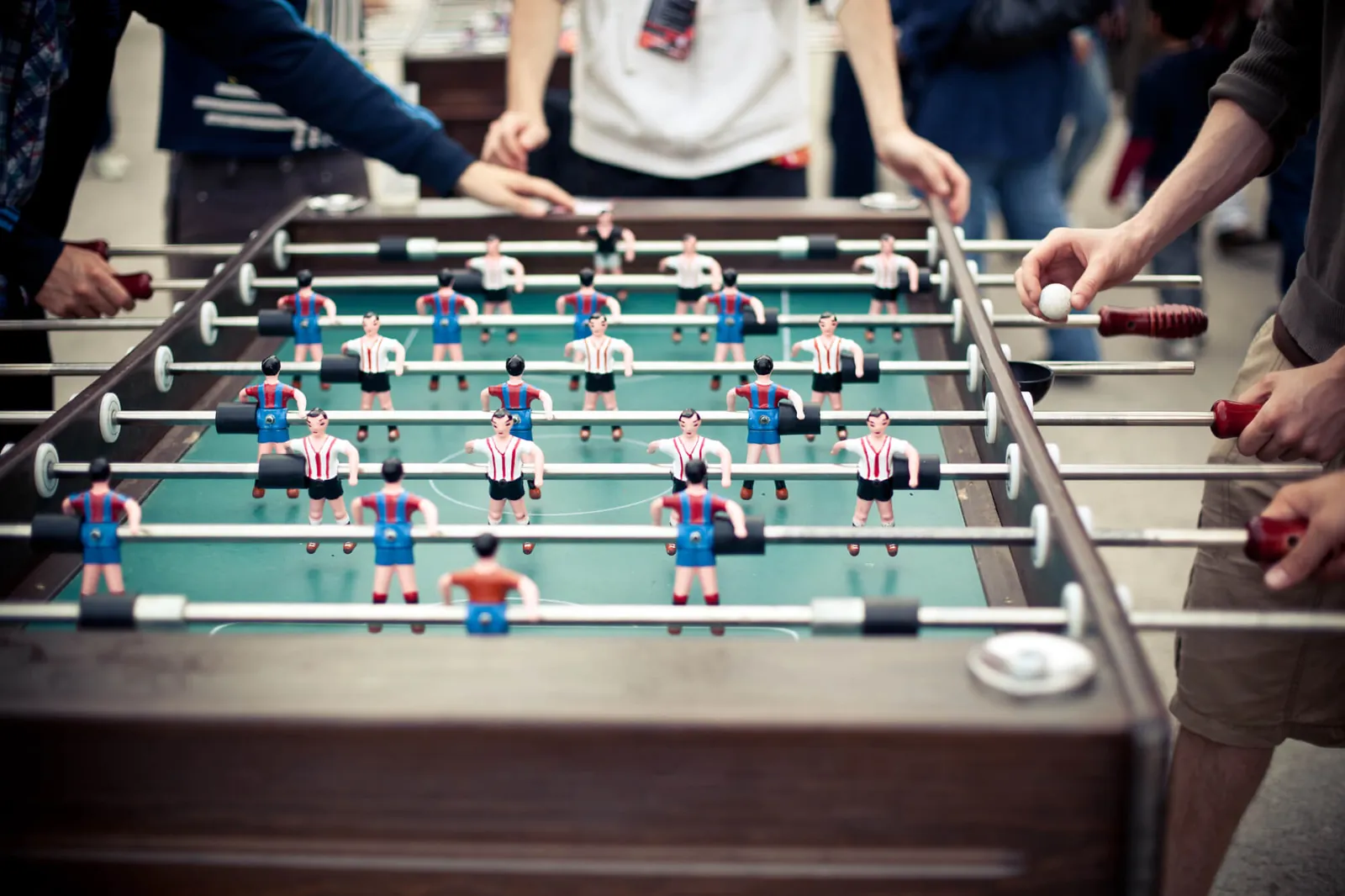
You don’t need much to start playing.
- Foosball table: A standard 56-inch table with five rods (one goalie, two defense, one midfield, one attack). Ensure the rods spin freely.
- Foosball ball: Use only a foam or plastic ball designed for indoor tables. Rubber balls damage the surface and bounce too wildly.
- Two players (or four): One person per side controls all rods on their end. In doubles, partners share control of specific rods.
- Flat surface: Place the table on level ground. Uneven floors cause the ball to drift and make shots unfair.
- Scoreboard: Many tables have built-in score strips. If not, use a pen and paper to track points.
One substitution that works is using a soft rubber ball if foam isn’t available, though it may wear faster. One that doesn’t work is using any outdoor soccer ball; it’s too heavy and will break the mechanism. If your table has loose screws, tighten them first. Check the manufacturer’s manual for maintenance tips to keep the rods moving smoothly.
Step-by-step
- Set up the table: Place it on a flat surface. Ensure all rods are locked in place during transport but unlocked for play. Insert the ball through the center hole.
- Choose your side: Each player takes one end. Decide who goes first by flipping a coin.
- Grip the rods correctly: Hold each rod with both hands, thumbs on top, fingers wrapped around. Keep wrists loose. Never let your hands touch the table surface.
- Control the rods: Pull rods toward you to move players back, push away to move forward. Rotate wrists to turn players left or right. Use small, quick movements for precision.
- Pass the ball: Tap the ball gently between your forward or midfielder players. Avoid hard hits that send the ball flying out of play. Practice keeping possession for five passes in a row.
- Shoot strategically: Aim for the corners rather than the center. Use your defenders to block shots and your midfielders to set up plays. Wait for an opening before swinging hard.
- Defend actively: Move your defensive line to cover gaps. Don’t just stand still. Anticipate where the ball might go and position your players accordingly.
- Keep the game flowing: If the ball gets stuck, retrieve it quickly. If it leaves the table, restart from the center. Play continuously to maintain energy and focus.
Tip: Keep your elbows close to your body. This gives you better control over the rods and prevents accidental fouls.
Careful: Don’t shake the table violently. This can misalign the rods and damage the internal mechanism. Smooth movements are key.
Careful: Never lift the table by the rods. Always lift from the base. Lifting by rods bends them and ruins alignment.
How it changes with the situation
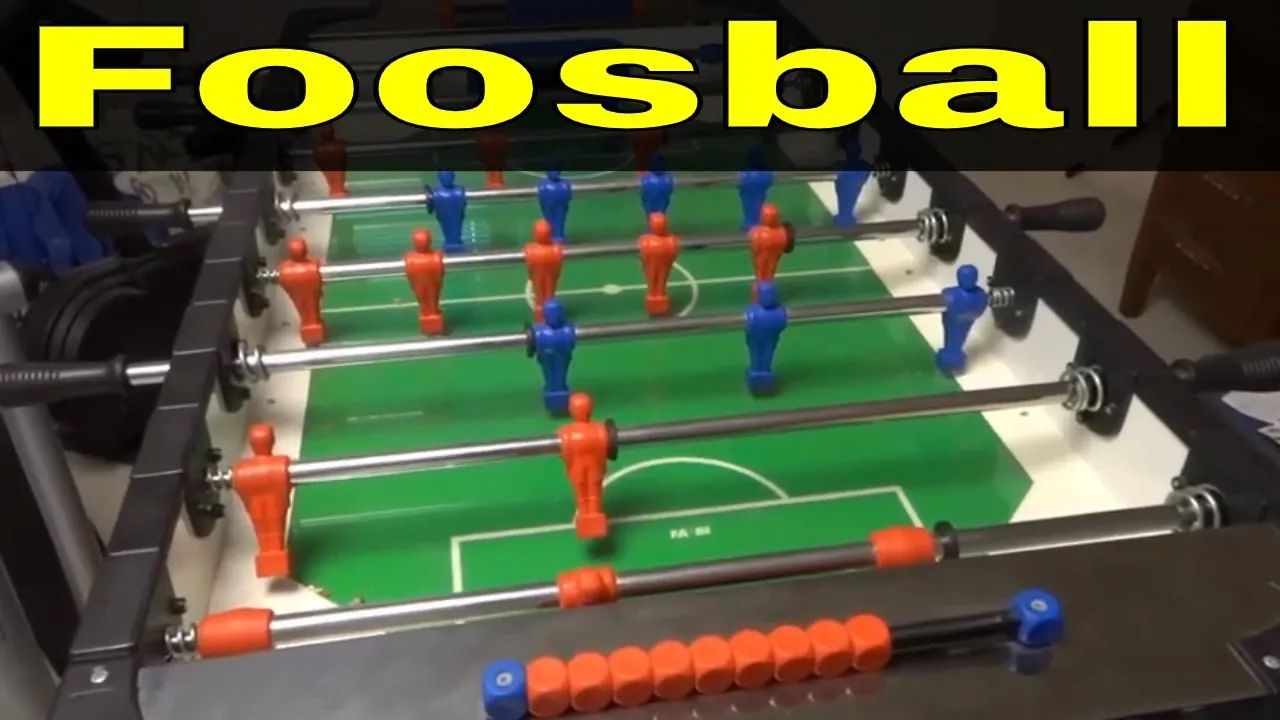
The speed and style of play shift based on skill level and table type. Beginners often rush shots, while pros wait for openings. A smaller table requires quicker reflexes, whereas a larger one allows more setup time.
| Situation | Time/Effort | What’s Different | Watch For |
|---|---|---|---|
| Beginner vs. Novice | Fast-paced | Lots of missed shots | Losing focus due to frustration |
| Advanced vs. Pro | Strategic | Long passes and blocks | Overcommitting on defense |
| Small Table (4ft) | Quick rounds | Less room to maneuver | Ball getting stuck in corners |
| Large Table (56in) | Longer games | More space to create plays | Fatigue from constant movement |
| Doubles Match | Team coordination | Shared rod control | Miscommunication between partners |
Starting small helps you build muscle memory. It’s safer to begin with gentle taps than to swing hard immediately. Hard swings lead to errors and broken equipment. Build confidence with control first.
How to tell you did it right
A good result looks like consistent ball control and fewer turnovers. You should be able to pass three times without losing possession. Your shots hit the target area, not just anywhere. A poor result means the ball frequently leaves the table, and you miss easy goals because you rushed.
The common quality problem is erratic rod movement. This happens when players jerk the rods instead of rolling them. Jerking causes the ball to fly unpredictably. To prevent this, practice wrist rotations slowly. Focus on smooth transitions between pushing and pulling. Another issue is ignoring defense.
Always balance attack with blocking. Good players anticipate shots before they happen. They move their defenders proactively. Poor players react too late. Track your wins and losses. If you win more than half your games, your technique is improving. Keep practicing until your shots feel natural.
Watch for the telltale sign of a jerky stroke: the ball spins wildly off-center. This usually costs you two points in a row. Fix it by keeping your elbow close to your body. Move only your wrist and forearm. The rod should glide, not snap. Test this by holding the rod still after each shot. If it wobbles, you’re still using momentum from your arm. Correct that first.
Defense requires more than just blocking. You must angle the rods to deflect power shots. Aim for the corners of the goal mouth. This forces opponents to shoot from difficult angles. Practice this by having a partner fire rapid shots at you. Don’t try to stop every ball. Let some pass through if they’re weak. Save your energy for high-threat attempts.
The rules, and what to do afterwards
Follow these core rules attributed to the International Foosball Association. Hands must never touch the table surface. Only the rods may contact the ball. The ball must stay within the table boundaries. If it falls out, the opposing team retrieves it and restarts play.
After playing, clean the table surface with a dry cloth. Remove dust and debris from the rod bearings. Store the ball separately to prevent loss. Check for loose screws quarterly. Tighten them if needed. Regular maintenance extends the table’s life. The result lasts until the next game if stored properly. For major repairs, contact a professional technician. DIY fixes can void warranties. Keep the area around the table clear for safe play.
Wipe down the playing field after every session. Dust accumulates in the bearings and slows rotation. Use a microfiber cloth to avoid scratching the finish. Don’t use chemical cleaners on the wood or plastic surfaces. Moisture warps the board over time. A simple dry wipe is sufficient for daily care.
Inspect the rod bearings once a month. Spin each rod by hand to check for resistance. Smooth rotation indicates healthy bearings. Grinding noises mean dirt has entered the mechanism. Clean the rods with a soft brush. Remove hair and lint that wrap around the handles. These tangles reduce control during fast plays.
Check screw tightness every three months. Vibrations from intense games loosen fasteners. Use a hex key to secure any wobbly parts. Loose screws cause misalignment and erratic ball movement. Tighten gently to avoid stripping the threads. Over-tightening can crack the surrounding material.
Store the ball in its original case. Leaving it on the table risks damage. Temperature changes affect the ball’s bounce consistency. Keep the room climate stable when possible. Avoid direct sunlight on the table surface. UV rays fade colors and weaken materials.
For structural issues, hire a certified repair service. Attempting complex fixes yourself often causes more harm. Warranty terms usually exclude unauthorized modifications. Professional technicians have the right tools and parts. They ensure the table returns to factory specifications. This protects your investment long term.
Other ways to do it
Casual Home Games
Play with friends using a portable table. Set it up in the living room. No strict rules apply. Just agree on score limits beforehand. This reduces pressure and makes it fun. Time is flexible, and cost is low since no league fees exist.
Competitive Leagues
Join a local foosball club. Follow official tournament rules strictly. Matches are timed, and fouls are penalized heavily. This increases skill rapidly. Expect higher costs for membership and travel. Results improve significantly with practice.
Online Simulation
Use a digital foosball app on your phone. Simulate matches against AI opponents. No physical table needed. Great for learning strategies on the go. Time is instant, and cost is minimal. However, tactile feedback is missing compared to real play.
Related guides
- Best Foosball Tables Under 500: Top 5 Picks in 2026
- Foosball Resources: Where to Find Tactics and Gear in 2026
- 9 Best Router for Xfinity Picks for Every Home Setup in 2026
Frequently asked questions
Can beginners win against pros?
Yes, if you focus on defense. Pros rely on speed, which beginners can disrupt by blocking shots. Stay calm and avoid rushing. Watch their patterns closely. Defend aggressively to force mistakes. Winning is possible with patience and smart positioning. Practice daily to improve reaction times. Consistency beats power in early stages.
Why does the ball stick sometimes?
Sticking usually happens due to dust buildup or uneven surfaces. Dust clogs the rod mechanisms, causing resistance. An uneven table floor also affects ball roll. Clean the rods regularly with a dry cloth. Ensure the table is level using adjustable feet. Lubricate rods if recommended by the manufacturer. Proper maintenance prevents most sticking issues.
How long does a typical game last?
A standard game lasts 10-15 minutes per side. This assumes a score limit of 11 points. Shorter games take about 5 minutes if playing to 7. Longer matches exceed 20 minutes. Adjust time based on skill level. Beginners may take longer due to slower play. Pros finish faster with efficient shots. Keep track of time to manage energy.
Is it safe for kids to play?
Yes, foosball is generally safe for children aged 6 and up. Supervise young kids to prevent finger pinching. Ensure the table is stable and won’t tip over. Avoid roughhousing around the table. Teach proper hand placement to avoid accidents. Most injuries are minor bruises from collisions. Always follow safety guidelines provided by the manufacturer.
What happens if I touch the table?
Touching the table results in a foul. The opposing team gains a free shot opportunity. Repeated fouls may lead to disqualification in competitive play. Keep hands above the table at all times. Rest them on your lap or behind you. This rule ensures fair play and prevents interference. Strict enforcement maintains game integrity. Learn to control your body language during intense moments.
Conclusion
Grab a friend and head to the nearest bar or game room. You’ll find plenty of tables waiting for you. Keep practicing your smooth swings until they feel natural. Soon, you’ll be kicking with confidence and having a blast. Just remember to keep it fun and friendly while you play.