
Both brands perform reliably, but choosing between rheem vs ao smith water heaters usually comes down to whether you prioritize local parts availability or commercial-grade build quality. If you want the easiest path for future repairs, pick the brand most common in your local plumbing supply houses. AO Smith often holds the edge for industrial durability, while Rheem is favored for its smart technology and wide retail presence.
Rheem and AO Smith water heaters compared
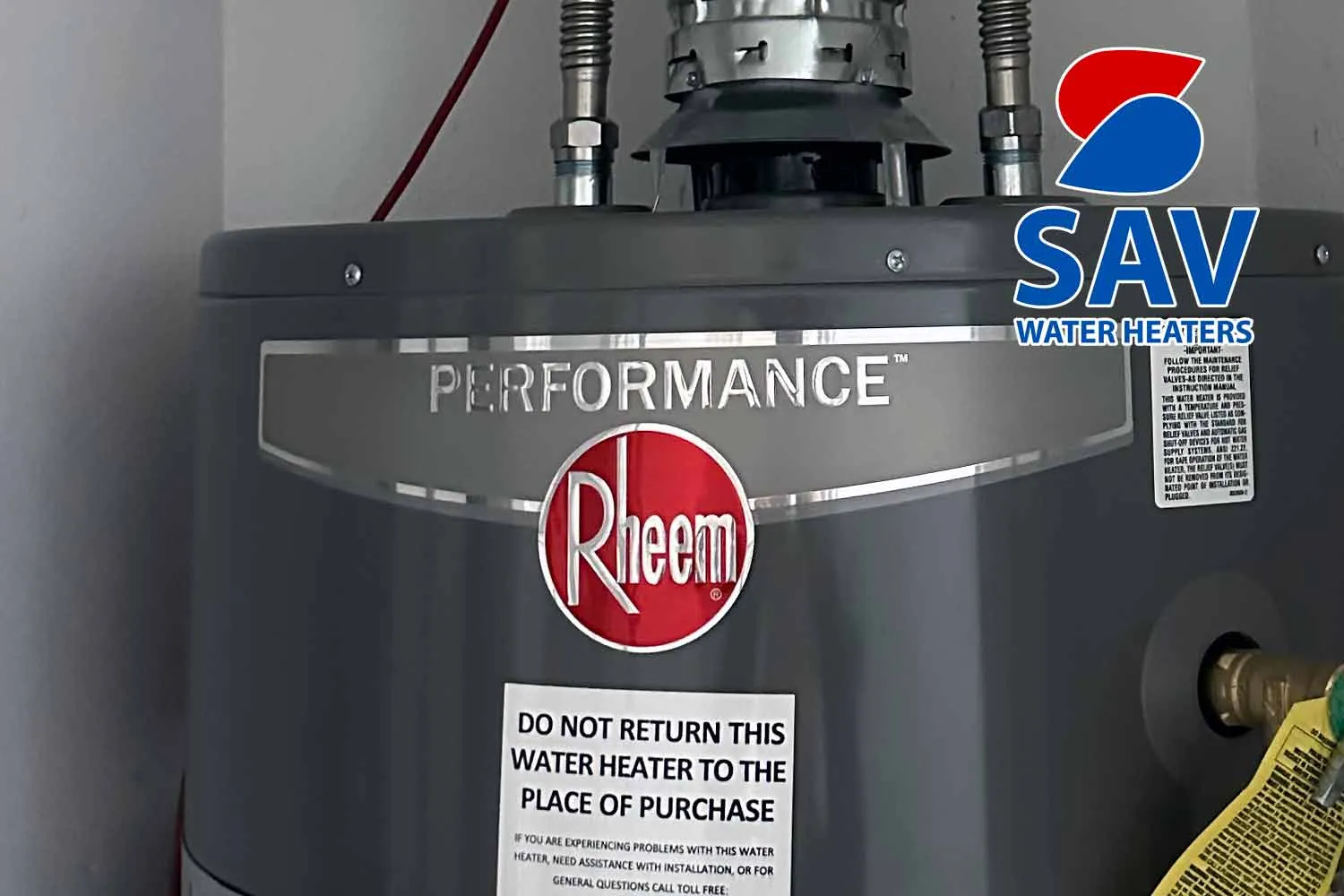
These brands dominate the market because they offer consistent performance across different fuel types and tank sizes. While their basic functions are similar, their focus differs in ways that affect long-term maintenance.
| Method | How long | Effort | Cost | Best for |
|---|---|---|---|---|
| Rheem Standard | 8-12 years | Low | Low | Residential homes |
| AO Smith Pro | 10-15 years | Medium | Medium | Heavy usage |
| Hybrid Models | 12-15 years | High | High | Energy efficiency |
If you choose a unit with a longer warranty, expect to pay more upfront for the hardware.
Prioritize Rheem if your primary goal is finding parts at any local hardware store. Their widespread distribution means plumbing contractors can complete repairs in hours rather than days. Conversely, choose AO Smith if your household exceeds four people. Their commercial-grade heat exchangers handle high-demand cycles without premature tank fatigue.
Avoid the mistake of matching the tank size to your current bill alone. If you have hard water, verify the anode rod accessibility before you buy. If you can’t easily reach the top of the tank to replace that rod, you’ll likely replace the entire unit sooner. Always check the serial number for the manufacture date. A unit sitting in a warehouse has already lost a portion of its effective lifespan.
Rheem performance and installation
Rheem is widely recognized for its integrated smart features and easy-to-find replacement parts. Most technicians find these units straightforward to service because the components are standardized across many models.
- Turn off the water supply and drain the old tank completely using a garden hose.
- Disconnect the gas line or electrical power source before removing the old unit.
- Place the new unit, ensuring the cold water inlet and hot water outlet match your plumbing.
- Solder or connect your supply lines and test for leaks before turning on the power.
These heaters are excellent for homeowners who want modern diagnostic tools, such as mobile alerts for leaks. You can tell if your unit is experiencing a sensor error by checking the diagnostic LED codes on the front panel; a steady light usually indicates a simple reset is needed, while a flashing sequence points to a specific component failure.
A common mistake people make is skipping the annual anode rod inspection, which can shorten the tank’s lifespan by several years. If the rod is more than 50 percent depleted, replace it immediately to prevent internal corrosion. If you aren’t comfortable working with gas lines or high-voltage electricity, hire a licensed professional to avoid safety hazards. If your home has hard water, install a sediment filter on the cold water intake to prevent premature buildup in the heating element.
AO Smith build quality
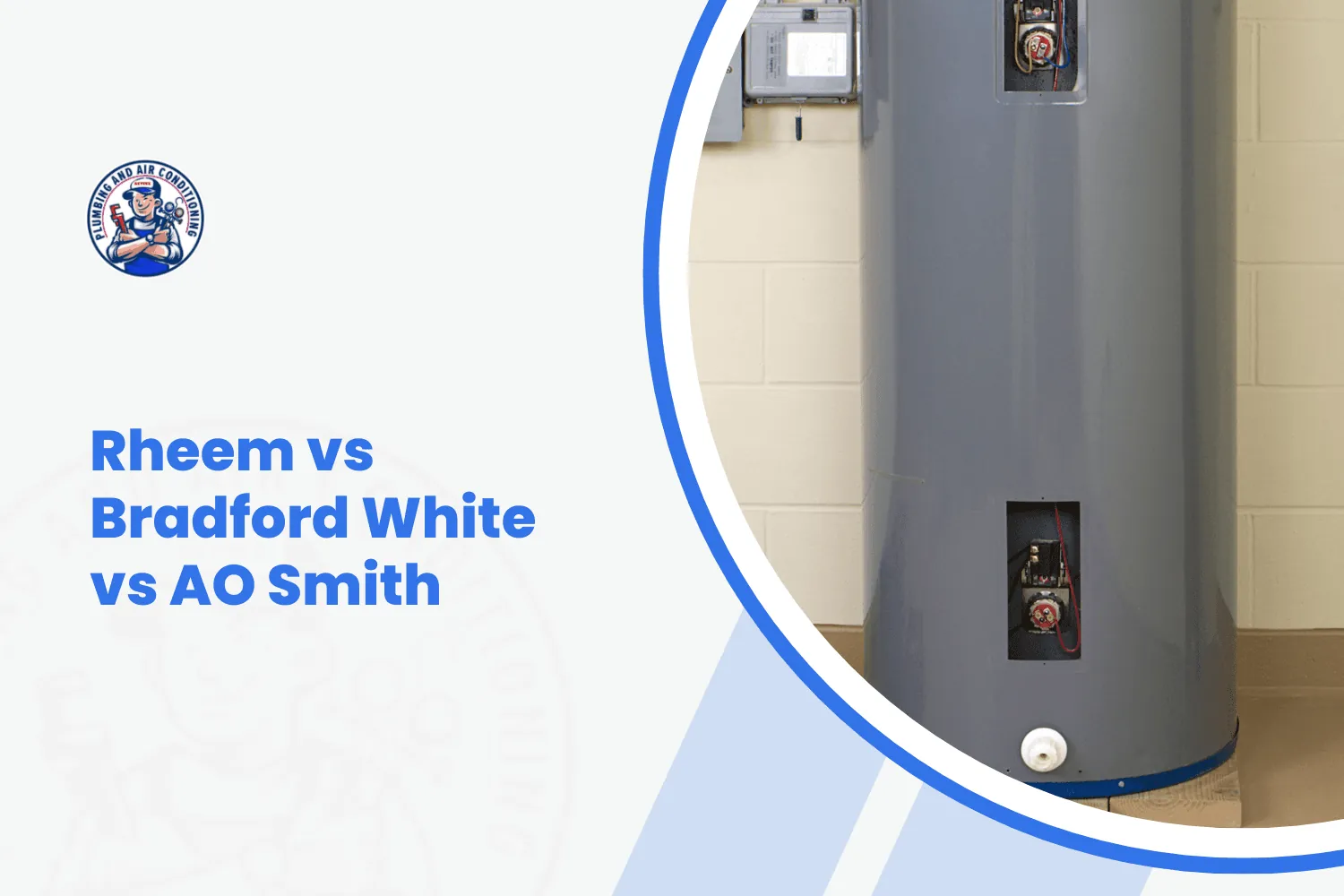
AO Smith focuses heavily on internal components that prevent corrosion, making them a top choice for areas with hard water. Their tanks are engineered to handle high-demand environments, resulting in a heavier, more robust build than standard residential units.
If you live in a region with high mineral content, look for models featuring the Blue Diamond glass coating. This proprietary lining is specifically designed to resist scale buildup, extending the tank’s lifespan compared to standard enamel.
- Shut off the main water valve and verify that no pressure remains in the system.
- Remove the old unit, keeping the area clear to ensure the new tank fits the existing footprint.
- Install the new unit, prioritizing a level surface to prevent uneven stress on the tank walls.
- Connect the venting system for gas units or the wiring for electric models, strictly following local building codes.
Their strength lies in these glass-lined tanks, which resist mineral buildup better than cheaper alternatives. However, a common mistake is purchasing a professional-grade model online without verifying parts availability. If you choose a specialized series, ensure your local plumbing supply house stocks the specific anode rods required for maintenance.
If you can’t source these parts locally, stick to the standard retail lines to avoid long repair delays when the tank eventually requires service. Always consult your building department to ensure your setup meets current safety requirements.
Choosing the right model
When deciding between these two, consider your specific needs for capacity and maintenance. If you’re in a hurry, Rheem is usually the better choice because you can walk into almost any hardware store and find the unit you need today. This availability saves time when your old heater fails unexpectedly and you need a replacement immediately.
If you’re doing this for the first time, look for a model with a clear, detailed manual and a simple control interface. Rheem units often feature user-friendly digital displays that guide you through basic settings. This helps reduce the anxiety of a first-time installation or troubleshooting a minor issue.
If you want the best possible result whatever it takes, choose an AO Smith professional-grade model. These units often feature thicker insulation and superior anode protection, which can lead to a longer service life. You might pay more for the initial purchase and professional installation, but the trade-off is higher reliability and fewer repairs over the next decade.
Check your current water pressure before making a final selection. If your home exceeds 80 PSI, you must install a thermal expansion tank regardless of the brand you pick.
Distinguish your needs by the household size. If you have more than four residents, prioritize the AO Smith commercial-grade recovery rate to prevent cold showers. For smaller homes, the standard Rheem residential line provides sufficient output while keeping your upfront equipment costs roughly 20 percent lower.
Standard maintenance for any unit
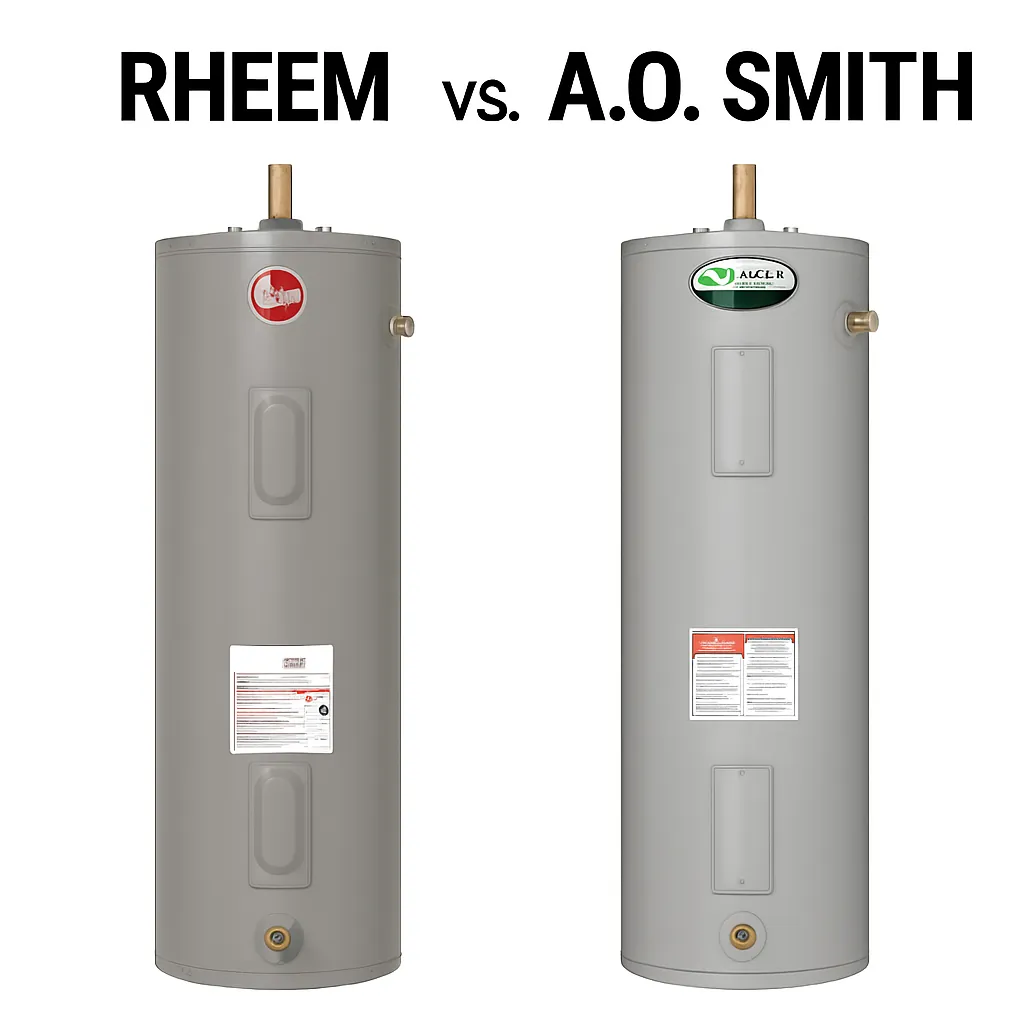
Regardless of the brand you pick, your water heater requires consistent care to function correctly. Every manufacturer publishes specific maintenance schedules in their user manual that you must follow to keep your warranty valid.
Check the temperature and pressure relief valve periodically to ensure it isn’t leaking or stuck. Lift the lever halfway and listen for a rush of water into the drain line; if you hear nothing, the valve is seized and requires immediate replacement.
Sediment buildup is the most common reason for early failure, so flushing your tank is essential. If you live in an area with hard water, defined as having more than 120 milligrams of calcium carbonate per liter, you must perform this flush based on usage and your owner’s manual to prevent heating element burnout.
Many owners mistake a slow-dripping relief valve for a minor nuisance, but this often signals that your expansion tank has lost its air charge. If you ignore this, the valve will eventually fail, causing the tank to rupture under pressure.
If you ever notice water pooling at the base of your tank, shut off the power and water supply immediately. Large leaks are a sign that the inner lining has failed, which isn’t a repairable issue. At this point, you must contact a licensed plumber to assess the situation and safely remove the damaged unit.
Related guides
- Polaris vs Pentair Cleaner: Which Brand Wins for Your Pool in 2026
- Best Smart Water Bottles in 2026
- 10 Best Shed Heaters for Efficient Workspace Warming
Frequently asked questions
Can I install a water heater myself?
Yes, you can install one yourself if you have experience with plumbing and electrical or gas work. However, if you aren’t familiar with gas line safety or local building codes, you should hire a professional. Incorrect installation can void your warranty, lead to carbon monoxide leaks, or cause significant water damage to your home. Always check your local regulations to see if a permit is required for this work.
How long do these water heaters last?
Most residential units last between 8 and 15 years, depending on your water quality and maintenance habits. The exact lifespan varies based on how often you flush the tank to remove sediment and replace the anode rod. You can check your specific model’s expected life by looking at the warranty length provided by the manufacturer, which is a good indicator of their own testing results.
Is it safe to repair a leaking water heater?
No, it isn’t safe to repair a leaking tank because the leak usually means the inner steel wall has rusted through. Once the tank lining fails, the structural integrity of the heater is compromised and it can’t be patched reliably. You should turn off the water and power immediately and prepare to replace the entire unit to prevent further damage to your home.
How often should I flush my water heater?
You should flush your water heater to remove mineral sediment that collects at the bottom of the tank. If your home has hard water, you might need to flush it based on usage and your owner’s manual to maintain efficiency and prevent noise. A simple flush involves attaching a hose to the drain valve and letting the water run until it comes out clear of debris.
Why is my water heater making a popping noise?
The popping noise is caused by water trapped underneath layers of mineral sediment on the bottom of the tank. As the burner heats the water, the trapped steam bubbles escape through the sediment, creating a popping sound. You can usually fix this by flushing the tank thoroughly, but if the noise persists, it may indicate that the sediment has hardened into a thick layer that requires professional cleaning.
What happens if I ignore the anode rod?
If you ignore the anode rod, it will eventually dissolve completely, leaving your tank vulnerable to rapid corrosion. The rod is a sacrificial piece of metal designed to rust instead of your tank walls. Once it’s gone, the water will begin to attack the tank itself, which leads to rust and leaks in a very short time.
Conclusion
Choosing the right water heater comes down to balancing your immediate need for availability with your long-term goals for durability. Whether you choose Rheem or AO Smith, the most important factor in your success is keeping up with the annual maintenance schedule. If you keep the sediment flushed and the anode rod fresh, both brands will provide years of reliable hot water for your household.