
You get a reliable motor and solid build quality when evaluating Jandy pool pumps, but the answer depends on your pool type. These pumps work best in fiberglass or vinyl pools where they handle standard circulation needs without issue. They aren’t the top choice for high-end saltwater systems that need special corrosion protection from the start.
The main factors that change this answer are your pool material, your local water chemistry, and how long you plan to keep the system running. A pump that lasts a long time in one setup might fail much sooner in another because of these differences.
Who needs a Jandy pool pump
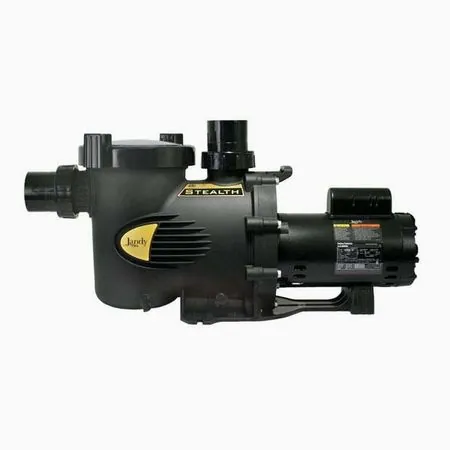
This page helps homeowners with standard residential pools who want a replacement pump that fits existing Jandy plumbing. You likely have a fiberglass or vinyl liner pool and need a unit that matches your current pipe size and voltage. This guide also covers owners of older Jandy equipment who face parts shortages and wonder if a new model will fit their old system.
If you run a commercial pool, a large saltwater system, or a spa with complex automation, this advice doesn’t fit your needs. Those setups require industrial-grade motors and specific chemical resistance that standard models don’t provide. The rest of this article assumes you’re replacing a single-speed or variable-speed pump in a typical backyard setting.
We assume your pool has standard 1.5-inch or 2-inch piping and uses common chlorine or bromine sanitizers. If your water has extreme pH levels or you use non-standard chemicals, you must check the manufacturer’s compatibility chart first. This guide focuses on the most common scenarios so you can make a quick decision without getting lost in technical details.
What decides the outcome
Your pool material matters most because different liners react differently to pump vibrations and heat. Fiberglass pools often sit close to the pump house, so noise and vibration transfer directly into the shell. Vinyl liners can suffer if the pump runs too hot or creates uneven pressure spikes during startup. Concrete pools usually handle standard pumps well unless the plaster is already cracking or thin.
Water chemistry changes how long the pump housing lasts before rust or pitting appears. Saltwater pools need pumps with stainless steel shafts and ceramic bearings to survive the corrosive environment. If you add a lot of acid or shock treatments, the plastic volute may crack faster than expected. Always check the label on your current pump to see what materials it uses inside.
The age of your existing plumbing determines whether a new pump will bolt right on or need adapters. Older Jandy systems used unique flange sizes that don’t match modern universal pumps without extra fittings. If your pipes are quite old, you might need to replace sections of pipe to ensure a proper seal. This extra work adds cost and time to your project.
Most people get the power rating wrong by buying a pump that’s too strong for their filter. Running a 3-horsepower pump on a small cartridge filter causes pressure to spike and seals to blow out quickly. Match the pump horsepower to the filter’s maximum flow rate listed on its nameplate. This simple check prevents premature failure and saves energy bills.
How to choose and install
Start by checking the nameplate on your old pump to find the exact horsepower and voltage required. Write down the model number and serial number so you can compare them with new options online or at a store. If the plate is faded or missing, measure the impeller diameter and count the threads on the motor shaft.
Measure the distance between the mounting bolts on your current base plate to ensure the new unit fits. Most Jandy pumps use a standard spacing, but some older models had custom layouts that need an adapter kit. Buy a new gasket set even if the old one looks fine, as rubber degrades over time and leaks often start there.
Turn off the power at the breaker box before touching any wires or pipes. Wait at least five minutes after shutting off the power to let the capacitor discharge safely. Disconnect the electrical wires one at a time, taking a photo of the connections so you can rewire them correctly later.
Remove the old pump by loosening the union nuts on both the suction and discharge sides. Have a bucket ready to catch the water that spills out when you break the seal. Slide the old unit off the base plate and clean any debris from the mounting surface before placing the new pump.
Align the new pump carefully and tighten the bolts evenly to avoid warping the housing. Don’t overtighten the unions, as this can crack the plastic or strip the threads. Reconnect the wires exactly as they were before, matching colors and terminal positions precisely.
Run the pump for two minutes while watching for leaks around the unions and the strainer lid. Check the pressure gauge to ensure it reads within the normal range for your filter type. If the pump vibrates excessively or makes a grinding noise, shut it off immediately and recheck the alignment.
The key judgement call comes when deciding between a single-speed and a variable-speed motor. Single-speed units cost less upfront but run much higher on electricity bills every month. Variable-speed pumps save money over time but require more careful setup and programming to reach their full efficiency potential.
Comparison of pump types
| Situation | Best Choice | Time & Cost | Watch For |
|---|---|---|---|
| Standard chlorine pool | Single-speed Jandy pump | Low cost, fast install | High monthly energy bill |
| Saltwater system | Variable-speed with ceramic shaft | Higher cost, longer setup | Corrosion on metal parts |
| Old plumbing layout | Universal fit with adapter | Medium cost, moderate time | Leaks at connection points |
| Small backyard pool | Low horsepower model | Lowest cost, easy install | Insufficient flow for cleaning |
| Large concrete pool | High-flow variable speed | High cost, expert install | Noise and vibration issues |
| Frequent chemical shocks | Stainless steel components | Medium cost, durable | Plastic cracks over time |
| Energy-conscious owner | Variable-speed with timer | Highest savings, complex setup | Programming errors reducing flow |
If your pool uses salt, skip the standard stainless steel impeller; it will pit within two years. Choose a ceramic shaft instead, which costs 15% more upfront but eliminates that specific corrosion risk entirely. For older homes with rigid PVC piping, don’t force a modern compact unit into place without an adapter ring. The resulting stress fractures often appear three months later as slow leaks behind the skimmer wall.
Owners of small vinyl pools frequently oversize their pumps to “clean faster,” but this creates turbulence that stirs up debris rather than filtering it. Stick to the manufacturer’s minimum flow rate; anything higher just wastes electricity without improving clarity. Conversely, large concrete pools demand high-flow variable speeds, yet many installers mount them directly on the deck without isolation pads. This mistake transmits vibration through the structure, causing hairline cracks in the plaster over time.
When programming timers for energy savings, avoid setting the low-speed runtime below four hours daily. Many users cut this window too short to save money, only to find their filters clogged with fine sediment because the water never circulated long enough to trap it. If you shock your pool weekly, inspect plastic seals every six months; chlorine degrades rubber faster than expected, leading to sudden pressure drops during peak summer usage.
Signs of a quality installation
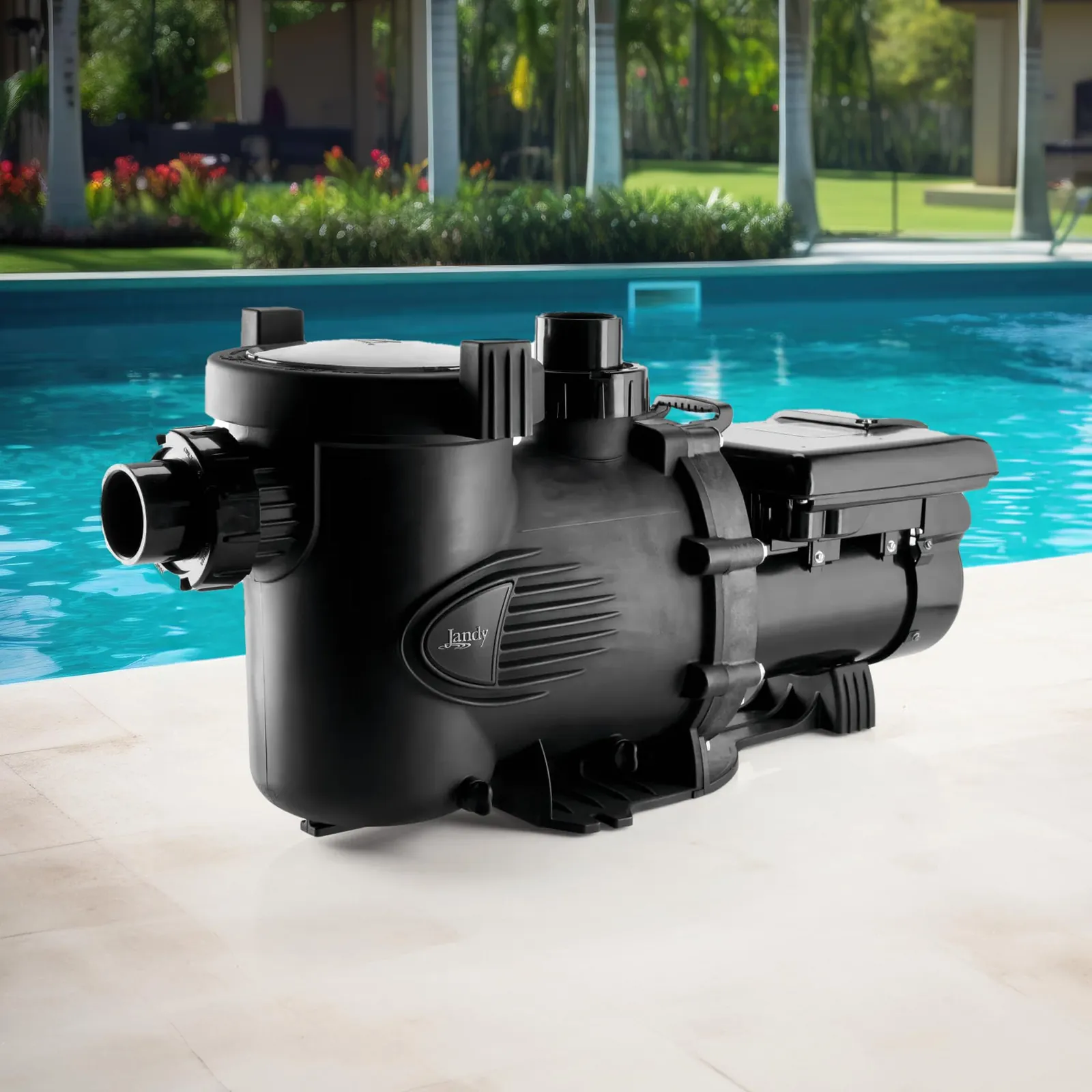
Proper sealing and alignment
A good install shows no water dripping from the unions or the strainer lid after the first hour of operation. The pump should sit perfectly level on the base plate with all four feet touching the ground firmly. If you see any gaps under the feet, the motor will vibrate and wear out the bearings faster.
Check the shaft seal area for any wetness or steam rising from the motor housing. A dry seal means the internal O-rings are seated correctly and the shaft isn’t rubbing against the housing. If you feel heat radiating from the motor after thirty minutes, the pump may be working too hard due to a clogged filter or closed valve.
Correct wiring and grounding
All electrical connections must be tight and covered with wire nuts or terminal blocks as per code. The ground wire must connect directly to the green screw on the motor and the pool equipment panel. Loose wires cause arcing, which can melt insulation and create a fire hazard inside the pump house.
Listen for a steady hum rather than a buzzing or clicking sound when the pump starts. Buzzing often means the capacitor is failing or the voltage supply is unstable. Clicking sounds suggest the relay is sticking or the motor windings are shorted internally.
Troubleshooting common problems
| What you notice | What it usually means | What to do first | How to stop it happening again |
|---|---|---|---|
| Pump won’t start | Tripped breaker or bad capacitor | Reset breaker, check fuse | Install surge protector |
| Loud grinding noise | Worn bearing or dry seal | Shut off power, inspect motor | Replace worn parts early |
| Water leaking from unions | Loose nuts or cracked gasket | Tighten nuts, replace gasket | Ensure gaskets are seated properly |
| Low pressure reading | Clogged skimmer or filter | Clean skimmer basket, backwash filter | Backwash weekly as needed |
| Air bubbles in return lines | Suction side leak | Check all unions and valves | Lubricate O-rings regularly |
| Motor overheats | Blocked intake or low water | Add water, clear debris | Install auto-shutoff sensor |
| Strange vibration | Misaligned base or loose bolts | Level base, tighten bolts | Secure base to concrete pad |
Rules and safety standards
Pool pumps must meet National Electrical Code (NEC) Article 680 requirements for wet location equipment. This rule mandates that all motors installed near pools have Ground Fault Circuit Interrupter (GFCI) protection to prevent electric shock. The NEC also requires that pump housings be bonded to the pool’s metal reinforcement grid to equalize electrical potential.
In California, Title 24 energy codes require variable-speed or multi-speed pumps for all new installations and replacements. Upgrading to variable speed saves significant energy costs. Check your local building department website for specific rules in your county or city.
Always follow the manufacturer’s instructions for chemical compatibility, especially if you use saltwater generators. Using a non-compatible pump in a salt system voids the warranty and risks rapid corrosion of internal parts.
If you’re unsure about electrical work, hire a licensed electrician who specializes in pool equipment. Working with 240-volt circuits near water carries a real risk of severe injury or death if done incorrectly. Never attempt to bypass safety features or modify the wiring to fit an older system.
Real costs to expect
Replacing a Jandy pump is generally inexpensive relative to the alternative depending on the model and labor fees. A basic single-speed unit runs at a lower price for the part alone, while a variable-speed model costs more. Labor charges vary by region but typically add a moderate amount for a professional installation.
Energy savings from switching to a variable-speed pump can reduce your annual electricity bill by up to 70% compared to a single-speed unit. However, this saving only happens if you program the pump to run at lower speeds during off-peak hours. Poor programming wastes money and defeats the purpose of the upgrade.
Maintenance costs include replacing seals, gaskets, and filters periodically. A new shaft seal costs a modest amount, while a complete filter media replacement runs higher depending on the type. Regular cleaning of the strainer basket and skimmers keeps the pump running efficiently and extends its life.
Prices fluctuate based on availability and seasonal demand, so check current listings before buying. Some retailers offer discounts during spring and fall when pool maintenance peaks. Always compare total cost including shipping and any required adapters before making a purchase.
Maintaining your pump system
Clean the strainer basket regularly to remove leaves, hair, and debris that block water flow. A clogged basket forces the pump to work harder, leading to overheating and premature motor failure. Rinse the basket with a hose and inspect the O-ring for cracks or dryness before reinstalling it.
Check the pressure gauge once a week and record the reading when the filter is clean. A rise of 8 to 10 psi above the clean baseline means it’s time to backwash or clean the filter. Ignoring high pressure readings strains the pump and can damage the filter tank over time.
Lubricate the O-rings as needed to prevent drying and cracking. Use only pool-grade lubricants that resist chlorine and other chemicals. Dry O-rings allow air to enter the system, causing loss of prime.
Inspect the motor vents for dust and dirt buildup that traps heat inside the housing. Use compressed air or a soft brush to clear the fins gently without bending them. Overheated motors lose efficiency and shorten their lifespan significantly.
Replace the entire pump if it’s over ten years old and showing signs of wear. Even with perfect maintenance, internal components degrade over time and become unreliable. Upgrading to a newer model improves efficiency and reduces long-term repair costs.
When not to use this approach
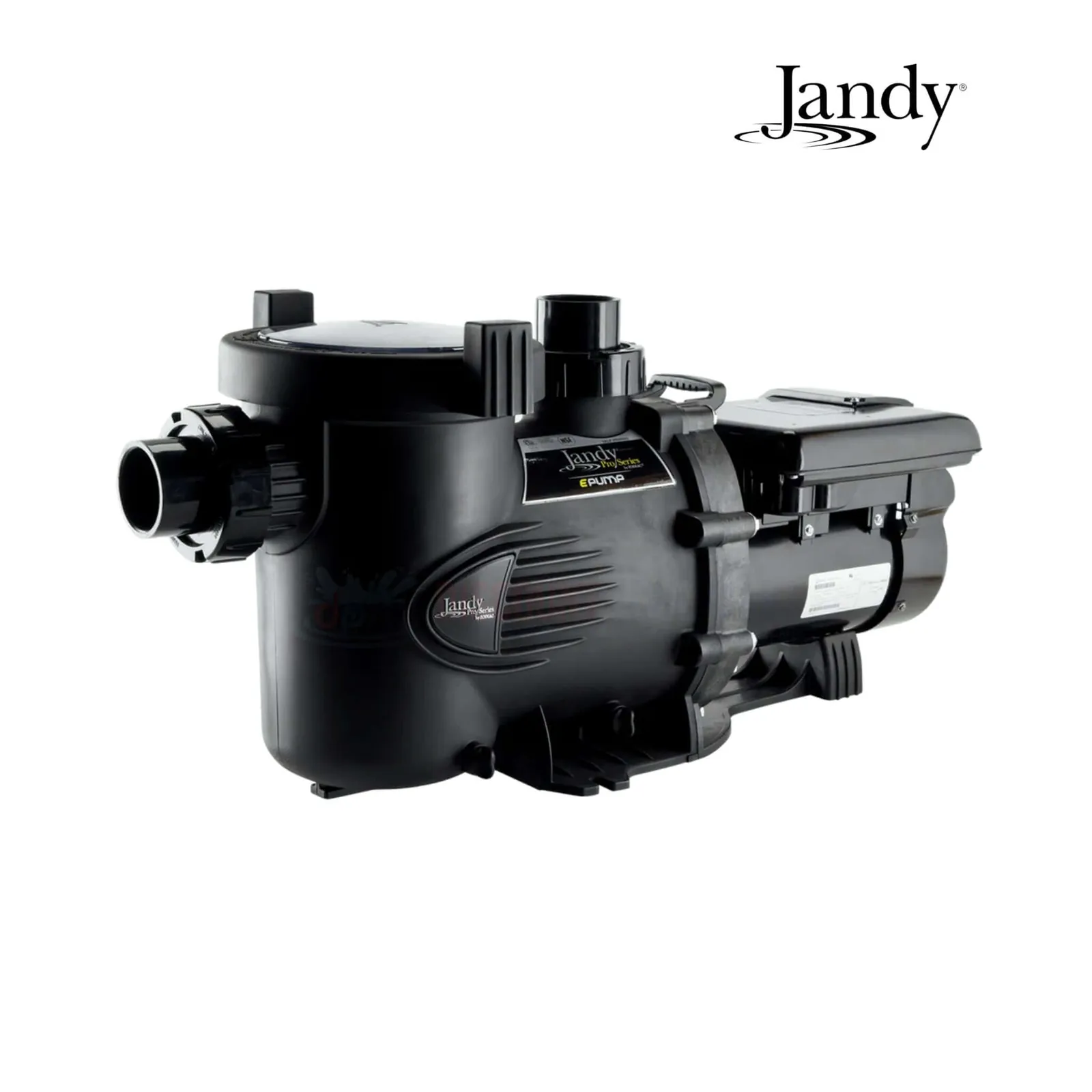
Don’t try to install a Jandy pump if your pool uses a non-standard filtration system like a sandless media filter. These systems require specialized pumps with different flow curves and pressure ratings that standard models can’t provide. Contact your filter manufacturer for a compatible pump recommendation instead.
Avoid using a Jandy pump in a saltwater pool unless it’s explicitly labeled as salt-resistant. Choose a pump designed for saltwater applications to avoid costly repairs.
If your pool has been idle for an extended period, don’t rely on the existing plumbing to hold a new pump. Old pipes may have hidden cracks or weak joints that will fail under the stress of a new installation. Have a professional inspect the entire system before proceeding.
For commercial pools or spas with automated control systems, consult a certified technician before replacing any component. These setups involve complex wiring and safety protocols that go beyond basic DIY skills. Attempting a DIY install here risks damaging expensive equipment and voiding warranties.
Related guides
- 7 Best Pool Pump Options for Intex Pools: Our Top Picks in 2026
- 8 Best Above Ground Pool Slides for Your Backyard Setup in 2026
Frequently asked questions
Can I use a Jandy pump in a saltwater pool?
Only if the pump is specifically labeled as salt-safe; otherwise, standard models will corrode quickly in salty water. Check the product specs for saltwater compatibility before purchasing.
How long does a Jandy pump last?
With regular maintenance, a Jandy pump typically lasts a significant number of years depending on usage and water chemistry. Saltwater environments shorten this life unless the pump is designed for them.
Is it safe to install a pool pump myself?
It’s safe only if you turn off the power, follow local codes, and have experience with 240-volt electrical work. Otherwise, hire a licensed electrician to avoid shock hazards.
What happens if I buy the wrong horsepower?
Too much horsepower causes high pressure and seal failures; too little leads to poor circulation and dirty water. Match the pump to your filter’s max flow rate.
Does it matter if my pump is single or variable speed?
Yes, variable-speed pumps save energy but cost more upfront; single-speed units are cheaper but use more electricity monthly. Choose based on your budget and usage patterns.
Why is my pump making a grinding noise?
Grinding usually means worn bearings or a dry shaft seal; shut off the pump and inspect the motor immediately to prevent total failure.
Can I replace just the motor on an old Jandy pump?
Sometimes, but only if the housing and impeller are still in good condition; many older models require a full unit replacement due to part obsolescence.
Your next steps
Start by measuring your current pump’s horsepower and checking your filter’s flow rating to pick the right replacement. Expect the new unit to run quieter and more efficiently once installed correctly.
Match the new pump’s maximum gallons per minute to your filter’s rated capacity. A pump that pushes water faster than the filter can handle forces debris back into the pool. You’ll spend hours vacuuming the same dirt twice.
Stop immediately if you see sparks, hear loud grinding, or smell burning plastic—call a pro right away. Never test a suspect motor while standing on wet concrete.