
How to organize office supplies in a cabinet comes down to sorting items by use, placing heavy paper stocks on bottom shelves, and using clear bins for daily tools. The full job takes about 60 to 90 minutes for a standard two-door cabinet. It costs very little if you reuse old boxes, or a modest amount for matching plastic bins. The difficulty is easy, but you’ll need a clear floor or a large work table before you pull everything out.
What you need
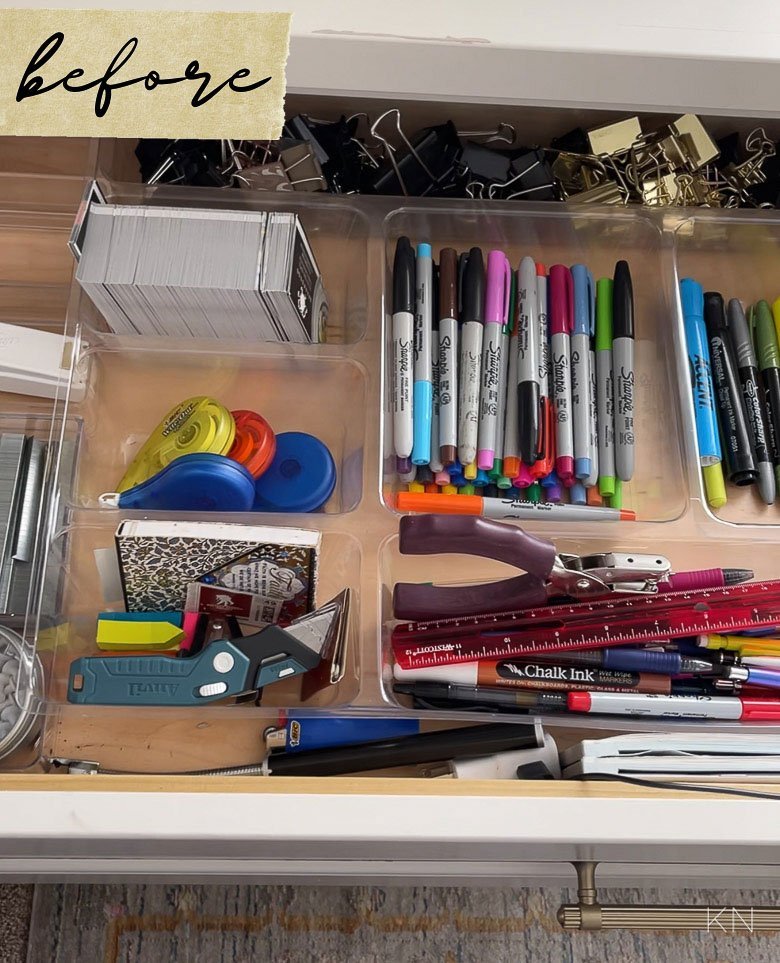 Photo: kelleynan.com on Google
| Item | How much | Why it’s needed | A substitute |
|---|---|---|---|
| Clear plastic bins | 4 to 8 bins | Keeps small loose items together | Clean cardboard shoeboxes |
| Sticky labels | 1 pack | Identifies what is inside bins | Masking tape and marker |
| Microfiber cloth | 1 cloth | Wipes dust from bare shelves | Clean paper towel |
| Mild surface cleaner | 1 spray bottle | Cleans shelf dust and grime | Warm soapy water |
| Heavy-duty bookends | 1 to 2 pairs | Keeps standing binders upright | none — don’t swap this |
| Trash can | 1 bin | Catches broken items and trash | Sturdy garbage bag |
Before you start
- Clear a 6-foot wide floor area or a large spare desk right next to the cabinet.
- Measure your shelf depth and the gap between shelves with a tape measure so bins fit properly.
- Check the weight rating stamped on metal shelves or printed in the cabinet manual.
- Avoid overloading upper shelves; the Occupational Safety and Health Administration general industry rules require tiered materials to be stacked safely to block sliding or collapse.
- If a cabinet wobbles or leans away from the wall, stop immediately and secure it with wall anchors before loading items inside.
Step by step
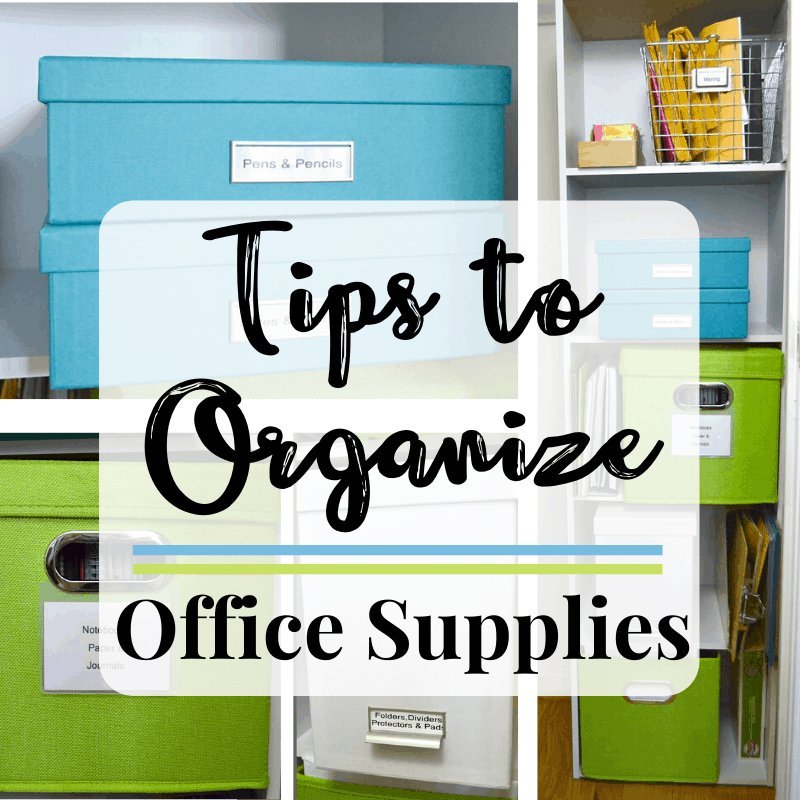 Photo: organized31.com on Google
- Empty every single shelf completely onto your cleared floor or table area. This takes about 10 minutes for an average cabinet, and you’ll know it worked when all shelves sit bare.
- Spray each shelf with cleaner and wipe it dry using a microfiber cloth. Take 5 minutes to clean from the top shelf down, checking that no dust or sticky spots remain.
- Throw out dried markers, broken pens, tangled paperclips, and crushed folders. Spend 15 minutes testing ink and hinges; you’ll know it worked when the trash can holds the unusable junk.
- Sort your working supplies into 4 distinct piles: daily tools, paper packs, backup extras, and archive binders. Check that every single item belongs to only one pile.
- Place reams of printer paper and heavy catalog boxes on the bottom shelf. This takes 5 minutes; you’ll know it worked if the bottom carries the weight and shelves don’t sag.
- Put daily items like pens, sticky pads, and tape into clear bins on the middle eye-level shelf. You’re done when your most-used gear sits between chest and waist height.
- Put backup supplies, such as spare toner or extra staples, inside bins on the top shelf. You’ll know it worked when overflow items don’t crowd the daily shelves.
- Stick a visible label on the front edge of every single bin and shelf. Take 10 minutes to write names like “Pens” or “Tape”; it worked when contents match their labels.
How to know it worked
You can grab a working pen, fresh notepad, or tape roll in under 5 seconds without moving other items out of your way. Every shelf stays flat without visible bowing or bent bracket pins. When you open both cabinet doors, at least 15 percent of shelf space remains open and bare for future supplies. If you must shift two bins just to reach a box of staples, or if items are stacked on top of open containers, your layout needs a second round of sorting.
If something goes wrong
| What happened | Why | What to do |
|---|---|---|
| Shelf sags in middle | Too much paper stacked together | Move heavy paper packs down |
| Items hide in back | Bins are too tall | Swap for lower, clear trays |
| Cabinets won’t close flush | Bins stick out past edge | Measure depth and rotate bins |
| Supplies get mixed again | Labels are missing or unclear | Add bold labels to fronts |
| Daily items hard to reach | Placed on top shelf | Move frequent items down |
| Pens dry out quickly | Stored uncapped or upside down | Store horizontally in shallow bins |
How often to do this
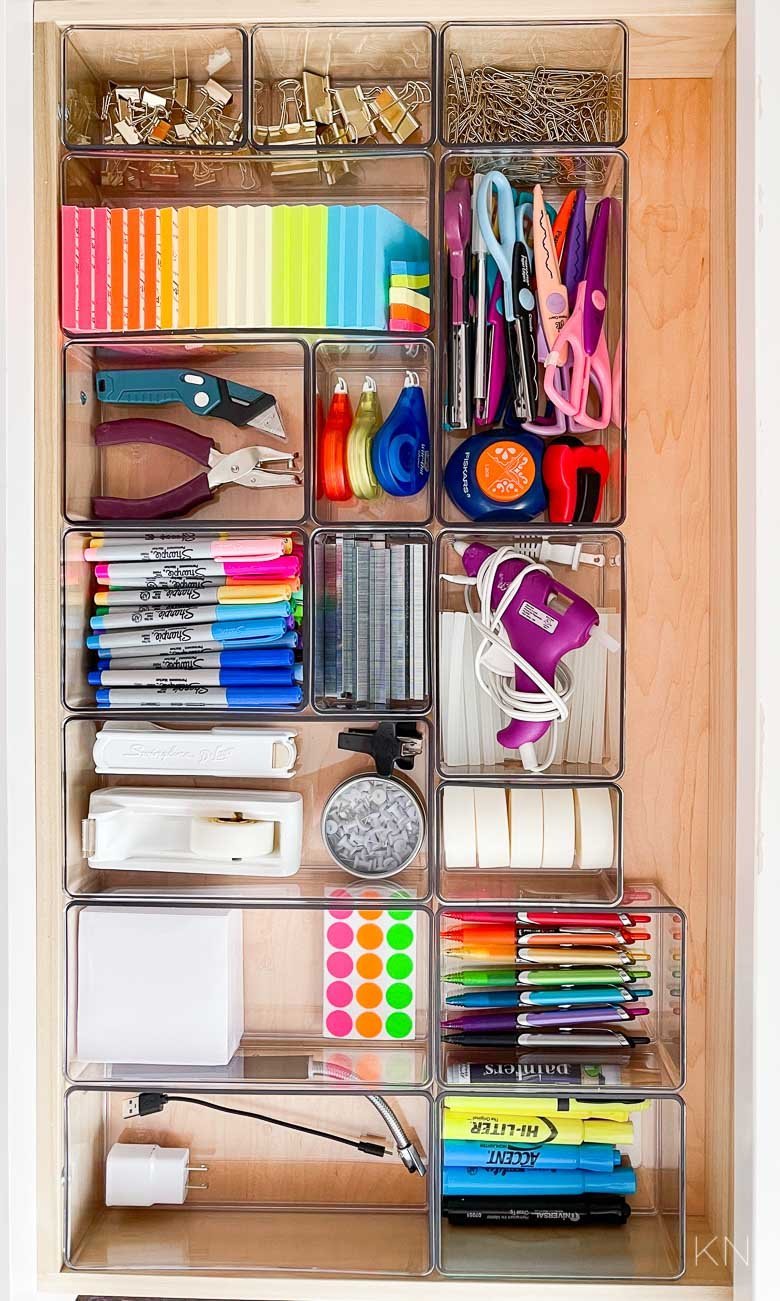 Photo: kelleynan.com on Google
Clean and reorganize your cabinet regularly. That routine assumes a small office with 3 to 5 people using the cabinet every work day. Two main things change this timing: user count and ordering volume. If more than 10 people pull supplies daily, review it more frequently. When an office rarely buys stock and only one person uses the cabinet, doing a reset periodically works fine.
Frequently asked questions
Can heavy printer paper go on top shelves?
No. Heavy paper must stay on the bottom shelf to keep the cabinet stable. Placing 20-pound boxes of paper on top makes the unit top-heavy, which creates a tipping risk and bends metal shelf tabs.
How long does a cabinet cleanout take?
About 60 to 90 minutes. That assumes a two-door cabinet with 4 shelves. If your cabinet has more than 5 shelves or holds mixed items from multiple teams, set aside 2 hours.
What supplies go at eye level?
Items you touch regularly. This includes ballpoint pens, sticky notes, desk tape, paperclips, and staple removers. Keeping daily items between waist and chest height stops you from bending down or reaching high all day.
Why do office cabinets get messy so fast?
Cabinets get messy when items lack fixed homes and clear labels. People drop supplies on the first open spot they see. Adding dedicated, labeled bins stops random dumping and keeps shelves neat.
Is it safe to stack bins without lids?
No. Open bins can tip into each other if you stack them higher than one layer. Use locking lids if you must stack bins, or keep open bins side by side on separate shelves.
What is the biggest mistake people make?
Buying containers before sorting their supplies. People buy bins that are the wrong size for their shelves, which wastes money. Always dump, purge, and measure your items before spending cash on storage bins.
Who is this setup not for?
This setup isn’t for public retail counters or legal archive rooms. Those spaces need fireproof security vaults or open picking racks rather than standard closed utility cabinets. A basic office cabinet won’t protect permanent paper records from water or fire damage.
Does shelf material change weight limits?
Yes. Particle board shelves hold less weight than stamped 22-gauge steel shelves before bending. Check the manufacturer sticker on your cabinet frame to find the exact maximum load per level.