
Rubbing a raw walnut meat directly over the mark is the fastest way for how to hide scratches in wood furniture when you have light surface damage. The natural oils darken the exposed raw fibers so they blend into the surrounding finish. Dragging hard items like ceramic mugs or unpadded decor across the clear coat causes these marks.
Why wood furniture scratches easily
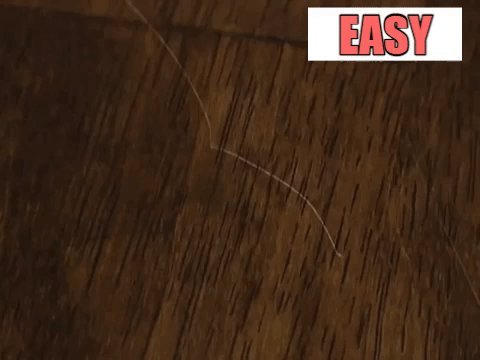 Photo: www.mainlandfurniture.co.nz on Google
Scratches show up because the protective topcoat breaks and scatters light differently than the smooth surface around it. Clear finishes like polyurethane, lacquer, or shellac protect wood, but sliding rough objects cuts grooves into that shield. If the scrape stays inside the clear finish, it looks white or pale gray. Once a sharp edge cuts completely through the seal and stains into the wood grain underneath, the bare fibers open up. These exposed fibers absorb moisture from the air, expand, and turn pale. Pet claws, grit under moving boxes, and hard plastic toys are the main culprits behind these deeper gouges.
Rub a shelled walnut over shallow marks
This fix is for light, pale scrapes that haven’t cut deep into the timber. Grab one raw walnut half—not roasted or salted—and press the meat firmly against the scratch. Rub along the line of the mark three to four times so the natural oil presses into the groove. Let the oil soak into the timber for 5 minutes, then buff the spot dry with a clean microfiber cloth. You’ll know it worked when the pale line disappears and matches the sheen of the rest of the board. This method darkens the exposed wood, but it won’t fill physical indentations you can catch with a fingernail. If the wood has a very pale, natural ash or blonde maple finish, skip this because walnut oil darkens the wood noticeably.
Blend dark finishes with a touch-up marker
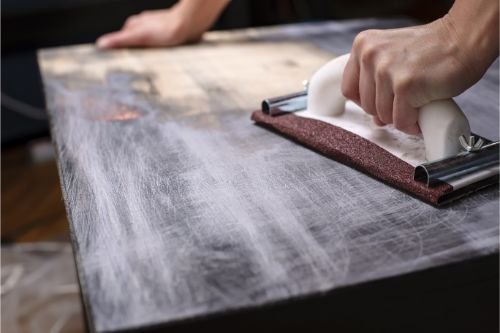 Photo: estatebuyers.nyshowplace.com on Google
This method works best for medium-to-dark furniture where the scratch shows raw, pale wood. Buy a furniture marker that matches your wood tone; if you can’t find a match, choose one shade lighter because wood grain absorbs dye quickly and turns dark. Lightly dab the felt tip directly into the scratch. Wipe the area with a rag within 2 seconds before the pigment dries on the good topcoat. Wiping too late leaves a dark smudge that costs you extra time to scrub off with mineral spirits. You’ll know it worked when the pale mark stops catching your eye from across the room. This fix dyes the wood fibers, but the physical groove remains.
Fill deep grooves with a wax repair stick
This fix is for deep gouges that snag your fingernail when you drag it across the board. If a scratch is shallow, rubbing a walnut is faster; if the gouge has carved away real wood, a wax stick gives you a level surface again. Pick a blending stick that matches your piece, warm it between your fingers for 60 seconds to soften the wax, and press it firmly across the gouge until it overflows slightly. Scrape the excess level with the edge of an old plastic gift card—never use metal. Buff the surface with a lint-free cloth. This step takes more time, but leaving deep grooves open allows ambient moisture to warp the wood. The USDA Forest Service wood handbook notes that wood swells and shrinks as indoor humidity changes, which can worsen unprotected cracks. This fix isn’t for antique shellac finishes or pieces you plan to strip and refinish soon, as wax blocks new stains from soaking in.
What not to do
- Don’t pour cooking vegetable oil or olive oil directly on wood, because kitchen oils turn rancid, smell bad, and turn sticky over time.
- Don’t color scratches with a standard office permanent marker, since the ink has purple or blue undertones that stand out under daylight.
- Don’t sand a small scratch with rough sandpaper, as you’ll grind through the clear coat and create a wide, dull bald spot.
- Don’t use paste car wax on fine indoor furniture, because the harsh solvents in auto wax can dissolve thin furniture lacquers.
How to stop it happening again
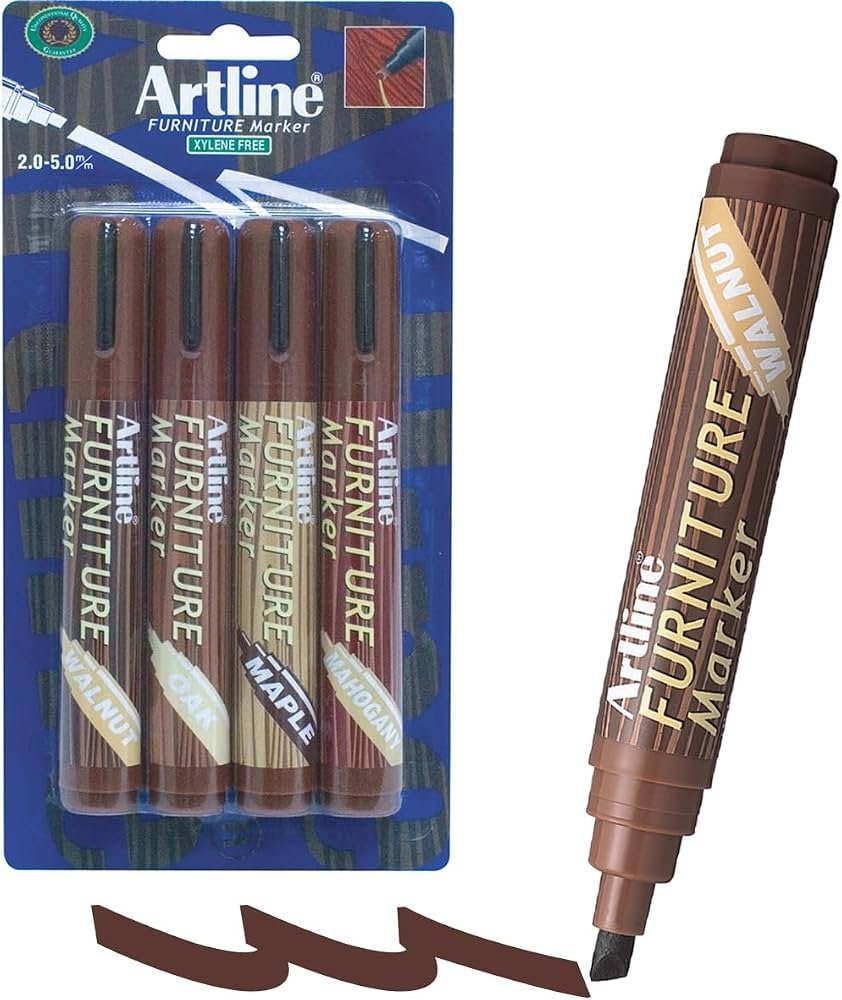 Photo: www.amazon.com on Google
Small everyday habits protect your tabletop surfaces before new gouges cut into the wood.
| If you’re doing this | Do this instead | Why |
|---|---|---|
| Pushing ceramic mugs across tables | Stick peel-and-stick felt pads on mug bases | Bare clay rings act like sandpaper on lacquer |
| Writing on paper over bare wood | Place a smooth desk mat under your paper | Ballpoint pens leave deep pressure grooves |
| Dusting with a dry paper towel | Wipe with a damp microfiber cloth | Dry wood-pulp fibers leave micro-scratches |
| Setting hot plates directly on wood | Lay down thick cork or cloth trivets | Trapped heat softens the finish and weakens it |
Frequently asked questions
Can coconut oil hide scratches in wood furniture?
Yes, coconut oil hides very fine surface marks on dark wood. Rub a pea-sized dab into the scratch with a rag and buff away all excess grease immediately. Never leave a thick layer behind, or dust will stick to the oil and create a cloudy smear.
How long does a walnut scratch repair last?
It lasts several months under normal indoor conditions. The oil slowly dries out as you dust and clean the table, so the scratch might become visible again over time. You can safely rub another walnut half over the spot whenever the pale line reappears.
What happens if I use the wrong marker color?
The scratch will turn either too dark or look orange against your finish. If you apply the wrong shade, wipe it with a rag dampened with mineral spirits within 1 minute. The solvent lifts the fresh dye before it sets into the wood grain.
Is it safe to use shoe polish on wood tables?
No, shoe polish isn’t formulated for fine furniture surfaces. Shoe polish contains heavy dyes and petroleum distillates that soften table finishes and leave a smelly, waxy layer. That sticky residue rubs off on clothing and sleeves whenever someone leans against the edge.
Why do some scratches look white?
The scratch looks white because the clear finish has cracked and shattered into microscopic pieces. Those tiny cracks refract room light back to your eyes instead of letting light pass through to the colored wood beneath. Wetting or oiling the mark fills those cracks and restores the shine.