
Ever tossed a tissue down the toilet, only to panic when the water level starts to rise? You’re not alone.
Many of us have been there, wondering if that single Kleenex will cause a plumbing disaster. The good news? It usually doesn’t have to. Understanding how to properly dissolve facial tissues in your toilet can save you from a messy, expensive clog.
Keep reading to discover the simple, effective methods that will give you peace of mind and protect your pipes.
Why Tissues Clog Toilets
Many people wonder about flushing tissues. They think tissues are like toilet paper. This is a common mistake. Tissues cause big plumbing problems. They do not break down easily. This leads to clogged toilets. Understanding why is important.
The Material Difference
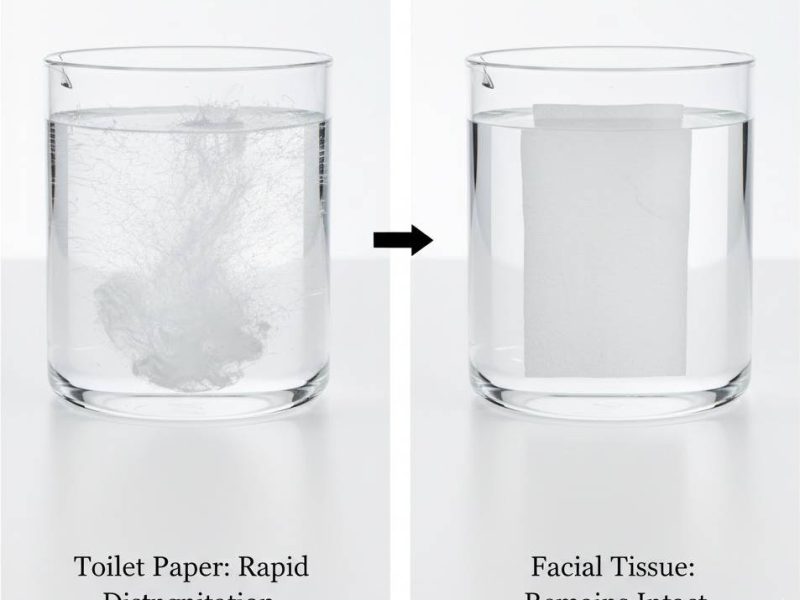
Toilet paper is different. It uses thin, short fibers. These fibers separate quickly in water. Tissues use longer, stronger fibers. They are made to be soft. This softness means they hold together. They do not disintegrate like toilet paper.
Water Absorption
Tissues soak up water. They swell up significantly. This swelling makes them bulky. They become large clumps in pipes. This bulk blocks the flow of water. It creates a stubborn clog.
The Break Down Factor
Toilet paper is designed to break down. It dissolves in the toilet bowl. This is its main purpose. Tissues are not made for this. They resist breaking apart. They stay intact in the plumbing. This causes blockages.
Accumulation Over Time
Flushing just one tissue might seem fine. But it adds up. Small clogs can form. They grow larger over time. Multiple tissues create a bigger problem. They can lead to serious toilet backups. This is a costly plumbing issue.
Credit: topsourcehygiene.com
The Science Of Dissolving Tissues
Kleenex tissues break down in water. Proper flushing helps them dissolve. Avoid flushing too many at once. This prevents clogs.
Tissues seem simple. They are not. Understanding them helps. This knowledge prevents plumbing issues. Let’s explore tissue science.Tissue Composition Matters
Kleenex tissues are paper. Paper comes from wood pulp. Wood pulp has cellulose fibers. These fibers bond together. Water breaks these bonds. It is a natural process.How Water Acts On Cellulose
Water molecules surround cellulose. They get between the fibers. This loosens the paper structure. The bonds weaken. The tissue starts to fall apart. It becomes mushy.Factors Affecting Dissolving Speed
Water temperature plays a role. Warm water works faster. Cold water is slower. Tissue thickness also matters. Thicker tissues take longer. They have more fibers.Why Tissues Dissolve Differently
Not all tissues are the same. Some are stronger. They use different binders. These binders resist water. They keep the tissue intact. This is bad for toilets.Toilet Paper Vs. Facial Tissues
Toilet paper is designed to dissolve. It breaks down easily. Facial tissues are made for strength. They resist tearing. They hold together when wet. This is why they clog toilets.The Clogging Conundrum
When too many tissues go down. They do not dissolve fast enough. They clump together. This forms a blockage. Your toilet will not flush. This is a common problem.The Hot Water Method
Try the hot water method. It helps break down Kleenex fast. Pouring hot water into the toilet can dissolve tissues.
This method is your go-to. It uses simple heat. Hot water breaks down tissues. It is a safe and effective way. It works well for most clogs. Let’s explore this easy solution.Gather Your Supplies
You need a few things. Get a plunger. You also need hot water. A bucket is helpful. You might need rubber gloves.The Step-by-step Process
Start by removing excess water. Use your plunger. Push and pull gently. Next, heat your water. Do not boil it. Scalding water can damage pipes. Pour hot water into the toilet bowl. Let it sit for a few minutes. The heat softens the tissue. Try plunging again. Work the plunger firmly. The tissue should break apart. Flush the toilet. Check if the water drains. Repeat if needed.Tips For Success
Patience is key here. Do not rush the process. Use warm water. It is safer for your pipes. Avoid using too much tissue. One tissue is usually fine. If the clog persists, call a plumber. This method often works. It is a good first step.The Dish Soap Trick
The dish soap trick is a simple solution. It helps tissues break down fast. You might have it already. It is a common kitchen item. This method is very effective.
How It Works
Dish soap is a surfactant. It breaks down grease. It also breaks down paper fibers. This helps tissues disintegrate. They become much smaller pieces. This stops clogs from forming. It makes flushing easier.
Applying The Soap
First, pour some dish soap. Put it directly into the toilet bowl. About a quarter cup is good. Let it sit for a few minutes. The soap needs time to work. Then, try flushing the toilet. See if the tissue dissolves. You can add warm water too. Warm water helps further. It speeds up the process. Repeat if needed. This trick often works well.
When To Call A Plumber
Sometimes, a simple fix isn’t enough. You tried dissolving the tissues. The clog persists. This is when professional help is essential. Don’t delay calling a plumber. They have the tools. They have the expertise. They can solve tough plumbing problems.
Persistent Clogs Signal Deeper Issues
Your toilet is still backed up. You flushed multiple times. The water level remains high. This is a clear sign. The blockage is significant. It might be further down the pipe. A plumber can locate it. They will remove the obstruction. You need their specialized equipment. Don’t risk damaging your pipes.
Unusual Sounds Mean Trouble
You hear gurgling noises. They come from the pipes. This happens after flushing. It indicates trapped air. Air is trying to escape. It signals a serious blockage. The air cannot move freely. A plumber will diagnose the cause. They will clear the pipes. This prevents future water damage.
Water Backing Up Elsewhere
Water is backing up. It appears in other drains. This is a major plumbing emergency. The clog affects your whole system. It’s not just the toilet. The main sewer line might be blocked. A plumber is your best option. They can handle main line clogs. Act fast to prevent a mess.
Foul Odors Indicate Problems
A bad smell fills your bathroom. It’s a sewer gas odor. This means a blockage is severe. Gases are escaping your pipes. This is unhealthy and unpleasant. A plumber can find the source. They will eliminate the smell. They will restore your home’s freshness.
Preventing Future Clogs
Preventing future clogs is key. Avoid flushing tissues. They do not break down like toilet paper. Use the trash can instead.
You do not want more clogs. Keeping your pipes clear is simple. A few smart habits help a lot. These tips stop blockages before they start.Know What Goes Down
Only flush toilet paper. Tissues do not break down. They get stuck in pipes. This causes big problems. Keep all other items out.Educate Everyone
Teach your family and guests. Explain what not to flush. Make it very clear. Simple reminders work well.Regular Maintenance
Flush your toilet often. This moves waste along. A running toilet needs fixing. It wastes water. It can also cause issues.Watch What You Pour
Never pour grease down drains. Grease hardens in pipes. It traps other debris. This creates serious blockages. Use a separate container for grease. Dispose of it properly.Consider A Bin
Place a small trash bin nearby. This is for tissues. It is for other waste too. People can use the bin easily. They will not flush wrong items.Listen To Your Plumbing
Hear strange gurgling sounds? This signals a problem. Address it right away. Small issues become big ones. Fix them early.
Credit: www.scottbrand.com
Frequently Asked Questions
Can Kleenex Go Down The Toilet?
Kleenex tissues are not meant for flushing. They do not break down like toilet paper. This can cause serious clogs in your pipes.
Will Kleenex Clog My Toilet?
Yes, flushing Kleenex can easily clog your toilet. The fibers don’t dissolve quickly. This leads to blockages and plumbing issues.
How To Dissolve Kleenex In A Toilet?
You can try hot water and dish soap. Pour hot, not boiling, water into the bowl. Add a squirt of dish soap. Let it sit for a while.
What Happens If Kleenex Is Flushed?
Flushing Kleenex can cause backups. It might block your sewer line. This can lead to messy and expensive repairs.
Are There Alternatives To Flushing Kleenex?
Always use toilet paper for flushing. Dispose of Kleenex in a trash bin. This is the safest way to handle them.
Can I Use Soap To Dissolve Tissues?
Dish soap can help break down tissues. It loosens the fibers. This might make them easier to flush.
How Long Does It Take Kleenex To Dissolve?
Kleenex tissues do not dissolve well. They are designed to hold together. Unlike toilet paper, they will not break apart easily.
Conclusion
Proper tissue disposal prevents clogs. Kleenex dissolves well in water. This saves your plumbing. Avoid flushing too many at once. A little patience goes a long way. Your toilet will thank you. Keep pipes clear and happy.