
Selecting the right material to prevent leaks in plumbing and mechanical systems is essential for long-term reliability, which is why identifying the best pipe thread sealants requires an understanding of your specific application. Whether you’re working with high-pressure gas lines, residential water systems, or industrial hydraulic equipment, the wrong choice can lead to chemical degradation or structural failures. Prices for these products generally range from $5.00 to $35.00 depending on the volume and the specialized nature of the compound, such as those rated for oxygen or high-temperature steam.
Key Takeaways
- Match your sealant to the fluid type, as gas, water, and oil require different chemical resistances.
- Pipe dope provides superior lubrication for tightening, whereas PTFE tape is often easier to apply for small-diameter threads.
- Always ensure the product is certified for your specific application, such as NSF/ANSI 61 for drinking water.
- Clean all threads thoroughly before application to ensure the sealant adheres properly to the metal or plastic.
- Avoid over-applying tape, as excess material can shred and potentially clog downstream valves or filters.
Understanding Thread Sealant Types
Thread sealants generally fall into three categories: tapes, pastes, and anaerobic liquids. Each serves a distinct purpose based on the material of the pipe and the nature of the medium being transported.
PTFE Tape
Commonly known as plumber’s tape, this is a thin film of polytetrafluoroethylene. It’s excellent for general-purpose plumbing, such as showerheads and threaded pipe fittings. It works by filling the gaps between threads, acting as a deformable gasket. It’s chemically inert and highly resistant to heat and cold, making it a versatile staple in every toolbox.
Pipe Dope (Pastes)
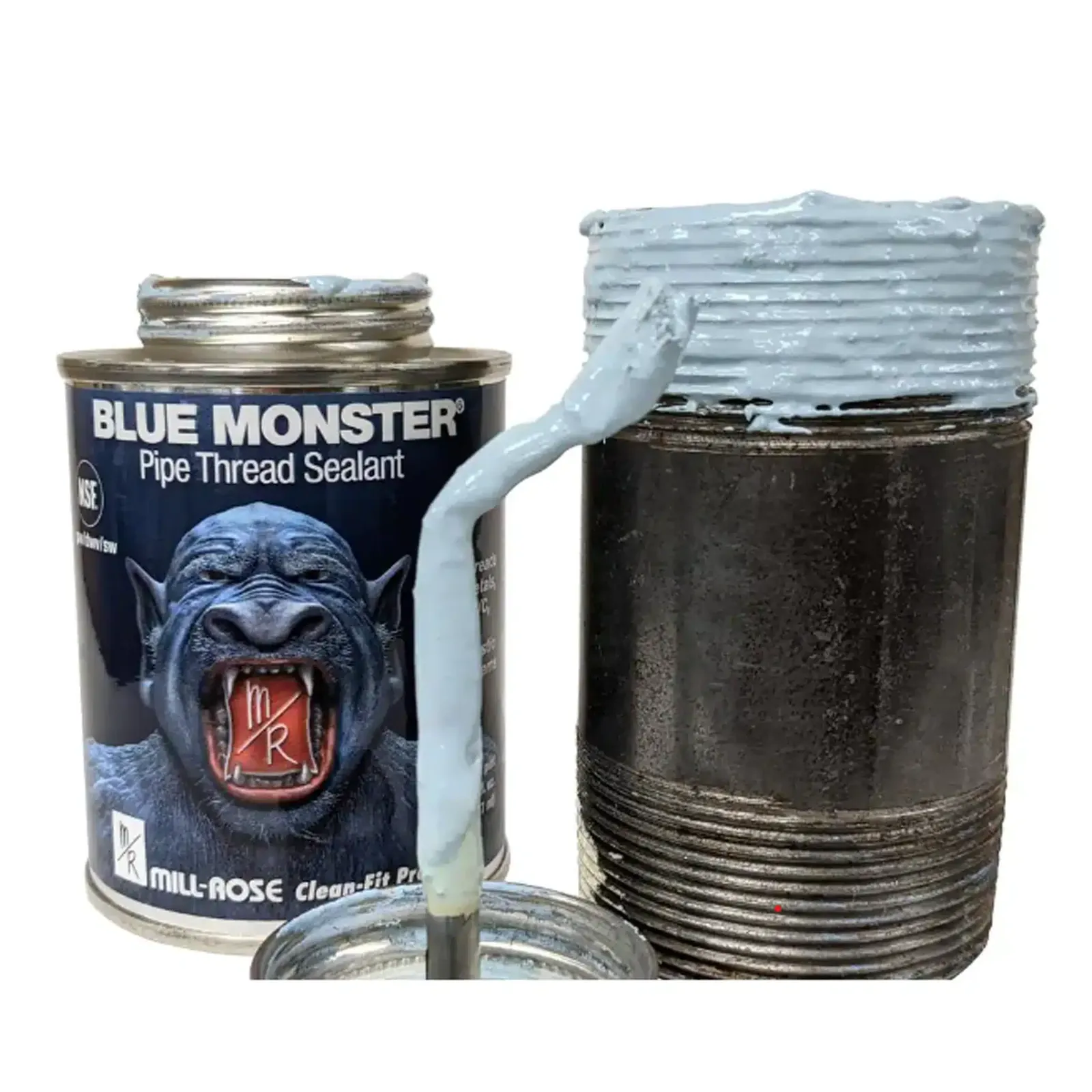
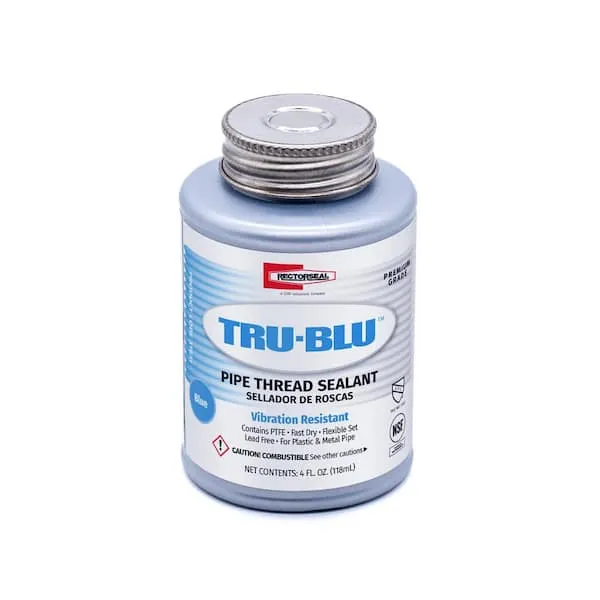
Pipe dope, or thread sealing compound, is a thick, viscous paste applied with a brush or applicator. It’s preferred for larger pipe diameters and industrial settings where high-pressure seals are required. Because it remains somewhat pliable, it’s often more vibration-resistant than tape.
Anaerobic Sealants
These are specialized liquids that cure into a tough plastic when deprived of oxygen and in the presence of metal ions. They’re used primarily in mechanical and automotive applications. They provide a “locking” effect that prevents fittings from loosening over time due to machine vibration.
How to Choose the Right Sealant
Choosing the right product depends on the medium flowing through the pipes. Using a sealant that’s incompatible with the fluid can cause the seal to dissolve or contaminate the system.
| Medium | Recommended Sealant Type | Common Application |
|---|---|---|
| Potable Water | PTFE Tape or NSF-Certified Paste | Sink faucets, water lines |
| Natural Gas | Yellow PTFE Tape or Gas-Rated Paste | Gas stoves, furnaces |
| Hydraulic Oil | Anaerobic Thread Sealer | Heavy machinery, fluid power |
| Steam | High-Temp Paste or PTFE Tape | Radiators, industrial boilers |
What Is the Best Pipe Thread Sealant?
The “best” sealant is subjective to the task. For general household repairs, brands like Oatey, Hercules, and Permatex offer high-quality options that meet standard building codes. For specialized industrial work, Loctite remains the industry leader for its high-performance anaerobic compounds.
Pro Tip: If you’re unsure which product to use, always check the manufacturer’s technical data sheet to ensure the compound is rated for the pressure and temperature of your specific system.
Properly Applying PTFE Tape
Applying tape incorrectly is a common mistake that leads to leaks. To get a perfect seal, hold the pipe fitting in one hand and the tape in the other. Start at the second thread from the end, ensuring you don’t cover the very first thread, which could allow tape fragments to enter the pipe. Wrap the tape in the direction of the threads—usually clockwise—stretching it slightly so it conforms to the grooves.
- Wrap 3 to 5 times for a standard connection.
- Keep the tape taut to ensure it sits deep in the thread valleys.
- Smooth down the end of the tape so it doesn’t fray.
Why Use Pipe Dope Instead?
Pipe dope is often superior to tape when you’re dealing with irregular threads or large-diameter pipes. It coats the threads entirely, creating a more uniform seal that’s less prone to “bunching up” during the tightening process. Furthermore, many pipe dopes include Teflon particles, which provide the lubrication benefits of tape while offering the gap-filling properties of a liquid sealant.
Is Anaerobic Sealant Worth It?
If your system is subject to heavy vibration, such as an air compressor line or an automotive hydraulic system, anaerobic sealant is the only reliable choice. Unlike tape, which can be shaken loose over time, anaerobic compounds harden into a solid bond that acts as both a sealant and a thread locker.
Safety and Certification Standards
When working on potable water systems, you must use products that are safe for human consumption. The NSF/ANSI 61 standard outlines the health effects of drinking water system components and ensures that your sealant won’t leach harmful chemicals into the water supply. Always look for the NSF mark on the container before purchasing a product for your home water lines.
Troubleshooting Common Sealing Issues
Leaks often occur because the pipe threads were damaged during installation or because the sealant was applied over dirt and debris. Before applying any sealant, use a wire brush to clean old, hardened paste or shredded tape from the threads.
Identifying Causes of Failure
- Contamination: Oil or grease on the threads prevents the sealant from bonding.
- Cross-Threading: Forcing a fitting at an angle ruins the threads, making a perfect seal impossible regardless of the compound used.
- Over-Tightening: Applying excessive force can crack plastic fittings or stretch metal threads, causing the seal to fail under pressure.
Comparing Liquid Sealant Brands
When shopping for professional-grade liquid sealants, the market is dominated by a few key players known for reliability.
| Brand | Product Line | Best For |
|---|---|---|
| Loctite | 567 Thread Sealant | Industrial, high-pressure, metal |
| Oatey | Great White | Potable water, PVC, metal |
| Permatex | High-Temp Thread Sealant | Steam, automotive, heating |
Warning: Never mix different types of sealants on the same fitting. Combining tape and paste can prevent the threads from seating properly, leading to a weaker connection than using either product alone.
Can You Use Pipe Dope on Gas?
Yes, but only if the product is explicitly labeled for gas use. Gas lines are under specific pressure requirements, and standard water-pipe sealants may not be rated to withstand the chemical properties of natural gas or propane. Always look for the “Gas Rated” label on the packaging, which indicates that the product has undergone rigorous testing for flammability and chemical compatibility.
Selecting the Right Texture
The viscosity of your sealant is critical for your workflow.
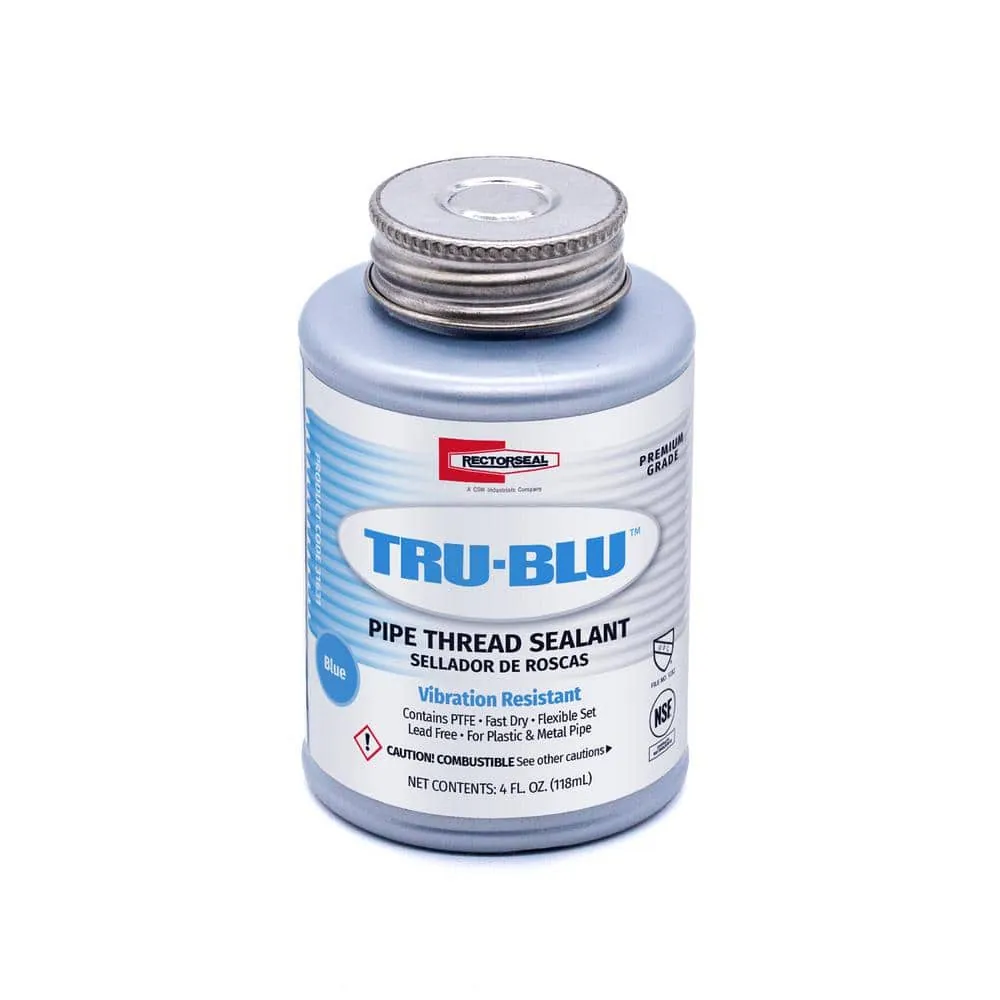
- Thin Pastes: These are easier to apply to very fine, small-diameter threads, such as those found on instrumentation gauges.
- Thick Pastes: These are better for large-diameter iron or steel piping where there may be significant gaps between the male and female threads.
- PTFE Tape: This is the cleanest option and requires no drying time, making it ideal for quick repairs where you need to turn the water back on immediately.
Related guides
- 10 Best RV Drain Cleaner Picks for Clear Pipes and Tanks in 2026
- 10 Best Drain Cleaner for Gunk Picks to Clear Your Pipes in 2026
- 10 Best Wood for Adirondack Chairs: Expert Material Picks in 2026
Frequently Asked Questions
Can I apply pipe dope over tape?
It’s generally not recommended. Applying pipe dope over tape creates a “slippery” surface that can cause the threads to over-tighten, potentially cracking the fitting. In most cases, you should choose one or the other based on the application requirements. If the connection is leaking even after using one method, it’s better to disassemble the fitting, clean it thoroughly, and re-apply correctly.
Does pipe sealant ever expire?
Yes, most pipe sealants have a shelf life, typically ranging from one to three years depending on the manufacturer. Anaerobic sealants are particularly sensitive to age, as the chemical activators can degrade, preventing the compound from hardening properly. Always check the expiration date on the bottle or tube before starting a critical project to ensure you aren’t using degraded materials.
How do I remove old pipe sealant?
For tape, a simple wire brush or a stiff nylon brush is usually enough to clear the threads. For hardened anaerobic sealants or stubborn pastes, you may need a chemical thread sealant remover or a solvent like acetone. Always wear gloves when using solvents, and ensure the area is well-ventilated to avoid inhaling fumes during the cleaning process.
Is PTFE tape toxic?
PTFE itself is chemically inert and non-toxic. However, the manufacturing process sometimes uses additives that may not be safe for food-grade or high-purity water systems. If you’re working on a potable water system, ensure the tape is certified as food-grade or NSF-compliant to guarantee that it doesn’t introduce any contaminants into the water supply.
Can I reuse a pipe fitting?
You can reuse a metal fitting if the threads aren’t stripped, deformed, or corroded. However, you must meticulously remove every trace of the old sealant before applying new material. Plastic fittings, especially those made from PVC or CPVC, should generally be replaced rather than reused, as they’re prone to stress fractures and fatigue that aren’t always visible to the naked eye.
What happens if I use too much sealant?
Using too much sealant can lead to several problems. Excess paste can be forced into the pipe, where it may harden and restrict flow or clog sensitive components like pressure regulators and filters. Excess tape can shred during assembly, creating debris that can block small orifices. Use only enough sealant to fill the thread voids, and wipe away any excess that’s squeezed out during assembly.
Conclusion
Before beginning your project, verify the specific pressure and temperature requirements of your system by consulting the manufacturer’s manual for your pipes or valves. Once you have confirmed the compatibility of your chosen sealant with the medium being transported, clean your threads, apply the sealant evenly, and tighten the connection to the manufacturer’s recommended torque specifications to ensure a durable, leak-free seal.