
Wall ovens offer significantly more interior capacity and a permanent, integrated aesthetic, whereas countertop ovens provide faster preheat times and higher energy efficiency for smaller meals. Most standard wall ovens provide between 3.0 and 5.0 cubic feet of cooking space, while countertop models typically range from 0.5 to 1.5 cubic feet. Comparing wall ovens to countertop ovens helps you decide based on your kitchen layout, your daily cooking volume, and whether you prefer a fixed appliance or a portable one.
Who needs which appliance
The primary user for a wall oven is a homeowner remodeling a kitchen who wants a sleek, flush-mount appearance and the ability to cook large items like a full turkey without bending down. These users often prioritize a dedicated, high-capacity appliance that remains in one spot for the life of the kitchen. If you’re designing a space for heavy-duty, multi-rack baking, this is the superior choice for your needs.
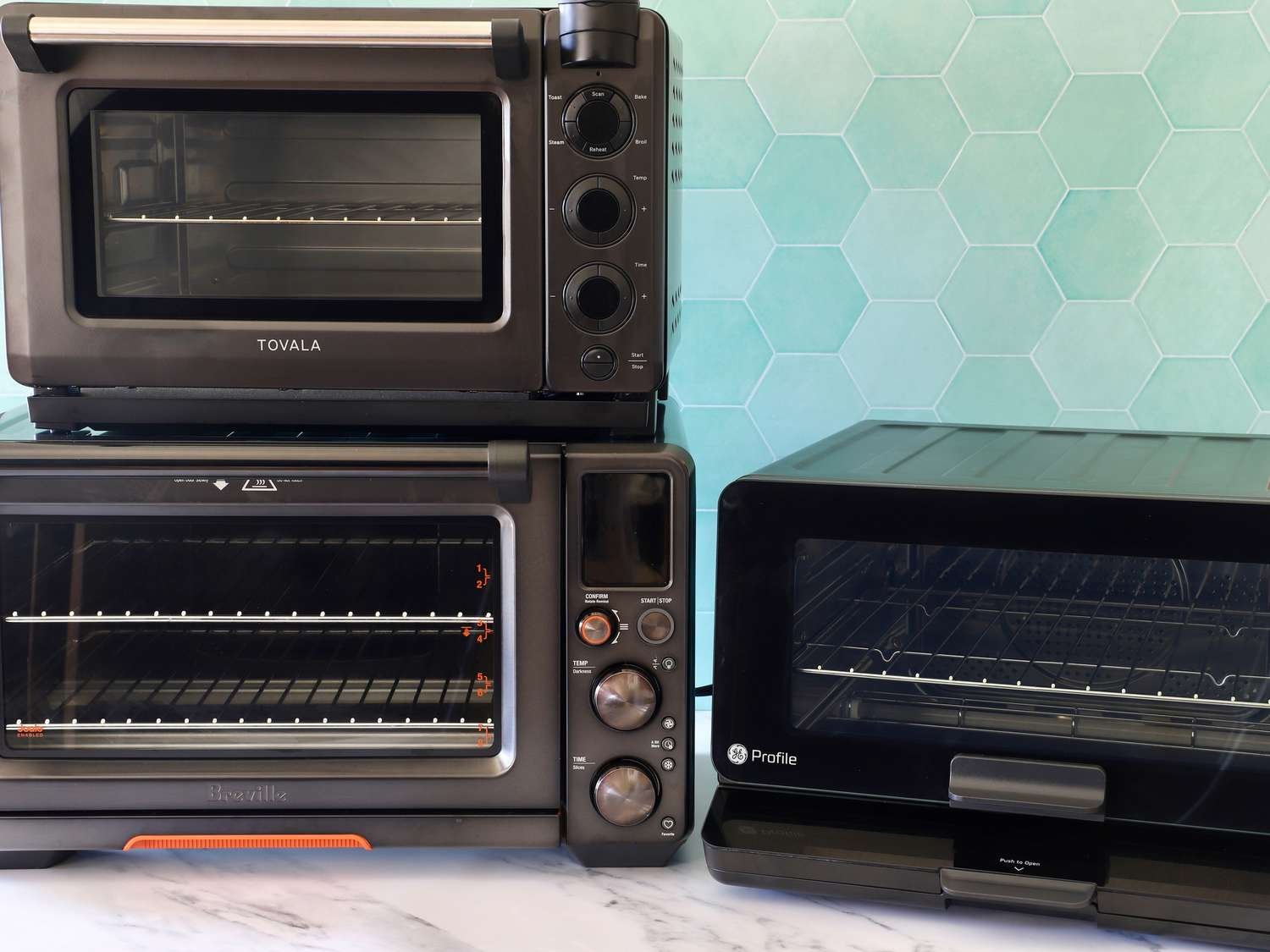
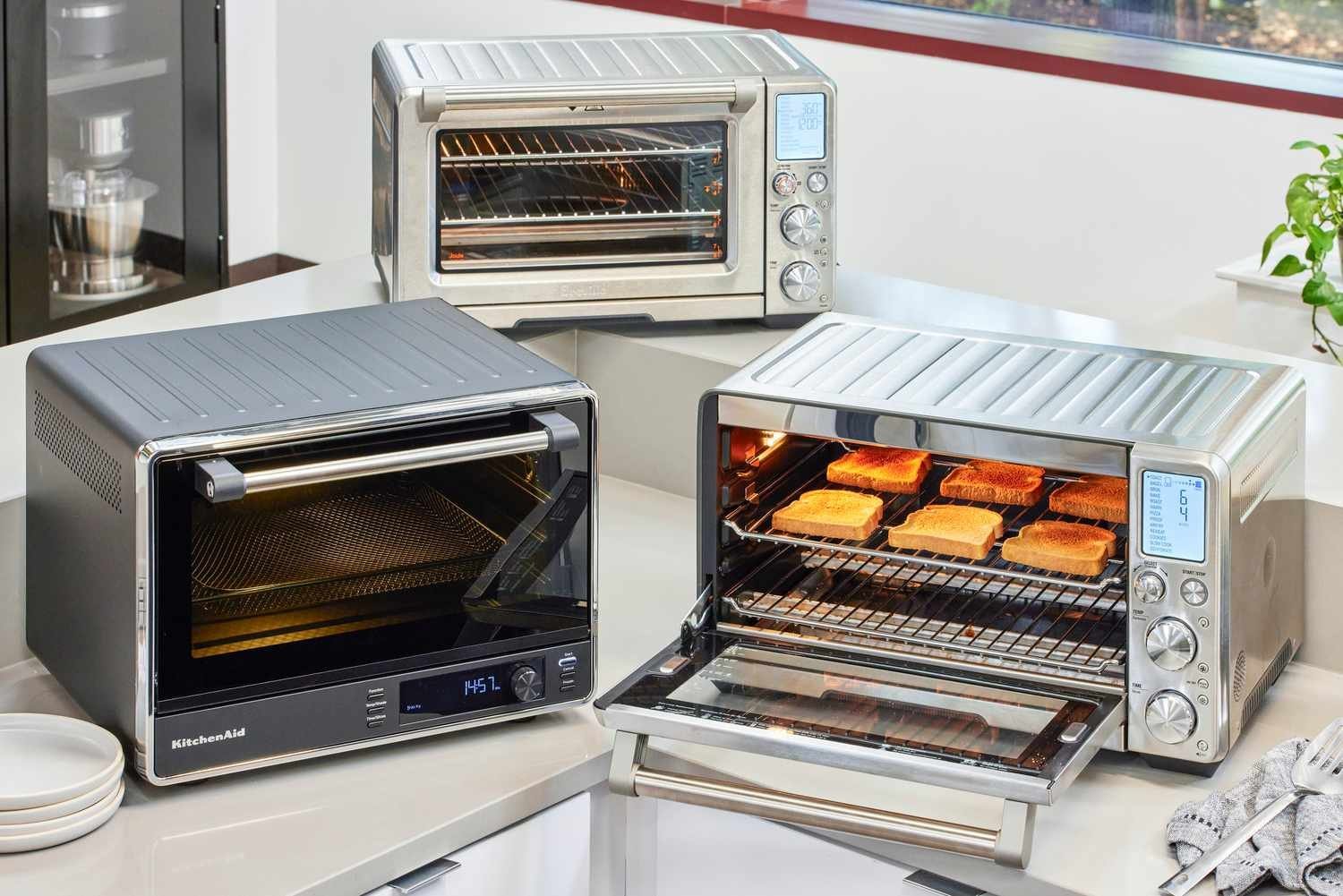
The countertop oven is intended for renters, apartment dwellers, or individuals with limited kitchen floor space who need versatility without permanent installation. These users often cook for one or two people and appreciate the ability to move the appliance to clear counter space. If your primary goal is to toast bread, reheat leftovers, or cook small portions quickly without heating up a large cavity, you’re the ideal candidate for a countertop model.
This article assumes you’re comparing modern, residential-grade versions of both. If you’re a professional chef requiring industrial-scale power, you should look toward commercial-grade equipment instead. We focus here on standard, consumer-facing appliances found in typical home kitchens.
Variables influencing your choice
Kitchen layout is the most significant factor. Wall ovens require dedicated cabinetry and professional installation, which is a permanent commitment. If your kitchen lacks the required cabinet depth or height, you can’t install a wall oven without major construction. You can check your available space by measuring the width and depth of your current lower cabinets or wall cutouts to see if they align with standard 24, 27, or 30-inch units.
Cooking volume is the second factor. If you frequently host large dinners, the 4.0 cubic feet found in a standard wall oven is necessary. Countertop ovens, which rarely exceed 1.5 cubic feet, simply can’t hold the same quantity of food. If you find yourself cooking in batches, you’re wasting time that a larger unit would save.
Energy efficiency varies by usage. A smaller countertop oven heats up in under five minutes because of its limited volume. A wall oven may take 15 to 20 minutes to reach the same temperature. If you only cook small meals, the wall oven wastes energy by heating a large, empty space.
Installation costs are often overlooked. A wall oven requires electrical hardwiring or gas line modifications, often costing hundreds of dollars for a licensed technician. A countertop oven is essentially plug-and-play. If you’re on a budget or move frequently, the wall oven is a poor investment because you can’t take it with you.
Installation and setup differences
- Measure your available space to ensure the unit fits the cabinet or counter.
- Verify your electrical circuit capacity, as wall ovens usually require a dedicated 240-volt line.
- Remove old appliances carefully to avoid damaging surrounding cabinetry or flooring.
- Position the wall oven into the cutout and secure it using the manufacturer-provided mounting hardware.
- Connect the wiring according to your local building codes and the unit’s manual.
- Slide a countertop oven onto a heat-resistant surface with at least 4 inches of clearance on all sides.
- Plug the countertop unit into a standard 120-volt grounded outlet.
- Perform a test run at the highest temperature for 15 minutes to burn off manufacturing residues.
Proper installation ensures safety. If you aren’t comfortable working with high-voltage wiring, always hire a licensed electrician to avoid fire risks or voiding your warranty.
Oven performance at a glance
| Appliance Type | Primary Benefit | Typical Capacity | Power Source |
|---|---|---|---|
| Wall Oven | Large volume | 3.0–5.0 cu ft | 240V Electric/Gas |
| Countertop Oven | Speed/Efficiency | 0.5–1.5 cu ft | 120V Standard |
| Toaster Oven | Small snacks | Under 0.5 cu ft | 120V Standard |
| Convection Wall | Even heating | 3.0–5.0 cu ft | 240V Electric |
| Air Fry/Oven | Versatility | 0.8–1.2 cu ft | 120V Standard |
Choose based on your daily throughput. If you cook for more than four people, a wall oven is mandatory. Smaller units struggle with thermal recovery times, meaning the temperature drops significantly when you open the door to baste or rotate pans.
Most buyers make the mistake of choosing an air fry/oven combo for large roasts. While these units excel at crisping, their heating elements sit too close to the food. This often results in a burnt exterior and a raw center for thick proteins.
Use this decision rule: if your primary goal is baking multiple sheets of cookies, prioritize a convection wall oven. The fan-forced air ensures consistent browning across all racks. If you prioritize reheating leftovers or quick snacks, stick to a countertop unit.
Countertop models draw only 120V, so they can’t match the raw wattage of a 240V wall oven. You’ll save on installation costs, but you sacrifice the ability to hold steady temperatures during long, slow braises. If your kitchen layout allows, keep a small toaster oven for daily use to avoid heating your entire wall oven for a single slice of bread.
Factors affecting your results
Temperature accuracy and control
Wall ovens utilize larger heating elements and more sophisticated sensors to maintain consistent temperatures over long periods. In many cases, these units include heavy-duty insulation that prevents heat loss during long roasts. You can verify your oven’s accuracy by placing an independent oven thermometer in the center of the rack and comparing it to the digital display. If you notice a variance of more than 15 degrees, check your manual for recalibration instructions.
Cleaning and maintenance
Maintenance for wall ovens involves self-cleaning cycles that use high heat to burn off debris, which can take up to four hours. You must remove all racks and pans first, as the high heat can warp them. Countertop ovens are generally smaller and often feature removable crumb trays, making them easier to wipe down by hand. Always follow the safe minimum internal temperatures provided by FoodSafety.gov when cooking meats, regardless of which appliance you choose, to ensure food is safe to eat.
Common issues and solutions
| What you notice | What it usually means | What to do first | How to stop it |
|---|---|---|---|
| Uneven browning | Element failure | Test element continuity | Rotate pans halfway |
| Long preheat | Sensor error | Clean the sensor | Keep door closed |
| Smoke buildup | Grease accumulation | Run cleaning cycle | Clean trays weekly |
| Door gaps | Worn gasket | Inspect seal integrity | Replace door seal |
| Erratic temps | Bad thermostat | Check calibration | Avoid cold drafts |
If your oven browns only on one side, check the heating element for visible blisters or breaks. A multimeter reading of infinity indicates an open circuit, meaning the heating element is broken and must be replaced. If the element looks pristine, your issue is likely airflow. Always rotate your pans 180 degrees halfway through the bake time to compensate for internal hot spots.
Extended preheat times often stem from a sensor coated in carbon buildup. Wipe the sensor probe with a damp cloth and mild dish soap, but avoid abrasive pads that scratch the metal. If the oven still takes longer than 15 minutes to reach 350 degrees, the sensor is likely failing and needs a resistance check.
Smoke is usually caused by spilled fats hardening on the bottom liner. If you see thick, black smoke, stop the oven immediately and wipe the floor. To prevent this, place a foil-lined drip tray on the lowest rack to catch overflow before it carbonizes.
Check door gaskets by closing the door on a piece of paper. If the paper slides out without resistance, the seal is compromised. A loose seal forces the thermostat to work overtime, leading to premature component failure. Replace the gasket immediately to maintain thermal efficiency and save on energy costs.
Finally, erratic temperatures often result from the oven being placed near a high-traffic window. Cold drafts confuse the thermostat, causing it to cycle the elements too frequently. Move the unit away from exterior doors or vents to ensure a stable ambient environment.
Regulatory and safety standards
Installation of a wall oven must comply with the National Electrical Code in the United States, which dictates the wire gauge and breaker size for heavy appliances. You can find your local requirements by visiting the website of your municipal building department. These rules exist to prevent overheating of electrical circuits, which can lead to house fires. Countertop ovens must comply with Underwriters Laboratories (UL) standards for small kitchen appliances. If you buy a unit, look for the UL mark on the back label to confirm it has passed safety testing. Never attempt to modify the plug or the power cord of a countertop oven to fit a different outlet, as this creates a significant shock hazard.
What it costs you
The cost of a wall oven starts at a moderate price for a basic model and can exceed a significant amount for luxury versions with smart features. Beyond the purchase price, you must budget for professional installation, which adds a variable fee depending on your kitchen’s existing infrastructure.
If your current cabinetry requires modification to fit a new unit, expect to pay an additional fee in carpentry costs. Electricians may also charge a premium if your circuit breaker can’t handle the higher amperage of a modern convection system.
Countertop ovens are far more affordable, often costing much less than a new wall unit. The real cost here is longevity; a high-end wall oven is built to last, while a countertop oven typically fails sooner when the heating elements or electronics break.
If you replace a countertop oven regularly, the long-term cost gap closes significantly over a decade. A common mistake is ignoring the cost of specialized cleaning supplies or replacement racks for wall units, which can add a recurring expense.
Use this decision rule: if you cook for a family of four or more, the efficiency of a wall oven justifies the upfront investment within six years. If you live alone or prioritize counter space, the lower entry price of a countertop model remains the smarter financial choice.
Always check your warranty terms before purchase. Many luxury wall ovens include labor coverage for the first year, whereas most countertop models require you to ship the unit back at your own expense for repairs.
Daily care and upkeep
To keep your oven performing well, wipe down the interior surfaces after every use once the unit has cooled. Use a soft microfiber cloth dampened with warm water and a drop of mild dish soap. Avoid harsh chemical cleaners, as residue can bake into the finish and release fumes during your next cook.
Never use abrasive scrubbers on the glass window. These create microscopic scratches that weaken the material, eventually leading to a shattering risk under high heat. If you see stubborn grease, apply a paste of baking soda and water, letting it sit for twenty minutes before gently wiping it away.
If you notice the door isn’t closing tightly, check the hinges for debris or loose screws.
For wall ovens, schedule a professional check of the heating elements regularly if you use the unit daily. If the bake element shows visible blistering or gray spots, replace it immediately to prevent uneven cooking.
If you store a countertop oven in a cupboard, ensure it’s completely cool before moving it. Always leave at least four inches of clearance on all sides to allow for proper airflow during operation.
When to avoid this choice
Avoid wall ovens if you’re renting your home or planning to move within three years. Unlike a slide-in range, a wall oven is hard-wired and permanently built into your cabinetry. Removing one requires professional carpentry and electrical work, meaning you’ll likely leave your investment behind for the next tenant.
Every inch of storage is precious in a small footprint. Installing a wall oven forces you to sacrifice a lower cabinet that could otherwise house pots, pans, or a dishwasher. In these tight quarters, a high-quality countertop convection oven is the superior choice.
However, don’t settle for a small countertop unit if you’re an avid baker. These compact models often suffer from uneven heat distribution. You’ll notice “hot spots” near the heating elements that scorch the edges of delicate pastries while the center remains raw.
The decision rule is simple: if you bake regularly or prepare large-batch items like sourdough loaves or multi-tiered cakes, you need the thermal mass of a full-sized oven. If you only bake occasionally or prioritize kitchen storage over culinary output, the countertop unit is sufficient.
Finally, check your electrical panel before committing. A wall oven typically requires a dedicated 240-volt circuit. If your current range is gas and your kitchen lacks this high-voltage line, the cost of an electrician to upgrade your panel can be a significant expense. Always verify your existing power supply before purchasing.
Frequently asked questions
Can a countertop oven replace a wall oven?
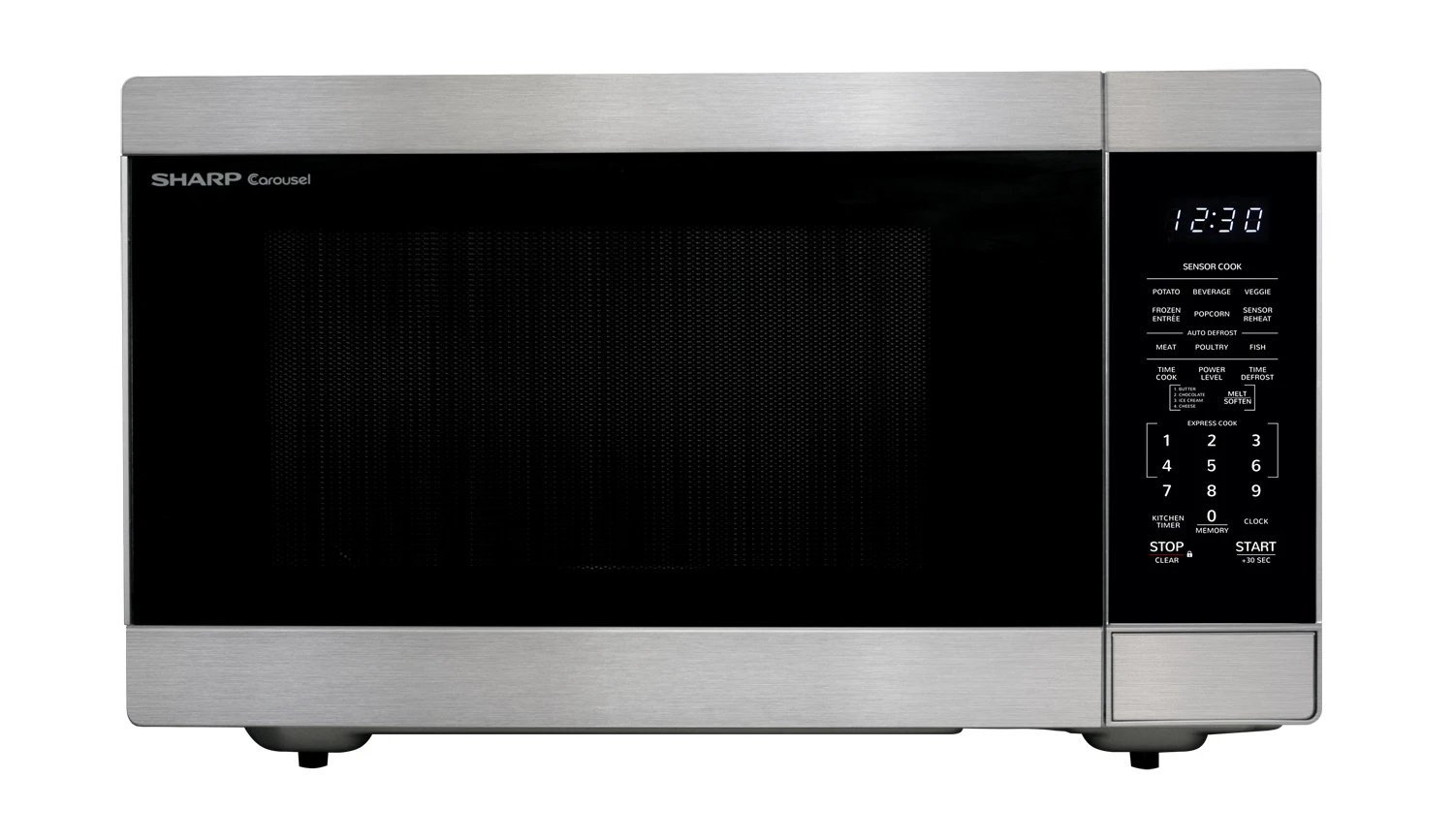
Yes, a countertop oven can replace a wall oven if you primarily cook small portions and don’t need to bake large items like turkeys. You’ll lose total capacity and some temperature stability, but you’ll gain counter space and faster heating times for daily tasks.
Is it safe to leave a countertop oven on the counter?
Yes, it’s safe as long as you maintain at least 4 inches of clearance on all sides for airflow. Always place the unit on a heat-resistant surface like granite or quartz, and never store it directly against a wall or under low-hanging cabinets where heat can accumulate.
How long do wall ovens last compared to countertop ones?
Wall ovens typically last a long time with regular maintenance, while countertop ovens usually have a shorter lifespan as they age. The difference in lifespan comes from the quality of the internal components, the thickness of the insulation, and the fact that wall ovens are designed as permanent, heavy-duty fixtures.
Does a wall oven use more electricity than a countertop oven?
Yes, a wall oven uses more electricity because it must heat a significantly larger volume of air. If you’re only heating a small meal, the wall oven is less efficient, as you’re paying to heat space that isn’t being used for food.
Can I install a wall oven myself?
No, you shouldn’t install a wall oven yourself unless you have advanced experience with electrical hardwiring and carpentry. Most manufacturers require professional installation to maintain the warranty, and improper wiring carries a high risk of fire or electrical shock in your home.
How do I know if my kitchen can fit a wall oven?
You can determine if your kitchen fits a wall oven by measuring the interior width and depth of your existing cabinet cutout. Compare these measurements against the “cutout dimensions” listed in the installation manual of the specific wall oven model you’re considering on the manufacturer’s official website.
Wall ovens, in short
Start by measuring your available kitchen space to see if a built-in unit is physically possible. If your space allows, decide if your daily cooking habits justify the higher cost and permanent installation of a wall oven. If you find that you rarely cook for more than two people, a high-quality countertop oven will likely serve your needs perfectly without the expense of a major kitchen remodel.