
Algae harvesting turns pond water into usable powder or oil by removing moisture. The process is like squeezing a wet sponge to leave only the solid material behind. You begin with thousands of gallons of green water and end with a few pounds of dry product.
Parts that do the work in algae harvesting
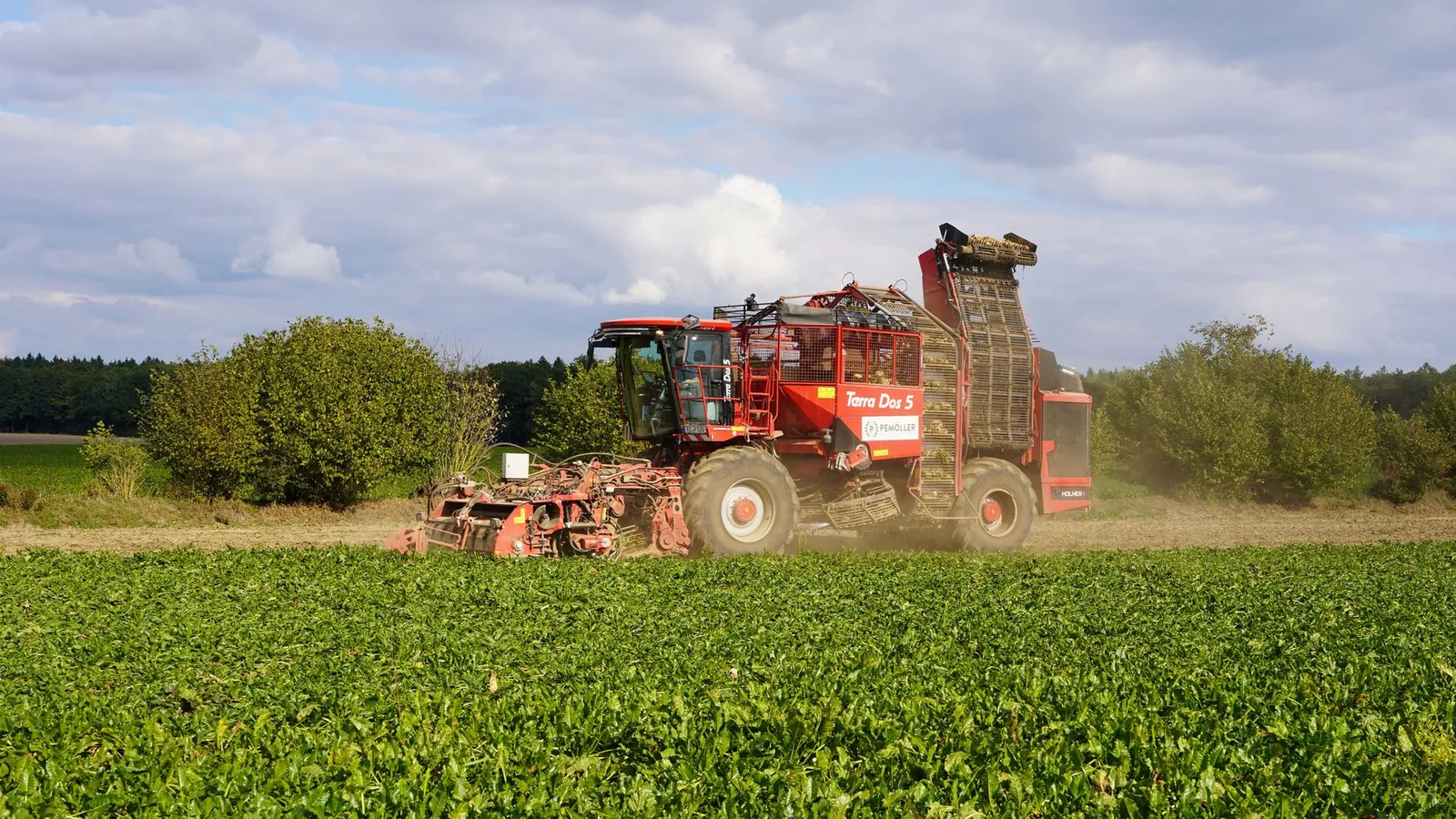
Every step in this process relies on specific equipment to move the algae from water to a finished form. The parts below handle the heavy lifting at each stage. If one piece fails, the whole line stops.
| Part or input | What it does | What you notice when it goes wrong |
|---|---|---|
| Open raceway pond | Grows algae using sunlight and nutrients | Water turns brown or smells rotten |
| Flocculant chemical | Clumps tiny cells together for easy removal | Algae passes straight through the filter |
| Belt filter or centrifuge | Squeezes water out of the clumped algae | Output is still mostly liquid sludge |
| Drying chamber | Evaporates remaining moisture using heat | Powder feels sticky or forms hard lumps |
| Extraction press | Breaks cells to release oils or proteins | Yield is much lower than expected |
| Nutrient feed (nitrogen, phosphorus) | Feeds the growing algae population | Growth slows down or stops completely |
Check your flocculant dosage on the chemical supplier’s technical sheet, because the right amount changes with every algae species and pond temperature.
Steps from pond water to dried algae
The cycle moves fast once the pond reaches the right density. You’re watching the color change from light green to dark, almost black-green before you start. This assumes a standard 10,000-gallon outdoor raceway pond running in summer weather; for indoor tanks or winter runs, allow about half as long again for growth.
- Grow the culture. Sunlight and added nutrients push the algae to multiply in the pond over 7 to 14 days, depending on the strain and daily light hours. You wait until the biomass hits roughly 0.5 to 1 gram per liter.
- Add the flocculant. Mix the chosen chemical into the water so the single cells stick together into larger flakes. This takes 30 to 60 minutes of gentle stirring to spread evenly without breaking the new clumps apart.
- Separate the bulk water. Run the thickened mixture over a belt filter or spin it in a centrifuge to remove about 80% of the water. You’ll get a wet paste that looks like thick green mud.
- Wash the paste. Rinse the wet cake with fresh water to wash away leftover salts, chemicals, or dirt. Thoroughly rinsing the wet cake with fresh water helps remove leftover salts, chemicals, and dirt to improve the purity of the final product.
- Dry the biomass. Spread the washed paste inside a drum dryer or spray tower where hot air pulls the moisture down below 10%. This usually takes 2 to 4 hours at 60°C to 80°C for a small batch.
- Mill the dried sheets. Grind the brittle, dried algae into a fine powder using a hammer mill. You want particles under 200 microns so they mix easily into other materials later.
- Extract the target compound. If you need oil instead of powder, press the dried meal or run it through a solvent bath. This separates the lipids from the protein-rich leftovers in about an hour.
- Package the output. Seal the final powder or oil in moisture-proof bags or drums right away. Leaving it exposed to humid air for even a day ruins the shelf life.
Why broken steps ruin the final algae product

A bad smell or low yield always points back to one specific machine failing in the chain. You don’t guess which part broke; you read the symptom and trace it backward. A rotting fish smell usually indicates lipid oxidation or volatile amine release during drying. If the powder smells fine but yield is low, your extraction method likely failed to break the cell walls.
Flocculant issues show up earlier. When the algae passes straight through the belt filter instead of catching on the mesh, you either used the wrong chemical or added too little. Adding more doesn’t always fix it.
Skipping the wash step costs you later. Unwashed algae carries pond salts into the dryer, where they bake into the powder. That salt ruins the taste for food products and poisons the catalysts if you’re turning the oil into biodiesel. The US Department of Energy outlines algae processing pathways that map exactly where these contaminants enter the stream.
If your culture crashes before harvest—turning clear or brown overnight—you’re not dealing with a machine problem. A sudden temperature drop or a bacterial infection killed the crop. No downstream equipment can save dead algae. You must drain the pond, sterilize it, and start the 7-to-14-day grow cycle over. Pushing dead biomass through the filter just clogs the belts and wastes power.
What you control in algae harvesting
You have choices at several points in the process, but the biology sets hard boundaries you can’t cross. Knowing the difference saves time and money.
Things you can change
- Flocculant type: Switch between iron salts, aluminum salts, or natural chitosan based on whether the end product is for fuel or food.
- Drying temperature: Keep it between 60°C and 80°C for food-grade powders, or push higher if you only need fuel oil.
- Harvest timing: Pull the crop at peak density rather than waiting longer, because older cultures lose their oil content.
- Nutrient ratio: Adjust nitrogen levels to force the algae to store more fat instead of growing more cells.
- Extraction method: Choose mechanical pressing for lower costs or chemical solvents for maximum oil recovery.
Things fixed by design
- Sunlight limits: Outdoor ponds max out at the local solar radiation level, setting a hard ceiling on daily growth rates.
- Cell wall strength: Some algae species have silica shells that a standard press simply won’t crack, requiring specialized milling.
- Water chemistry: Your local tap or well water brings a fixed mineral profile that alters flocculant performance.
Don’t harvest wild algae for human consumption. Testing for toxins requires specialized lab equipment, and consuming untested algae carries health risks. Leave wild harvesting for commercial fuel to licensed operators who test every batch.
Habits that improve your algae harvest
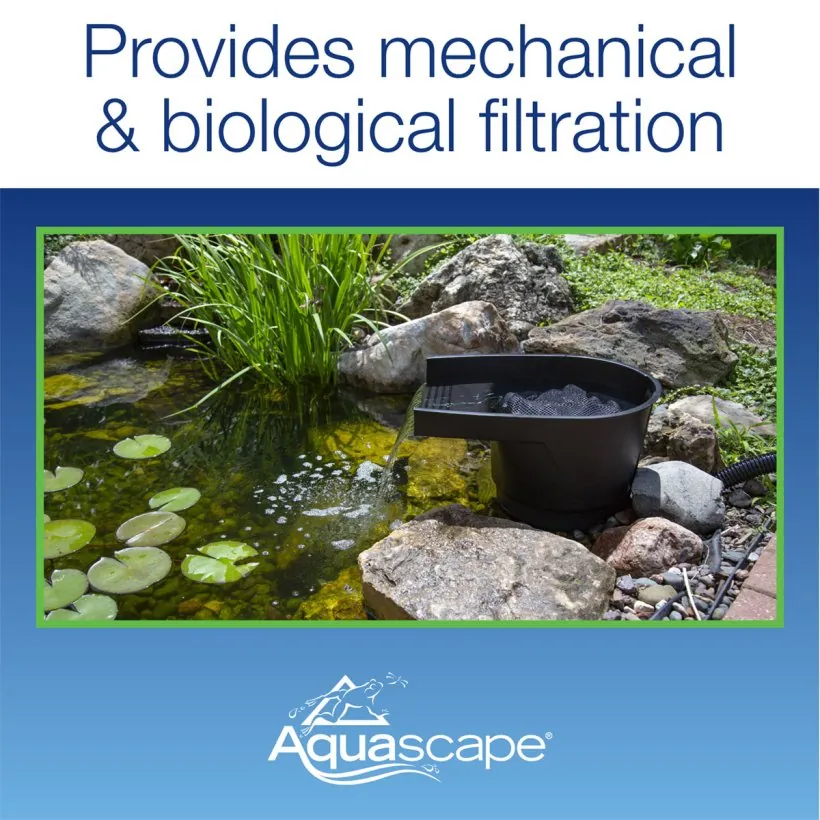
Small adjustments based on how the biology actually behaves will save you from losing entire batches. These aren’t general tips; they follow directly from the mechanics of the process.
Because outdoor ponds rely on sunlight, schedule your harvest for early morning. The algae density peaks after a full day of photosynthesis, but waiting until noon the next day lets respiration burn off the stored fats overnight. You’ll measure a noticeably lighter green color if you wait too long.
If you’re using iron-based flocculants, check the pond pH before adding them. Iron stops clumping cells effectively once the water crosses pH 8.5. Read the meter first; if it’s high, add a mild acid to drop it back to 7.5 before mixing in the chemical.
Don’t let the wet paste sit after filtering. Bacteria start breaking down the proteins within 2 hours at room temperature. Move the wet cake straight into the dryer or freeze it immediately if your dryer is occupied.
Related guides
Frequently asked questions
How long does it take to grow algae for harvest?
It takes 7 to 14 days for an outdoor pond to reach harvest density in summer temperatures above 20°C. For indoor systems running under artificial lights at a constant 25°C, expect 5 to 7 days. Colder weather pushes both ranges toward the longer end.
Can you eat algae harvested from any pond?
No, you shouldn’t consume algae from untreated or wild ponds due to heavy metals and toxins. Only algae grown in controlled systems with tested water sources and processed under food safety standards is safe to eat. Always verify the source’s testing records before consumption.
Why did my algae culture turn brown?
A brown color means the culture crashed, usually from a sudden temperature drop, bacterial contamination, or nutrient starvation. Dead algae won’t recover. You must drain the pond, clean it thoroughly, and restart with a fresh, healthy seed culture.
How much water do you remove during filtering?
A belt filter or centrifuge removes about 80% of the total water volume during the first separation step. The output is a thick, wet paste containing roughly 15% to 20% solid biomass. The drying chamber handles the remaining moisture afterward.
Is it safe to use chemical flocculants for food-grade algae?
Yes, but only if you use food-safe options like chitosan or approved iron salts, and wash the paste thoroughly afterward. Aluminum-based flocculants are generally avoided for food products due to residual metal concerns. Check your local food safety authority’s approved additive list.
Does the drying temperature affect the final oil quality?
Yes, drying above 80°C degrades sensitive omega-3 fatty acids and alters the oil’s nutritional value. If you’re extracting oil for supplements or food, keep the drying chamber between 60°C and 80°C. Fuel-grade oil tolerates much higher temperatures without issue.
What happens if you skip the washing step?
Skipping the wash leaves pond salts, excess nutrients, and flocculant chemicals baked into the final powder. This ruins the taste for food applications and can poison the catalysts used in biodiesel conversion. A 10-minute freshwater rinse prevents both problems.
How do you know when the pond is ready to harvest?
You measure the biomass concentration, looking for 0.5 to 1 gram per liter in the water. Visually, the pond shifts from light green to a very dark, opaque green where you can’t see the bottom. Harvesting too early yields too little product to justify the processing cost.
Conclusion
Getting algae out of the water is mostly about timing and keeping the material moving. The biology dictates the speed, but the equipment choices dictate the quality. Watch the color, check the numbers on your meters, and don’t let the wet paste sit around waiting for the next machine to free up.
