
A spar platform remains stable because its deep, cylindrical hull positions the center of gravity well below the water surface. This weighted design balances the downward pull of the heavy base against the upward buoyancy of the hull to resist wind and waves. Since the structure is tethered to the sea floor, its stability relies on maintaining constant tension in these mooring lines.
Parts that help the spar platform achieve stability
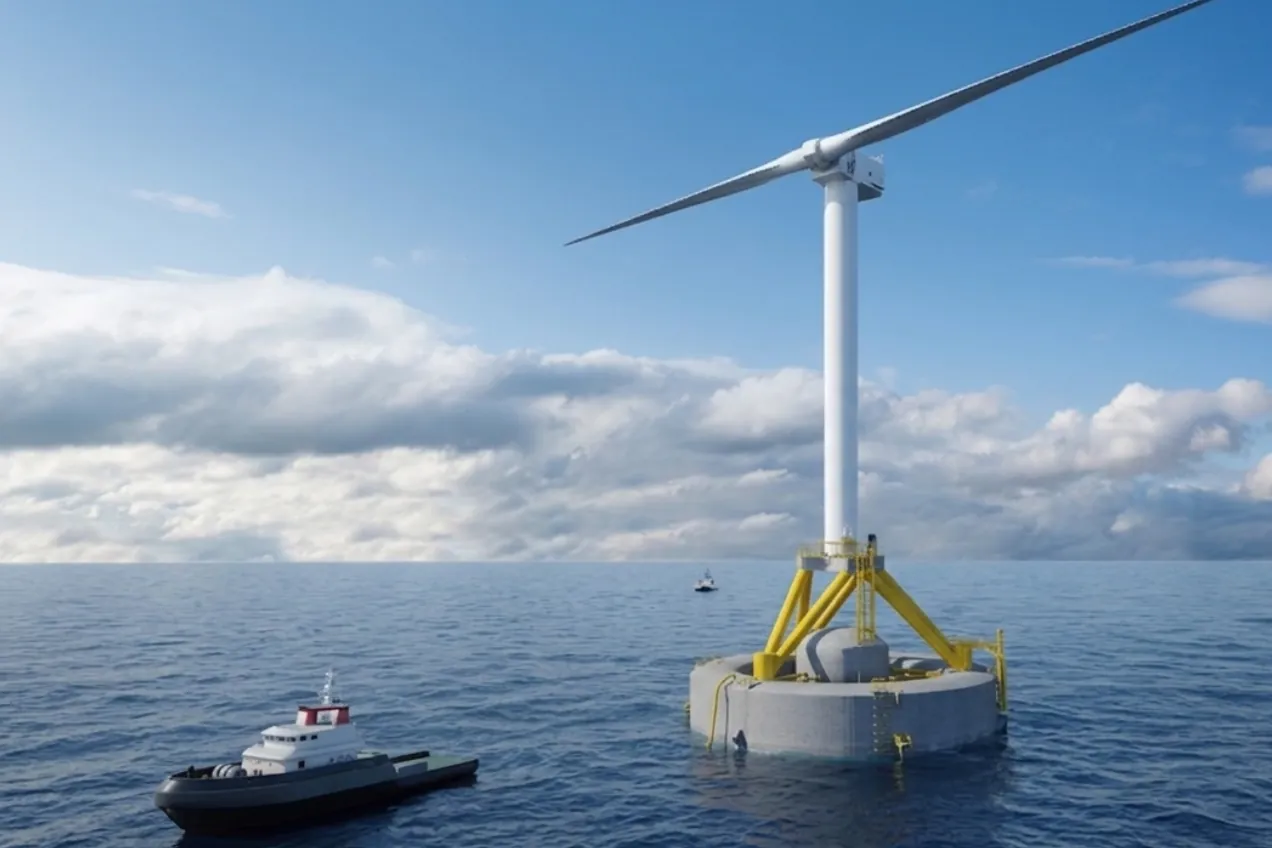
The following parts work together to keep the structure upright and secure in deep water. You can check the specific design limits for any rig in its official technical documentation.
| Part or input | What it does | What you notice when it goes wrong |
|---|---|---|
| Cylindrical hull | Provides buoyancy to float | Excessive tilting or dipping |
| Ballast tanks | Adds weight low down | Loss of vertical balance |
| Mooring lines | Anchors the rig down | Drift from the target site |
| Tether tension | Holds the rig steady | Slack lines or snapping |
| Topside deck | Carries the heavy equipment | Unstable or uneven weight |
Engineers calculate the center of gravity to remain below the metacenter to ensure a positive righting moment. If the center of gravity rises above this threshold, the spar loses its natural righting moment and risks capsizing.
Operators often mistake minor surface oscillations for structural failure.
If the tension exceeds 80 percent of the breaking strength, you must immediately redistribute the ballast to prevent line fatigue. Ignoring these thresholds leads to catastrophic structural shearing.
How the cycle of stability works
- The hull is filled with ballast water in the lower section, which sinks the center of gravity far below the center of buoyancy. This creates a natural righting force.
- Mooring lines are attached to the sea floor in a radial pattern, usually 3 to 12 lines depending on the depth, to prevent the structure from drifting away from its position.
- As waves hit the cylindrical hull, the deep draft ensures the movement is restricted because the water below the surface is much calmer than at the top.
- The platform remains mostly stationary while the mooring lines maintain enough tension to keep the rig centered, even during high winds or strong ocean currents.
- If the weight on the deck changes, the operators adjust the ballast water level to keep the structure level and maintain the design draft for that specific load.
- The entire system stays in a state of dynamic equilibrium, where the upward force of the water and the downward force of the ballast cancel out movement.
Why weight distribution prevents tilting

Stability is the result of the physical distance between the center of gravity and the center of buoyancy. When these two points are far apart, the structure resists tipping because gravity naturally pulls the heavy bottom back to the center. If the weight isn’t distributed correctly, the platform will lean, which stresses the mooring lines and can damage the connections at the sea floor.
A shift in weight is the most common reason for a loss of balance. If operators add heavy equipment to one side of the top deck, the center of gravity moves away from the vertical axis. The platform responds by tilting.
To fix this, ballast water is pumped between different tanks in the hull to shift the weight back to the center. This is how the Bureau of Ocean Energy Management regulates the safe operation of deepwater structures to ensure they don’t exceed their structural limits.
Mistakes often happen when maintenance crews remove ballast without checking the weight of the topside gear. This reduces the righting force, making the rig much more sensitive to wave action. If the platform stays tilted, the mooring lines may experience uneven tension, which can lead to fatigue or failure over time.
Controlling the platform
Things you can control
- The amount of water in the ballast tanks.
- The weight distribution of equipment on the deck.
- The tension levels in the individual mooring lines.
- The schedule for structural inspection of the hull.
Things fixed by design
- The total depth of the cylindrical hull.
- The diameter of the main spar column.
- The number and placement of anchor points.
Any adjustment to the mooring system or major ballast changes requires specialized engineering training and safety certification. If you notice signs of structural instability, you must contact the site lead or a certified marine engineer immediately to assess the risks.
Habits for long-term stability

Consistency in monitoring ensures the platform remains within its design limits. You should check the ballast tank levels every 12 hours to verify they match the current load requirements for the deck equipment.
Regularly inspect the tension in the mooring lines to ensure they remain within the manufacturer’s specified range. Always record these values in the daily logbook to track trends over time. If the platform experiences a storm with waves taller than 5 meters, you must perform a full structural audit of the hull surface to check for damage.
Related guides
- How to Hide Office in Living Room: 5 Fast Design Solutions
- Foosball Table Weight: How Heavy Is a Standard Table in 2026
- Foosball Balls Guide: Size, Weight, and Types Explained in 2026
Frequently asked questions
How long does a spar platform stay stable?
A spar platform stays stable for its entire operational life, which typically ranges from 20 to 30 years, provided the ballast and mooring systems are maintained. Stability is a constant state achieved by the design, so as long as the hull remains watertight and the anchors are secure, the platform will retain its vertical balance.
Is it safe to move equipment on the deck?
It’s safe to move equipment only after you calculate the weight shift and adjust the ballast tanks to compensate for the change. Moving heavy items without adjusting the ballast will cause the platform to lean, which creates uneven stress on the mooring lines and risks the structural integrity of the entire system.
What happens if a mooring line snaps?
The platform will drift from its target position if a mooring line snaps, as the remaining lines must work harder to hold the structure in place. You must immediately assess the tension in the other lines and potentially reduce the topside load to keep the rig within a safe range of motion until repairs are done.
Why do waves not tip the platform?
Waves don’t tip the platform because the deep draft keeps most of the structure below the turbulent surface water. The cylindrical shape also allows waves to pass around the hull rather than pushing against a flat surface, which significantly reduces the impact force compared to other types of floating rigs.
Does the water depth matter for stability?
The water depth matters because the mooring lines must be long enough to allow the platform to move slightly without snapping. If the water is too shallow for the specific spar design, the lines will be too stiff, which prevents the rig from absorbing wave energy and leads to increased stress on the hull.
How often should ballast be adjusted?
Ballast should be adjusted whenever the weight on the deck changes or if the environmental conditions cause a persistent tilt. Operators check the levels during every shift change to ensure the platform remains level, as even a small difference in weight can affect the tension on the mooring lines over several days.
Conclusion
Maintaining the balance of a spar platform is a continuous process of managing weight and tension. By keeping the center of gravity low and the mooring lines tight, the structure remains steady even in the roughest deep-sea conditions. Following the maintenance schedule and monitoring the ballast levels are the most effective ways to ensure the platform stays safe for all personnel on board.
