
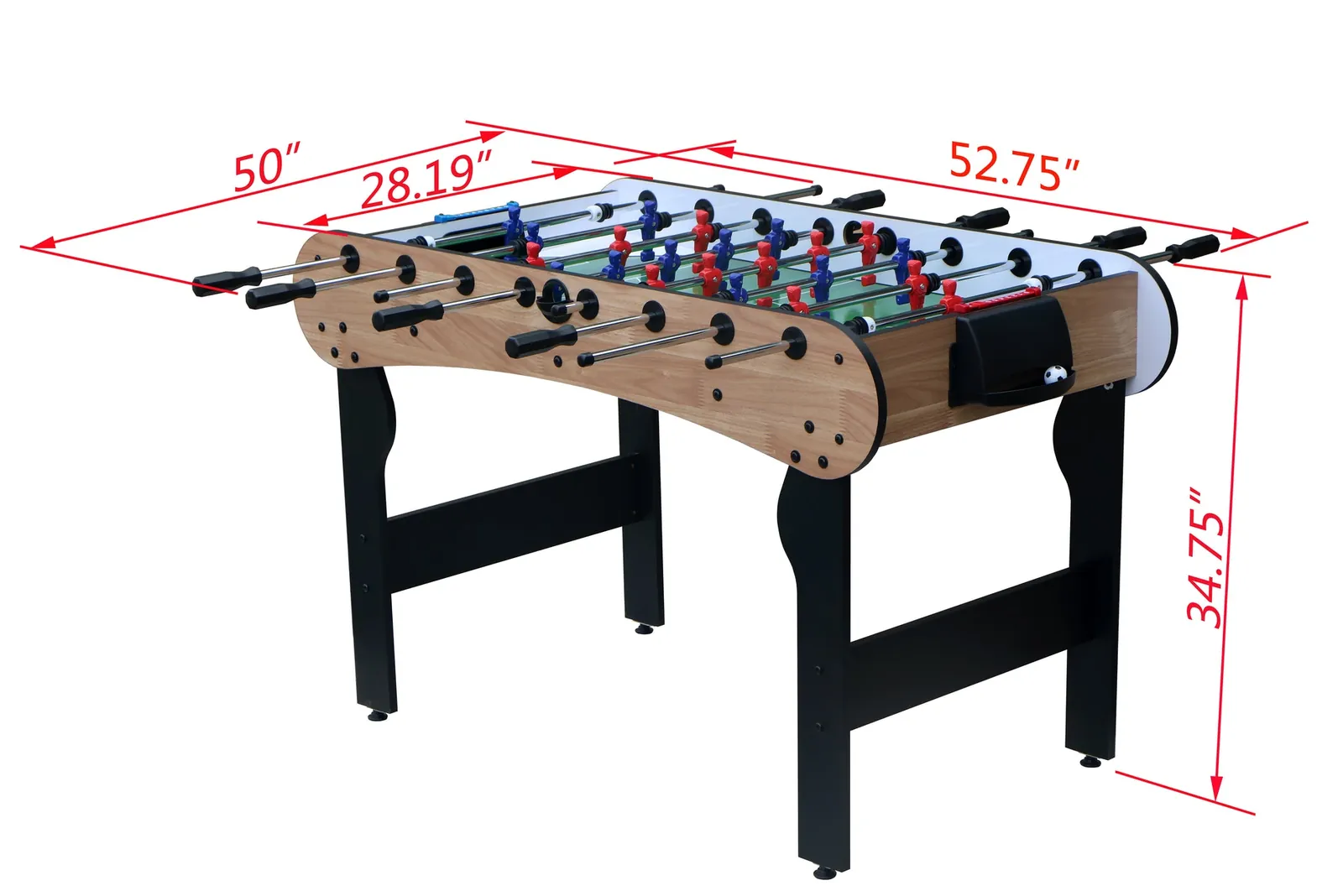
A standard foosball table weight ranges from 100 to 300 pounds. Heavier tables stay stable during fast play and reduce noise. Lighter models move easily but may slide on smooth floors.
This guide covers how weight affects stability, what to look for when buying, and how to choose the right size for your space. You’ll find clear numbers, real trade-offs, and simple steps to pick a table that fits your game style.
How much does a foosball table weigh
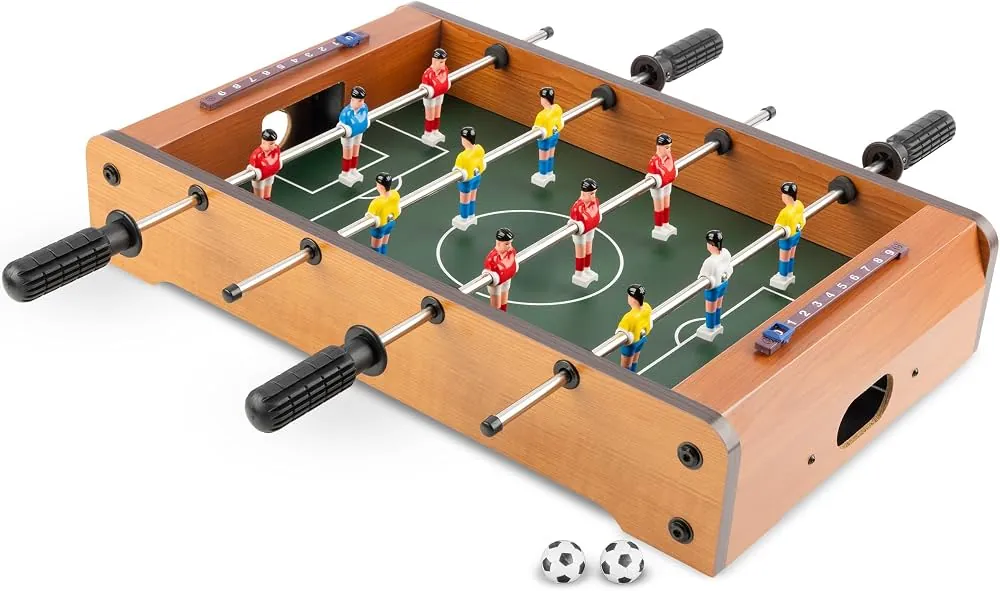
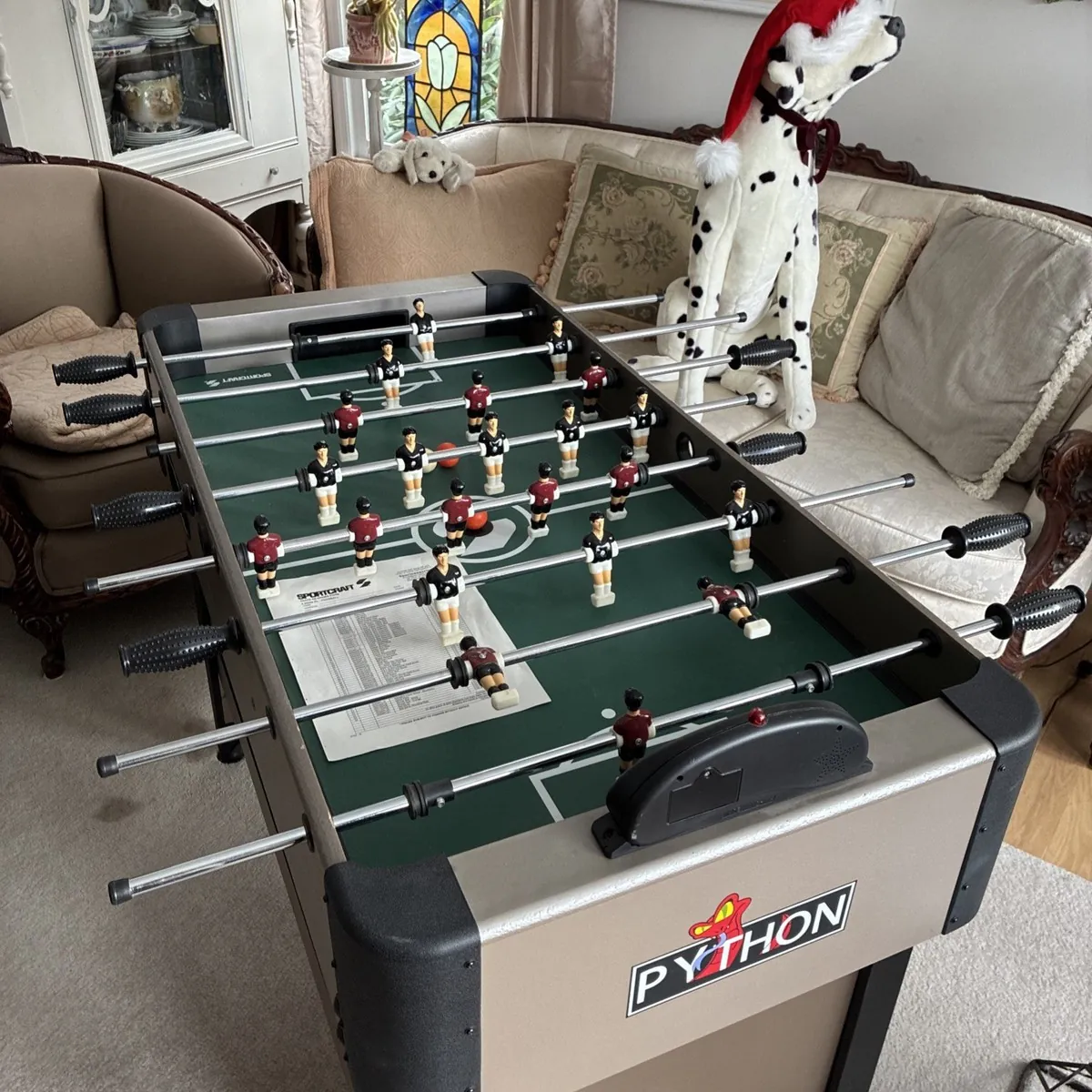
Foosball table weight determines how well the table handles intense play without moving or shaking. It isn’t just about portability; it’s about performance. A heavy table stays put when you slam the rods or spin the ball hard. A light one might drift across the floor, ruining your aim and frustrating your opponents.
Most people think lighter is better because it’s easier to move. This is a common misconception. While mobility matters for storage, stability matters more for actual gameplay. If the table shifts even an inch during a match, your shots go off target. The weight keeps the base grounded and the legs firm.
Manufacturers use different materials to add mass. Steel frames are denser than wood or plastic. Some tables include adjustable feet or sandbags for extra grip. The goal is balance between enough heft for stability and enough lightness for your living space.
The basic method
Choosing the right weight involves checking your space, playing style, and budget. Follow these steps to make a smart decision.
- Measure your room. Ensure there’s at least three feet of clearance around the table for easy movement.
- Decide on usage. If you play competitively, aim for over 150 pounds. Casual play allows lighter options.
- Check the frame material. Steel adds significant weight compared to particle board or plastic.
- Look at leg design. Fixed legs provide more stability than foldable ones, which often weigh less.
- Review the warranty. Heavier tables usually come with longer warranties due to sturdier construction.
- Consider delivery costs. Moving a 200-pound table requires help or professional services.
- Test if possible. Visit a store to see how solid the table feels under pressure.
The single biggest judgement call is balancing stability with your available space. If you have a dedicated game room, go heavier for better performance. If you need to store it in a closet, a lighter model with good stabilizers is smarter. Never sacrifice too much stability just for ease of moving; a shaky table ruins the fun.
Key numbers and settings at a glance
| Situation | What to use | How long | What to watch for |
|---|---|---|---|
| Competitive Play | Over 200 lbs | Permanent setup | Wobble on hard floors |
| Casual Home Use | 100-150 lbs | Flexible storage | Sliding on carpet |
| Small Apartments | Under 100 lbs | Portable storage | Instability during fast shots |
| Commercial Bar | Over 250 lbs | High traffic | Leg wear and tear |
| Tournament Standard | 300+ lbs | Fixed location | Delivery difficulty |
These numbers help you match the table to your specific needs. A tournament-grade table needs immense weight to handle constant abuse. A home table for kids can be lighter but still sturdy. Always check the manufacturer’s specs for exact figures, as they vary by brand.
What separates good results from bad ones
Experienced players know that weight alone isn’t everything. The distribution of that weight matters. A table with heavy rods and a solid base performs better than one that’s just bulky. Good tables have reinforced corners and thick tops that don’t flex.
Beginners often ignore the floor surface. A heavy table on a soft rug might sink slightly, causing uneven play. On hardwood, it slides easily. Using rubber mats or non-slip pads under the legs solves this. It’s a small step that makes a huge difference in stability.
Rod quality varies significantly. Cheap tables often have thin, hollow rods that bend under pressure. Better tables use solid steel rods that add weight and improve responsiveness. When you strike the ball, the energy transfers directly instead of being lost in bending metal. This makes shots more accurate and powerful.
Also, consider the goal box depth. Deeper boxes prevent the ball from getting stuck, keeping the game flowing. Shallow boxes lead to frequent stops and restarts. This isn’t about weight, but it’s part of the overall experience. Combine good weight distribution with quality components for the best result.
Common problems and quick fixes
| What you notice | What it usually means | What to do first |
|---|---|---|
| Table slides during play | Insufficient friction on floor | Add rubber mats or weights |
| Rods feel loose | Worn bearings or screws | Tighten screws or replace bearings |
| Top wobbles | Uneven legs or weak frame | Level legs or reinforce frame |
| Ball gets stuck | Shallow goal box or warped top | Check box depth or flatten top |
| Noisy operation | Dry joints or misaligned parts | Lubricate moving parts |
These issues are common and often easy to fix. Start with the simplest solution, like adding mats for sliding. If rods are loose, check the screws first before buying new parts. Regular maintenance keeps your table playing smoothly for years.
A sliding table rarely needs heavy weights if you address the floor surface directly. Most indoor floors lack the grip required for rapid lateral movements. Place a high-density rubber mat under the entire footprint. This stops the slide without altering the game’s physics. Weights only add inertia, making the table harder to start and stop. Mats provide immediate stability. They also protect the finish beneath from scratches caused by shifting feet.
Loose rods often stem from vibration loosening set screws over time. Before purchasing replacement bearings, inspect the existing hardware. Use a hex key to tighten any accessible screws. If the rod still moves, the bearing housing may be worn. Replace only the damaged component rather than the entire assembly. This saves money and reduces waste. Keep a small kit of spare screws handy for quick repairs.
Wobbling tops usually indicate uneven leg height rather than structural failure. Place a level on the playing surface to identify the low point. Insert shims under the offending leg until the bubble centers. Reinforce the frame only if the wood shows signs of cracking. Simple leveling resolves most instability cases.
Stuck balls typically result from debris accumulation in the goal box. Clean the area with a soft brush before checking dimensions. A warped top is rare unless exposed to moisture. Ensure the room humidity stays below fifty percent. This prevents wood expansion that narrows the scoring zone.
The rules that apply
Heavier tables naturally resist tipping due to their lower center of mass relative to their footprint.
Commercial venues face stricter scrutiny than homes. Local building codes often reference the International Building Code for live load requirements. These codes typically demand that floors support at least forty pounds per square foot in public assembly areas. A standard commercial table weighs between one hundred and two hundred pounds. It concentrates this weight on four small feet or casters. This creates point loads that exceed typical residential floor expectations if placed incorrectly.
Always verify the load capacity of your specific floor joists before installing a heavy unit. Older homes may have weaker structures than modern builds. If you rent, review your lease for clauses regarding permanent fixtures. Landlords may prohibit drilling into subfloors to secure heavy equipment. They might also restrict items exceeding certain dimensions to protect elevator access. Ignoring these restrictions can lead to costly repairs or eviction.
For rentals, consider tables with removable legs. This reduces shipping size and allows easier movement without damaging floors. Check with your insurance provider about liability coverage for commercial play. Some policies exclude injuries caused by unstable gaming equipment. Ensure your table meets safety standards for recreational use. These voluntary guidelines help prevent accidents even when local laws are silent.
Keeping it working afterwards
Maintaining your foosball table is straightforward, but consistency matters more than intensity. Clean the playing surface regularly with a dry microfiber cloth to remove dust and debris that accumulate in the seams. Avoid harsh chemicals or abrasive pads that might damage the finish or strip the protective coating. A simple wipe-down after each heavy session prevents grime from bonding to the wood.
Check the bolts and screws every few months, especially if you play aggressively. Vibration from rapid rod movement can loosen them over time, causing wobble or misalignment. Tightening them ensures the table remains stable and safe for players of all ages. Use a hex key set designed for your specific model to avoid stripping the heads.
Store the table properly if it’s portable. Keep it in a dry area to prevent warping or rust on metal components. Cover it when not in use to protect against dust and direct sunlight, which fades colors. If you live in a humid climate, consider using silica gel packs inside the cover to absorb excess moisture. With proper care, a heavy table can last decades without significant wear.
When to use a different approach
If your apartment has a narrow hallway or a tiny living room, a standard foosball table won’t fit through the door. Measure the diagonal width of your entryway first. A mini tabletop version fits on a coffee table and stores in a closet. It works for quick games but lacks the full experience.
Portability matters if you move often or camp. Look for models with a folding frame and carrying handle. These sacrifice some stability because the joints are less rigid. You trade durability for convenience. Check the weight limit if you plan to play vigorously. Lighter tables wobble more during intense matches.
Competitive players should rent before buying. Local bars often have high-end tables that cost thousands. Renting lets you test the feel without committing a large sum. If you find yourself playing weekly, then buy. Otherwise, stick to rentals. This avoids wasting money on equipment you rarely use.
Related guides
- Best Foosball Tables Under 500: Top 5 Picks in 2026
- How to Paint a Glass Table Top: A Step by Step Guide
- How to Dispose of Large Glass Table Top Panels Safely
Frequently asked questions
Can I increase the weight of my foosball table?
Yes, you can add weight plates to the base or legs. Some manufacturers sell optional weights. This improves stability without buying a new table. Check compatibility first.
Why does my table slide on hardwood floors?
Hardwood offers little friction. Heavy tables still move if pushed hard. Use rubber mats under the legs. This increases grip and prevents sliding during intense games.
How long does a heavy foosball table last?
A well-made heavy table lasts a long time with regular use. Quality materials like steel and solid wood endure wear better. Cheaper models may degrade faster.
Is it safe for kids to play on heavy tables?
Yes, provided the table is stable. Heavy tables are less likely to tip over. Ensure the height is appropriate for children. Supervise young kids to prevent injuries.
What happens if the table is too light?
It may slide or wobble during play. Shots become inaccurate. Opponents get frustrated. Stability is key for a fair and enjoyable game. Choose a heavier model if possible.
Conclusion
So, pick a table that feels solid under your feet. You’ll want something heavy enough to stay put during intense matches but light enough for you to move if needed. Check the weight before buying to ensure it fits your space and play style perfectly.