
Yes, glass is an insulator under normal conditions. The answer to whether glass is it a conductor or insulator changes only when the material melts or contains specific metal oxides. You should treat standard window or container glass as a safe electrical barrier at room temperature, but never assume that protection holds if the glass gets hot enough to glow or soften.
When glass acts as a conductor or insulator

Glass behaves differently depending on its physical state and chemical makeup, so the right answer depends entirely on your specific situation. Use this table to match your scenario with the correct behavior before handling any glass near electricity or heat.
| Your situation | Answer | Why |
|---|---|---|
| Room temperature window pane | Insulator | Electrons are locked in place |
| Standard drinking glass | Insulator | No free charge carriers exist |
| Molten glass above 1000°C | Conductor | Ions move freely when liquid |
| Glass with metal oxide coating | Conductor | Added metals create electron paths |
| Wet glass surface in humidity | Partial conductor | Water film carries the current |
| Cracked high-voltage insulator | Unsafe | Moisture enters conductive cracks |
| Pure fused silica at 25°C | Strong insulator | Extremely high electrical resistivity |
What determines conductivity in glass
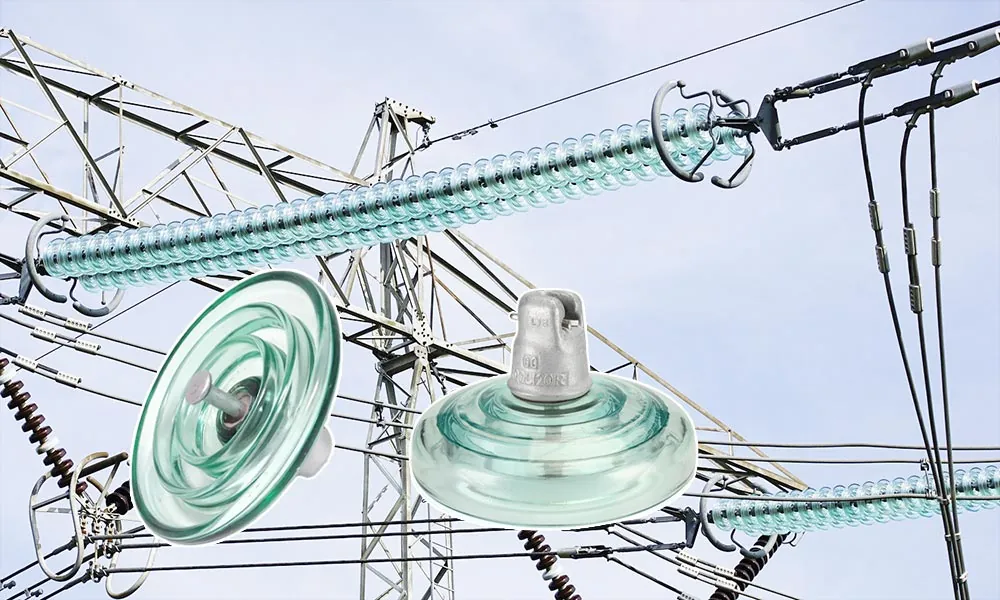
Electrical resistance in glass depends on ion mobility, which is controlled by temperature and chemical composition. At room temperature, the atomic structure is rigid and ions can’t move to carry charge, making standard soda-lime glass an effective insulator according to NIST material properties. Measuring this property is a job for a qualified technician. This high resistance is why utility companies use glass discs on power line towers to isolate live wires from grounded steel structures safely.
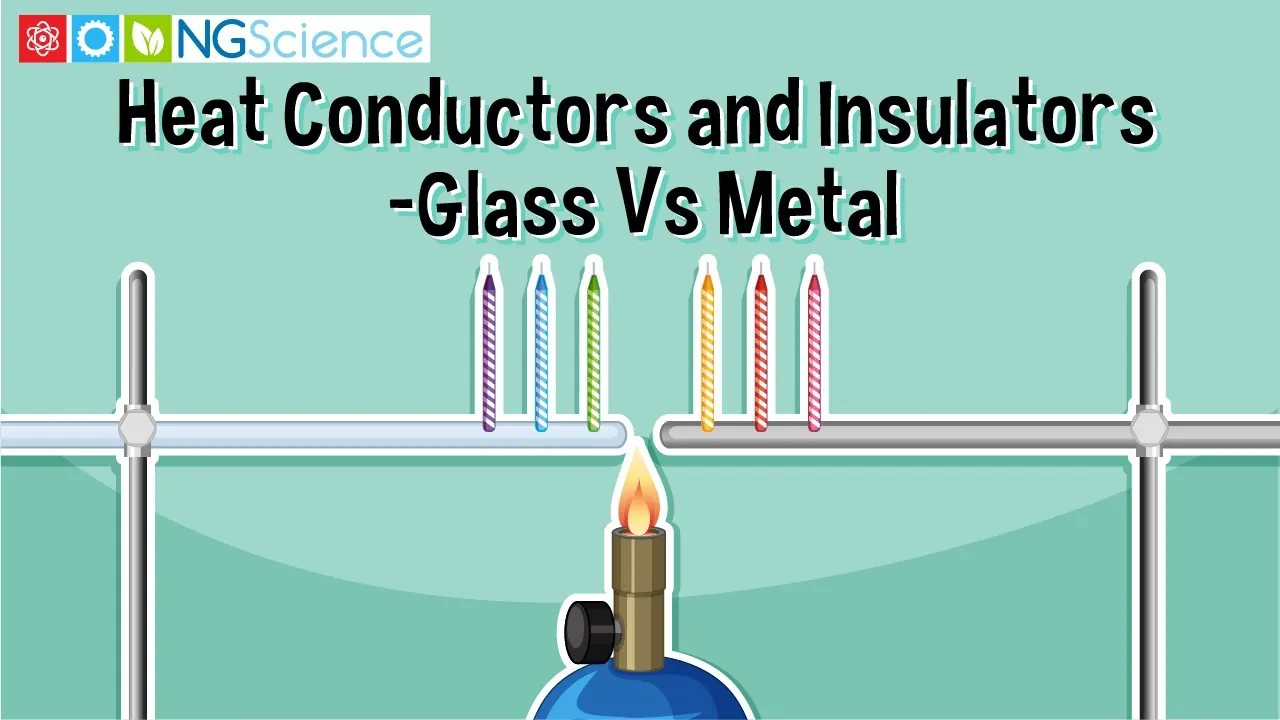
Temperature fundamentally changes this behavior because heat provides energy for ions to break free from their fixed positions. Once glass reaches its softening point around 700°C to 1000°C depending on type, sodium and calcium ions gain enough mobility to conduct electricity through ionic movement rather than electron flow. This transition isn’t sudden but gradual, meaning warm glass has lower resistance than cold glass even before becoming fully molten.
Chemical additives also shift the baseline conductivity significantly at any given temperature. Adding iron oxide, tin oxide, or indium tin oxide introduces free electrons that allow conduction even in solid glass, which is how conductive coatings work on touchscreens and heated windshields.
If you’re working with specialty glass containing metal compounds, check the manufacturer’s datasheet for volume resistivity values at your operating temperature; if you’re using ordinary clear glass below 200°C, treat it as an insulator unless surface moisture creates an alternate path.
Steps for using glass as insulation safely
- Verify the glass type before relying on it for electrical isolation. Check markings or documentation to confirm it’s standard soda-lime or borosilicate without conductive coatings; if unmarked and intended for electrical use, test with a megohmmeter (insulation resistance tester) to confirm resistance exceeds 1 MΩ.
- Clean and dry the surface thoroughly with isopropyl alcohol and lint-free cloth. Any fingerprint oil, dust, or water residue creates a conductive film that bypasses the glass itself; the sign of proper cleaning is an ‘open’ or infinite resistance reading between separated points on the same piece.
- Check maximum operating temperature against the glass specification sheet. Borosilicate handles up to 450°C continuously while soda-lime softens near 600°C; if your application exceeds these limits, switch to ceramic or quartz instead of risking thermal failure mid-operation.
- Inspect for micro-cracks using bright backlighting before installation. Hairline fractures trap moisture and contaminants that create hidden conductive paths invisible during normal inspection; discard any piece showing internal stress lines or chips near mounting points.
- Maintain adequate creepage distance based on voltage level. For every 1 kV of potential difference, allow at least 25 mm of clean glass surface between conductors per IEC 60664 standards; verifying this measurement along the actual surface path is a job for a qualified technician, since arcing follows contours.
- Monitor environmental humidity where glass insulators operate outdoors or in damp spaces. Install desiccant packs or heating elements in enclosures if relative humidity regularly exceeds 80%, because sustained condensation defeats surface insulation regardless of bulk material properties.
Overlooking surface contamination risks
Assuming bulk resistivity guarantees safety ignores how surface films compromise real-world performance. A thin layer of salt spray, industrial dust, or condensed moisture can reduce effective surface resistance from gigaohms to kiloohms, allowing dangerous leakage currents that don’t reflect the glass’s true insulating capability. This mistake causes unexpected equipment failures, shock hazards, or false readings in precision instruments, often costing hundreds of dollars in damaged electronics or requiring emergency shutdowns to prevent injury.
The fix takes thirty seconds: wipe the glass with isopropyl alcohol and verify isolation with a megohmmeter before energizing the circuit. Don’t trust visual cleanliness alone, since conductive residues like salt crystals or carbon dust may be invisible under normal lighting. Always retest after cleaning because some contaminants redeposit quickly in humid environments, and schedule regular inspections based on your environment’s contamination rate rather than assuming one cleaning lasts indefinitely.
When glass insulation needs professional help
- Visible arcing or tracking marks appear on the surface, indicating permanent damage that requires replacement by a qualified electrician.
- Operating voltage exceeds 1 kV AC or 1.5 kV DC, where insulation coordination demands licensed engineering review per local electrical codes and verification by a qualified technician.
- Glass shows signs of thermal stress like rainbow patterns or spontaneous cracking, suggesting improper material selection needing specialist assessment.
- Equipment fails repeated dielectric withstand tests despite clean surfaces, pointing to internal defects only detectable with laboratory-grade partial discharge analysis.
- Application involves direct contact with molten glass or temperatures above 500°C, where material behavior shifts outside standard insulation ratings and requires refractory engineering expertise.
Stop all DIY testing immediately if any of these conditions exist, since continuing risks severe burns, electrocution, or catastrophic equipment destruction beyond safe amateur repair.
Frequently asked questions
Can wet glass conduct electricity?
Yes, wet glass conducts through the water film, not the glass itself. Tap water contains dissolved minerals that create ionic pathways across the surface, reducing effective resistance dramatically compared to dry conditions. Always dry glass thoroughly before electrical use, and remember that high humidity alone can form conductive condensation even without visible wetness.
Why does molten glass conduct but solid glass doesn’t?
Molten glass conducts via mobile ions freed by thermal energy, while solid glass locks those ions in a rigid matrix. Above the glass transition temperature, sodium and calcium ions gain enough kinetic energy to hop between sites and carry charge. Solid glass lacks this mobility, so electrons remain bound and no current flows through the bulk material.
How long does glass insulation last outdoors?
Glass insulators on power lines have a long service life in moderate climates when properly maintained. Lifespan depends on pollution levels, UV exposure, and mechanical stress rather than electrical degradation. Check manufacturer specifications for your exact product and environment, since coastal salt spray or industrial acid rain can shorten service life significantly below published averages.
Is tempered glass a better insulator than regular glass?
No, tempering affects mechanical strength, not electrical properties. Both tempered and annealed soda-lime glass share identical bulk resistivity at the same temperature and composition. Choose tempered glass only for impact resistance or safety requirements, not for improved insulation performance, since the thermal treatment doesn’t alter ionic mobility or electron band structure.
What happens if glass insulator cracks under voltage?
Cracked glass loses insulation integrity immediately as moisture and contaminants penetrate the fracture. Leakage current increases unpredictably, potentially causing flashover, fire, or equipment damage within minutes to hours depending on voltage and environment. Replace cracked insulators before re-energizing; never attempt temporary repairs with tape or sealant since they can’t restore dielectric strength reliably.
Does colored glass conduct differently than clear glass?
Sometimes, depending on the coloring agent used. Iron oxide tints add semiconducting properties that lower resistivity slightly, while cobalt blue or manganese purple have minimal electrical effect. Gold-ruby glass containing colloidal gold nanoparticles can show measurable conductivity. Check the specific formulation’s datasheet rather than assuming color alone predicts behavior, since manufacturing processes vary widely between suppliers.
How much voltage can glass safely insulate?
Standard glass insulators handle 10 kV to 400 kV depending on design, size, and surface profile. Household glass isn’t rated for electrical use, so never substitute windows or containers for proper insulators. For engineered applications, consult the manufacturer’s rated withstand voltage and apply appropriate safety margins rather than guessing from thickness alone.
Next steps for glass insulation projects
Start by identifying your exact glass type and measuring its resistance with a calibrated megohmmeter under dry conditions. Expect readings above 1 GΩ for suitable insulating glass at room temperature, confirming safe use for low-voltage applications. Stop and consult a licensed electrical engineer immediately if measurements fall below 1 MΩ, if operating conditions exceed published temperature limits, or if any surface damage appears during inspection.
