
Fixing a foosball table usually means swapping out broken rods or bearings, and that’s the most common cause of play stopping. If your rods stick or spin freely without moving the players, you likely have worn bearings or a bent rod. Start by removing the end caps and pulling the rod out to check for damage. This simple fix gets your game back on track fast.
Fix foosball table rods that stick or spin loose
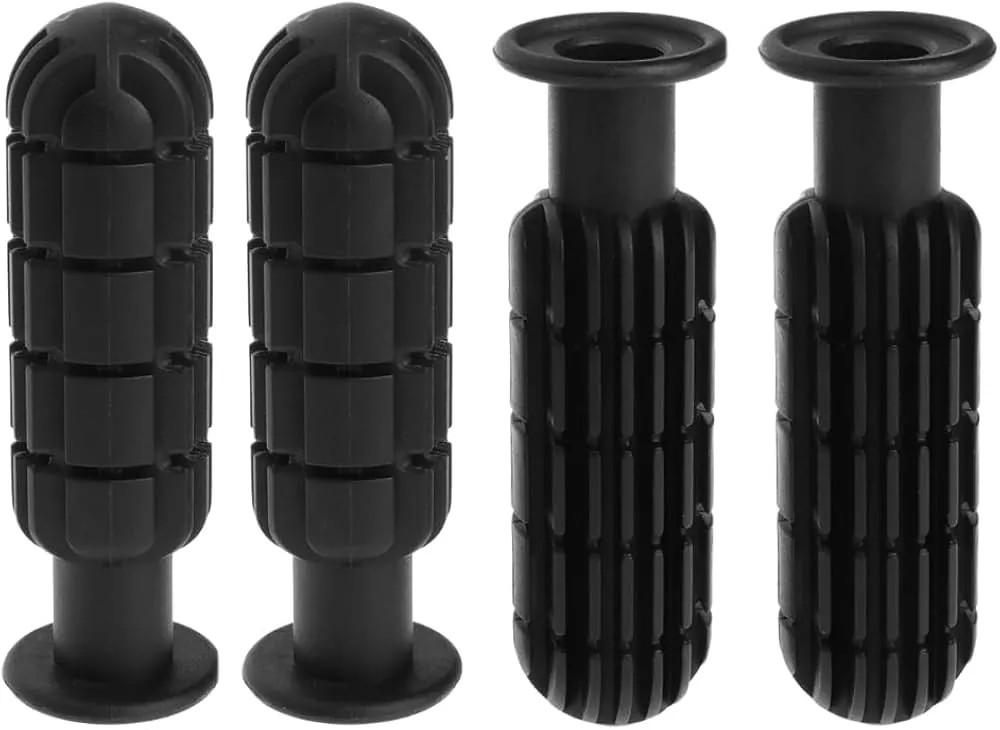
The main reason a foosball table fails is wear on the bearing system. Most tables use ball bearings inside metal sleeves. Over time, dust and dirt get into these tiny spaces. The grit acts like sandpaper, wearing down the smooth surfaces. This creates friction, making rods hard to turn. It also lets the rod wobble side-to-side.
Another common issue is bent rods. If you hit the table legs hard during intense play, the steel can bend. A bent rod won’t slide through the sleeve properly. It jams against the edge. You might hear a clicking sound when you pull the handle. This physical blockage stops the players from moving in a straight line.
Lastly, loose screws cause noise and misalignment. The vibration from playing shakes the bolts holding the rod sleeves. If these slip, the rod sits crooked. This makes the plastic figures rub against each other or the table floor. Checking these three areas solves most problems. You can find detailed maintenance guides at Foosball Table Maintenance.
Replace worn bearings
This fix works best for tables where rods spin loosely or make a grinding noise. You need new ball bearings, usually 3mm or 4mm depending on the model. First, remove the old rod by pulling it straight out. Clean the sleeve with a dry cloth to remove any rust or old grease. Take your new bearings and drop them into the sleeve one by one.
Use a small magnet or tweezers to help place them deep inside. Once the sleeve is full, push the rod back in. it should slide smoothly without resistance. Test the spin again. If it feels tight, you may have added too many bearings. Remove one until it spins freely. This method restores the original feel of the table. It costs very little and takes about ten minutes per rod.
Straighten or swap bent rods
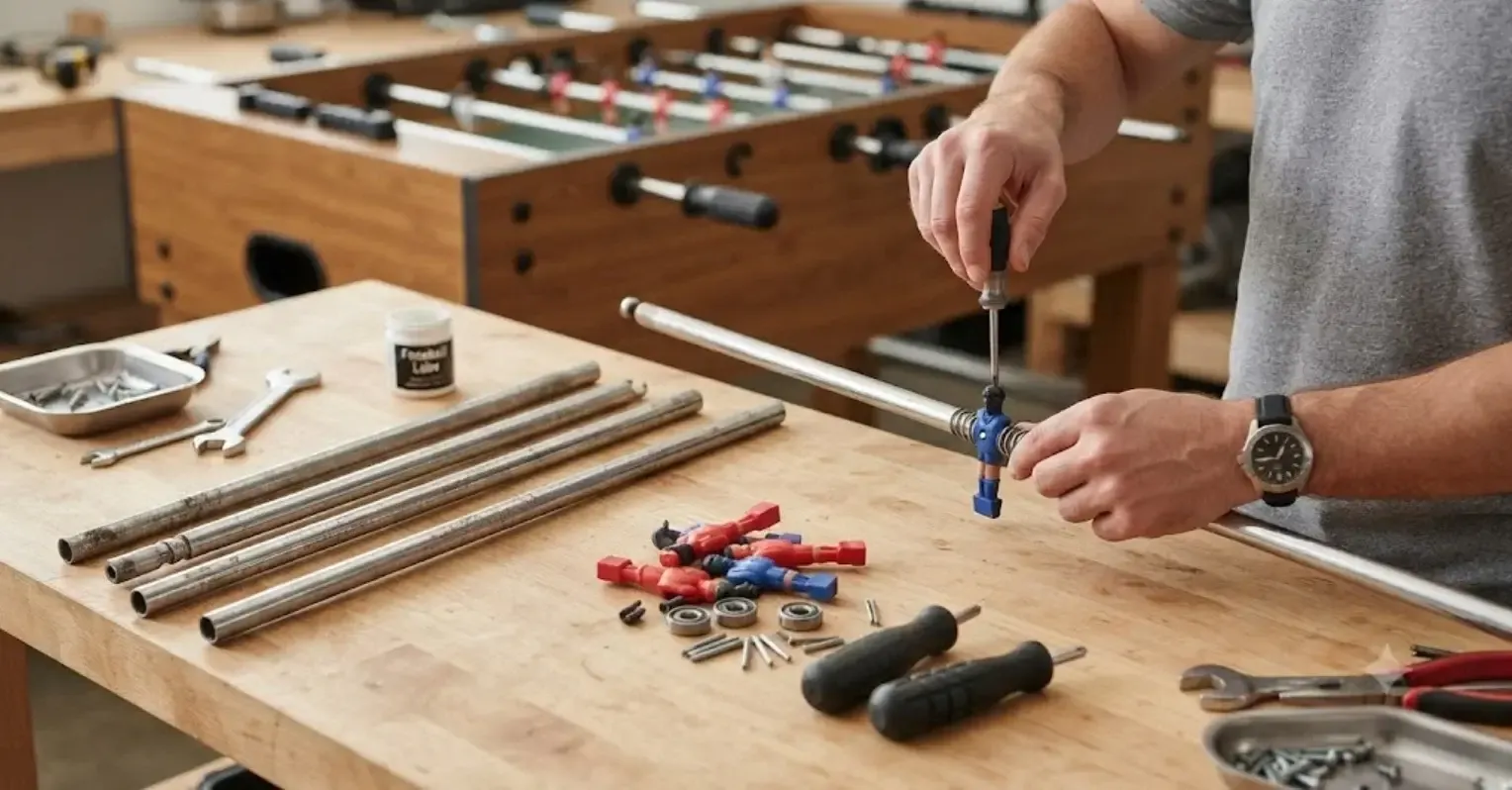
Use this method when a rod physically jams or sticks in one spot. Try to straighten minor bends first. Hold the rod firmly near the bend and apply gentle pressure in the opposite direction. Don’t force it too hard, or it will snap. If the bend is severe, replacement is better. Buy a standard steel rod of the same diameter and length.
Most tables use 5/16 inch or 8mm rods. Measure your old one before buying. Cut the new rod to size if needed. Attach the player figures using the set screws provided. Insert the new rod into the sleeve. Ensure it moves freely from left to right. Tighten the handle screw securely. This fix handles heavy wear and tear effectively. It prevents further damage to the sleeve bearings.
Check the rod’s alignment against a flat surface before installing. Place it on a known flat table and roll it gently. Watch for any gaps between the metal and the surface. Even a slight curve creates friction that wears out bearings faster. If you see light passing under the rod, it’s bent.
Don’t attempt to straighten these again. The metal has fatigued and will break under play stress. Snapping a rod mid-game leaves fragments inside the mechanism. Removing those shards often requires disassembling the entire frame. That takes hours and risks stripping the plastic gears.
When cutting the new rod, use a fine-tooth hacksaw. File the edges smooth to prevent scratching the sleeve interior. Rough edges act like saws against the bearing material. They accelerate wear within weeks rather than years. Always lubricate the contact points with a dry PTFE spray. Oil attracts dust and turns into abrasive paste. Dry lubricant stays clean and allows free movement. Test the motion by hand before tightening the final screw. Loose connections cause wobble, which leads to misalignment.
Realign loose sleeves
Do this if the whole table feels wobbly or noisy. Over time, the screws holding the metal sleeves to the wood frame loosen. Grab a screwdriver and check every sleeve along the sides. Tighten any screw that turns easily by hand. Be careful not to overtighten, as this can crack the wood. Next, check the alignment.
Look down the barrel of the sleeve. The rod should sit perfectly centered. If it tilts, the mount is shifted. Loosen the screws slightly, tap the sleeve into place with a rubber mallet, then retighten. This step stabilizes the entire structure. It reduces vibration during fast plays. It also extends the life of the bearings by keeping them aligned correctly.
Start with the four corner mounts first. These bear the most stress when players hit hard shots near the edges. Use a torque wrench set to six inch-pounds for precision. This prevents stripping the threads in soft pine frames. If you lack a torque tool, stop turning the moment you feel firm resistance. Don’t force it further.
Check the sleeve height against the rail. Insert the ball return tube or a straight edge across the top. If one side sits higher, the table will roll toward that side. Adjust the leveling feet underneath until the bubble level reads center. Ignore the floor’s slope; rely only on the instrument.
Inspect the felt around the sleeve openings. Frayed fibers indicate friction from misalignment. Smooth patches mean the rod rubs against the fabric. Trim loose threads carefully to prevent snagging the ball. Keep the area clean so debris doesn’t jam the mechanism.
Avoid common repair myths
-
using oil instead of cleaning. oil traps dust and turns into gunk. this clogs the bearings faster than dry dirt. always clean first, then lubricate lightly if needed. grease is thicker and holds up better against debris. choose a lithium-based grease for general use. it resists water and heat effectively. silicone grease works well for plastic parts. avoid heavy motor oils on small mechanisms. they attract more grit over time. wipe surfaces with a lint-free cloth before applying any lubricant. ensure no old residue remains trapped underneath. a thin coat prevents metal-on-metal contact without pooling. excess lubricant invites contamination from the environment. keep your workspace free of loose particles during maintenance.
-
hammering bent rods. hitting rods with a hammer distorts the metal unevenly. this creates weak points that break later. use controlled pressure instead. a hydraulic press applies even force along the axis. this preserves the structural integrity of the metal. if you lack equipment, use a bench vise with soft jaws. wrap the rod in leather or rubber to prevent surface damage. apply steady pressure until the bend corrects. check alignment frequently using a straight edge. don’t force corrections beyond the elastic limit. permanent deformation indicates fatigue failure. replace rods showing signs of stress whitening. these visual cues signal internal cracking. ignoring them risks sudden catastrophic failure during operation.
-
ignoring loose handles. a loose handle wobbles the rod axis. this extra movement wears out the bearings prematurely. tighten handles regularly to prevent this chain reaction. vibration from daily use loosens fasteners over time. inspect connections monthly for play or rattling sounds. use thread-locker on screws prone to backing out. this chemical adhesive secures bolts against vibrational forces. replace stripped threads immediately with helicoil inserts. don’t ignore minor wobbles as harmless noise. misalignment increases friction and generates heat. overheating degrades lubricants and accelerates wear. consistent torque specifications ensure uniform load distribution. use a torque wrench for precise tightening values.
-
using WD-40 as lubricant. WD-40 is a solvent, not a long-term lubricant. it evaporates quickly and leaves residues. use white lithium spray or silicone spray instead. lithium grease withstands high temperatures better. silicone sprays are safe for rubber seals. they don’t degrade elastomers like petroleum products might. apply lubricants sparingly to avoid attracting dust. excess product creates a sticky film that collects grime. clean the application area thoroughly beforehand. allow solvents to fully evaporate before adding new lubricant. this ensures proper adhesion and performance longevity.
How to stop it happening again
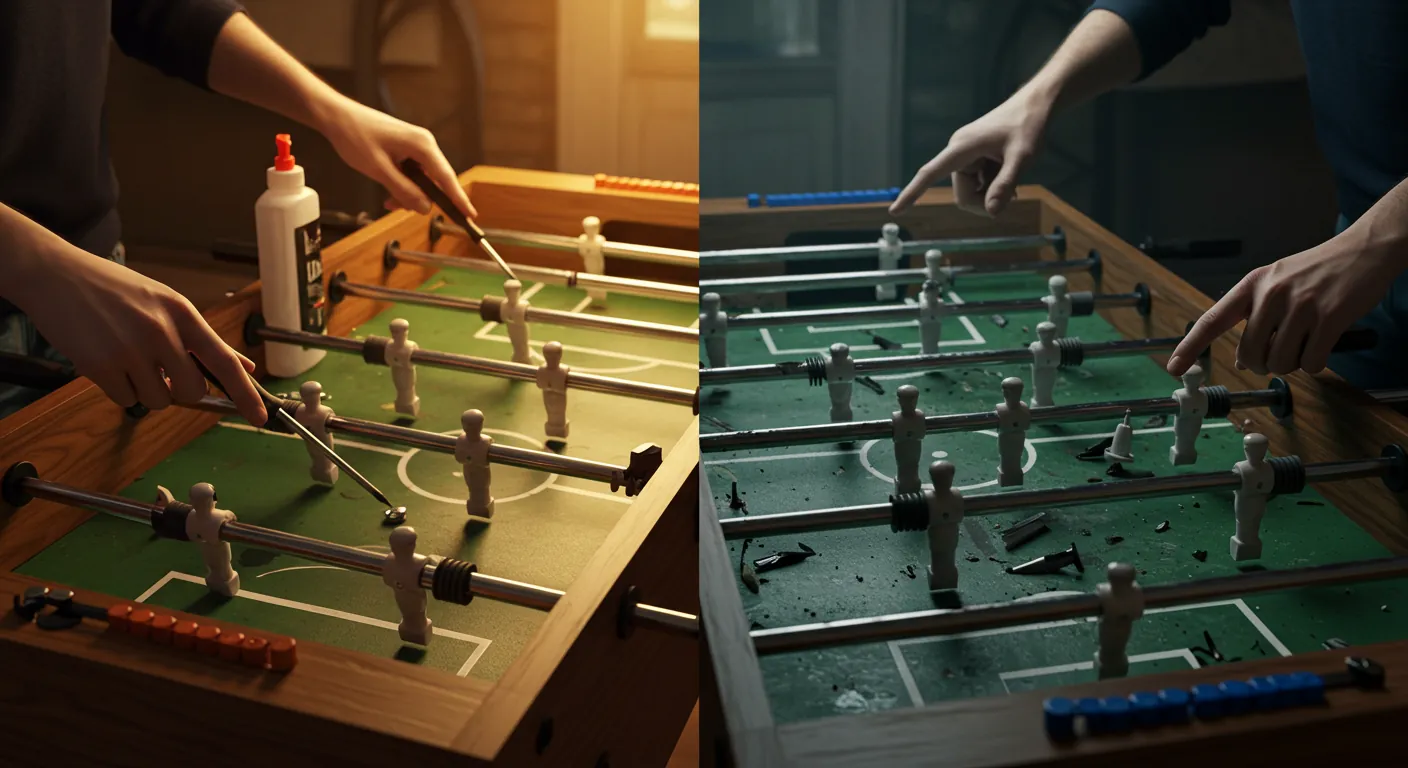
Regular care keeps your table running smoothly for years. Follow these habits to prevent major repairs.
| If you’re doing this | Do this instead | Why |
|---|---|---|
| Wiping with a wet rag | Use a dry microfiber cloth | Water damages wood and rusts metal parts. |
| Letting dust pile up | Vacuum under the table weekly | Dust enters bearings and causes grinding. |
| Playing with wet hands | Dry hands before touching handles | Moisture accelerates corrosion on steel rods. |
| Ignoring wobbly legs | Tighten leg bolts monthly | Stability reduces stress on rod mounts. |
| Using harsh cleaners | Mild soap and water only | Chemicals strip finishes and weaken glue. |
Check the bolt heads every time you clean. Look for stripped threads or rounded edges. If a bolt spins freely without tightening, replace it immediately. Continuing to use a damaged fastener will crack the frame over time. This small repair costs less than replacing the entire leg assembly.
Store cleaning supplies in a separate cabinet. Keep them away from the table surface. Accidental spills of ammonia or bleach can ruin the finish instantly. Once the sealant is gone, moisture penetrates deeper into the wood fibers. The damage becomes permanent and visible within days.
Inspect the underside of the tabletop quarterly. Look for hairline cracks near the joints. These often start as tiny gaps that widen with seasonal humidity changes. Catching them early allows for simple gluing. Waiting until the joint fails requires professional disassembly and reassembly.
Related guides
- Toilet Seat Wont Stay Up Fix: Adjust Hinges and Bolts in 2026
- How Much Does Plumbing Repair Cost? Typical Price Ranges in 2026
Frequently asked questions
How much does it cost to fix a foosball table?
Repairing a foosball table is generally inexpensive relative to the alternative, with basic bearing replacements being very cheap and bent rods costing little per unit. Professional labor adds more, but most fixes are DIY-friendly. If you need multiple rods and bearings, expect costs to remain modest. Minor adjustments like tightening screws cost nothing. Major structural repairs might exceed typical expenses if done professionally.
Why does my foosball rod stick?
Rods stick mainly because of dirt buildup in the bearings. Dust and debris enter the sleeve and jam the balls. Another cause is a bent rod that rubs against the sleeve wall. Lack of lubrication also increases friction. Check for visible bends first. If the rod looks straight, clean the bearings thoroughly. Sometimes a light spray of silicone helps reduce friction temporarily.
How long do foosball table bearings last?
Bearings typically last for a reasonable duration with regular use. Heavy daily play shortens their lifespan significantly. Neglecting cleaning can reduce this period considerably. High-quality steel bearings last longer than cheap plastic ones. If you notice grinding noises, replace them immediately. Waiting too long damages the metal sleeve, which is harder to fix.
Is it safe to use oil on foosball rods?
Using standard machine oil is generally safe but messy. It attracts dust and creates a sticky residue over time. Silicone spray or white lithium grease is safer and cleaner. Avoid WD-40 as it evaporates and doesn’t provide lasting lubrication. Always wipe away excess oil to prevent stains on the table surface. Minimal lubrication is key to avoiding messes.
What happens if I ignore a bent rod?
Ignoring a bent rod damages the bearing sleeves permanently. The metal rubs against the sleeve walls, creating grooves. These grooves make future rods stick even more. Eventually, the rod may snap under pressure. Replacing the rod early saves money on sleeve repairs. It also ensures fair gameplay without unpredictable ball bounces.
Conclusion
Once you’ve got the rods spinning smooth again, give the whole table a quick wipe down. Dust and debris love to hide in those tight spaces, so keeping it clean helps everything last longer. Grab a friend for a match soon—you’ll be glad you took the time to fix it yourself.