
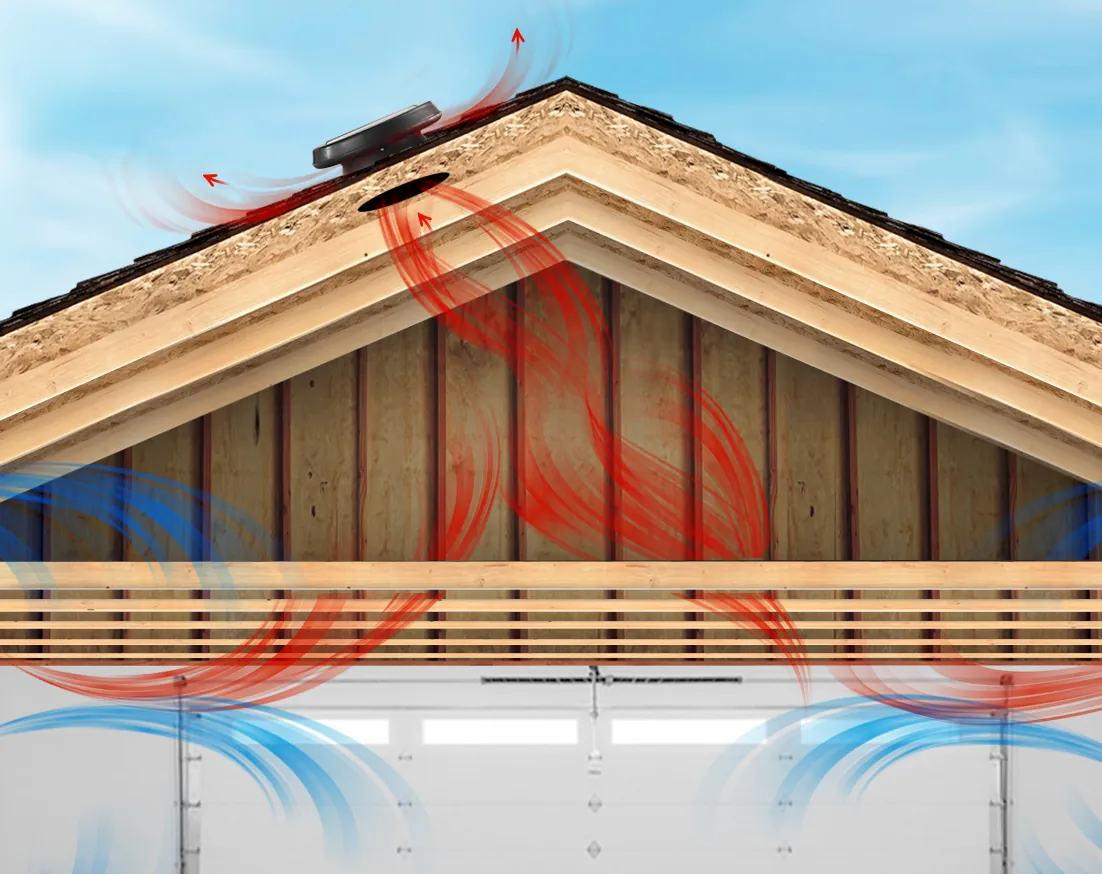
Proper garage attic ventilation keeps your home safe by removing trapped moisture and heat that can damage your roof and structure. You need a balanced system of intake and exhaust vents to let air flow freely from the eaves up to the roof peak. Without this, hot air stays in the attic during summer, while moist air creates mold and rot during winter. Installing a simple vent system is the most effective way to protect your garage investment and stop expensive repairs before they start.
Components of garage attic airflow
| Part or input | What it does | What you notice when it goes wrong |
|---|---|---|
| Soffit vents | Brings fresh air inside | Blocked by insulation or paint |
| Ridge vents | Allows hot air exit | Sagging roof shingles or nails |
| Gable vents | Moves air across attic | Stagnant air or heavy condensation |
| Insulation baffles | Keeps intake channels open | Wet insulation or mold patches |
| Exhaust fans | Forces air out quickly | High electricity bills or noise |
The golden rule for attic ventilation is the 1:150 ratio. For every 150 square feet of attic floor space, you need one square foot of net free vent area. Divide that total area equally between your intake vents at the soffits and your exhaust vents at the ridge to ensure a balanced draw.
Most homeowners fail by mixing vent types. Never install both ridge vents and gable vents simultaneously. The gable vent often creates a short-circuit, pulling air directly from the gable rather than drawing it up from the soffits. This leaves the lower roof deck stagnant and prone to ice dams in winter.
If you live in a humid climate, prioritize mechanical exhaust fans with a humidistat. If you reside in a dry, mountainous region, passive ridge vents are usually sufficient. Check your attic floor for dark, circular water stains on the rafters.
If you see them, your intake is likely choked, forcing the roof to “breathe” through the ceiling drywall instead of the vents. This mistake costs thousands in structural rot and ruined insulation. Always verify that your baffles are stapled securely to the roof sheathing, as loose baffles often collapse under the weight of blown-in insulation.
Installing attic vents properly
Measure your total attic floor area in square feet to determine the amount of ventilation needed. Calculate the total net free area for your vents, which should be at least one square foot for every 150 square feet of attic space. If your roof has a vapor barrier, increase this ratio to one square foot per 300 square feet.
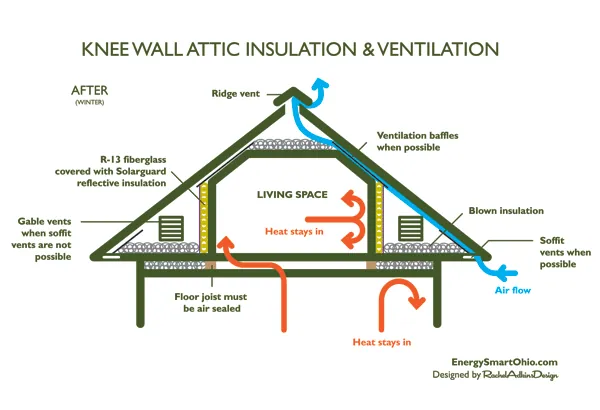
Install intake vents along the underside of your roof eaves to allow cool air to enter. Add exhaust vents at the highest point of the roof or near the ridge to let hot air escape. Aim for a 50/50 split between intake and exhaust capacity to ensure consistent pressure.
Place cardboard or plastic baffles between your ceiling joists to ensure insulation doesn’t block the airflow from eaves. Many homeowners make the mistake of pushing insulation tight against the roof deck, which traps moisture and rots roof sheathing. If your insulation is already touching the deck, pull it back at least three inches.
Check that your vent openings are free of debris, such as leaves or nests, which can stop air from moving. Seal any gaps around electrical wires or pipes that enter the attic from the living space to prevent moist air leaks.
Connecting airflow to structural health
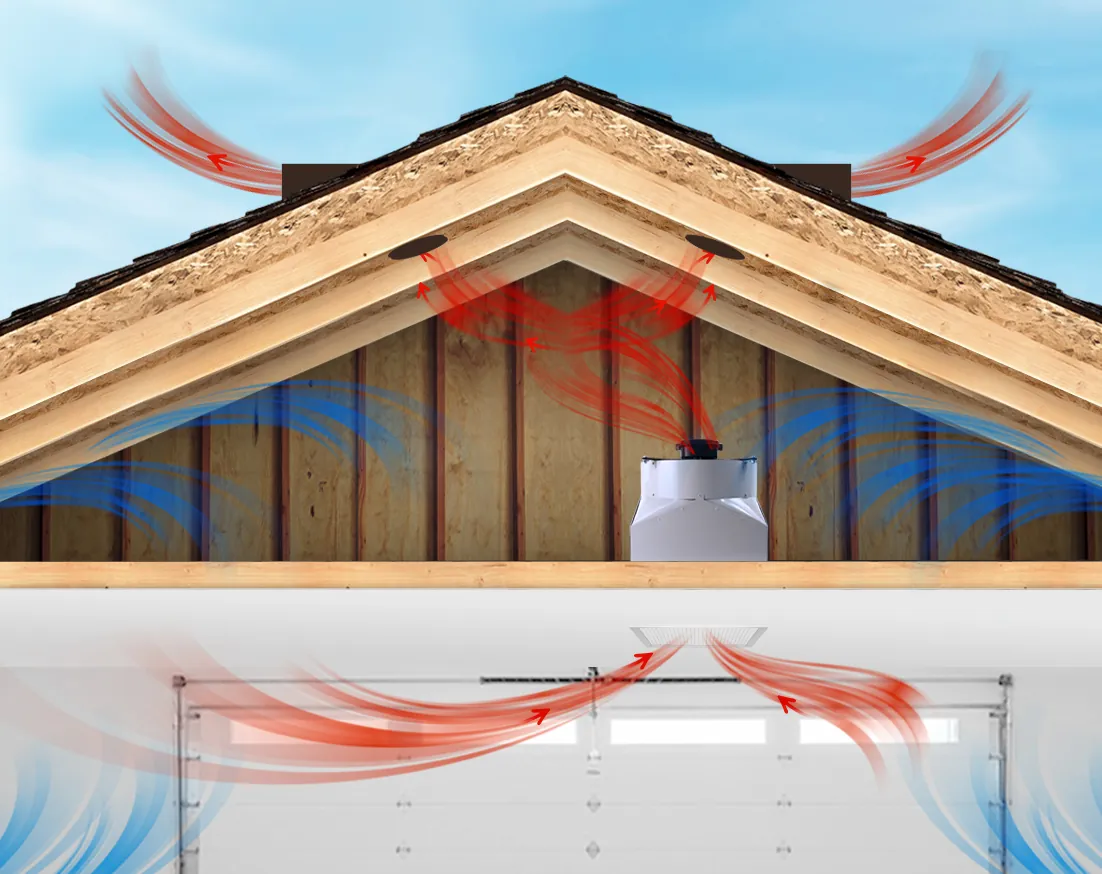
Heat buildup is the primary reason for premature roof failure in residential garages. When air can’t circulate, the temperature inside the attic can rise significantly above the outside air temperature. This extreme heat bakes the shingles from below, causing them to become brittle and crack. Over time, this leads to leaks that damage the interior walls and the items you store inside the garage. Proper ventilation ensures the roof deck stays cool, which extends the life of your roofing materials.
Moisture management is equally important for preventing long-term structural damage. During the winter, warm air from the garage naturally rises into the attic and hits the cold roof deck. If this air can’t escape through vents, it turns into liquid water or frost on the underside of the roof. This moisture eventually drips down, soaking the insulation and causing wooden rafters to rot. Once wood begins to decay, it loses its strength and may require expensive professional repairs to fix.
You can often identify a ventilation problem by looking at the roof during a cold morning. If the snow on your roof melts in patches while the rest of the neighborhood roof remains covered, you have heat leaking into your attic.
Another sign is the presence of dark water stains on the ceiling or walls of the garage. If you see these signs, act quickly to improve airflow before the wood structure suffers permanent damage. A well-ventilated attic stays dry and cool, which protects the entire building from the bottom to the top.
Controlling your attic environment
Things you can control
- Cleaning existing vent screens to remove dust or blockages.
- Adding more intake vents along the eaves if the current ones are too small.
- Installing baffles to protect air channels from loose insulation.
- Replacing old, damaged vent covers to keep pests outside.
Fixed design elements
- The total pitch and slope of your roof.
- The physical location of roof valleys and hips.
- The structural placement of load-bearing walls.
Working on roof ventilation often requires climbing on ladders or working in tight, dark spaces. If you’re uncomfortable with heights or if the job involves cutting into your roof structure, hire a licensed roofing contractor. They have the proper safety equipment and the necessary permits to ensure the work follows local building codes. Never attempt to remove structural roof components yourself, as this can lead to a roof collapse or severe injury.
Habits for better attic performance
Maintaining good airflow requires regular checks, especially when seasons change. Every spring, inspect your soffit vents from the outside to ensure no birds or wasps have built nests inside them. If the screens are clogged, use a soft brush to clear the debris. This simple task takes about 10 minutes and prevents the entire system from failing when summer heat arrives.
Check your attic insulation level twice a year, specifically in the fall and spring. If you notice the insulation has shifted and is blocking the air channels at the eaves, push it back toward the center of the attic. Use a stick or a piece of cardboard to move the material without compacting it. Keeping these channels clear is the most important step for consistent cooling.
If you can see the wooden ceiling joists, your insulation is likely too thin. Add a new layer until the material sits at least two inches above the joists to meet modern efficiency standards.
Monitor your garage ceiling for any signs of water spots or mold growth after heavy rain or snow. If you see dampness, check the attic for wet rafters or soggy insulation. Addressing a small leak immediately is much cheaper than replacing a rotted roof deck later.
If you find significant moisture, verify that your exhaust fans are venting outside and not dumping humid air directly into the attic space. If the vent hose is disconnected, use a metal clamp to secure it to the roof jack. Never use duct tape, as it will dry out and fail within a single season.
Related guides
- 6 Best Frog Leap Pool System Reviews for Clean Balanced Water in 2026
- Garage Door Cable Came Off Drum: How to Fix It Safely
- How to Fix Bosch Dryer DR Code: Simple Airflow Solutions
Frequently asked questions
Can I install attic vents myself?
Yes, you can install basic intake and exhaust vents yourself if you’re comfortable working on a ladder and using hand tools. You must follow local building codes and manufacturer instructions to ensure the roof remains waterproof. If you aren’t experienced with roof work or if you need to cut into the roof deck, hire a professional to avoid voiding your roof warranty or causing a dangerous leak.
How long should attic ventilation last?
High-quality metal or plastic roof vents typically last 15 to 25 years, depending on the material and your local weather. You can check the condition of your vents by looking for rust, cracks, or loose flashing during your annual roof inspection. If the vents look brittle or show signs of heavy corrosion, replace them immediately to prevent water from entering your attic and damaging the structure.
Is it safe to close vents in winter?
No, it’s never safe to close your attic vents, even during the coldest months of the year. Keeping vents open allows moisture to escape the attic, which prevents mold and rot from forming on your roof rafters. If you close these vents, you trap humid air inside, which will lead to condensation and significant water damage to your home’s wood structure over time.
What happens if my attic has no ventilation?
An attic without ventilation will trap excessive heat in the summer and moisture in the winter, leading to rapid roof deterioration. In the summer, the shingles will bake and crack, while in the winter, trapped moisture will soak the insulation and cause the wooden roof structure to rot. This lack of airflow turns a simple maintenance issue into a major, expensive repair for your entire roof system.
How do I know if I have enough ventilation?
You have enough ventilation when your net free area equals at least one square foot of vent space for every 150 square feet of attic floor. You can verify this by measuring the opening size of your current vents and comparing that sum to your attic’s total square footage. If your total vent area is lower than this ratio, you need to add more vents to ensure proper airflow.
Does attic ventilation lower my garage temperature?
Yes, proper attic ventilation effectively lowers the garage temperature by allowing hot air to escape through the roof peak. This prevents the heat from building up and radiating downward into the garage space below. While it won’t make the garage as cool as a climate-controlled room, it significantly reduces the heat load during the hottest parts of the day.
How often should I clean my attic vents?
You should clean your attic vents at least once every year, ideally in the spring, to ensure they’re free of dust, leaves, or pest nests. A quick visual inspection from the outside will tell you if the screens are blocked or if the vent covers are damaged. Clearing these blockages takes only a few minutes and ensures the system functions at its intended capacity throughout the summer months.
Conclusion
Proper ventilation is the most cost-effective way to preserve the structural integrity of your garage. By ensuring air flows freely from the eaves to the ridge, you prevent the heat and moisture build-up that cause shingles to fail and wood to rot. Spend a few minutes each year checking your vents to avoid the high costs of roof replacement. If you notice signs of damage or dampness, address them immediately to keep your garage, and your home, in top condition.
