
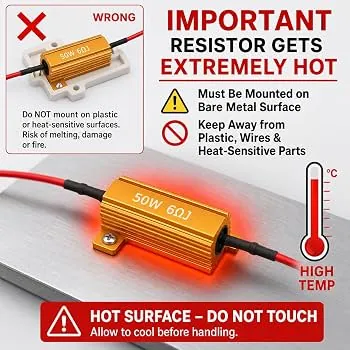
Resistors get hot because they convert electrical energy into heat as they limit current flow in a circuit. This process is a normal part of their operation, but excessive heat often points to a component that’s undersized for the power load it’s handling. If a resistor is hot to the touch but the device functions correctly, it’s likely operating within its intended thermal limits.
Common reasons why resistors get hot
| Cause | How common | How to confirm it | Fix it yourself? |
|---|---|---|---|
| Normal power dissipation | Very common | Check device temperature | No |
| Undersized component | Common | Compare rating to load | No |
| Short circuit | Occasional | Look for burnt marks | No |
| Poor ventilation | Occasional | Check airflow around unit | Yes with care |
| High ambient temperature | Rare | Check room environment | Yes |
| Component aging | Rare | Test with meter | No |
Normal power dissipation in circuits
Resistors work by resisting the flow of electrons, which forces the component to dissipate energy as heat. Every resistor has a power rating, usually measured in watts, which dictates how much energy it can safely handle before overheating. When a circuit pushes more power through a resistor than it was designed to manage, the temperature rises significantly beyond the typical operating range.
You can determine if the heat is normal by checking the device’s exterior housing for heat dissipation vents. If the manufacturer designed the unit to run warm, you’ll often feel the heat concentrated near the power supply section. If the resistor is part of a high-load circuit, it’s designed to run hot, but it should never show signs of melting, charring, or bubbling on its protective coating.
If you notice any of these physical changes, the component is failing or is under too much stress. The Underwriters Laboratories safety standards for household appliances require that electrical components be tested to ensure they don’t cause fire hazards during normal use. If the heat is so intense that it produces an acrid smell or smoke, you must stop using the device immediately to prevent a fire.
Undersized components for the power load
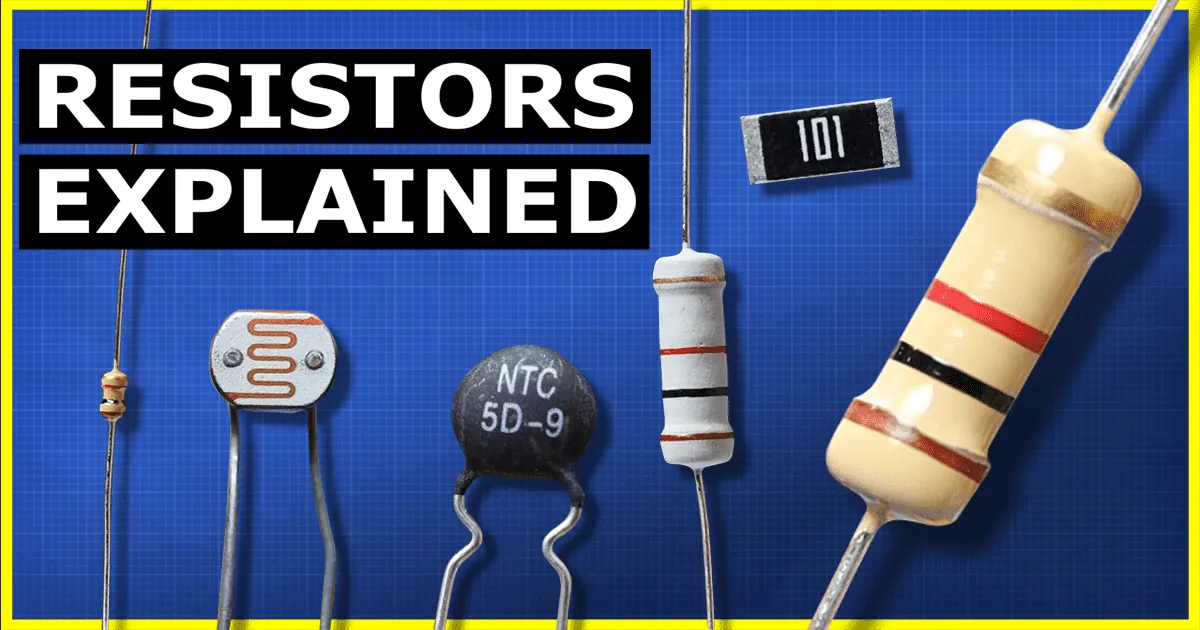
A resistor that’s too small for the job will always run hotter than expected because it can’t shed heat fast enough. This happens when a part is replaced with one that has the wrong wattage rating, or when a circuit is modified to draw more power than the original design allowed. If the resistor is physically small but handles a high current, it will reach high temperatures very quickly.
You can tell this is the cause if the resistor is located in a part of the circuit that seems to draw high power, such as a motor control or a display driver. If you haven’t opened the device or modified it, this is often a sign of a manufacturing defect or a component that has drifted in value over time.
A resistor that’s undersized will usually show signs of discoloration or browning on the circuit board underneath it. If you see this, the component is likely struggling to cope with the electrical load. Never attempt to replace these parts yourself, as you risk damaging the circuit board or creating a safety hazard. Because these components are soldered directly to boards, this requires professional soldering equipment and knowledge of circuit design.
Poor ventilation and environmental heat
Electrical devices rely on airflow to keep internal parts cool, and when this flow is blocked, heat builds up rapidly. If a device is placed inside a closed cabinet or against a wall, the heat generated by the resistors can’t escape. This trapped air forces the entire internal assembly to reach higher temperatures than the manufacturer intended.
You can confirm this by checking if the device runs cooler when placed in an open, well-ventilated area for an hour. If the temperature drops, the issue is environmental rather than a fault within the circuit. Always ensure that all vents on the device remain clear of dust, as a thick layer of buildup acts as an insulator and traps heat inside the casing.
If the area around the device feels hot to the touch, you should move it to a location with better air circulation. This is a simple fix that often resolves the issue without needing any technical intervention. If the device still gets excessively hot after moving it to a cool, open space, there’s likely an internal issue that requires professional repair.
Rare causes of overheating
- A short circuit in a connected component forces the resistor to carry too much current, causing it to overheat instantly; this usually causes the device to stop working or blow a fuse.
- Internal component aging causes the resistor’s value to shift over time, which can lead to inefficient energy conversion and increased heat.
- Voltage surges from the power grid can overload sensitive circuits, leading to temporary overheating that may subside once the voltage stabilizes.
- A failed cooling fan or heat sink prevents the heat from moving away from the components, causing localized hotspots near the power stage.
Professional technicians should handle any repairs involving internal circuitry. If you suspect an internal failure, take the device to an authorized service center to avoid risks of electric shock or permanent damage.
What a repair usually involves
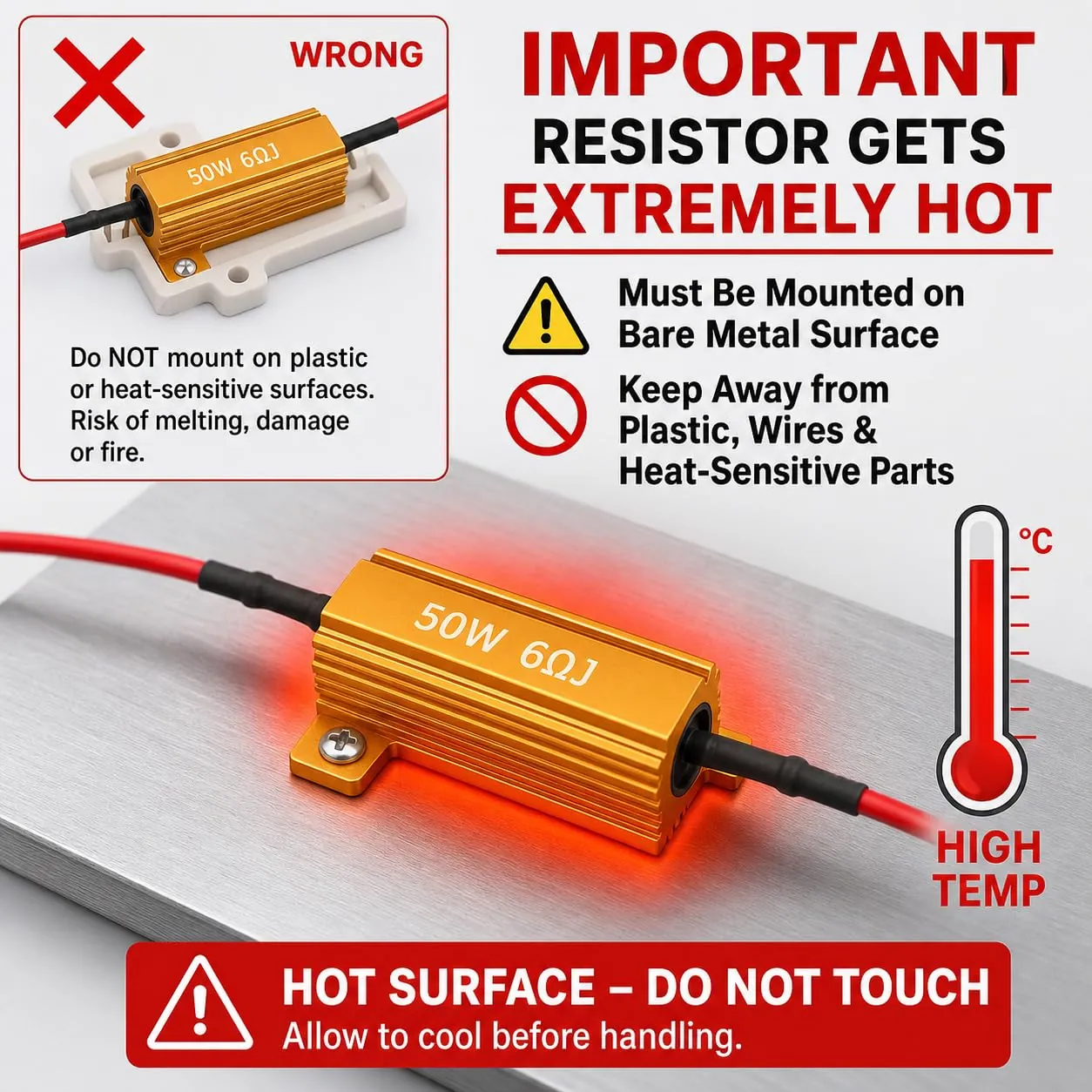
Fixing an overheating resistor involves more than just swapping out a part. A technician must first identify why the resistor is heating up, which requires checking the entire circuit for shorted parts or failed power management chips. If the resistor is simply damaged, they will remove the old part using a soldering iron and install a new one with the correct resistance and wattage rating.
The cost of this repair depends on how easily the technician can reach the circuit board and whether other components were damaged by the heat. If only the resistor is faulty, the labor cost is comparable to a standard diagnostic fee for small electronics.
If the heat has damaged the circuit board traces or surrounding parts, the repair becomes much more complex and costly. You can check the manufacturer’s official support page for your specific model to see if there are known issues with thermal management or cooling. Always request a written quote before authorizing any work to understand the full scope of the repair.
Related guides
- 10 Best Tents for Hot Weather Camping in 2026
- Constant Water Flow Into Sump Pit: Causes and Fixes
- Oven Making Clicking Noise: Causes and How to Fix It
Frequently Asked Questions
Is it safe to touch a hot resistor?
No, it’s never safe to touch a resistor while the device is plugged in or recently turned off. Resistors can reach temperatures high enough to cause serious burns, and you risk electric shock if you touch exposed internal parts while the circuit is live.
How long should a resistor last?
A properly functioning resistor should last for the entire lifespan of the device, which is typically several years depending on the usage intensity. If a resistor fails early, it’s usually a sign that another part of the circuit is forcing it to work harder than it was designed to.
Does it matter if a resistor is slightly warm?
No, it doesn’t matter if a resistor feels slightly warm to the touch, provided the device is working as expected. Many electronic components operate safely at temperatures well above room temperature, so a mild warmth on the exterior casing is often a normal side effect of standard electrical operation.
Why does my device smell like burning?
A burning smell indicates that the heat has exceeded the safety limits of the materials inside, such as the plastic casing or the circuit board coating. You must unplug the device immediately and keep it disconnected, as this is a clear sign that a component is failing or overheating dangerously.
Can I fix a hot resistor with a fan?
Yes, using an external fan to cool the device can help if the heat is caused by poor ventilation. However, this is only a temporary solution; if the device gets hot even in a well-ventilated area, the root cause is likely an internal fault that requires professional repair to prevent further damage.
How do I know if a resistor is broken?
A broken resistor will often show visible signs of damage, such as cracks, bubbling, or a charred appearance on its body. If the device isn’t functioning correctly and you see these physical symptoms on a component, it has likely failed and needs professional replacement to restore the circuit’s proper operation.
Conclusion
If you’re worried about a component’s temperature, check the manufacturer’s datasheet to see its maximum power rating. It’s a simple way to ensure your project stays safe and reliable. Don’t hesitate to upgrade to a higher-wattage part if you’re pushing things too hard; your circuit will definitely thank you for it.
