
A tape measure, a drill-driver, a multi-bit screwdriver, a utility knife, and a set of pliers are the essential milwaukee tools that should be in every toolbox for reliable home repairs. These items provide the foundation for most common tasks, from hanging pictures to assembling furniture. While professional tradespeople often use specialized equipment, these five tools share a common design focus on durability and ergonomic comfort that allows a homeowner to complete projects efficiently.
Essential Milwaukee tools for every toolbox
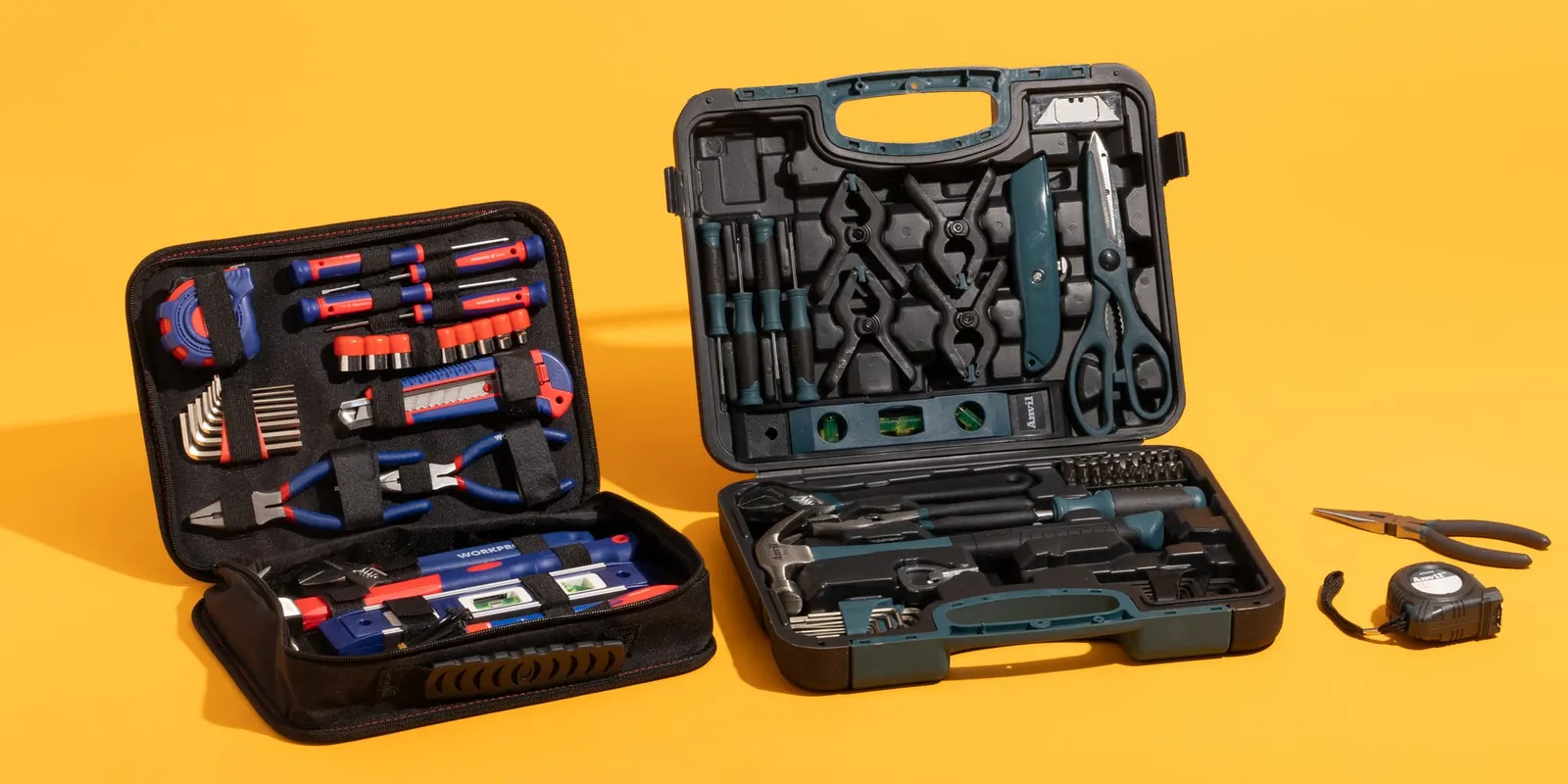
Every home needs a basic set of equipment to handle daily maintenance and small improvements. This table outlines the items you need to start your collection.
| Tool Name | Best For | Concrete Example |
|---|---|---|
| Tape Measure | Measuring spaces | 25-foot magnetic tape |
| Drill-Driver | Driving screws | 12V compact drill |
| Multi-Bit Screwdriver | Fastening hardware | 11-in-1 driver |
| Utility Knife | Cutting materials | Fastback folding knife |
| Pliers | Gripping objects | 8-inch long-nose pliers |
Magnetic tape measure
A high-quality tape measure is the first tool you reach for when planning any project, as it ensures your measurements are accurate before you start cutting or drilling. It suits any homeowner who needs to measure wall spaces, furniture dimensions, or material lengths.
- Provides a long standout distance, allowing you to measure across rooms alone without the tape collapsing.
- Includes a magnetic hook that grabs onto steel surfaces, which helps when working with metal studs or appliances.
- Features nylon blade protection to prevent tearing and fading after repeated use in rough environments.
You can verify the specific precision standards for these measuring devices by reviewing the NIST Handbook 44 published by the National Institute of Standards and Technology. If you’re measuring a space under 10 feet, a 16-foot tape is easier to handle, while a 25-foot tape offers more reach for larger rooms.
Compact drill-driver
A drill-driver is the most versatile power tool you’ll own because it handles both drilling holes and driving fasteners into wood or drywall. This tool suits anyone moving beyond basic hand tools, as it replaces manual labor with speed and control.
- Uses a multi-speed transmission to match the tool’s output to the hardness of the material you’re working with.
- Includes an adjustable clutch that prevents you from stripping screw heads by stopping the rotation once the target torque is reached.
- Powered by a rechargeable lithium-ion battery system that provides consistent power for various home improvement tasks.
If you’re working with soft pine, use a low torque setting to avoid damaging the wood; if you’re driving into oak or masonry, increase the torque setting. A mistake people often make is using the wrong bit for the material, which causes the drill to slip and damages the screw head.
Multi-bit screwdriver
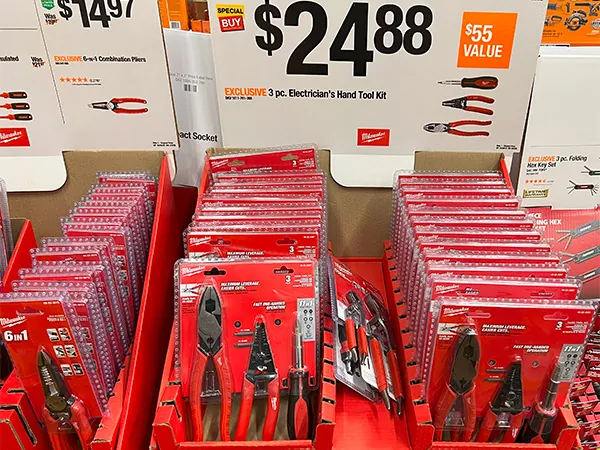
The multi-bit screwdriver replaces a dozen individual tools by housing multiple head types inside a single handle. It suits anyone with limited storage space who still needs to work with different screw types like Phillips, slotted, or square drives.
- Reduces the weight of your toolbox by eliminating the need to carry separate screwdrivers for every fastener size.
- Features a magnetic tip that holds screws in place, making it easier to start fasteners in tight or overhead spots.
- Provides a comfortable rubberized grip that increases the force you can apply without your hand slipping.
If you’re assembling flat-pack furniture, keep the handle vertical and use firm downward pressure to avoid cam-out. This tool isn’t for heavy-duty demolition; if you try to use it as a pry bar, you’ll likely snap the internal bit storage mechanism.
Folding utility knife
A folding utility knife is designed for making precise cuts in cardboard, drywall, carpet, or plastic packaging. It suits anyone who performs regular maintenance or DIY crafts that require a sharp, replaceable blade.
- Allows one-handed opening, which is useful when you’re holding a piece of material in your other hand.
- Provides a locking mechanism that secures the blade in the open position to prevent accidental closing during use.
- Uses standard replaceable blades, meaning you can always have a razor-sharp edge without needing to sharpen the tool.
When cutting thick cardboard, keep your fingers clear of the cutting path and use light, repetitive strokes rather than trying to cut through in one heavy motion. This ensures you maintain control and prevents the blade from skipping off the material.
Pliers for gripping and cutting
Pliers act as your secondary set of hands, allowing you to grip, twist, and cut wires or small metal components. These are ideal for electrical repairs or plumbing tasks where you need to hold a pipe or bolt steady.
- Long-nose pliers reach into narrow gaps to retrieve dropped screws or bend wire loops for connections.
- Diagonal cutters provide leverage to trim excess wire or zip ties cleanly without damaging the surrounding surface.
- Lineman’s pliers offer a heavy-duty gripping surface and a built-in cutting edge for tougher materials.
If you’re working on electrical wiring, ensure the power is turned off at the breaker box before touching any metal components. For tasks requiring high force, choose pliers with longer handles to gain more leverage, which reduces the effort your hand must provide.
Choosing the right tools for your home
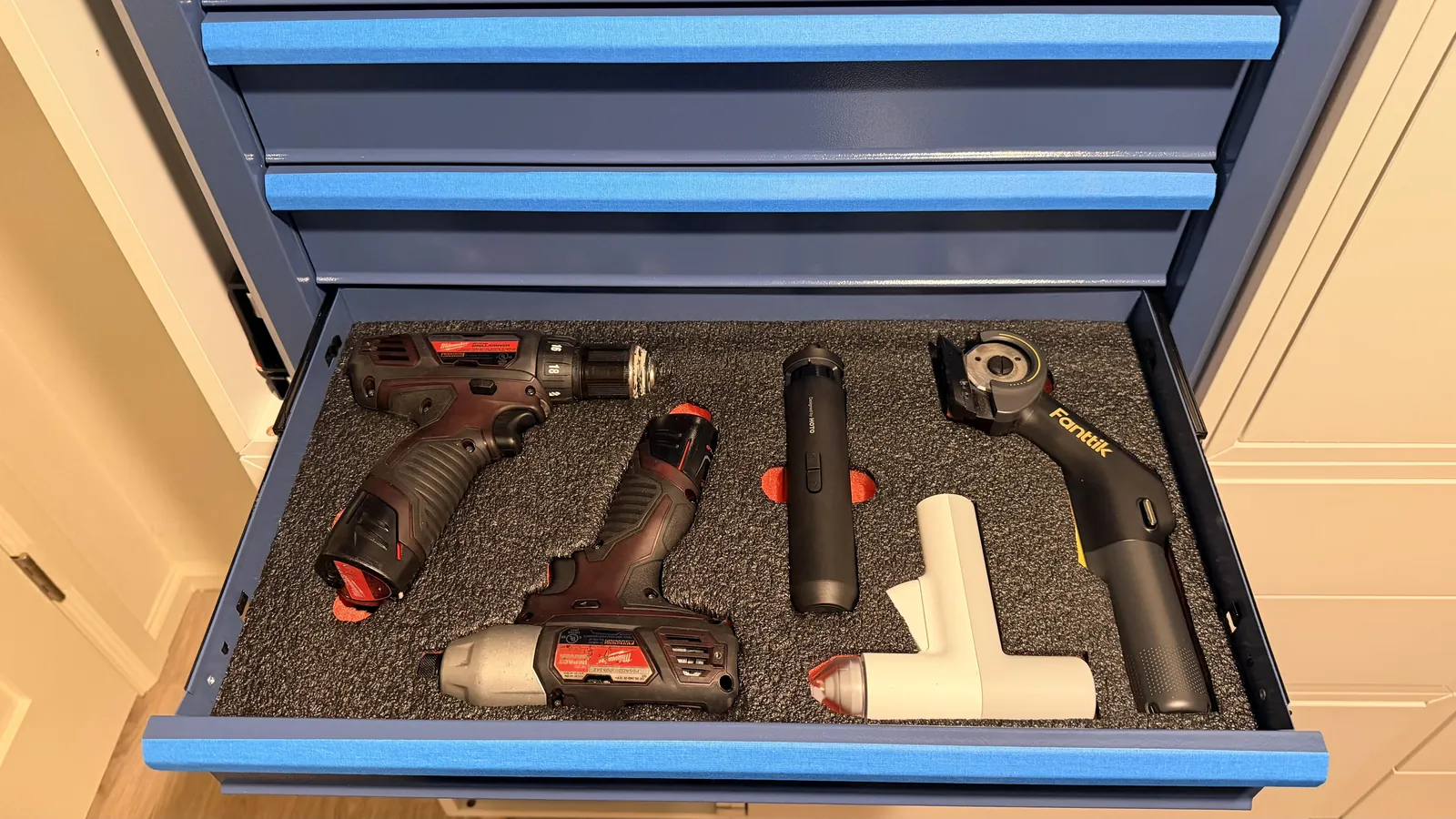
Your specific needs depend on the type of projects you plan to tackle. If you’re starting your first apartment, a multi-bit screwdriver and a folding knife are sufficient for basic assembly. If you’re renovating a kitchen or building shelves, you must add the drill-driver and tape measure to your kit.
These tools generally work best when kept together in a central bag or box, as you’ll often need the drill and the screwdriver for the same project. Picking one high-quality tool from this list is always better than buying a cheap, unreliable set that fails after a few months of use.
Frequently asked questions
How long do cordless drill batteries last?
A standard 12V lithium-ion battery lasts for a period of regular home use before it begins to hold less charge. You can check the current health of your battery by observing the charge time; if the battery takes significantly longer to charge than the manufacturer’s manual suggests, it’s reaching its end.
Is it safe to use a utility knife on metal?
No, a standard utility knife isn’t designed for cutting metal and can cause the blade to shatter. Use a dedicated hacksaw or bolt cutters for metal projects, as these tools are built to withstand the high tension and hardness of steel components.
How do I know which screwdriver bit to use?
You match the bit to the screw head shape, such as Phillips for cross-shaped heads or slotted for single-line heads. If the bit fits loosely or wobbles inside the screw head, it’s the wrong size and will likely strip the fastener during use.
Does it matter if my pliers are insulated?
Yes, if you’re performing any electrical work, you must use tools with insulated handles rated for the voltage you’re handling. Check the handle for the official safety certification markings, which indicate the tool has been tested to protect you from accidental contact with live wires.
How often should I replace utility knife blades?
You should replace the blade as soon as it feels like you need to apply extra pressure to make a clean cut. A dull blade is more dangerous than a sharp one because it’s more likely to slip off the material and cause an injury.
What happens if I drop my tape measure?
Dropping a tape measure can bend the metal hook at the end, which changes the zero-point measurement and leads to inaccurate results. Check the hook for any signs of movement or gaps against the blade; if it’s loose, you must recalibrate it by checking the measurement against a known ruler.
Conclusion
Start by purchasing the multi-bit screwdriver and the tape measure, as these two tools will cover the majority of your household needs. You’ll know you have the right setup when you can complete a basic furniture assembly or mount a shelf without needing to borrow extra gear. If you find the tools are becoming difficult to operate or are showing visible damage, stop using them and seek a professional.
