
Choosing the best drill bit for electrical rough-in depends on your specific obstacles. For reaching wires in tight spaces, the DECKRKAT Flexible Installer Bit is a common starting point, while those boring through heavy-duty timber studs often prefer the Greenlee Nail Eater Bit. Balancing hole size, reach, and material is essential to optimizing your workflow and ensuring your tools match your project demands.
As an Amazon Associate, we earn from qualifying purchases. This post contains affiliate links – if you buy through them, we may earn a commission at no extra cost to you.
1. Klein Tools Flex Bit

Best for: Someone who needs a reliable, flexible tool for running wire behind walls.
This bit is designed to reach into confined spaces where rigid bits simply can’t go. Its flexibility allows you to navigate around studs and obstacles within wall cavities with ease.
It’s a specialized tool for specific wire-pulling tasks. If you only need to bore large, straight holes through open framing, this flexible design might be more than you need.
Good if:
- You’re working behind existing walls.
- You need to fish wire through tight cavities.
- You prefer tools from a known electrical brand.
Skip it if:
- You’re drilling through heavy, thick beams.
- You only need to make simple, straight-through holes.
2. DECKRKAT 54″ Flexible Installer Drill Bit

Best for: Someone who needs to fish wire through walls and ceilings quickly.
The 54-inch length and spring steel construction allow for smooth navigation around pipes and studs. The inclusion of a fish eye hole in the 3/4-inch auger head makes pulling wire through the wall a straightforward process.
The 3-flat shank is built to lock firmly into your drill chuck, which helps keep the bit stable while you work. This tool isn’t for someone who needs to drill through thick metal or masonry, as it’s optimized for wood and drywall.
Good if:
- You want a bit that includes a wire-pulling eye.
- You work in attics or tight wall cavities.
- You need to prevent the bit from slipping in the chuck.
Skip it if:
- You’re drilling into solid concrete or masonry.
- You require a shorter, rigid bit for standard framing.
3. Greenlee 66PT-3/4 Nail Eater Bit with Self-Feeding Screw Point
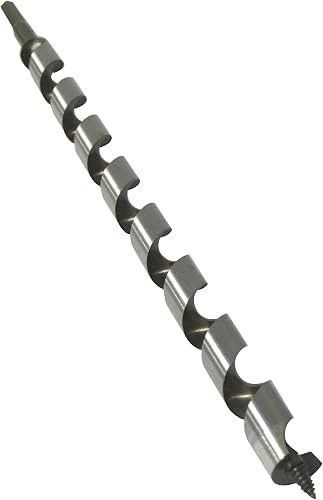
Best for: Someone who needs to bore holes through wood studs regularly.
This bit features a self-feeding screw point, which pulls the bit through the wood with less effort from the user. The 7/16-inch hexagonal shank is designed to provide a secure grip for your drill.
It’s a heavy-duty option meant for framing work. It isn’t intended for fishing wire through finished walls or tight spaces where you need a flexible shaft.
Good if:
- You’re doing rough-in work on open studs.
- You want a bit that pulls itself into the wood.
- You need a strong, rigid connection to your drill.
Skip it if:
- You need to reach into wall cavities.
- You’re working with very thin, delicate materials.
4. Irwin 3-Cutter Self Feed

Best for: Someone who needs to drill large holes for electrical conduit.
This bit is built for speed and size, featuring a 3-cutter design that clears material efficiently. It uses a self-feed mechanism to make boring large holes less taxing on your arms and your drill.
This is a specialized bit for large-diameter holes. It isn’t suitable for small wire-pulling tasks or reaching into tight, narrow spaces.
Good if:
- You’re installing large electrical conduits.
- You want to reduce the physical effort of boring wide holes.
- You need a fast, clean cut through wood.
Skip it if:
- You only need to run small-gauge wire.
- You’re working in tight, confined areas.
5. Klein Tools KTSB15 Step Drill Bit #15 Double Fluted 7/8

Best for: Someone who needs to enlarge holes in electrical boxes or thin metal.
This double-fluted bit allows you to drill and enlarge holes using a single tool. The markings on the bit help you hit your target size accurately without constant measurement.
Because it’s a step bit, it’s designed for thin materials like metal or plastic. It won’t work for boring through thick wooden studs or beams.
Good if:
- You’re mounting electrical boxes.
- You need to adjust hole sizes on the fly.
- You want to drill and deburr in one go.
Skip it if:
- You’re drilling through thick wood framing.
- You need to reach deep into a wall.
6. USA Made Cable Bit

Best for: Someone who needs to install wire through wood without pulling it backward.
The hollow shank design is the standout feature here, as it allows you to push wire through the bit itself. This saves time because you don’t have to retrieve the wire from the other side of the wall.
This bit is intended for cable and low-voltage installation. It isn’t designed to replace heavy-duty auger bits used for boring large holes for conduit.
Good if:
- You’re installing Cat5, phone, or security lines.
- You want to save time by not pulling wire back.
- You prefer tools made in the USA.
Skip it if:
- You’re doing heavy-duty electrical rough-in with thick conduit.
- You need to bore very deep holes.
7. DEWALT Ship Auger Bit

Best for: Someone who needs to bore deep, clean holes in heavy timber.
This bit is built for durability and deep penetration through thick wood. The ship auger design is meant to clear wood chips effectively so the bit doesn’t get stuck during deep boring.
This is a rigid, heavy-duty tool. It isn’t meant for fishing wire or working in tight spaces where you need to bend the shaft.
Good if:
- You have heavy framing to bore through.
- You need to ensure the hole stays clean and clear.
- You want a bit that handles deep wood boring.
Skip it if:
- You need to navigate around obstacles inside a wall.
- You’re working with thin, light-duty materials.
Where These Overlap
Many of these bits serve distinct purposes, but there’s some overlap in the flexible and rigid categories. The DECKRKAT Flexible Installer Bit and the 58″ Flexible Installer Drill are very similar in their intended use for fishing wire. If you find two bits that seem identical in their specs, look for the shank design or the inclusion of extra accessories like a storage tube or wire puller, which are the main factors that differentiate them. Conversely, the Greenlee Nail Eater Bit and the DEWALT Ship Auger Bit occupy the same space for heavy-duty stud boring, where your preference for a specific brand or shank type will likely be the deciding factor.
Still Not Sure?
What do I already own that this has to work with?
Check your drill’s chuck capacity. Most of these bits have specific shank sizes, like the 1/4-inch 3-flat shank on the DECKRKAT Flexible Installer Bit or the 7/16-inch hex shank on the Greenlee Nail Eater Bit. Ensure your drill can securely hold the shank size before you choose.
What am I most likely to regret choosing?
Regret usually comes from choosing a rigid bit when you needed a flexible one, or vice versa. If you’re working in finished walls, always go with a flexible option like the Klein Tools Flex Bit. If you’re working on open framing, avoid flexible bits and use a rigid auger instead.
The choice comes down to whether you’re boring through open studs or fishing wire through closed walls. For open framing, the Greenlee Nail Eater Bit is a solid, reliable workhorse. For fishing wires, the DECKRKAT Flexible Installer Bit provides the reach and maneuverability you need. Choose the one that matches your current project.
Frequently Asked Questions
What does the bit ask of its owner week to week?
Maintenance is minimal, but you must keep the cutting edges clean. If you’re using bits like the Greenlee Nail Eater Bit, ensure the self-feeding screw point isn’t damaged by nails or screws, as this will prevent the bit from pulling itself through the wood correctly.
What has to be replaced, refilled or renewed to keep it working?
These bits don’t require refills. However, dull cutting edges eventually require professional sharpening to remain effective. If you strike a nail or metal fastener, you may need to replace the bit entirely, as high-speed steel can chip or lose its temper, which is a common risk when drilling into hidden wall structures according to industry standards for safe electrical installations.
What happens when it’s outgrown or used up?
When a bit becomes too dull to cut efficiently or the shaft becomes bent, it’s time to retire it. Because these are precision cutting tools, attempting to force a worn-out bit can damage your drill motor or the material you’re working on, so it’s best to replace them.
Would the more capable one on this list have suited me better?
The more capable bit is usually one that’s more specialized. If you find yourself struggling to pull wires, you have outgrown a standard bit and should upgrade to a flexible installer model. If your holes are ragged, a dedicated ship auger will always perform better than a general-purpose bit.
Final Thoughts
Keep your bits sharp and organized in a dedicated pouch so you’re always ready for the next job. When you’re back at the supply house, don’t hesitate to ask a pro which newer alloys they’ve been testing. It’s a great way to see what’s working best for others in the field.