
A dead battery is the most common reason you’ll find a cannon safe keypad not working, as low power often prevents the electronic lock from engaging even if the keypad lights up. You should first replace the battery with a high-quality, fresh 9-volt alkaline battery to rule out power depletion. If the keypad remains unresponsive after this change, check the cable connection for visible signs of damage or loose pins. You can find specific battery maintenance tips on the Cannon Safe official support page.
Diagnosing common keypad malfunctions
| Cause | How common | How to confirm it | Fix it yourself? |
|---|---|---|---|
| Dead battery | Extremely common | Replace with new battery | Yes |
| Loose internal cable | Common | Inspect for loose wires | Yes with care |
| Keypad entry error | Frequent | Re-enter code slowly | Yes |
| Lockout mode active | Occasional | Wait 15-30 minutes | Yes |
| Internal solenoid failure | Rare | Listen for faint click | No |
| Circuit board damage | Very rare | Check for burnt smell | No |
If the keypad remains unresponsive after a fresh battery swap, have a technician verify the power levels. A professional can determine if the issue stems from a bad batch of batteries or a deeper hardware fault.
When checking for loose internal cables, look specifically for the ribbon connector attached to the keypad membrane. If this cable shows signs of oxidation or frayed edges, the connection is compromised. Gently reseating the plug often restores functionality.
Distinguish between lockout mode and a failed solenoid by the timing of the response. If the keypad emits a rapid, high-pitched beep after three incorrect attempts, it’s in lockout. If the keypad accepts the code but the deadbolt doesn’t retract, the solenoid has seized.
If you smell ozone or see scorched traces, the board is beyond repair. Replace the entire unit immediately to prevent a fire hazard.
Replacing the power source
A low battery is the primary culprit when your safe fails to open. Electronic locks require a steady flow of electricity to move the internal solenoid, and as the voltage drops, the keypad may beep or flash but lack the power to retract the locking bolts.
To test this, remove the battery cover on the front of the keypad. Pull the old battery out and replace it with a fresh, name-brand 9-volt alkaline battery. Don’t use rechargeable batteries, as they often have different discharge rates that can cause the lock to act erratically. If the keypad lights up or chirps after the swap, try your code again. This process typically takes under 5 minutes and costs only the price of a single battery.
If you’re unsure if the battery is the issue, have a technician test the power supply. If you lack a professional meter, simply try a second new battery from a different pack.
People often make the mistake of leaving the old battery inside while trying to jump-start the keypad from the outside. This can cause a short circuit or damage the internal logic board. If you have a keypad with an external battery terminal, use a high-quality alkaline battery for the jump. If the keypad remains dark after a fresh swap, the issue likely lies within the wiring or the internal hardware.
Checking the cable connections
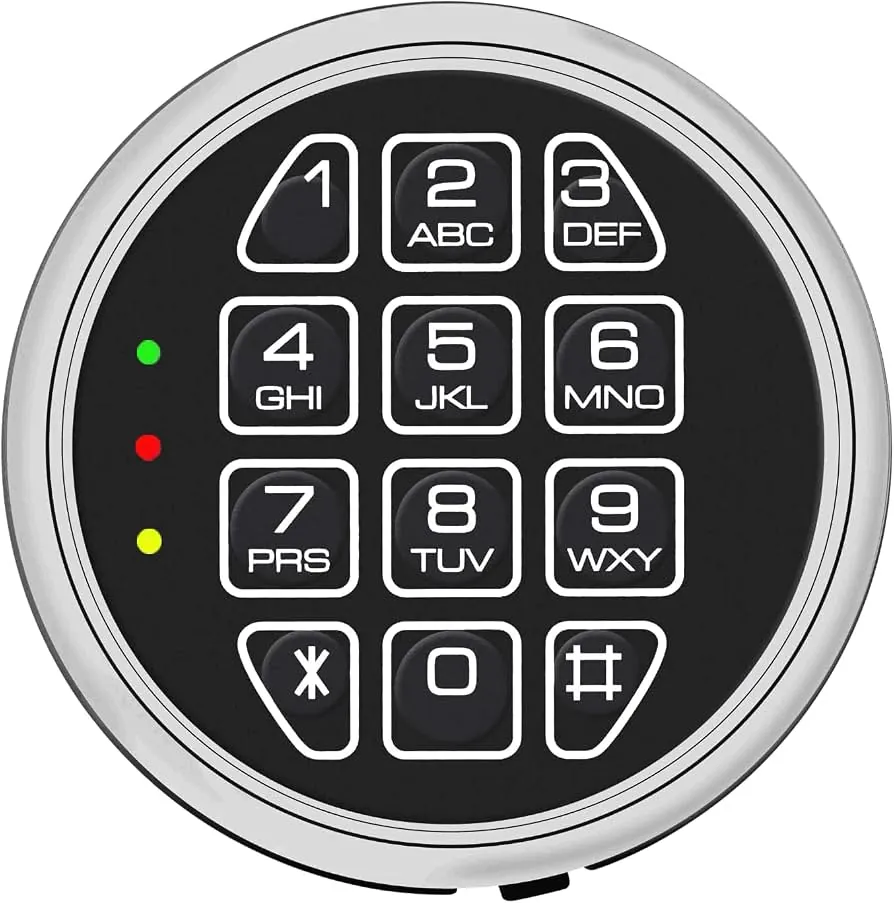
A loose or pinched cable between the keypad and the safe door is the second most frequent cause of failure. If the cable isn’t fully seated in the port, the signal from your button presses never reaches the locking mechanism.
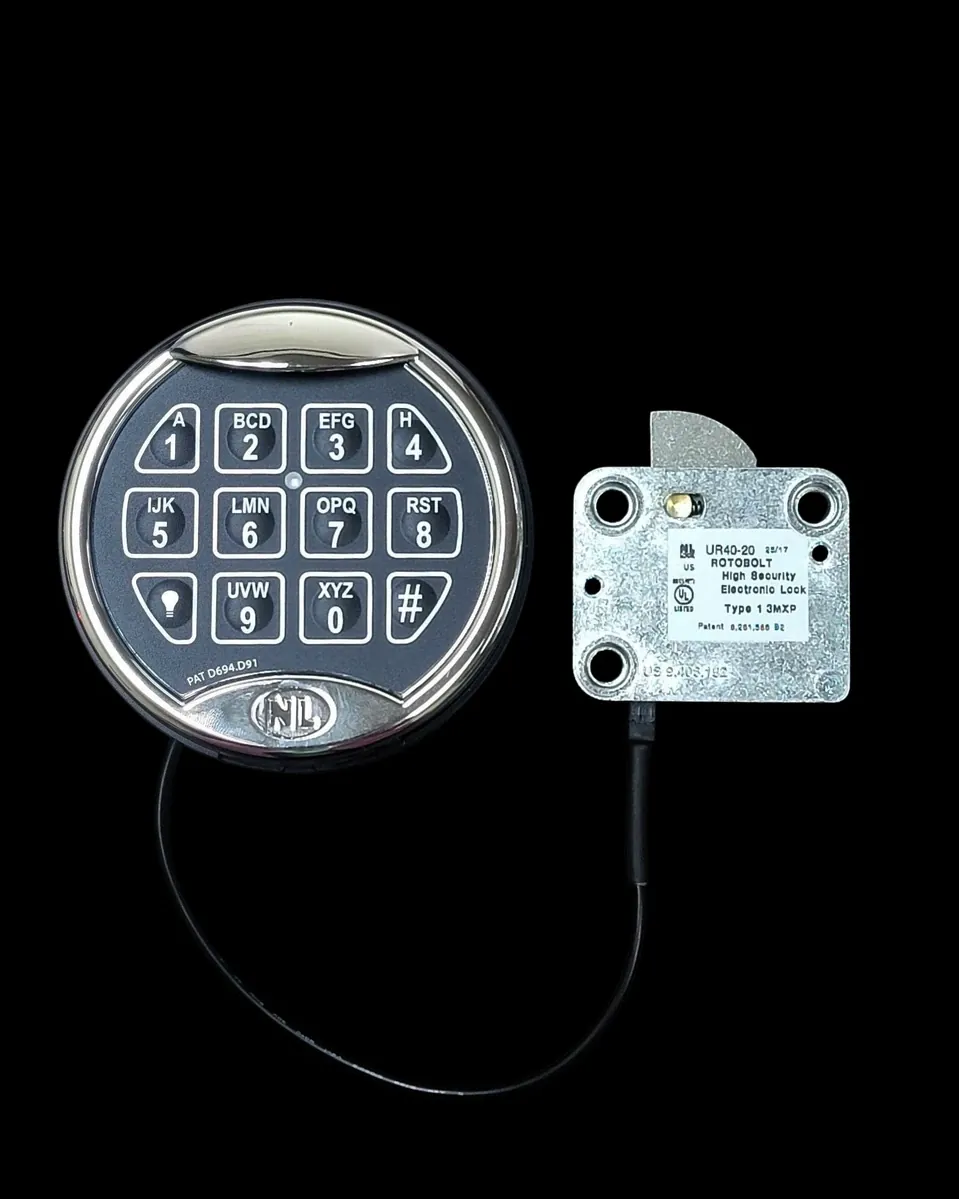
To check this, carefully remove the keypad housing from the door. Most models use screws hidden behind a small cover or located at the base of the unit. Look for the cable connection where the wires plug into the circuit board. If the plug is loose, gently press it back into the socket until you hear or feel a click. Ensure the wires aren’t pinched between the metal housing and the door, as this can cause a short circuit.
If the cable is kinked, you must replace the entire harness rather than trying to straighten it.
If you see frayed wires or broken pins, don’t try to solder them yourself. This is a delicate process that risks destroying the entire electronic system. If the cable looks intact but the system remains dead, the fault is likely in the keypad logic or the solenoid.
In these cases, the keypad will typically beep or flash when a key is pressed, but the bolt won’t retract. This specific symptom confirms the connection is fine, but the internal hardware requires professional servicing.
Managing lockout and entry errors
Incorrect entry attempts often trigger a security lockout, which is the third most common reason for a non-responsive keypad. Many electronic safes enter a penalty period after three to five failed attempts to prevent unauthorized access.
If you have tried your code multiple times, the keypad may intentionally ignore further input for a set duration. This period typically lasts between 15 and 30 minutes, depending on your specific safe model. During this time, the keypad might beep or show a warning light to indicate it’s in a protected state.
Many users make the mistake of repeatedly pressing keys or pulling the handle during the lockout, which often resets the internal timer. If your keypad remains silent or unresponsive after a single press, assume you’re still in the penalty window.
To clear this, leave the keypad alone for at least 30 minutes.
If you’re unsure if the lockout has expired, wait an additional ten minutes beyond the manufacturer’s stated time. After the wait, try your code one more time, entering each digit deliberately. If the safe still doesn’t open, verify that you’re using the correct user code or the factory default code if the safe has never been programmed.
Other rare causes of failure
Solenoid seizure occurs when the internal plunger fails to retract due to debris or mechanical fatigue. If you hear a faint click but the bolt remains locked, the solenoid is likely jammed. Don’t force the handle, as this can shear the internal pins and turn a simple repair into a total lock replacement.
Circuit board failure often stems from power surges or aging capacitors. If the keypad remains unresponsive despite fresh batteries, the board is likely fried. You must replace the entire electronic module, as individual component-level repairs on these boards are rarely reliable.
Environmental damage happens when condensation settles on the ribbon cables. If your safe is located in a basement or garage, check for oxidation on the battery terminals. If you see green or white crust, the internal contacts are likely compromised.
Physical tampering triggers the relocker, a spring-loaded bolt that fires if the lock is attacked. If the dial or keypad feels loose or misaligned, the relocker has likely engaged. This state is permanent and requires a certified safe technician to drill the unit open.
What a professional fix involves
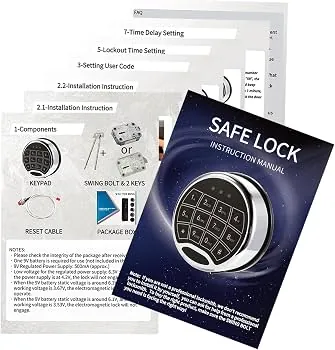
Fixing a persistent keypad issue usually involves a mix of basic troubleshooting and potentially replacing the entire lock assembly. If a fresh battery and a secure cable connection don’t solve the problem, you’ll likely need to source a replacement keypad or solenoid from the manufacturer.
The time involved ranges from a few minutes for a simple battery swap to several days if you must wait for replacement parts to arrive. Costs vary based on whether your safe is still under the manufacturer’s warranty. If the warranty has expired, you’ll need to pay for both the replacement parts and the labor of a certified safe technician.
Always check your owner’s manual or the official brand website before attempting any repairs beyond a battery change. If you can’t find a clear path to a fix, contact a professional locksmith who specializes in safe security. They have the tools to bypass the lock without damaging the safe body, which is far more expensive to replace than a keypad.
Frequently Asked Questions
How do I know if my battery is dead?
Your safe will usually emit a series of rapid beeps or show a flashing light when you press a key if the battery is low. If the keypad is completely silent and shows no lights at all, the battery is almost certainly drained. Always replace the battery with a fresh, high-quality 9-volt alkaline unit to see if the power returns.
Is it safe to leave my safe locked while I troubleshoot?
Yes, it’s perfectly safe to leave the safe locked while you perform these basic checks. The electronic keypad is a separate component from the mechanical locking bolts, so troubleshooting the keypad won’t accidentally open the door. If you can’t regain access, you should contact a professional locksmith to assist you with a safe lockout.
How long does a 9-volt battery last in a safe?
Most batteries last between 6 and 12 months under normal daily use. This timeframe depends heavily on how often you access the safe and the quality of the battery you install. If you notice the keypad lights dimming or the response time slowing down, replace the battery immediately to avoid a full power failure.
What happens if I forget my code?
You must use the factory-set master code or the physical override key if your model includes one. If you have lost the override key and don’t have the master code, you’ll need to contact the manufacturer or a certified locksmith. Never attempt to drill or force the safe open, as this will destroy the locking mechanism and void your warranty.
Does it matter which 9-volt battery I use?
Yes, you should always use a standard alkaline 9-volt battery from a reputable brand. Rechargeable batteries or lithium batteries may have different discharge profiles that can cause the keypad to malfunction or display false “low battery” warnings. Sticking to standard alkaline batteries ensures the most consistent performance for your electronic lock.
Can I leave the safe door open while testing?
Yes, always test the keypad while the safe door is open. This prevents you from being locked out if the repair fails during your testing. If the door is already locked, keep it open once it unlocks to verify the mechanism is working reliably.
Conclusion
If these simple checks don’t resolve the issue, don’t hesitate to reach out to the manufacturer’s customer service team directly. They’re usually happy to help you troubleshoot further or arrange for a replacement part if your lock is faulty. Keeping your important documents secure shouldn’t be a struggle, so get the professional support you need.
