
Have you ever wondered if you can solder soft copper without ruining your project? If you’re working with copper pipes or craft pieces, knowing the right technique can save you time and frustration.
Soldering soft copper isn’t as tricky as it sounds, but there are important tips you need to know to get it right the first time. Keep reading to discover how you can master this skill and make your copper connections strong and reliable.
Your next project depends on it!
Properties Of Soft Copper
Soft copper is a common material in plumbing, electrical work, and crafts. It is known for its flexibility and ease of shaping. These properties make soft copper useful in many projects. Understanding its properties helps in working with it effectively, especially in soldering.
Why Soft Copper Is Used
Soft copper bends easily without breaking. It can be shaped into curves or loops. This makes it perfect for pipes and wiring in tight spaces. It also resists corrosion, which helps pipes last longer. Soft copper conducts heat and electricity well. This quality is important in electrical and heating systems.
How Softness Affects Soldering
Soft copper heats up quickly during soldering. Its softness means it can be damaged if handled roughly. Too much heat can cause it to warp or melt. The surface needs to be clean for solder to stick well. Proper technique prevents weak joints and leaks. Soft copper’s softness requires careful temperature control.
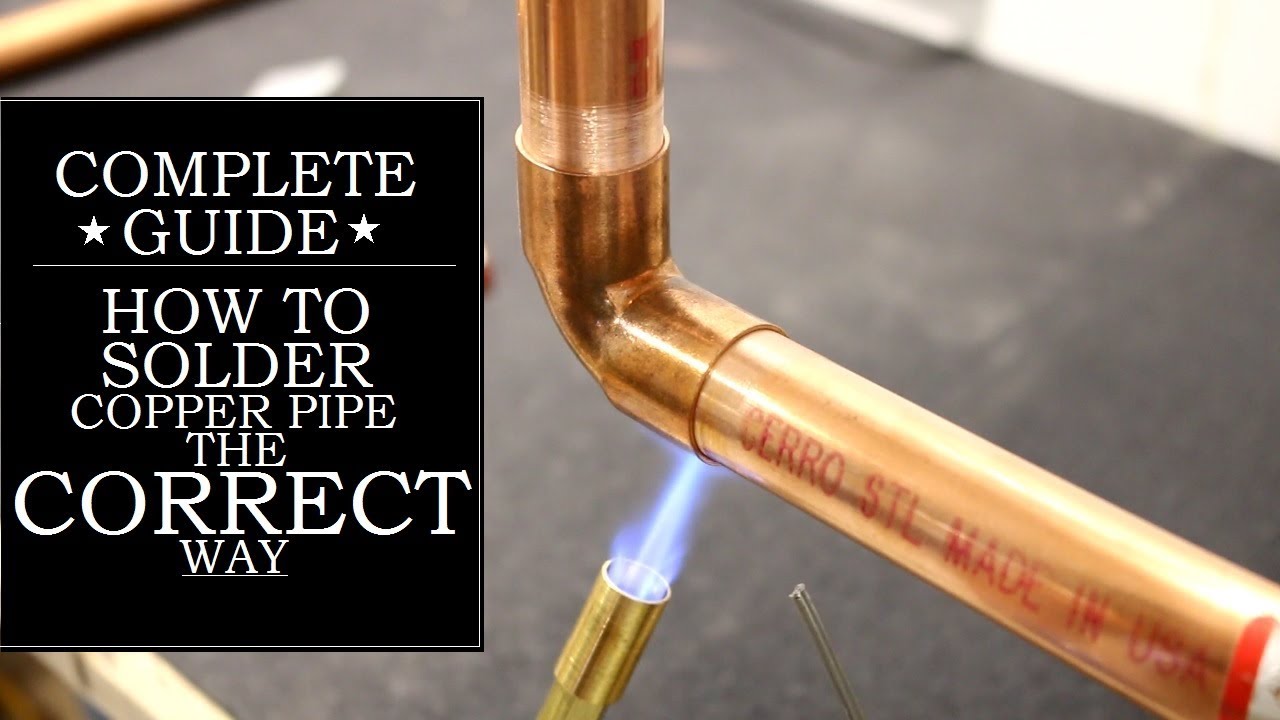
Credit: www.youtube.com
Choosing The Right Solder
Choosing the right solder is key to a strong, lasting joint on soft copper. The solder must melt easily and bond well with copper. It also needs to resist corrosion and heat stress over time. Picking the proper solder ensures your project stays safe and efficient.
Types Of Solder For Copper
Solders for copper come in different types. The most common are rosin-core solder and acid-core solder. Rosin-core solder is made for electrical and plumbing uses. It has a flux inside that cleans the copper surface during soldering.
Acid-core solder contains an acid flux. It works best on metals like steel, not copper. Acid flux can damage copper pipes and cause leaks. Always choose solder labeled safe for copper to avoid problems.
Another type is silver solder, used in high-temperature or heavy-duty joints. It offers strong bonds but requires a higher heat level. For most soft copper projects, rosin-core solder is enough.
Lead-free Vs Leaded Solder
Lead-free solder is popular for plumbing and food-grade copper work. It has no toxic lead, making it safer for health and the environment. Lead-free options usually contain tin, copper, and silver. They melt at a slightly higher temperature than leaded solder.
Leaded solder contains lead mixed with tin. It melts at lower temperatures and flows easily. This type is common in electronics but less safe for plumbing. Lead can poison water if it leaches from joints.
For soft copper plumbing, lead-free solder is the best choice. It meets safety codes and reduces health risks. Leaded solder suits electronics where water safety is not a concern.
Preparing Soft Copper For Soldering
Preparing soft copper for soldering is a key step to ensure strong, clean joints. Soft copper is easy to work with but requires careful prep. Proper preparation helps the solder stick well and prevents weak bonds.
Cleaning and shaping the copper correctly makes the soldering process smoother. Each step improves the surface and fit of the copper pieces. This reduces mistakes and saves time during soldering.
Cleaning Techniques
Start by removing dirt and grease from the copper surface. Use a cloth with rubbing alcohol or a mild detergent. Scrub gently to avoid scratching the metal.
Next, use a wire brush or sandpaper to remove any oxidation. Oxidation blocks solder from sticking properly. Clean until the copper shines bright and smooth.
After cleaning, wipe off dust with a clean cloth. Avoid touching the cleaned area with bare hands. Oils from skin can cause solder to fail.
Cutting And Shaping Tips
Cut soft copper with a sharp tubing cutter or fine saw. Make straight cuts for better fitting joints. Avoid crushing the copper while cutting.
Use a file or sandpaper to smooth rough edges. Smooth edges help the pieces fit tightly together. This reduces gaps and improves solder flow.
Bend copper gently to shape it. Avoid sharp bends that can crack the metal. Soft copper bends easily but needs careful handling.

Credit: www.amazon.com
Tools Needed For Soft Copper Soldering
Soldering soft copper needs specific tools to work well. Having the right equipment makes the job easier and safer. It helps create strong, clean joints that last long. This section covers the basic tools required for soft copper soldering.
Soldering Irons And Torches
Soldering irons and torches heat the copper to melt the solder. A soldering iron works best for small, delicate jobs. It heats up quickly and is easy to control. A torch is better for larger pipes or thick copper pieces. It provides more heat and covers bigger areas. Choose a tool based on the size and type of your project. Make sure the heat output fits the job to avoid damage.
Flux And Its Importance
Flux cleans the copper surface before soldering. It removes dirt and oxidation that can stop solder from sticking. Flux also helps the solder flow smoothly. Without flux, joints may be weak or leak over time. Use flux made for copper soldering for best results. Apply it evenly on the area to be joined. This simple step improves the quality of every soldered connection.
Step-by-step Soldering Process
Soldering soft copper requires careful steps to ensure a strong, leak-free joint. Follow this clear process to join copper pipes or parts successfully. Each step plays a key role in making the solder stick well and last long. Understanding these basics helps you work safely and effectively.
Applying Flux
Start by cleaning the copper surface with a wire brush or sandpaper. This removes dirt and oxidation. Next, apply a thin layer of flux to the cleaned area. Flux helps the solder flow and prevents oxidation during heating. Use a brush or your finger to spread it evenly. Do not use too much flux as it can cause weak joints.
Heating Methods
Use a propane torch or a soldering iron designed for copper pipes. Heat the copper evenly, focusing on the joint area. Move the flame around to avoid overheating one spot. Copper should be hot enough to melt solder, not burn the flux. Test the heat by touching solder to the pipe; it should melt on contact.
Applying Solder
Touch the solder wire to the heated joint, not the flame. The hot copper melts the solder, which flows into the joint by capillary action. Move the solder wire around the joint to fill all gaps. Stop adding solder once the joint looks fully covered. Let the joint cool naturally without moving the parts.

Credit: www.amazon.com
Common Challenges And Solutions
Soldering soft copper can be tricky. Several common challenges appear during the process. Knowing these problems helps avoid mistakes and achieve strong joints. Two main issues are overheating and cold joints. Each can affect the quality of your soldered connection.
Avoiding Overheating
Soft copper heats up quickly. Too much heat can damage the metal. Overheating causes the copper to become soft and weak. It also makes the solder not stick well. Use a soldering iron with the right temperature. Keep the iron moving to spread heat evenly. Work fast but carefully. Let the copper cool before touching it again.
Preventing Cold Joints
Cold joints happen when solder does not melt properly. This creates weak, brittle connections. Cold joints can cause leaks or breaks. Clean the copper surface before soldering. Use flux to help solder flow and stick. Heat both the copper and the solder at the same time. Avoid moving the joint until the solder cools and hardens.
Testing And Inspecting Joints
Testing and inspecting soldered joints on soft copper pipes is crucial. It ensures the connection is strong and leak-free. Careful inspection helps avoid future problems. This step saves time and money by catching issues early.
Visual Inspection Tips
Start by checking the joint’s surface. It should look smooth and shiny. Dull or rough spots may mean poor solder flow. Look for cracks or gaps around the joint. Discoloration can indicate overheating or weak solder. A good joint has even solder coverage all around. Clean joints show no signs of dirt or flux residue. Always inspect both inside and outside the pipe ends.
Strength And Leak Testing
Apply gentle pressure to test the joint’s strength. The joint should hold firm without movement. Use a pressure gauge to check for leaks. Pressurize the system with water or air slowly. Watch for drops in pressure over time. Use soapy water on joints to spot bubbles. Any bubbles mean a leak is present. Repeat tests after repairs to confirm success. Proper testing guarantees a safe and lasting connection.
Safety Tips For Soldering Soft Copper
Soldering soft copper involves heat and chemicals that need careful handling. Safety is key to avoid injuries and accidents. Follow these important tips to keep yourself safe while working.
Protective Gear
Always wear safety glasses to protect your eyes from sparks and hot solder. Use heat-resistant gloves to shield your hands from burns. Long sleeves help protect your arms from splashes. Wear closed-toe shoes to keep your feet safe from falling tools or hot materials.
Ventilation And Workspace Setup
Work in a well-ventilated area to avoid breathing harmful fumes. Use a fan or open windows to move fresh air through the space. Keep your workspace clean and free of clutter to prevent accidents. Place a fire-resistant mat or surface under your work area for extra safety.
Frequently Asked Questions
Can You Solder Soft Copper Pipes Safely?
Yes, soft copper pipes can be soldered safely using proper tools and techniques. Clean the pipe and fitting, apply flux, then heat evenly before adding solder.
What Type Of Solder Works Best For Soft Copper?
Lead-free solder with a rosin core is best for soft copper. It ensures a strong, durable, and safe joint for plumbing.
Do You Need Special Flux For Soft Copper Soldering?
Use flux designed for copper pipes. It cleans the metal and helps solder flow smoothly for a solid connection.
How Hot Should The Torch Be For Soft Copper?
Heat the pipe evenly until the flux bubbles and solder melts on contact. Avoid overheating to prevent damage to the pipe.
Can Soft Copper Be Soldered Without Cleaning?
No, cleaning the copper surface is crucial. Dirt or oxidation stops solder from bonding well and causes leaks.
Is It Better To Use Soft Or Hard Solder On Copper?
Soft solder is generally better for copper plumbing due to flexibility. Hard solder (silver solder) is stronger but used mostly for HVAC or brazing.
How Long Does Soldering Soft Copper Take?
Soldering soft copper usually takes just a few minutes per joint. Proper preparation speeds up the process and ensures a leak-free seal.
Conclusion
Soldering soft copper is possible with the right tools and care. Use clean surfaces and proper flux for strong joints. Heat the copper evenly to avoid damage. Soft copper works well for plumbing and electrical projects. Take your time and practice for best results.
Keep safety in mind during the process. This simple skill can help you fix and build things at home. Try it out and see how effective soldering soft copper can be.