
Have you ever faced a sudden leak or burst pipe and wondered, “Can a plumber shut off water at the street?” Knowing the answer could save you a lot of stress and damage to your home.
When water is rushing where it shouldn’t, quick action is crucial. But do you have the right tools or permissions to stop it yourself? Or is calling a professional plumber the only way? Keep reading to uncover what you need to know about shutting off water at the street and how it can protect your home from costly repairs.
Who Controls The Water Shutoff
Knowing who controls the water shutoff is important. It helps you understand who to call during a water emergency. Water shutoff can happen at different points. Usually, it depends on the problem and location.
The main control points are either inside the property or at the street level. The responsibility often splits between plumbers and water utility companies. Each has a clear role and limits.
Role Of The Plumber
Plumbers handle water shutoff inside your home or building. They control valves found near the water meter or inside walls. They can stop water flow to fix leaks or install new pipes. They cannot shut off water at the street. Plumbers work with the pipes that belong to the property owner.
Responsibilities Of The Water Utility
The water utility controls the main water shutoff at the street. This is the point where water enters your property. They manage the public water supply and main pipes. The utility shuts off water for repairs or emergencies. Only authorized utility workers can operate these valves. They ensure safe and proper water service for the community.
Where Is The Main Water Shutoff Located
The main water shutoff controls the flow of water into your property. Knowing its location helps during emergencies or repairs. It stops water from flooding your home. Plumbers often need access to this valve to fix leaks or replace pipes. The shutoff can be inside your property or outside at the street.
Inside The Property
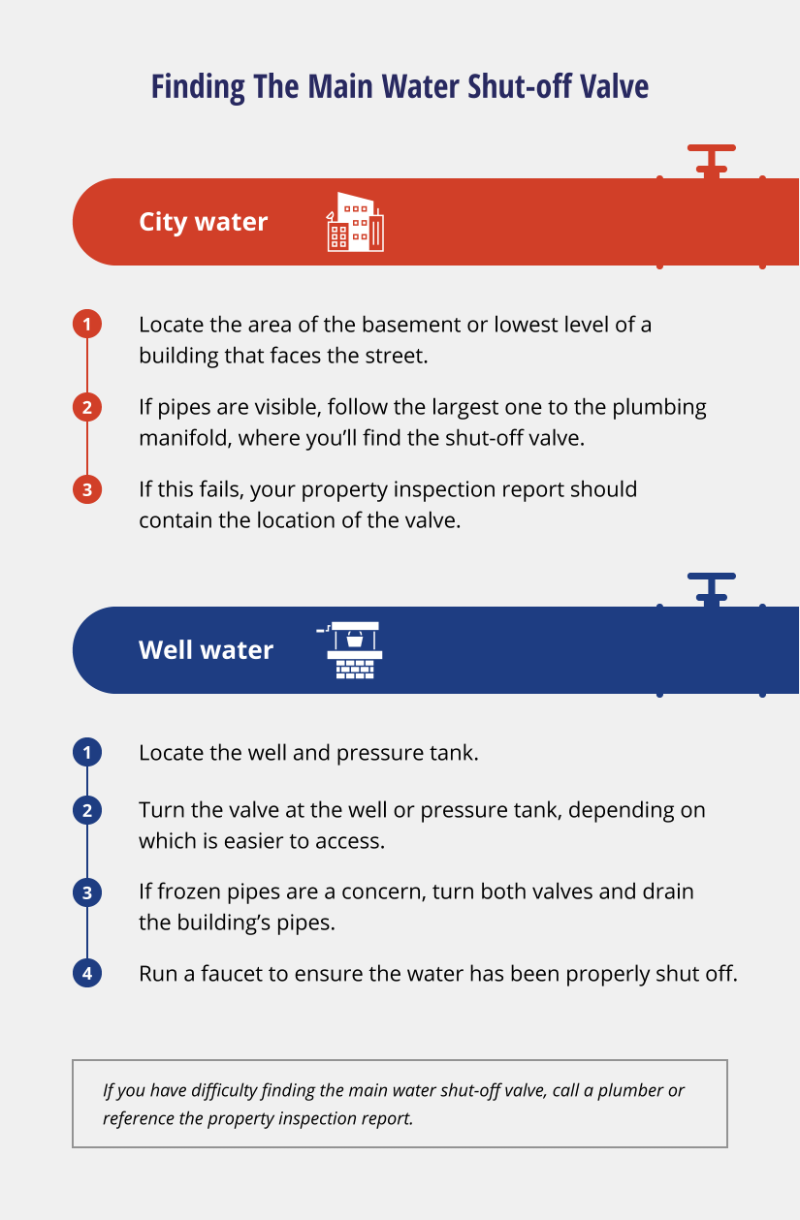
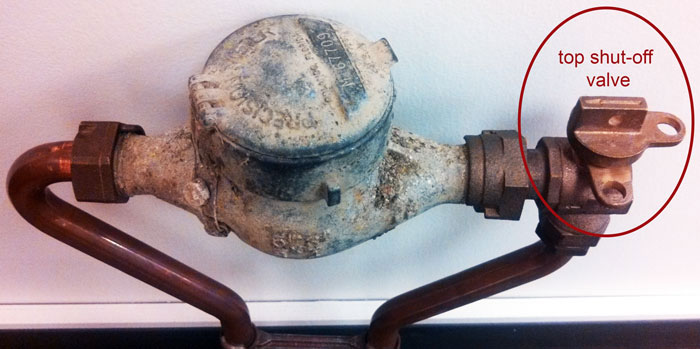
The main shutoff valve inside is usually near the water meter. Common places are basements, utility rooms, or crawl spaces. It looks like a round wheel or lever on a pipe. Turning it clockwise shuts off the water. This valve controls all water entering the home. It is easier to reach than the street shutoff. Knowing its spot saves time during leaks.
At The Street Or Curb
The street shutoff valve is on the water line before the property. It sits underground in a small concrete or metal box by the curb. This valve is controlled by the local water company or plumber. It needs special tools to open or close. The street shutoff stops water for the entire property. Plumbers use it when major repairs or installations happen.
When Can A Plumber Shut Off Water At The Street
Knowing when a plumber can shut off water at the street is important. This action affects not just one home but often the whole block. Only certain situations allow a plumber to do this. Understanding these can help you handle water issues safely and quickly.
Emergency Situations
Plumbers may shut off water at the street during emergencies. A major leak or burst pipe can cause serious damage fast. Turning off the water supply stops flooding and water waste. This action protects your home and neighbors. Emergency shut-offs often happen without delay to prevent harm.
With Proper Authorization
Plumbers need permission to shut off water at the street in non-emergencies. Usually, the local water company or city gives this authorization. This ensures the shut-off is legal and safe. Proper authorization avoids fines and service disruptions. Homeowners or businesses should request this before work begins.

Credit: diy.stackexchange.com
How To Shut Off Water Safely
Plumbers can turn off the water at the street to stop supply to your home. This helps during repairs or emergencies. Only trained professionals should handle the street valve for safety.
Tools Needed
Turn off water safely with the right tools. You need a water shut-off key or a wrench. A flashlight helps if the valve is in a dark spot. Gloves protect your hands from dirt and sharp edges. Have a towel or bucket ready for any dripping water.
Step-by-step Process
Find the main water valve at the street. It is usually near the sidewalk or curb. Use your flashlight to see the valve clearly.
Place the water shut-off key or wrench on the valve handle. Turn the valve slowly clockwise. Stop turning when it feels tight. Do not force it to avoid damage.
Check inside your house if the water stopped flowing. Open a faucet to see if water still runs. If water flows, the valve may not be fully closed.
After turning off the water, drain pipes by opening faucets inside your home. This step prevents water damage and helps with repairs.
Wear gloves to protect your hands during the process. Keep your tools close for quick access.
Common Challenges In Street Shutoffs
Shutting off water at the street can be tricky for plumbers. Many problems can arise during this task. These problems can slow down the work or cause extra costs.
Understanding these challenges helps homeowners know what to expect. It also shows why some jobs take longer than planned.
Access Issues
Street shutoffs are often located underground. Finding the exact valve can be hard. Valves may be covered by dirt, grass, or pavement.
In some areas, the valve box is damaged or missing. This makes access even more difficult. Sometimes, special tools are needed to reach the valve.
Access can be blocked by parked cars or heavy equipment. This limits the plumber’s ability to work quickly. Delays often happen because the plumber must clear the area first.
Potential Damage Risks
Digging or opening the valve box can cause damage. Pipes may be old and fragile. A wrong move can break them, causing leaks or floods.
Nearby cables or wires may also be at risk. Accidental cuts can lead to power outages or hazards.
Plumbers must be very careful to avoid these problems. Damage can increase repair costs and extend the water outage time.
Credit: rainbowrestores.com
Costs And Permissions Involved
Turning off the water at the street is not always simple. It involves certain costs and permissions. Understanding these factors helps avoid surprises. This section explains the key points about costs and permits.
Permit Requirements
Usually, a permit is needed to shut off water at the street. Local authorities control the main water line. They require permission to access or change it.
Plumbers must apply for this permit before starting work. The process may take a few days. The permit ensures that the work meets safety rules.
Without a permit, the plumber risks fines or delays. Homeowners should check with their city or water company. This step protects the property and the water system.
Typical Service Fees
Service fees vary based on location and job complexity. A plumber usually charges a base fee to visit the site. This fee covers travel and inspection time.
Shutting off water at the street can take extra time. The plumber might charge an hourly rate for this work. Some cities add fees for permit processing too.
On average, expect to pay between $150 and $400. Costs increase if additional repairs or parts are needed. Always ask for a clear estimate before hiring.
Alternatives To Street Water Shutoff
Shutting off water at the street is not always easy or possible. Many plumbers cannot access the main water valve outside your home. This can cause delays in fixing plumbing problems or stopping water flow.
There are other ways to stop water inside your house. These methods can help you control water during repairs or emergencies. Understanding these options can save you time and hassle.
Using Interior Valves
Most homes have valves inside that control water to specific areas. These valves are often found near sinks, toilets, or appliances. Turning these off stops water flow to that part of the house.
Using interior valves lets you fix leaks without shutting off all water. It also helps during small repairs or upgrades. Always know where these valves are before an emergency.
Temporary Water Supply Options
Sometimes, you need water while fixing pipes. Using temporary water tanks or buckets can help. You can also use bottled water for drinking and cooking.
Portable water containers provide water when the main supply is off. This method is useful during long repairs or planned water shutoffs. It keeps your household running smoothly.
Credit: www.seattle.gov
Frequently Asked Questions
Can A Plumber Turn Off Water At The Street?
Yes, plumbers can shut off the water at the street valve. This valve controls water to the whole house. Only authorized plumbers or utility workers should do it.
Where Is The Street Water Shut-off Valve Located?
The street shut-off valve is usually near the property boundary. It may be inside a covered box in the sidewalk or yard. This valve controls water flow from the main line.
Why Would A Plumber Need To Shut Off Street Water?
Plumbers shut off street water to fix major leaks or replace pipes. It stops water flow to prevent flooding. This step is crucial in big plumbing repairs.
Can Homeowners Shut Off Water At The Street Valve?
Most homeowners cannot shut off the street valve themselves. It is usually locked or controlled by the water company. Contact your local utility for help.
How Do Plumbers Access The Street Water Shut-off Valve?
Plumbers use special tools to open the valve box. They may need permission from the water company. The valve is underground and needs care to operate safely.
What Happens If The Street Valve Is Left Open During Repairs?
Leaving the street valve open can cause water damage or flooding. It may also affect neighbors’ water supply. Proper shut-off is important for safe repairs.
Who Is Responsible For Street Water Valve Maintenance?
The local water utility usually maintains the street shut-off valves. Homeowners maintain valves on their property side. Knowing your responsibility helps avoid water issues.
Conclusion
A plumber can shut off water at the street in many cases. This helps fix big leaks or plumbing problems quickly. Sometimes, only the city or water company can do it. Always check local rules before trying to shut off water outside your home.
Calling a plumber can save time and prevent damage. Knowing who controls the water helps you stay prepared. Keep emergency contacts ready for any water issues. Simple steps can protect your home from water damage.