
Usually, storing gasoline outside is safe if you use a container meant for fuel and keep it in a cool, ventilated spot away from heat. If you store it in a plastic jug meant for water or juice, you risk a fire because those containers break down and leak. Always follow local fire codes, as some areas limit how many gallons you can keep. Check your local fire department’s website for the exact limit in your town, as it varies by state and city.
Safety of common storage locations

You must choose the right spot to prevent accidents. Gasoline gives off fumes that catch fire easily, so keeping it in a living area or an attached garage is dangerous.
| Situation | Safe? | Why |
|---|---|---|
| Shed in backyard | Yes | Provides good ventilation |
| Attached garage | No | Fumes can reach home |
| Detached garage | With care | Needs constant airflow |
| Under a porch | No | Traps heavy vapors |
| Direct sunlight | No | Causes pressure buildup |
| Inside a home | No | Fire hazard to family |
Gasoline vapors are heavier than air. They settle in low spots like crawl spaces or under porches, creating an invisible, explosive pool that can ignite from a distant pilot light. If you smell gasoline, stop moving and leave the area immediately. Don’t flip any light switches, as the tiny spark inside the toggle can trigger an ignition.
If you must use a detached garage, install a floor-level vent to ensure vapors escape before they reach a dangerous concentration.
If you have a larger supply, you’re likely violating local fire codes and voiding your homeowners insurance policy. Check your container labels for the UL or FM certification mark. Replace any plastic container that shows signs of swelling or discoloration, as these are clear indicators that the chemical integrity of the plastic has failed.
Understanding the fire risk
The primary danger of gasoline is that it’s highly flammable and releases vapors that are heavier than air. These vapors sink to the ground and can travel long distances to reach a pilot light, a spark from a tool, or a hot engine. If a spark hits these fumes, the fire can flash back to the container, causing an explosion.
Vapors often pool in low-lying areas like basement corners or garage floor depressions, where they can sit undetected for hours. If you smell a faint, sweet chemical odor, assume the area is already compromised and evacuate immediately. Never use a fan to clear these vapors, as the motor’s internal spark can ignite the air.
Exposure to these fumes is also a health risk. Breathing in gasoline vapors can cause dizziness, headaches, and nausea. Gasoline is a flammable liquid that requires proper storage in approved containers to prevent workplace and home accidents. If you’re unsure if your container is safe, look for a stamp from a testing agency like UL or a similar body on the side of the jug.
The risk of fire increases significantly when containers are left in direct sunlight. Heat causes the liquid to expand, which puts stress on the seals and caps.
Always store containers on a flat, concrete surface to prevent tipping, which is a common mistake that leads to spills and property damage. Ensure the storage area is ventilated to the outside to prevent the buildup of invisible, heavy vapors that settle at floor level.
Signs to stop immediately
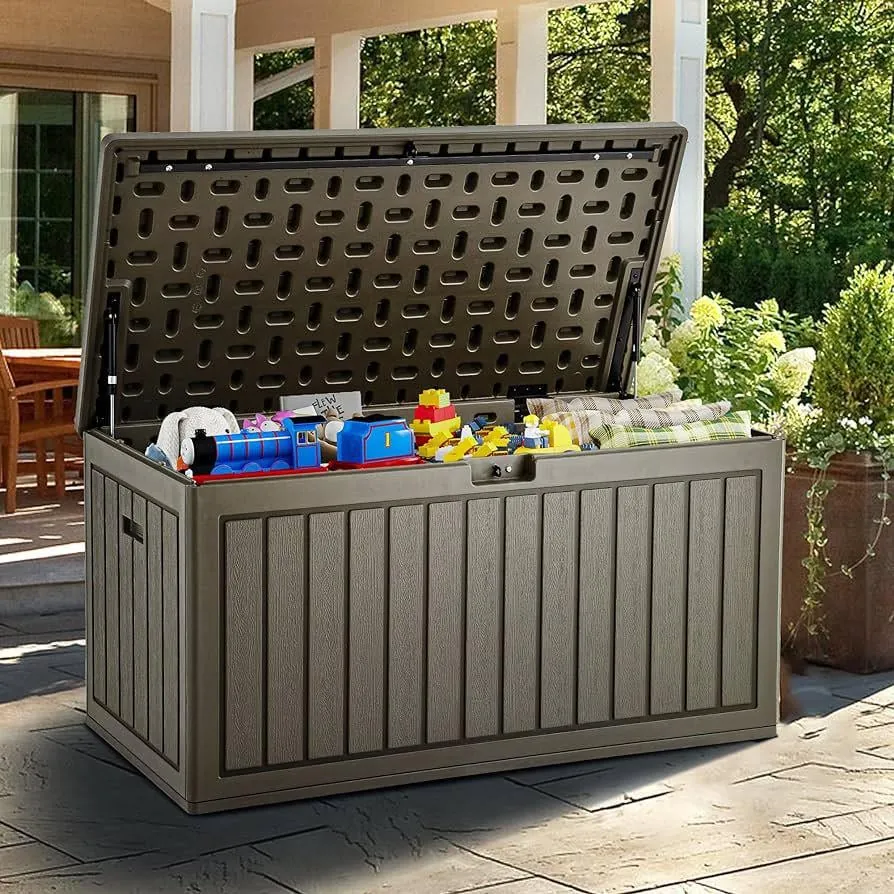
Strong fuel odor indicates the container is leaking or the seal has failed. If you smell gasoline while the container is closed, move it to a well-ventilated outdoor space immediately. Never attempt to tighten a seal or patch a leak with tape or epoxy. These materials degrade rapidly when exposed to hydrocarbons, creating a false sense of security while fuel continues to seep out.
Bulging plastic means the container is under extreme internal pressure and may rupture without warning. This often happens when fuel is stored in direct sunlight or a hot vehicle. If you see the bottom or sides bowing outward, don’t touch the container. Allow it to cool in the shade for several hours before attempting to move it.
Cracks or brittle plastic signal that the polymer has aged and lost its structural integrity. If the plastic feels chalky or leaves a residue on your fingers, the material is no longer safe for holding fuel.
Rust on metal cans indicates internal corrosion that will eventually cause a pinhole leak. Even minor surface rust on the bottom can hide deep pitting that compromises the entire base. If you notice orange flakes or discoloration, replace the can immediately.
Stains on the ground prove you have an active leak. Transfer the remaining fuel into a new, certified container designed for hazardous materials. If you have more than five gallons of leaking fuel, contact your local fire department for professional disposal. Don’t pour the fuel into a storm drain or onto the soil.
The safer way for storing gasoline outside
Use only red, high-density polyethylene containers or metal safety cans that are specifically approved for gasoline. Avoid repurposed plastic jugs, which degrade and leak under the chemical stress of fuel.
Fill the container to only 95% of its capacity to leave room for the fuel to expand as the air warms up. If you fill to the brim, the liquid will force its way past the seal as temperatures rise, creating a dangerous spill.
Tighten the cap firmly after every use to prevent vapors from escaping into the surrounding area. If you smell gasoline near the storage site, the seal has failed; replace the gasket or the entire cap immediately.
Place the container on a cool, level surface in a detached shed or a well-ventilated, shaded outdoor area. Never store fuel in an attached garage or basement, where heavy vapors can travel along the floor to a pilot light.
Keep the fuel at least 50 feet away from any ignition sources, including grills, fire pits, or electrical equipment.
Label the container clearly with the date of purchase, as gasoline begins to degrade after about 6 months in storage. If the fuel appears dark or leaves a gummy residue on the cap, discard it at a hazardous waste facility. Using degraded fuel will clog your engine’s carburetor and lead to expensive mechanical repairs.
Handling a fuel spill
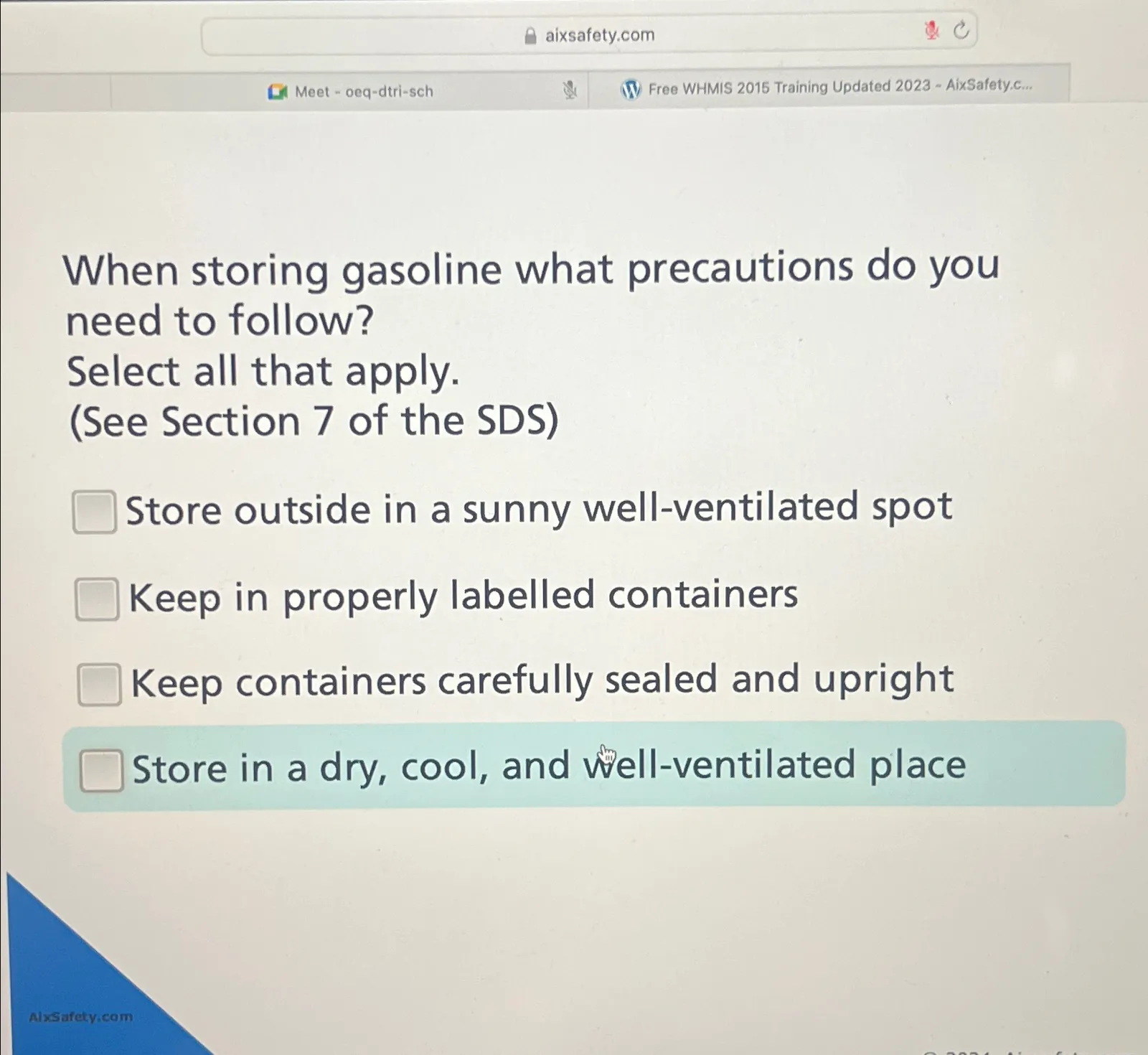
If you spill gasoline, you must act fast to prevent a fire. First, move everyone away from the spill area and ensure there are no open flames or sparks nearby. If the spill is small, cover it with sand, dirt, or cat litter to absorb the liquid. Don’t wash the gasoline into a storm drain, as this is illegal and harmful to the environment.
Scoop the soaked absorbent into a metal container with a tight-fitting lid. Contact your local waste management agency to ask about their hazardous waste disposal days. If the spill is larger than a gallon or has reached a water source, stop and call your local fire department immediately. They have the equipment to handle large chemical spills safely. Never attempt to clean a large spill if you don’t have the proper training or gear.
Related guides
- How Compressed Air Energy Storage Works: A Simple Guide
- 5 Best Folding Foosball Tables: Top Picks for Storage in 2026
- 10 Best Mid Grade Kitchen Cabinets for Lasting Home Storage in 2026
Frequently Asked Questions
Can I store gasoline in my car trunk?
No, storing gasoline in a car trunk is dangerous because the heat can build up quickly and cause the container to leak or burst. If you must transport fuel, keep it in the bed of a truck or on the floor of the vehicle for the shortest time possible.
How long can I keep gasoline?
You can keep gasoline for about 6 months before it starts to break down and lose its quality. If you add a fuel stabilizer when you first buy the gas, you may extend its life to 12 months, but always check the stabilizer bottle for the specific duration.
Is it safe to store gas in a plastic bottle?
No, you should never store gasoline in a plastic bottle intended for food or water. These bottles aren’t made to withstand the chemical properties of fuel and will eventually dissolve or leak.
What happens if the gas gets old?
If the gas is old, it can clog the engine of your tools or car and make them hard to start. The fuel will turn gummy and dark over time, which can damage fuel lines and carburetors.
Do I need to vent my fuel shed?
Yes, you need to keep your shed well-ventilated to prevent the buildup of flammable vapors. If you can’t smell fresh air moving through the space, you should add vents or keep the door slightly cracked.
How much gasoline can I keep at home?
The amount of gasoline you can keep depends on your local fire code and the specific rules of your city or county. Most residential areas allow for small amounts, usually under 5 to 10 gallons, but you must check with your local fire marshal for the exact limit.
Is a metal can better than a plastic one?
A metal can is often more durable for long-term storage, but both are safe if they’re specifically certified for gasoline. The most important factor is that the container has a tight, self-closing lid and is stored in a cool, shaded area.
Conclusion
Keep a clear label on your fuel container so you don’t forget what’s inside. It’s also smart to mark the date you bought the gas, as it won’t stay fresh forever. If you’re unsure about your current setup, take a quick walk outside today to ensure everything’s tucked away safely.
