
Homeowners primarily use full-flow rubber flappers, silent spring-loaded valves, and clear swing valves to prevent backflow and protect sump pump motors. Choosing the right valve depends on your noise tolerance and available space. Selecting the correct model ensures your pump operates efficiently and keeps your basement dry during heavy rain.
Sump pump check valve types
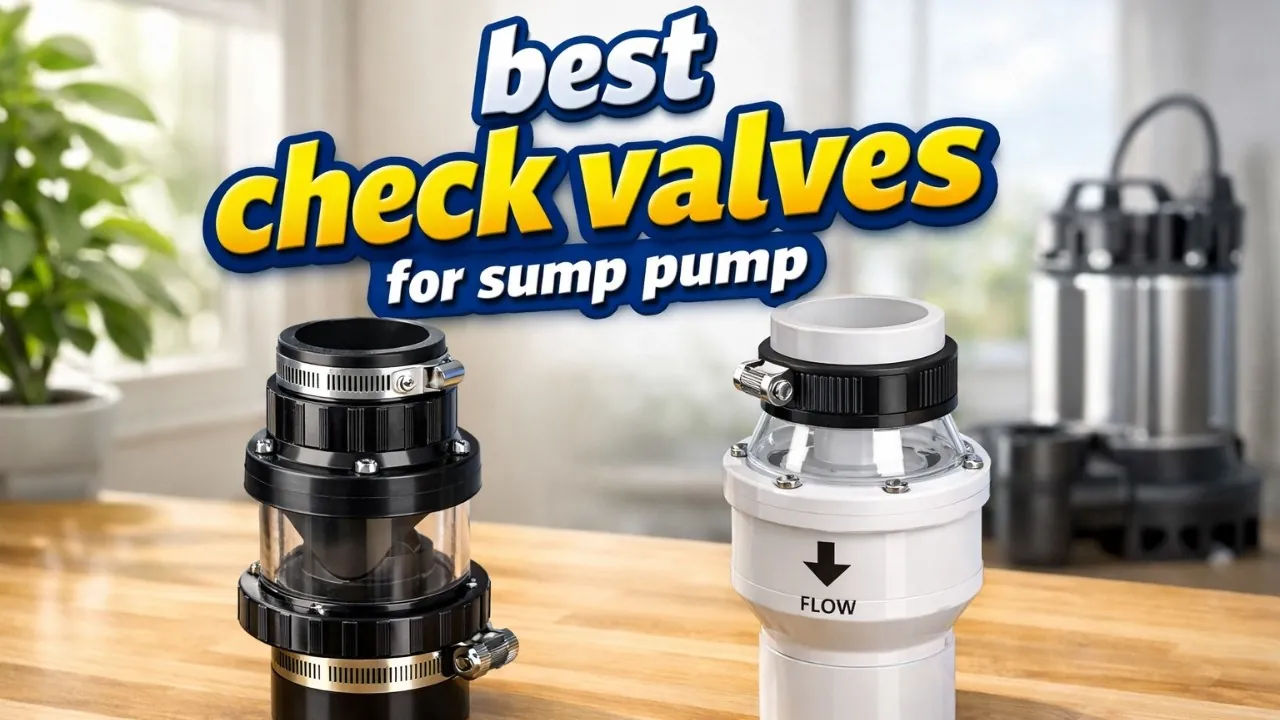
| Valve Type | Best For | Typical Example |
|---|---|---|
| Rubber Flapper | Standard installations | Simple slip-on coupling |
| Spring-Loaded | Quiet operation | Internal spring piston |
| Clear Swing | Visual inspection | Transparent PVC housing |
| Silent Union | Tight spaces | Integrated union valve |
Rubber flapper valves are the industry standard for basic setups. They rely on gravity to close, which makes them prone to a loud “thud” when the pump cycle ends. If your basement is finished, this noise can be disruptive.
Spring-loaded valves use internal tension to snap shut before the water reverses direction. This prevents the backflow that causes the hammer sound. However, the spring adds resistance that forces your pump motor to work harder. If you have a pump with low head pressure, choose a different style to avoid burning out the motor prematurely.
Clear swing valves provide an immediate diagnostic tool. Because the housing is transparent, you can verify if the flapper is stuck open or obstructed by debris without disconnecting the pipe. Use these if your sump pit is prone to silt or heavy sediment buildup.
Silent union valves combine the check valve and the pipe union into one housing. This saves roughly four inches of vertical space in cramped pits. If your discharge pipe is already crowded with electrical cords or secondary battery backups, this integrated design prevents the need for complex plumbing reconfigurations. Always match the valve material to your existing PVC schedule to ensure a watertight seal.
Rubber flapper check valves
A rubber flapper check valve is a simple, mechanical device that uses a hinged rubber disc to allow water to move in only one direction. It’s best for homeowners who want an inexpensive and reliable solution that’s easy to install without special tools. Because the design is basic, it’s often the default choice included with many pre-assembled pump systems.
The flapper’s primary job is to prevent water from flowing back into the basin after the pump cycle ends. This protects the pump motor from short-cycling, which occurs when water drains back and triggers the float switch prematurely.
These valves provide a full-flow path that minimizes resistance when the pump is running. Unlike spring-loaded valves, which can restrict flow, the flapper swings completely out of the way. This is critical for high-volume sump pumps that move over 3,000 gallons per hour.
You can easily replace the rubber disc if it eventually wears out. If you hear a loud “thump” in your pipes when the pump shuts off, the flapper has likely hardened and is no longer sealing against the seat.
These valves are held in place by two stainless steel hose clamps, making them simple to service. If you notice water leaking from the pipe connection, check that the clamps are tightened to the manufacturer’s torque specifications. Overtightening can crush the PVC pipe, while undertightening allows the valve to shift under pressure.
For a standard 1.5-inch PVC pipe, ensure the valve is installed vertically. Gravity is the only force closing the flapper once the motor stops. If you install the valve horizontally, the flapper will hang partially open, allowing backflow and causing the pump to run inefficiently. Always verify that the arrow on the valve housing points in the direction of the water flow.
Spring-loaded check valves
Spring-loaded check valves use an internal metal or plastic spring to force the valve shut immediately after the pump turns off. This design is best for homeowners who are bothered by the loud “thumping” sound that standard flapper valves make when they slam shut. By closing the valve before the water has a chance to reverse direction, these units eliminate the noise of the water hammer effect.
Reduces noise significantly during the pump’s shut-off phase. Closes faster than gravity-fed valves, preventing short-cycling of the pump motor. Functions effectively in both horizontal and vertical pipe orientations.
Because these valves contain a spring, they provide slightly more resistance to the water flow than a simple flapper. If you have a pump with low horsepower, you must ensure the spring tension isn’t so high that it strains the motor.
If your system operates at less than 1/2 horsepower, use a light-duty spring model to prevent excessive head pressure.
You can identify a mismatch by listening to the pump’s cycle. If the motor hums for several seconds longer than it did with a standard flapper, the spring tension is likely too high for your pump’s torque. In this case, swap the valve for a swing-check model or a spring-loaded unit with a lower cracking pressure rating.
Always verify that the valve’s pressure rating exceeds your system’s maximum shut-off head. If the pump produces 60 PSI, a valve rated for only 50 PSI will eventually fail at the spring seat. Always check the manufacturer’s specifications to ensure the valve is rated for the water pressure your system produces.
Clear swing check valves
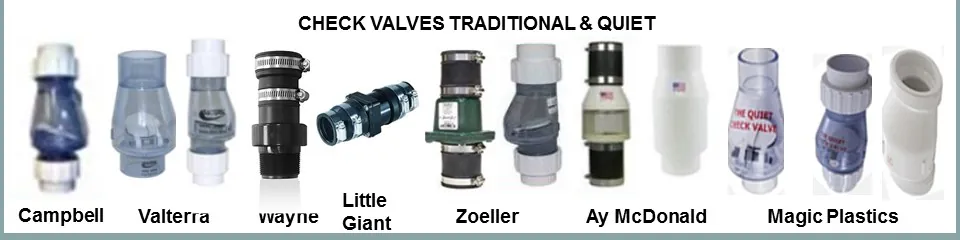
Clear swing check valves feature a transparent body that allows you to see the internal flapper at any time. This design is best for homeowners who want to verify that their system is working correctly without having to disassemble the pipes. Being able to see inside helps you spot debris, such as small rocks or twigs, that might be trapped and preventing the valve from closing properly.
If you can see the flapper resting firmly against the seat, your backflow prevention is secure. If the flapper hangs at an angle, debris is likely lodged in the hinge. You should check this visual status at least once every three months. If you notice the water level in the discharge pipe remains high after the pump stops, the valve is likely failing to seal.
Most of these models use union-style connections, which allow you to unscrew the valve body by hand for cleaning without cutting the plumbing. When you open the housing, always inspect the rubber gasket for dry rot or compression set. If the gasket feels hard or brittle rather than pliable, it won’t hold a seal under pressure. Replace the gasket immediately to prevent water from leaking back into your sump pit.
These valves are usually made from clear PVC, which is strong but can become brittle if exposed to direct sunlight or certain harsh chemicals. If you see spiderweb cracks forming in the clear housing, replace the entire valve immediately to avoid a basement flood.
Avoid using pipe dope or thread sealants containing petroleum, as these chemicals can cause the clear plastic to craze and fail prematurely. Use only silicone-based lubricants on the O-rings to ensure the union threads turn smoothly during your next inspection.
Silent union check valves
Silent union check valves are high-end units that combine a quiet internal mechanism with easy-to-disconnect union fittings. They’re best for homeowners who have limited space in their utility room or who need to perform maintenance frequently. The union design means you can remove the entire valve assembly in seconds by unscrewing the large nuts on either side, which is a major advantage during an emergency.
- Combines the silence of a spring-loaded valve with quick-disconnect convenience.
- Fits into very tight spaces where standard clamps are difficult to reach.
- Uses high-quality seals that are less prone to leaking than standard rubber sleeves.
If you’re replacing an old valve, measure the outside diameter of your discharge pipe first to ensure the union matches your current plumbing size. Some units come with universal adapters, but others require a specific pipe diameter to maintain a watertight seal. If you have a very tall discharge pipe, ensure the valve is supported by a pipe hanger so the weight of the water doesn’t pull on the union nuts.
Other valve options
Cast iron body valves provide the structural integrity required for high-frequency industrial or commercial sump pits. Plastic housings often fatigue and crack under the thermal stress of constant cycling. If your pump triggers every few minutes during a storm, the cast iron investment prevents a catastrophic housing failure. Expect to pay roughly double the cost of a standard thermoplastic unit, but consider this a hedge against the cost of a flooded basement.
Dual-seal valves utilize two distinct sealing surfaces to maintain system pressure. These are essential when your discharge pipe runs horizontally for more than 20 feet or climbs a significant vertical lift.
A single seal often fails to hold the weight of a long water column, leading to “back-spin” where water trickles back into the pit and forces the pump to cycle unnecessarily. If you hear your pump clicking on and off every few minutes after the cycle ends, switch to a dual-seal model to stop the phantom drainage.
Backwater valves act as a one-way gate for your home’s main sewer line, preventing municipal sewage from surging into your basement during heavy rain. You must install these if your home sits at a lower elevation than the street’s sewer main. Don’t confuse these with your sump pump check valve; the backwater valve protects the sanitary sewer connection, not the groundwater discharge.
If your home has a finished basement, prioritize a backwater valve with a clear inspection port. This allows you to verify that the flapper is free of debris without calling a plumber. Always hire a licensed professional for this installation, as an improperly seated valve can create a blockage in your main line, turning a potential flood into an immediate plumbing emergency.
Choosing your valve
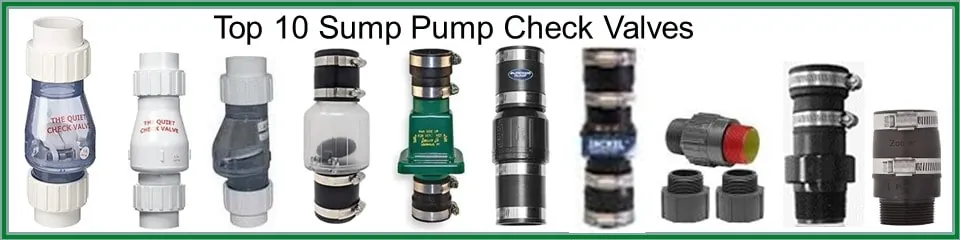
Deciding which item to use depends on the noise level you prefer and the frequency of your pump cycles. If your sump pit is located in a living area or a bedroom, the silent union or spring-loaded valve is the better choice because they eliminate the loud banging sound that occurs when the water returns to the pit.
If your pit is in an unfinished utility room where noise isn’t an issue, a basic rubber flapper is usually sufficient and costs less to purchase.
You should also consider how much maintenance you’re willing to perform. If you live in an area with high sediment or debris in the water, choose a clear swing valve; it allows you to see if the valve is clogged before it fails. If you have a small, cramped basin, the silent union valve is the only logical choice, as it allows you to remove the valve for cleaning without having to cut and re-glue your PVC pipes.
Most of these valves can be installed individually, but you should never install two check valves in a row on the same pipe. Using multiple valves creates excessive pressure and can cause the pump to overheat or fail prematurely. Pick the one that fits your specific needs and install it according to the manufacturer’s flow-direction arrow, which is usually stamped clearly on the side of the valve body.
Related guides
- Best Air Mattress Pumps for Camping in 2026
- How to Check Ink Level in Brother Printer Using the Panel
- Is Jandy a Good Pool Pump? The Verdict by Pool Type in 2026
Frequently asked questions
Can I install a sump pump check valve myself?
Most homeowners can install these valves using basic hand tools like a hacksaw, sandpaper, and PVC cement. Following the manufacturer’s instructions ensures the connections are watertight. If you’re uncomfortable cutting and gluing plumbing pipes, hire a professional to prevent leaks.
How often should I replace a check valve?
You should inspect your valve annually, ideally before the rainy season begins. If you hear the pump banging or clicking repeatedly, the internal flapper or spring is likely worn out. If the valve looks brittle or fails to snap shut, replace the unit immediately.
What happens if the check valve fails?
A failed valve allows water to flow back into the sump pit, causing the pump to short-cycle. This constant stopping and starting eventually overheats the motor and leads to premature pump failure. Ensure your valve is functioning to prevent your basement from flooding.
Is it safe to use a used check valve?
No, it isn’t safe to reuse a check valve that has already been installed in a system. Over time, the rubber seals inside the valve lose their elasticity and the hinge points wear down, which makes them unreliable. Because the cost of a new valve is small compared to the cost of replacing a flooded basement or a burned-out pump motor, always purchase a new, factory-sealed unit for your installation.
Does the orientation of the valve matter?
Yes, the orientation is critical for the valve to function correctly. Every valve has an arrow stamped on the body that must point upward, in the direction of the water flow toward the outside of your home. If you install the valve upside down, it will block the water from leaving the pit, which can cause the pump to overheat or fail.
How long does a silent check valve stay quiet?
A silent check valve remains quiet until its internal spring loses tension, typically after a few years of use. If the valve begins making noise, it indicates the spring or seal is failing. Be prepared to replace the unit if the noise persists.
What is the best material for a check valve?
PVC is the most reliable material for residential sump pump check valves because it’s lightweight, inexpensive, and corrosion-resistant. While metal valves exist, they’re often unnecessary for standard systems. Use high-quality, schedule 40 PVC valves for the best balance of performance and ease of installation.
Conclusion
Start by turning off the power to your sump pump at the circuit breaker to ensure you can work safely. Once the power is off, loosen the clamps or unscrew the unions on your existing valve to remove it from the pipe. Clean the pipe ends thoroughly and install your new valve, making sure the flow-direction arrow points toward the ceiling.