
The most reliable materials for keeping sewer gases out of your home are plastic, brass, and stainless steel, and you’ll find that the best p trap kits depend on your current pipe diameter and local plumbing codes. Choosing between these materials requires balancing your budget against the durability you need for a specific bathroom or kitchen sink setup. While plastic is the easiest to install for a DIY project, brass offers a cleaner look for exposed plumbing under a pedestal sink.
Top P trap kits overview

| Kit Material | Best For | Typical Example |
|---|---|---|
| Polypropylene | Basic sink repairs | 1.5-inch tubular trap |
| Chrome-plated Brass | Visible sink plumbing | Decorative J-bend kit |
| Stainless Steel | High-end modern looks | Heavy-duty steel trap |
| PVC | Permanent wall connections | Schedule 40 trap |
Polypropylene is the workhorse for standard kitchen and bathroom vanities. It’s inexpensive, easy to cut with a simple hacksaw, and resists the chemical cleaners poured down drains. Use this for any hidden connection where aesthetics don’t matter. If you’re working in a tight cabinet space, choose a slip-joint version to allow for minor adjustments in pipe alignment.
Chrome-plated brass serves areas where the plumbing remains exposed, such as pedestal sinks. While it looks professional, avoid using harsh drain openers like sulfuric acid on these pipes. These chemicals can eat through the plating and cause premature leaks. If the finish begins to pit, you must replace the entire unit to prevent water damage.
Stainless steel provides the most durability for high-end, industrial-style installations. Unlike chrome, it resists corrosion from the inside out. Use this material if your sink handles heavy-duty use or frequent exposure to industrial-strength soaps. It’s significantly harder to cut, so measure your pipe runs twice before committing to a permanent length.
PVC is the only choice for permanent, code-compliant connections inside wall cavities. Because it requires solvent welding, you can’t disassemble these joints later. Never use slip-joint plastic traps behind a wall or under a floor. If you see a leak in a PVC line, you must cut the pipe and install a new coupling. Always verify that your local building code permits the specific thickness of the pipe before you glue the final fitting.
Polypropylene plastic traps
These kits are the most common choice for under-sink drainage because they’re affordable and easy to cut to length with a standard hacksaw. They suit homeowners who want a quick, leak-free fix without needing specialized soldering tools or heavy pipe cutters.
Resists corrosion from common household drain cleaners that can eat through metal over time.
Includes slip-joint washers that create a watertight seal when tightened by hand or with channel-lock pliers.
Offers flexible alignment, which helps if your wall drain and sink tailpiece don’t line up perfectly.
If your sink drain is 1.25 inches, you must use a rubber reducer washer to connect it to a 1.5-inch trap kit. Without this adapter, the slip nut won’t compress the washer against the pipe, leading to a persistent drip.
Many installers make the mistake of overtightening these plastic nuts with heavy tools. This cracks the delicate threads or deforms the washer, creating the very leak you intended to stop. Tighten the slip nuts by hand until they stop, then use pliers for only a final quarter-turn.
If you’re working with older, thin-walled PVC pipes, check for hairline fractures before installing the new trap. Polypropylene is rigid and won’t forgive a misaligned pipe. If the trap requires forced pressure to connect to the wall drain, it will eventually snap under the stress of thermal expansion.
In cases where the sink tailpiece is metal, use a plastic-to-metal slip-joint washer. These have a beveled edge that seats better against the harder surface. Avoid using plumber’s putty on these connections. The oils in the putty can degrade the plastic over several years, causing the joint to become brittle and fail.
If you notice a slow leak after installation, don’t simply tighten the nut further. Back the nut off completely, inspect the washer for debris, and ensure the pipe end is cut perfectly square. A jagged edge from a dull saw blade creates a channel for water to bypass the seal every time.
Chrome-plated brass traps
Brass traps are designed for situations where the plumbing remains visible, such as under a pedestal sink or a floating vanity. They provide a polished, professional appearance that plastic can’t match, making them the preferred choice for bathroom renovations where aesthetics are a priority.
- Provides a rigid, high-quality structure that doesn’t sag or deform under hot water temperatures.
- Features a threaded design that connects securely to standard metallic tailpieces found in luxury faucets.
- Maintains a consistent finish that resists tarnishing when wiped down with a soft, damp cloth.
These kits often require a specific flange to seal against the wall pipe. You might use a 1.25-inch chrome brass trap under a bathroom sink, ensuring the wall escutcheon is flush against the tile for a clean finish.
Stainless steel traps
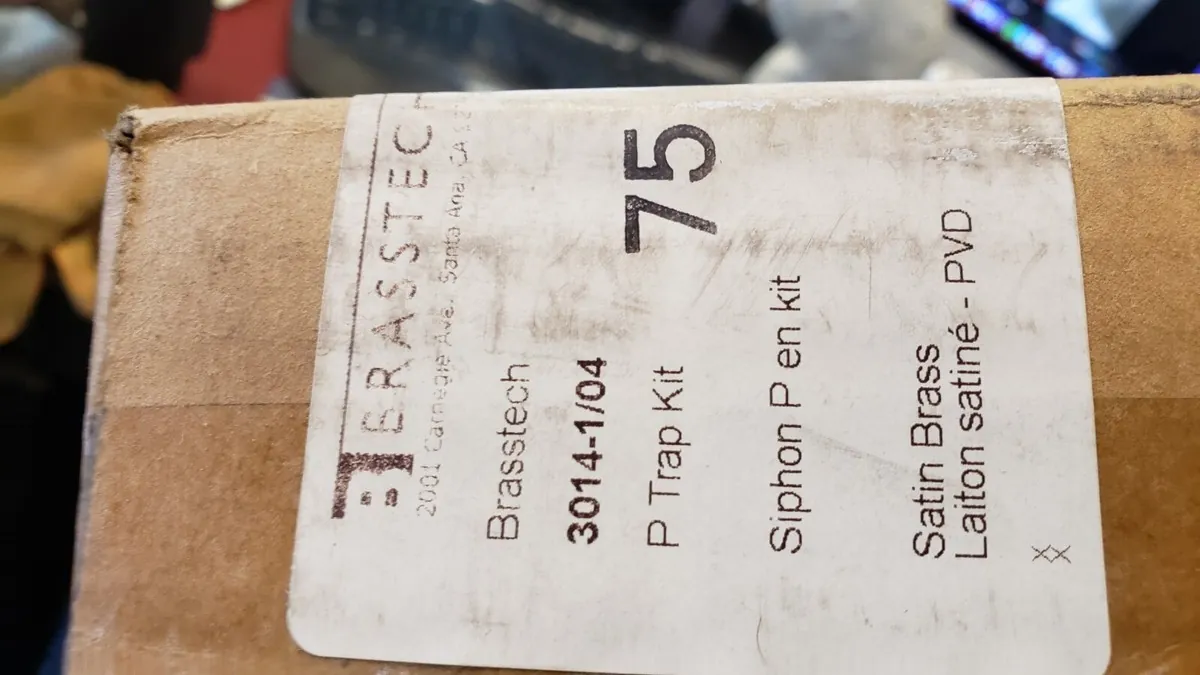
Stainless steel is the strongest material available for sink drainage, offering extreme resistance to both impact and chemical degradation. It suits commercial settings or high-traffic home kitchens where heavy items are often stored under the sink and might accidentally strike the plumbing.
Withstands higher pressure and thermal stress compared to plastic or thin-walled brass alternatives. It prevents rust and pitting, even in humid environments like small bathrooms or basements. It retains its structural shape indefinitely, meaning it won’t droop or leak due to material fatigue over the years.
If your plumbing configuration requires precision, stainless steel demands a different approach. Unlike PVC, which can be cut with a standard hacksaw in seconds, stainless steel requires a dedicated pipe cutter or an angle grinder with a metal-cutting disc. If you attempt to use a standard wood or plastic saw, you’ll only dull the blade and create a jagged, uneven edge that prevents a proper seal.
The most common mistake is failing to account for the lack of “give” in the material. Plastic traps offer a degree of flexibility that allows for minor misalignments between the wall drain and the sink tailpiece. Stainless steel is entirely rigid.
If your measurements are off by even a quarter-inch, the fittings will bind and eventually fail at the gasket. Before you commit to stainless, measure the distance between your drain outlet and the wall pipe twice. If the gap isn’t perfectly aligned, you must use a flexible transition coupling rather than a rigid stainless extension.
You can distinguish between low-grade and high-grade stainless by checking for magnetic properties.
For residential projects, use stainless steel only if the trap is exposed to view or subject to high-impact storage. If the trap is tucked inside a vanity cabinet and the plumbing is standard, the rigidity of steel often creates more installation headaches than it solves. Stick to plastic for hidden, standard-flow drains, and reserve stainless for high-traffic or commercial environments where the pipe is physically vulnerable to heavy objects.
PVC solvent-weld traps
PVC traps are permanent fixtures that use chemical glue to fuse the pipe segments together, preventing them from ever coming loose. They’re the best choice for new construction or major remodels where you want a “set it and forget it” system that will never vibrate or leak.
- Creates a single, continuous piece of pipe that’s structurally superior to threaded slip-joint connections.
- Eliminates the risk of washers drying out or loosening over time due to sink movement.
- Provides the smoothest interior surface, which reduces the chance of debris catching and causing a clog.
However, once you glue PVC, you can’t easily disassemble it for cleaning without cutting the pipe. If you expect to clear clogs frequently, you should install a cleanout plug at the base of the trap. A common setup involves using 1.5-inch Schedule 40 PVC to connect a kitchen sink to the main drain stack using a primer and cement bond.
Other trap configurations
Flexible accordion traps consist of a corrugated plastic tube that can stretch or bend into any shape. They’re useful for temporary fixes or tight spaces where rigid pipe can’t fit, but they’re prone to trapping debris in the folds and should be replaced with rigid pipe when possible.
If you notice a persistent, faint odor despite a functional water seal, the accordion folds are likely harboring organic buildup that standard plungers can’t dislodge. Replace these immediately with smooth-walled PVC, as the ridges create turbulence that slows drainage and accelerates clogs.
Bottle traps use a vertical cylinder instead of a U-bend to hold the water seal. They’re very compact and popular in modern, minimalist bathrooms, though they hold less water and are sometimes more difficult to clear if a solid object falls into the drain.
Because they lack the self-scouring velocity of a traditional P-trap, they’re susceptible to siphonage if the sink is used heavily. If you have a high-flow faucet, avoid the bottle style to prevent the seal from being pulled dry.
When choosing between these, consider the maintenance access. A bottle trap requires you to unscrew the base, which often results in a spill of stagnant water directly onto your vanity floor. Keep a shallow pan or a thick towel underneath the unit before you break the seal.
If your drain line enters the wall at an awkward angle, prioritize a rigid, adjustable slip-joint trap over the accordion style. Rigid joints provide the necessary offset without creating the internal ridges that turn a simple drain into a recurring plumbing headache.
Choosing the right kit
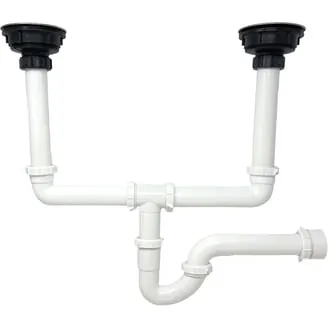
Deciding which trap to buy depends on three factors: the visibility of the pipe, the size of your existing drain, and your comfort level with tools.
If the plumbing is hidden inside a cabinet, choose a standard 1.5-inch polypropylene kit. These slip-joint kits are cheap and forgiving, as the rubber gaskets allow for minor misalignments during installation. You can tighten them by hand, making them the best choice for beginners who want to avoid the risk of cracking porcelain with a wrench.
If the pipe is visible under a pedestal sink, reach for a chrome-plated brass kit. These provide a clean, metallic aesthetic that matches your faucet finish. When installing brass, always use a plastic washer between the nut and the pipe to prevent the metal from scoring the finish, which leads to premature corrosion.
If you’re building a permanent drain system, use PVC solvent-weld parts for a lifetime connection. Unlike slip-joint fittings, which rely on compression and can vibrate loose over years of thermal expansion, solvent-welded joints chemically fuse into a single piece of plastic. This is the only reliable choice for drains hidden behind walls or beneath flooring where leaks are catastrophic.
Most DIYers make the mistake of buying a universal kit that includes both plastic and metal components. While these are convenient, the different expansion rates of the materials eventually degrade the seal. If you must mix them, use a shielded rubber transition coupling rather than a standard slip nut.
Check your drain size before leaving the store. While 1.5 inches is the industry standard for kitchen and bathroom sinks, older homes often feature 1.25-inch pipes. If your existing pipe is smaller, you’ll need a reducing washer. Forcing a 1.5-inch trap onto a smaller pipe will result in a persistent drip that no amount of tightening can fix. If the pipe is visible, choose the metal; if it’s hidden, choose the plastic.
Related guides
- Best Tents for Queen Size Air Mattresses in 2026
- Best Foosball Tables by Size: Top 5 Picks in 2026
- 5 Best Full Size Professional Foosball Tables in 2026
Frequently asked questions
Can I use a 1.25-inch trap on a 1.5-inch drain?
You can’t connect these sizes directly without a reducer bushing or slip-joint washer. Using a 1.25-inch trap on a 1.5-inch pipe creates a bottleneck that significantly increases the risk of clogs. Always measure your tailpiece and wall pipe diameters before purchasing a kit to ensure a proper fit.
How long does a sink trap last?
Lifespan depends on water temperature and chemicals poured down the drain. If you notice sewage smells or water beads on joints, the trap is likely failing and needs immediate replacement.
Is it safe to install a P-trap myself?
Most homeowners can safely install a slip-joint P-trap using basic hand tools and a bucket. You don’t need a plumbing license, but you must ensure the trap is oriented correctly to maintain the water seal. If the wall pipe is corroded, call a professional to avoid major leaks.
What happens if I don’t use a P-trap?
Without a P-trap, sewer gases flow directly into your home, creating a dangerous and foul-smelling environment. The trap holds a small amount of water that acts as a barrier against these gases. If you rarely use a sink, run the faucet weekly to refill the trap and restore the seal.
Does the material of the trap affect drainage speed?
Material doesn’t affect speed, but interior surface smoothness and trap diameter do matter. PVC traps have smooth interiors for free flow, while corrugated traps catch hair and debris. For the best performance, always use rigid pipe with smooth walls to prevent blockages from forming.
How often should I clean my P-trap?
Avoid harsh chemical drain openers, as these can damage washers and corrode joints. Instead, unscrew the slip nuts by hand, remove the U-bend, and manually clear debris with a small brush.
Conclusion
Start by measuring the diameter of your sink tailpiece and the wall pipe to ensure you buy the correct size, usually 1.25 or 1.5 inches. Once you have the right kit, hand-tighten the slip nuts to secure the trap, then run a full basin of water through the system to check for any drips.