
Selecting the right tools for plumbing and electrical work can save hours of labor and prevent material waste, which is why professionals often research the best milwaukee pipe cutters for their specific job requirements. These tools typically range in price from $25 to $350 depending on whether you’re looking for a manual plastic pipe cutter or a high-torque, cordless motorized unit. Selecting the correct model ensures clean edges, faster cuts, and less fatigue during long renovation projects.
Key Takeaways
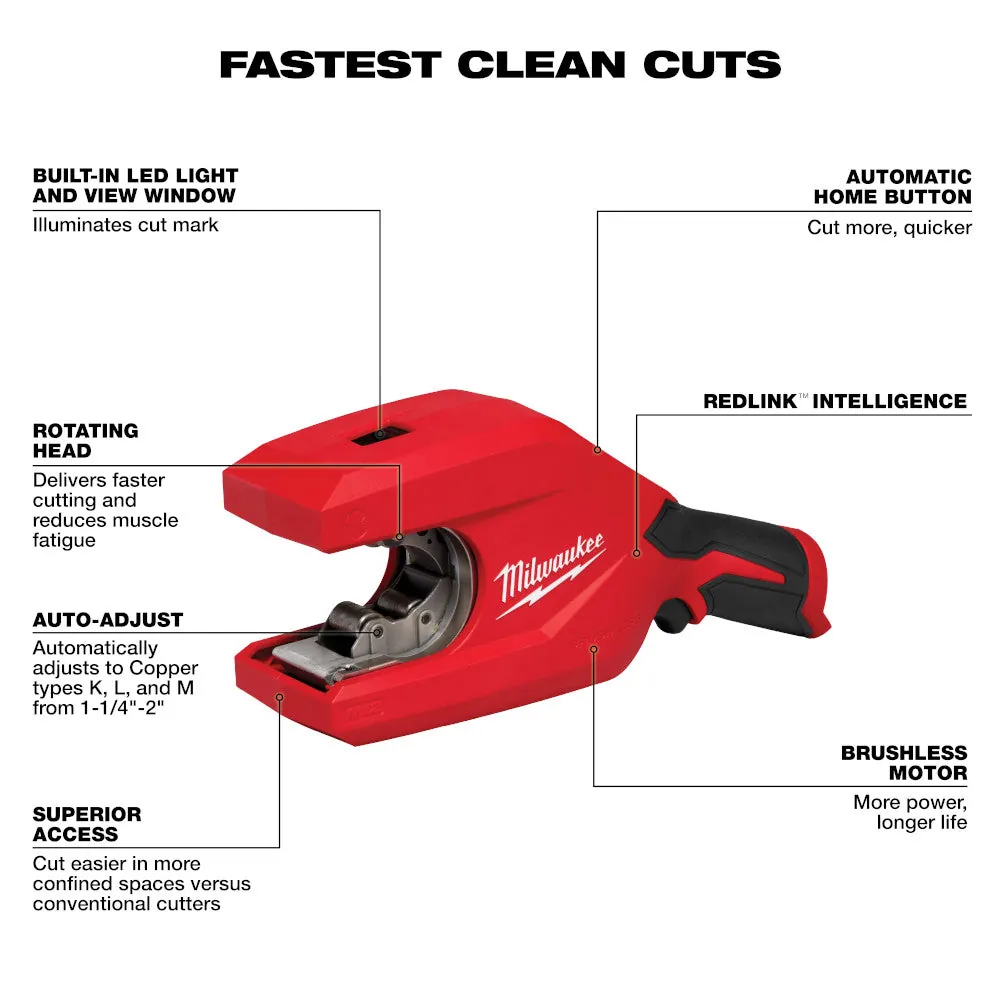
- Match your cutter type to the material: use ratcheting shears for PEX and PVC, and metal-specific cutters for copper.
- Check the maximum capacity of the tool to ensure it accommodates the diameter of the piping you’re installing.
- Always keep replacement blades on hand, as dull edges cause crushing rather than clean slicing.
- Prioritize cordless tools if you’re performing high-volume installations to reduce repetitive strain on your hands.
- Regularly clean the pivot points and blade housings to prevent debris from jamming the mechanism.
Choosing the Right Pipe Cutter
Selecting a tool begins with identifying the material you’re cutting. Milwaukee provides solutions for copper, PVC, PEX, and multi-layer composite piping. For small residential repairs, a manual ratcheting cutter is often sufficient, whereas commercial contractors benefit from the speed of lithium-ion powered cutters. Always verify the pipe diameter on the packaging to ensure the tool’s jaw or blade opening is wide enough for your specific application.
Why Material Matters
Different materials require different blade geometries. PEX and PVC are soft enough to be crushed by a sharp, wedge-shaped blade, which is why ratcheting shears are ideal for these materials. Copper, however, is a rigid metal that requires a circular blade that rotates around the pipe to prevent deformation. Using a plastic cutter on copper will immediately destroy the blade and potentially damage the pipe itself.
Manual vs. Powered Tools
The choice between manual and powered tools is usually dictated by the scale of the job. Manual tools offer a lower entry price point and require no batteries, making them perfect for your standard toolkit. Powered tools, specifically those in the M12 or M18 series, are designed for efficiency. According to the official Milwaukee Tool product specifications, these motorized units are engineered to deliver over 200 cuts on a single charge when using high-capacity battery packs.
| Tool Type | Best For | Power Source | Weight Range |
|---|---|---|---|
| Ratcheting Shear | PEX/PVC | Manual | 0.5 – 1.2 lbs |
| Copper Cutter | Copper/Brass | Manual | 0.3 – 0.8 lbs |
| M12 Motorized | PVC/PEX | 12V Battery | 4.0 – 6.5 lbs |
| M18 Motorized | Large PVC | 18V Battery | 7.0 – 9.5 lbs |
How to Maintain Your Cutters
Proper maintenance extends the life of your equipment and ensures every cut remains square and clean. For manual cutters, a light coating of machine oil on the pivot pin prevents rust and keeps the ratcheting action smooth. For powered units, keep the battery contacts clean and inspect the blade for nicks. If you notice the pipe starting to deform during the cut, it’s a sign that your blade has become dull and needs an immediate replacement.
Pro Tip: Never force a cutter through a pipe that’s larger than the tool’s rated capacity, as this can snap the internal spring or bend the jaw frame beyond repair.
Understanding Tool Capacity Ratings
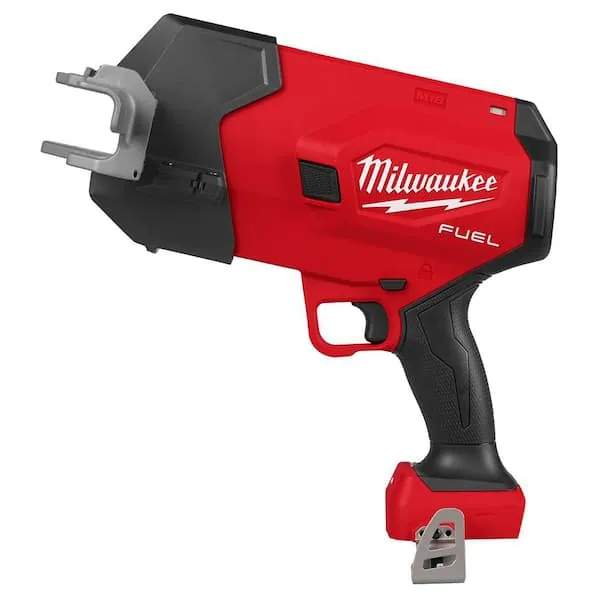
Every cutting tool has a maximum capacity rating, usually listed in inches. While it might be tempting to squeeze a slightly larger pipe into a smaller cutter, this practice often results in a jagged edge that must be filed down manually. Always choose a tool that exceeds your largest expected pipe diameter by at least 1/4 inch to allow for easier positioning and safer operation in tight spaces.
Identifying Pipe Materials
- PEX (Cross-linked Polyethylene): Flexible, often color-coded, requires shears.
- PVC (Polyvinyl Chloride): Rigid, white or gray, requires ratcheting or motorized shears.
- Copper: Rigid, metallic color, requires specialized circular rolling cutters.
- CPVC: Brittle, cream-colored, requires high-quality shears to prevent cracking.
Safety Protocols for Cutting Pipes
Safety is paramount when using high-torque motorized tools. Always wear ANSI-rated safety glasses to protect against flying debris or snapping pipe fragments. Ensure your workspace is well-lit and that you have a stable surface for holding the pipe. When using manual ratcheting tools, keep your fingers clear of the cutting path, as the leverage generated by the ratchet can exert significant pressure that could cause injury.
Do You Need a Motorized Cutter?
If you’re installing a residential sprinkler system or repiping a bathroom, you’ll likely cut dozens of pieces of pipe in a single day. In these scenarios, a motorized cutter isn’t a luxury; it’s a way to prevent repetitive strain injuries and significantly increase your daily throughput. If you only perform one or two cuts a month, a high-quality manual shear will serve you perfectly well without the added weight and cost of battery-powered systems.
Essential Accessories for Pipe Work
Beyond the cutter, several accessories make the job easier. A deburring tool is essential for smoothing the edges of copper or PVC after a cut, ensuring a proper seal when you apply cement or solder. Pipe reamers are also vital for clearing the inside of the pipe to maintain optimal flow. Keeping these items in a dedicated plumbing pouch ensures you’re never searching for a file or a reamer when the pipe is already cut and ready to install.
| Accessory | Purpose | Compatibility |
|---|---|---|
| Deburring Tool | Smooths rough edges | PVC/Copper |
| Pipe Reamer | Clears internal burrs | PVC/Metal |
| Spare Blades | Restores sharpness | Specific Models |
| Battery Charger | Maintains power | M12/M18 Series |
Troubleshooting Common Cutting Issues
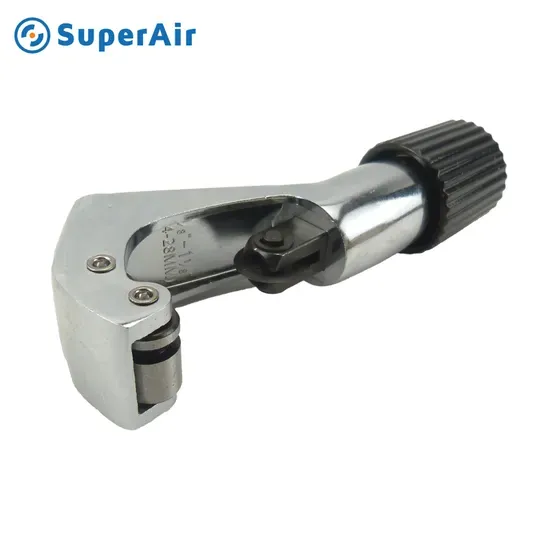
If your cuts are coming out at an angle, check the alignment of the tool. With ratcheting shears, it’s common for the blade to wander if the pipe isn’t held at a perfect 90-degree angle. If you’re using a copper cutter, ensure the wheel is properly seated in the groove before you begin tightening the knob. If the tool is slipping, the blade may be worn or the tension spring may have lost its elasticity.
Warning: Always disconnect the battery from powered cutters before attempting to change the blade or clearing a jammed pipe to prevent accidental activation.
Related guides
- Best Time to Test Pool Water: 5 Essential Testing Tools in 2026
- 10 Best RV Drain Cleaner Picks for Clear Pipes and Tanks in 2026
- 10 Best Drain Cleaner for Gunk Picks to Clear Your Pipes in 2026
Frequently Asked Questions
Can I use a PVC cutter on PEX piping?
Yes, most ratcheting PVC cutters are perfectly suitable for PEX tubing. Because PEX is softer than PVC, these tools will slice through it effortlessly. Ensure the blade is sharp to avoid flattening the pipe, which could restrict water flow or interfere with the fitting connection. Always check the manufacturer’s documentation to confirm your specific model is rated for the wall thickness of the PEX you’re using.
How do I know when to replace the blade?
You should replace your blade when you notice the tool requires excessive force to complete a cut or when the pipe ends appear crushed or frayed rather than clean. A dull blade puts unnecessary strain on the tool’s internal mechanism and your hands. If the cut quality has noticeably degraded after consistent use, it’s time to install a fresh blade to maintain professional results.
Are Milwaukee pipe cutters waterproof?
While these tools are designed for the plumbing environment and can handle moisture, they aren’t submersible or waterproof. Exposure to standing water can lead to corrosion in the internal gears and electrical components of motorized units. After working in wet conditions, wipe the tool down with a dry cloth and allow it to air dry in a ventilated area to prevent long-term damage.
Do I need a different tool for CPVC?
CPVC is significantly more brittle than standard PVC, meaning it’s prone to cracking or shattering if the cutting force is applied too quickly. While you can use standard ratcheting shears, you must operate them slowly and carefully. Some professionals prefer a specialized cutting wheel or a high-tooth-count saw to ensure the material doesn’t splinter during the process, which could compromise the integrity of the joints.
How long does a battery last for motorized cutters?
The battery life depends on the pipe material and the diameter you’re cutting. For a typical 12-volt battery system, you can expect between 150 and 250 cuts on standard 1-inch PVC. Heavier materials or larger diameters will consume power more rapidly. Always keep a spare, fully charged battery on hand if you’re working on a site without immediate access to power outlets.
Conclusion
Choosing the right equipment is the first step toward professional-grade plumbing results, whether you’re tackling a small home repair or a large-scale renovation. By selecting the appropriate tool for your specific pipe material and diameter, you ensure clean cuts and long-lasting, leak-free connections. Evaluate your current project needs against the capacity ratings of the tools discussed above, and visit your local hardware supplier to test the ergonomics of the grip before finalizing your purchase.