
Finding the right tools for a home repair project can be daunting, especially when you’re looking for the best soldering kits plumbing professionals would recommend for a reliable, leak-free seal. Whether you’re a homeowner tackling a small leak under the sink or a DIY enthusiast renovating a bathroom, having the correct equipment is half the battle. A high-quality setup typically costs between $45 and $180, depending on whether you need a complete kit with a carrying case and accessories or just the core torch and basic supplies. This guide will walk you through the essential components, safety protocols, and selection criteria to ensure your copper pipe joints are structurally sound and watertight.
Key Takeaways
- Select a propane or MAPP gas torch head based on the diameter of your copper tubing and the heat intensity required.
- Always use lead-free solder and flux that meets current plumbing safety standards for potable water systems.
- Proper surface preparation, including cleaning the pipe ends and fittings, is more critical to success than the torch itself.
- Prioritize safety by wearing flame-resistant gloves and eye protection, and keep a fire extinguisher within arm’s reach at all times.
- Invest in a kit that includes a wire fitting brush and a deburring tool to ensure a tight, professional-grade fit before applying heat.
Essential Components for Plumbing Solder Kits
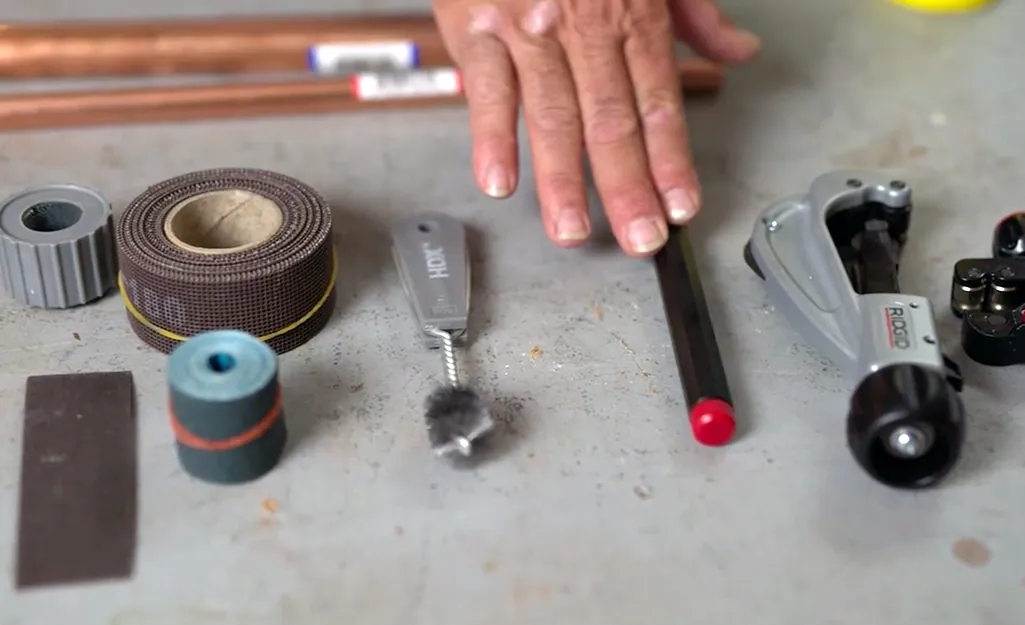
A functional plumbing soldering kit isn’t just about the torch; it’s a collection of tools that work in unison to clean, heat, and bond copper. Most professional-grade kits sold in hardware stores or specialized plumbing outlets include a specific set of items designed to streamline the sweating process.
- Torch Head: Look for a swirl-combustion tip that provides an even flame pattern, which is crucial for heating the fitting evenly.
- Flux Brush: Small, stiff-bristled brushes are necessary for applying flux to the interior of the fitting and the exterior of the pipe.
- Fitting Brushes: These are cylindrical wire brushes designed to scrub the inside of copper fittings to remove oxidation.
- Deburring Tool: A small, cone-shaped tool used to remove sharp edges from the inside and outside of cut copper pipes.
- Solder: Always use lead-free silver-bearing solder for plumbing applications to comply with safety regulations regarding water quality.
| Component | Purpose | Material/Type |
|---|---|---|
| Torch Head | Provides heat | Propane or MAPP Gas |
| Flux | Cleans and prevents oxidation | Water-soluble paste |
| Fitting Brush | Cleans interior surface | Steel wire bristles |
| Deburring Tool | Smoothes pipe ends | Hardened steel |
| Solder Wire | Creates the seal | Lead-free silver alloy |
Understanding Safety and Regulations
Plumbing work involves high temperatures and flammable gases, making safety your absolute priority. You must follow the Lead and Copper Rule established by the Environmental Protection Agency to ensure your plumbing system doesn’t introduce harmful contaminants into your drinking water. Using the wrong solder, such as lead-based alloys, isn’t only illegal in most residential plumbing applications but also poses a significant long-term health risk.
Protective gear is non-negotiable. You should wear long-sleeved cotton shirts, heavy-duty work gloves, and safety glasses. Synthetic materials like polyester can melt onto your skin if a stray spark hits them, which is why natural fibers are preferred. Additionally, ensure the workspace is well-ventilated, as burning flux releases fumes that shouldn’t be inhaled.
How to Select Your Kit
Choosing the right kit depends on the scope of your work. If you’re only doing a single repair, a basic propane torch kit will suffice. If you have a larger project, such as installing a new vanity or re-piping a section of the basement, consider a kit that includes a self-igniting torch.
- Self-Igniting Torches: These feature a built-in piezo igniter, allowing you to light the flame with a single trigger pull, which is much safer and easier than using a separate striker.
- Gas Compatibility: Some torches are designed for propane only, while others can handle MAPP gas, which burns hotter and is better for larger diameter pipes or damp conditions.
- Portability: If you’re working in tight crawl spaces, a kit with a flexible hose connection between the torch head and the fuel cylinder provides much better maneuverability than a rigid, top-mounted torch.
Proper Surface Preparation Steps
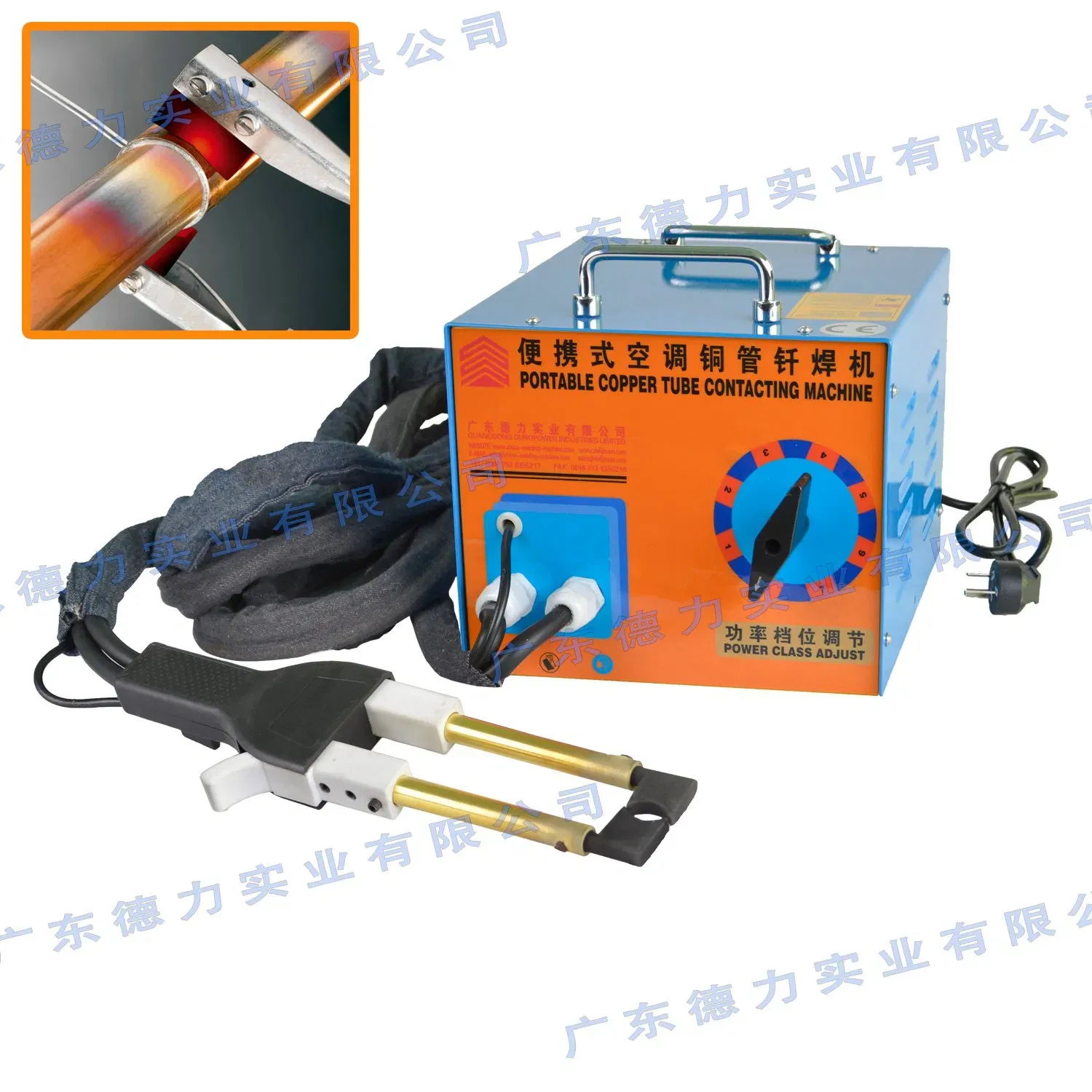
The secret to a perfect solder joint lies in the preparation. Even the most expensive soldering kit will fail if the copper is dirty or oxidized.
- Measure and Cut: Use a tube cutter to ensure a square, clean cut. Never use a hacksaw if you can avoid it, as it leaves jagged edges that are difficult to seal.
- Deburr the Pipe: Use the deburring tool to remove all internal and external burrs. This ensures smooth water flow and prevents turbulence.
- Clean the Surfaces: Use the fitting brush for the inside of the fitting and an abrasive cloth or wire brush for the outside of the pipe until the copper is bright and shiny.
- Apply Flux: Apply a thin, even layer of flux to both the pipe end and the inside of the fitting. Don’t over-apply; a small amount is sufficient.
Which Torch Type Is Best?
When deciding between torch types, consider the heat output. Propane is the standard for most household plumbing tasks involving copper pipe up to one inch in diameter. MAPP gas, while more expensive, offers a higher heat output, which is beneficial when working with larger pipes or when the ambient temperature is very cold, which can drain heat from the copper quickly.
Pro Tip: If you’re struggling to get the solder to flow, check your heat source. Many beginners make the mistake of heating the solder directly with the flame. Instead, heat the pipe and fitting, and let the heat of the copper melt the solder wire.
Maintaining Your Soldering Equipment
To keep your kit in good working order, perform basic maintenance after every project. Keep the torch head clean of soot and debris, as a clogged nozzle will result in an uneven or sputtering flame. Store your flux in a cool, dry place and keep the cap tightly closed to prevent it from drying out or becoming contaminated with dust.
| Maintenance Task | Frequency | Action |
|---|---|---|
| Nozzle Cleaning | Every 5 uses | Wipe with a dry cloth |
| Fitting Brush Check | After every job | Inspect for bent bristles |
| Gas Cylinder Seal | Every use | Check for O-ring damage |
| Flux Storage | Always | Keep lid sealed tight |
Troubleshooting Common Soldering Issues
Even experienced professionals encounter issues. The most common problem is a leak, which is usually caused by insufficient heat or improper cleaning. If a joint leaks, don’t try to “patch” it by adding more solder on top. You must allow the pipe to cool completely, disassemble the joint, clean the surfaces again, and start the process from the beginning.
- Solder Not Flowing: The copper is likely not hot enough, or there’s a residue of oil or grease preventing the solder from bonding.
- Solder Puddling: You may have applied too much heat, causing the flux to burn off prematurely.
- Blackened Copper: This indicates that you’re using too much heat for too long, which can ruin the integrity of the pipe.
Related guides
Frequently Asked Questions
Is it better to use propane or MAPP gas for plumbing?
Propane is perfectly adequate for most standard household plumbing, such as 1/2-inch or 3/4-inch copper pipe. MAPP gas burns significantly hotter and is better suited for larger diameter pipes or working in cold environments where the metal draws away heat quickly. For the average DIY project, a standard propane torch provides sufficient heat while being more cost-effective and easier to find at local hardware stores.
Why does my solder joint keep leaking?
Leaking joints are almost always caused by inadequate cleaning or improper heating. If the copper surfaces aren’t polished to a bright shine, the solder can’t create a metallurgical bond with the metal. Alternatively, if the fitting isn’t heated evenly, the solder won’t be drawn into the gap via capillary action. Always ensure the pipe is deburred and the flux is applied evenly.
Can I solder wet copper pipes?
Soldering wet pipes is extremely difficult because the water inside the pipe acts as a heat sink, preventing the copper from reaching the temperature required to melt the solder. If there’s water in the line, it will turn to steam, potentially blowing out the molten solder. You must drain the system completely or use a bread-crumb method to absorb excess moisture before attempting to solder.
How do I know if the joint is sealed?
A properly soldered joint will show a thin, consistent ring of solder around the entire circumference of the fitting where it meets the pipe. This is known as a “solder fillet.” If you see gaps in this ring, the solder hasn’t fully penetrated the joint. Once the pipe has cooled, wipe away excess flux with a damp cloth to prevent corrosion over time.
Are all plumbing solder kits the same?
No, kits vary by the quality of the torch head, the inclusion of accessories like wire brushes and deburring tools, and the type of carrying case provided. Professional kits often feature self-igniting triggers and heavy-duty brass construction, which are more durable than entry-level plastic-bodied torches. Always check the kit contents to ensure it includes the specific tools needed for your project’s pipe size.
What is the purpose of flux?
Flux is a chemical cleaning agent that removes oxidation from the copper surface when heated. Without flux, the copper would immediately re-oxidize upon heating, preventing the solder from adhering to the metal. Flux also helps the molten solder flow into the narrow gap between the pipe and the fitting through capillary action, ensuring a complete and watertight seal across the entire joint.
Warning: Never attempt to solder a pipe that may still contain flammable liquids or gases. Always verify that the water supply is completely turned off and the lines are fully drained before you begin applying any heat to your plumbing system. Taking these precautions ensures that your repair process remains safe and effective for your home.
Conclusion
When you’re ready to begin, start by organizing your workspace and verifying that you have all the necessary components for your specific pipe diameter. Practice your technique on a few scrap pieces of copper pipe before attempting a repair on an active line. This preparation will give you the confidence to achieve a professional, long-lasting result.