
Choosing the best knife handle finish depends on your maintenance preferences and usage. If you want a simple, all-in-one protector, start with Walrus Oil Handle Finish; if you need a long-lasting, deep-penetrating finish for fine wooden handles, look at Hope’s Pure Tung Oil.
1. Walrus Oil Handle Finish
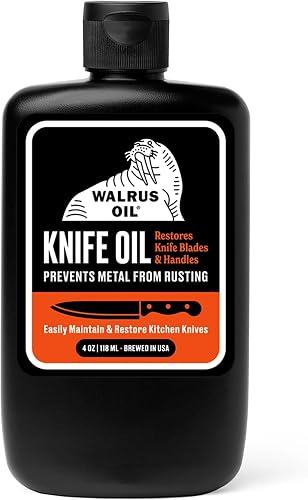
Best for: Someone who wants one product for both wood handles and metal blades.
This finish is made with carnauba wax and coconut oil to address both rust prevention and wood care. It’s a versatile choice for outdoor knives that face harsh conditions and moisture.
Because it uses food-contact safe ingredients, it works well for kitchen tools and pocket knives alike. It isn’t for users who prefer a hard, film-forming varnish, as this oil is meant to soak in and be reapplied as needed.
Good if:
- You have a mix of kitchen and outdoor knives.
- You need a product that also protects steel from rust.
- You prefer 100% natural, food-safe ingredients.
Skip it if:
- You want a permanent, high-gloss plastic-like coating.
- You rarely use your knives and don’t want to reapply finish.
2. Hope’s 100% Pure Tung Oil

Best for: A woodworker looking for a traditional, penetrating, hand-rubbed finish.
Tung oil is well-regarded for its ability to seep deep into wood fibers rather than just sitting on top. It cures into a flexible, non-oily solid that resists moisture and everyday wear.
This product is ideal for fine wood handles where you want to highlight the natural grain. It isn’t the fastest option, as it requires time to cure properly at room temperature.
Good if:
- You want a finish that becomes part of the wood.
- You’re finishing fine, unfinished wood handles.
- You want a finish that lasts longer than basic mineral oil.
Skip it if:
- You need a finish that dries in minutes.
- You’re looking for a surface-level wax to prevent rust on metal.
3. Tried & True Original Wood Finish

Best for: Someone who wants a non-toxic, heirloom-quality finish for wood handles.
This blend of linseed oil and beeswax is polymerized, meaning it cures faster than traditional oils. It provides a soft, warm appearance while adding a layer of protection against water and daily handling.
The finish is designed to be easy to repair, allowing you to touch up scratches without stripping the entire handle. It isn’t the best choice if you’re in a rush, as it requires a specific application process including sanding and buffing.
Good if:
- You want a soft, natural look and feel.
- You prioritize a non-toxic, solvent-free product.
Skip it if:
- You don’t want to sand or buff the handle.
- You need high-gloss protection.
4. Axe Wax – Knife and Axe Protection 4oz
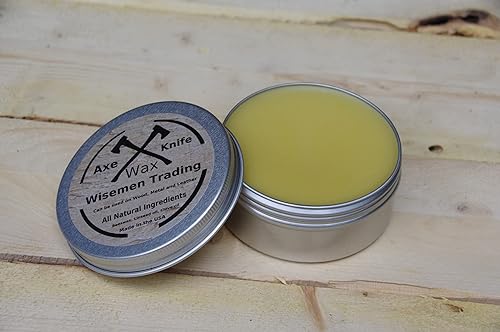
Best for: A user who needs a thick, portable wax for tools kept in a pack.
This wax comes in a small, convenient tin that fits easily into a gear bag. It’s formulated to protect wooden handles and leather sheaths while also helping to keep rust off metal surfaces.
the listing doesn’t mention field use The listing doesn’t specify a drying time or a need for deep penetration, so it’s best used as a surface-level protective barrier.
Good if:
- You need a portable wax for field use.
- You also need to condition leather sheaths or covers.
- You prefer a simple, rub-on application.
Skip it if:
- You have a large collection of knives to finish.
- You want a deep-soaking oil for bare wood.
5. Wicked Wax Protection
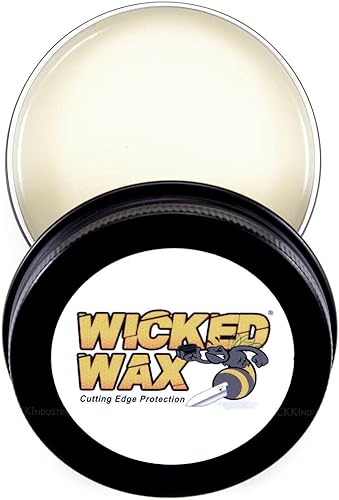
Best for: A collector who wants to maintain both the steel and the handle of their knives.
Wicked Wax is a specialized formulation meant for stainless, carbon, and damascus steels. It acts as both a cleaner and a protector, making it a strong choice for keeping a collection in top shape.
Since it is 100% organic and food safe, you can use it on kitchen knives without worry. It isn’t meant for heavy wood restoration, as its primary strength lies in protecting the metal and surface finish.
Good if:
- You have a collection of high-end steel blades.
- You need a product that cleans and protects in one step.
- You want a food-safe, organic option.
Skip it if:
- You need to restore deeply weathered or damaged wood.
- You’re looking for a wood-specific stain or finish.
6. Minwax 233334444 Polycrylic Protective Wood Finish
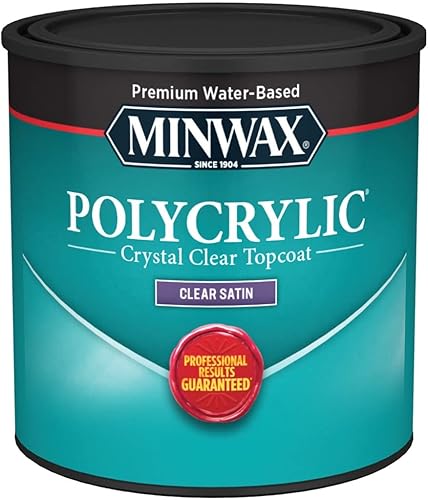
Best for: Someone who wants a hard, clear, and durable protective coating.
Unlike oils, this water-based finish creates a clear top coat that protects against scratches and spills. It’s ideal if you want a modern, satin look that resists yellowing.
The main advantage is the ultra-fast drying time, which allows for quick recoats. It isn’t for those who want the “feel” of natural wood, as this product creates a protective film on the surface.
Good if:
- You want maximum protection against spills and dirt.
- You prefer a non-yellowing, crystal-clear appearance.
- You want a finish that dries very quickly.
Skip it if:
- You want to maintain the natural, oily feel of wood.
- You need a food-safe finish for cutting tools.
7. Howard Products RF4016 RF3016 Restor-A-Finish

Best for: Someone trying to hide scratches or fade on an older knife handle.
This formula penetrates existing finishes to blend out minor blemishes, abrasions, and water marks. It’s excellent for refreshing a handle that has lost its luster without needing to strip it down to bare wood.
It’s available in several colors, which helps match the specific tone of your wood. It isn’t a protective sealer, so it’s best used as a restorative step before applying a final wax or oil.
Good if:
- Your knife handles have minor scratches or sun fade.
- You want to refresh the color without sanding.
- You have a specific wood tone to match.
Skip it if:
- You’re working with brand-new, unfinished wood.
- You need a heavy-duty protective barrier.
8. Furniture Clinic Boiled Linseed Oil

Best for: Someone who wants a traditional, glossy finish for a variety of surfaces.
This boiled linseed oil is treated to dry faster than raw oil, forming a hard-wearing, slightly glossy finish. It penetrates the pores of the wood to revive the natural grain.
It’s a versatile product suitable for wood, stone, and metal. It isn’t for exterior oak surfaces, according to the manufacturer, so check your wood type before applying.
Good if:
- You want a classic, glossy wood appearance.
- You need a product that works on multiple materials.
Skip it if:
- Your knife handle is made of exterior oak.
- You prefer a matte or satin finish.
9. Thirteen Chefs Mineral Oil
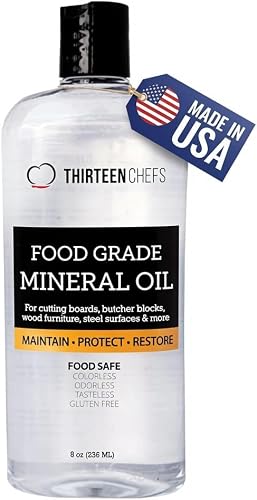
Best for: A kitchen knife owner who wants a simple, food-grade conditioner.
This mineral oil is NSF certified, making it a safe choice for any kitchen tool that touches food. It penetrates deeply to prevent cracking and drying, which is essential for long-term maintenance.
The squeeze bottle and applicator cap make it very easy to use. It isn’t designed to create a hard surface, so it will require regular, periodic reapplication.
Good if:
- You use your knives primarily for food preparation.
- You want an economical, long-lasting conditioner.
- You need a product that’s colorless and odorless.
Skip it if:
- You want a finish that cures into a hard, protective shell.
- You need rust protection for high-carbon steel.
10. Wood Butter Conditioner
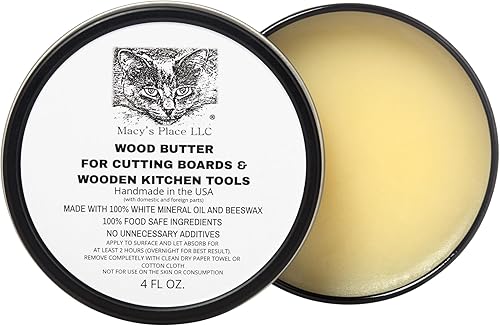
Best for: Someone who wants a simple wax-based conditioner for kitchen tools.
This “wood butter” combines mineral oil and beeswax to protect wood from moisture and cracking. It’s formulated specifically for butcher blocks and wooden utensils, making it a great choice for kitchen knife handles.
The small business background and simple two-ingredient formula appeal to those who prefer natural, domestic products. It isn’t for users who need a heavy-duty varnish or a specialized metal protectant.
Good if:
- You want a simple, two-ingredient wax conditioner.
- You’re conditioning kitchen knives and butcher blocks.
- You prefer supporting a small business.
Skip it if:
- You need a finish that provides high-gloss shine.
- You’re looking for a product that also treats metal.
Where These Overlap
Many of these products serve similar roles. The mineral oil-based conditioners, such as Thirteen Chefs Mineral Oil and Wood Butter Conditioner, are nearly identical in their goal of keeping kitchen wood hydrated. The choice between them often comes down to personal preference for a liquid oil versus a thicker wax paste. Similarly, Walrus Oil Handle Finish and Wicked Wax both aim to protect both wood and metal, making them interchangeable for someone who wants a single bottle for all their knife maintenance. The real differences appear when you move away from general maintenance and toward specialized needs, like restoring old wood or creating a hard, protective varnish.
Still Not Sure?
How often will I really use it?
If you’re looking for a “set it and forget it” solution, you’ll likely be disappointed, as most of these products require regular care. If you want a quick wipe-on treatment for kitchen knives, Thirteen Chefs Mineral Oil is the most straightforward choice for consistent, low-effort maintenance.
What do I already own that this has to work with?
Think about the material of your handles and whether you have metal parts that need rust protection. If your collection includes high-carbon steel and wood, Wicked Wax is designed to handle both materials at once. This avoids the need to buy separate products for your blade and your handle.
What am I most likely to regret choosing?
Regret usually comes from picking a finish that doesn’t match your desired texture. If you want a raw wood feel, avoid Minwax Polycrylic Finish, as it creates a plastic-like film.
As an Amazon Associate, we earn from qualifying purchases. This post contains affiliate links – if you buy through them, we may earn a commission at no extra cost to you.
Most of these finishes are simple to maintain, but they do require periodic reapplication to stay effective. If you’re handling food, the FDA Food Additives provide guidance on mineral oil safety for food-contact surfaces. Always check the label to ensure your chosen finish is compatible with your wood type and intended use.
Frequently Asked Questions
What does it ask of its owner week to week?
Most of these products require very little weekly attention. You simply need to keep your knives clean and dry. If you notice the wood looking dull or feeling dry, that’s your sign to reapply a light coat of oil or wax to maintain the protective barrier.
What has to be replaced, refilled, or renewed?
The finish itself is the primary thing to renew. Oils and waxes aren’t permanent; they wear away through handling and washing. You should expect to reapply your chosen product whenever the wood starts to lose its luster or feel thirsty, which varies based on how often you use the knife.
What happens when it’s outgrown or used up?
When you use up a bottle, you simply buy more. If you find your needs have changed—such as moving from kitchen knives to outdoor axes—you can easily switch to a different product. There’s no permanent damage to the wood, as these finishes are designed to be reapplied or layered.
Would the more capable one on this list have suited me better?
If you chose a basic oil but now find your knives are exposed to rain and humidity, a protective wax blend like Axe Wax Protection might have been a better choice. A more capable product usually offers better rust protection or a longer-lasting barrier, but it may require more effort to apply.
Final Thoughts
Ultimately, the right choice comes down to how much time you’re willing to spend on upkeep. Grab a small scrap of wood and test your preferred oil today to see how it feels in your palm. You’ll find that a little patience makes your favorite tool look better than ever.