
As an Amazon Associate, we earn from qualifying purchases. This post contains affiliate links – if you buy through them, we may earn a commission at no extra cost to you.
Finding the best finish for white oak depends entirely on your specific project and the look you want to achieve. Some people prioritize a natural, raw feel, while others need heavy-duty protection for high-traffic areas like hallways or kitchens. The main factors that split these choices are the desired sheen level, the ease of application, and whether you want a water-based or oil-based formula. If you want a simple, one-layer oil application, look at Rubio Monocoat Oil Plus; if you need a durable, clear top coat for floors, look at Bona NaturalSeal.
1. Rubio Monocoat Wood Oil Finish 175 ft²
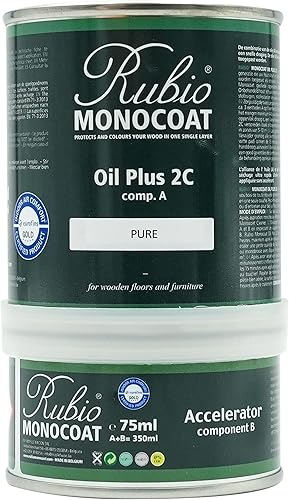
Best for: Someone who wants a high-quality finish in a single application.
This oil is designed for efficiency, as it protects and colors your wood in just one layer. It’s a hard wax oil that works well on floors, furniture, and countertops. Because it’s free of VOCs, it’s a sustainable choice for indoor use.
The formula is versatile enough for oak, teak, or walnut. It’s also certified safe for food contact and children’s toys, which is helpful if you’re finishing a kitchen island or a playroom piece. You should always test a sample first, as the final color depends heavily on the specific wood species.
Good if:
- You want to finish a project quickly with one coat.
- You need a product safe for food-contact surfaces.
- You want to avoid the fumes of traditional stains.
Skip it if:
- You prefer a high-gloss, plastic-like surface.
- You don’t have the time or interest to test colors on scrap wood first.
2. Osmo – Polyx-Oil – 3051 Raw – .75 Liter

Best for: Someone seeking a natural, untreated look for their white oak.
This product is formulated specifically to maintain the light, raw appearance of wood without adding the amber tones often found in traditional oils. It provides a protective layer while keeping the surface looking as close to bare wood as possible.
Because it’s a wax-oil hybrid, it balances protection with a natural texture. It’s a popular choice for those who want to avoid the “wet” look that other finishes can create on white oak.
Good if:
- You want to keep your white oak looking pale and unfinished.
- You prefer a matte, natural feel underfoot.
- You need a finish that’s easy to maintain.
Skip it if:
- You want a high-shine or semi-gloss finish.
3. Bona NaturalSeal Wood Floor Sealer
Best for: Professionals or homeowners sealing wood floors before a top coat.
This sealer is built to work on wood floors, providing a base that prevents subsequent finishes from penetrating too deeply. It’s designed to maintain the natural look of the wood.
It’s a professional-grade product that helps ensure an even finish across large areas. It’s specifically useful for those who want to protect their floors without darkening the wood tone prematurely.
Good if:
- You’re preparing a large floor area for a final top coat.
- You want a professional-grade base layer.
Skip it if:
- You’re looking for an all-in-one stain and finish product.
4. Minwax 622224444 Polycrylic Protective Wood Finish

Best for: Someone who wants a clear, non-yellowing finish on light woods.
This water-based varnish provides a clear protective coat that resists scratches and spills. It’s ideal for furniture and cabinets where you want a soft, modern matte sheen without the ambering effect of oil-based products.
The fast-drying nature of this finish allows for quick recoats, which helps if you’re working on a tight schedule. Because it’s water-based, you can clean your brushes with simple soap and water.
Good if:
- You want a finish that stays clear and doesn’t yellow.
- You’re working on interior furniture or cabinets.
- You need to complete your project quickly.
Skip it if:
- You’re finishing a high-traffic floor that needs heavier protection.
- You prefer the warm, golden glow of an oil-based finish.
5. Minwax Fast Drying Polyurethane Protective Wood Finish
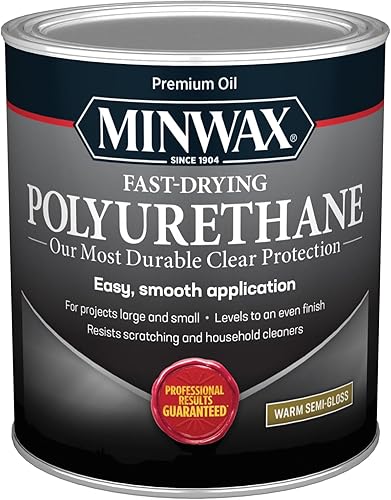
Best for: Someone needing maximum durability for high-traffic floors.
This is an oil-based coating that provides a classic, durable layer of protection. It’s well-suited for floors and woodwork that see heavy daily use, as it’s designed to stand up to scratches and spills.
The semi-gloss sheen offers a sleek, polished look that’s very traditional. Note that because it’s oil-based, it will provide a warmer, slightly amber tone to your wood, which can enhance the grain but change the color of white oak.
Good if:
- You need the highest level of scratch protection.
- You like a traditional, semi-gloss look.
- You’re finishing a high-traffic floor.
Skip it if:
- You want to keep the wood tone perfectly clear or pale.
- You’re sensitive to strong odors during application.
6. Osmo Wood Wax Finish Transparent

Best for: Someone who wants a transparent, breathable color finish.
This finish is microporous, meaning it allows the wood to breathe while still providing protection against liquids like tea, juice, and wine. It’s a transparent wax that maintains the visibility of the wood grain.
It is saliva-resistant and sweatproof, making it a flexible option for various home projects. You don’t need to sand the surface for future spot repairs, which simplifies long-term maintenance.
Good if:
- You want a light, transparent color for your oak.
- You need a finish that resists common household spills.
- You prefer a product that doesn’t crack or peel.
Skip it if:
- You’re looking for a heavy-duty floor sealer.
7. Bona NordicSeal 128 Oz

Best for: Someone who wants a distinct, modern whitewashed aesthetic.
This sealer is specifically formulated to give wood a light, bleached look. It prevents the finish from penetrating the wood, keeping the color bright and clean.
It’s designed for application with a roller or T-bar, making it suitable for large surface areas like flooring. It’s a specialized product for those aiming for a Scandinavian-inspired interior style.
Good if:
- You want to achieve a specific whitewashed look.
- You’re working on large flooring projects.
Skip it if:
- You want to preserve the natural, unaltered color of the oak.
8. Minwax Water Based Oil-Modified Polyurethane

Best for: Someone who wants the durability of polyurethane with easy cleanup.
This oil-modified, water-based polyurethane combines the strength of traditional finishes with the convenience of water cleanup. The satin sheen provides a soft, modern look that’s less reflective than high-gloss options.
It’s a great middle-ground product for those who want a long-lasting finish but dislike the strong smell and slow drying times of traditional oil-based poly.
Good if:
- You want a blend of durability and easy application.
- You prefer a satin sheen that isn’t too shiny.
- You need low-odor products for indoor use.
Skip it if:
- You want a completely clear, non-yellowing finish.
9. Stain and Finishing Oil

Best for: Someone wanting a simple, all-in-one solution.
This product combines staining and finishing into one step, which saves time on smaller projects. It’s made from natural plant products and offers high coverage compared to many water-based stains.
It’s a straightforward option for those who don’t want to buy separate bottles of stain and top coat.
Good if:
- You want to finish a project with as few steps as possible.
- You prefer products made from natural plant ingredients.
Skip it if:
- You need a specific, high-durability floor coating.
10. Minwax 211114444 Polycrylic Protective Wood Finish

Best for: Someone who wants a finish that’s invisible to the eye.
This ultra-flat finish is designed to protect wood without changing its appearance. It provides a “barely-there” look that’s currently very popular for modern interiors.
Like other Polycrylic products, it’s non-yellowing and dries very quickly. It’s an ideal choice for delicate woodwork where you want protection without the look of a varnish.
Good if:
- You want a finish that looks completely natural.
- You need a non-yellowing product for light woods.
Skip it if:
- You want to add depth or shine to your wood grain.
Where These Overlap
Many of these products overlap in their intended use, especially the various Minwax Polycrylic and Polyurethane lines. If you’re choosing between the Polycrylic Matte and the Ultra Flat, the difference is purely the sheen level; the underlying protection is effectively the same. Similarly, the Osmo Wood Wax Finish and the Rubio Monocoat are both high-quality, oil-based options that prioritize the natural feel of the wood. The biggest divide is between the water-based, non-yellowing finishes (like Polycrylic) and the oil-based, protective finishes (like Fast Drying Polyurethane). If you want to keep white oak light, choose a water-based product; if you want durability for a high-traffic floor, choose an oil-based product.
Still Not Sure?
How often will I actually use this surface?
If the surface is a busy hallway floor, you should choose a product with high durability like Minwax Fast Drying Polyurethane. If it’s a decorative cabinet or a shelf that rarely sees heavy contact, you can opt for a finish that focuses more on aesthetics, such as Minwax Polycrylic Ultra Flat.
What look do I want for my white oak?
If you want to maintain the pale, raw look of white oak, you should look at Osmo Polyx-Oil Raw. If you prefer to enhance the grain with a warmer, golden tone, an oil-based finish like Minwax Fast Drying Polyurethane will provide that classic, rich character as the wood ages.
Am I comfortable with the application process?
If you want a simple, one-step process, Rubio Monocoat Oil Plus is a strong choice. If you prefer the comfort of a water-based finish that cleans up easily with soap and water, the Minwax Polycrylic line is more suitable for your skill set and workspace.
Closing
The choice for your white oak ultimately comes down to whether you prioritize a natural, raw aesthetic or long-term floor durability. For a natural, sustainable feel, Rubio Monocoat Oil Plus is a top choice, while Minwax Fast Drying Polyurethane is the standard for high-traffic protection.
Related guides
Frequently Asked Questions
What has to be replaced or renewed to keep it working?
Oil and wax finishes may require a refreshing coat if you notice the wood looking dry or if the protective barrier wears down in high-traffic spots. Always check the manufacturer’s specific care instructions.
What happens when the finish is outgrown or used up?
If you need to change the look or if the finish becomes damaged, you’ll likely need to sand the wood back to its raw state before applying a new product.
Would the more capable one on this list have suited me better?
If you choose a delicate, flat finish for a floor, you may find it wears down in a way you dislike. If you find yourself needing more protection later, you might wish you had selected a more durable, oil-based polyurethane from the start, even if it meant sacrificing that ultra-flat, natural look.
Final Thoughts
Choosing the right finish doesn’t have to be stressful. Start by applying your favorite product to a small, hidden scrap piece of wood to see how the color shifts in your home’s lighting. Once you’re happy with the test sample, you’ll feel much more confident tackling your main project.