
Choosing the right vacuum can make cleaning feel less like a chore and more like a quick, easy task. But with so many options, how do you know which one suits your needs best?
When it comes to backpacks and upright vacuums, each has its own strengths—and knowing which fits your lifestyle can save you time and effort. If you want to find out which vacuum will make your cleaning routine smoother and more efficient, keep reading.
You might be surprised by what’s best for your home.

Credit: www.reddit.com
Design And Portability
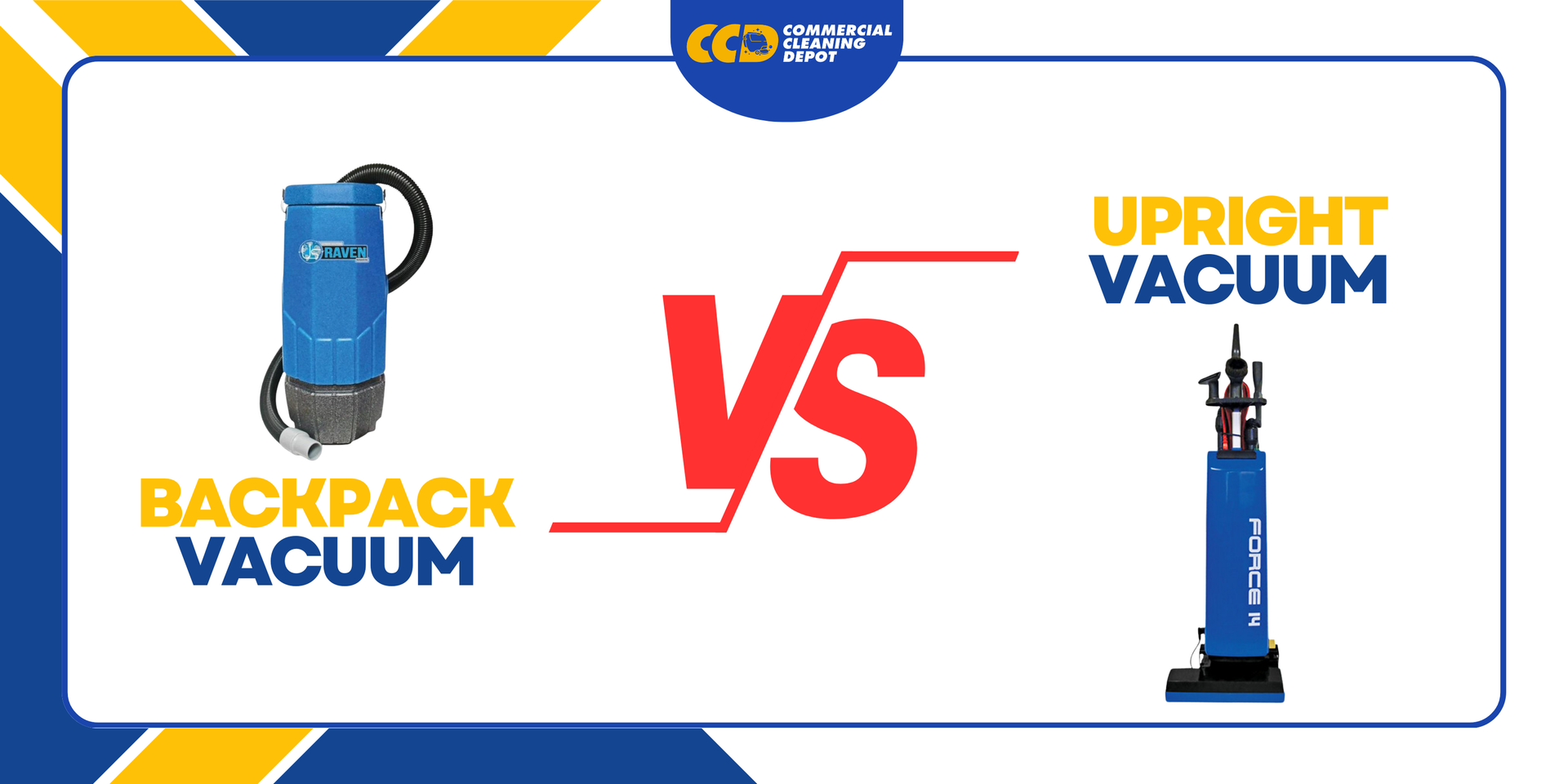
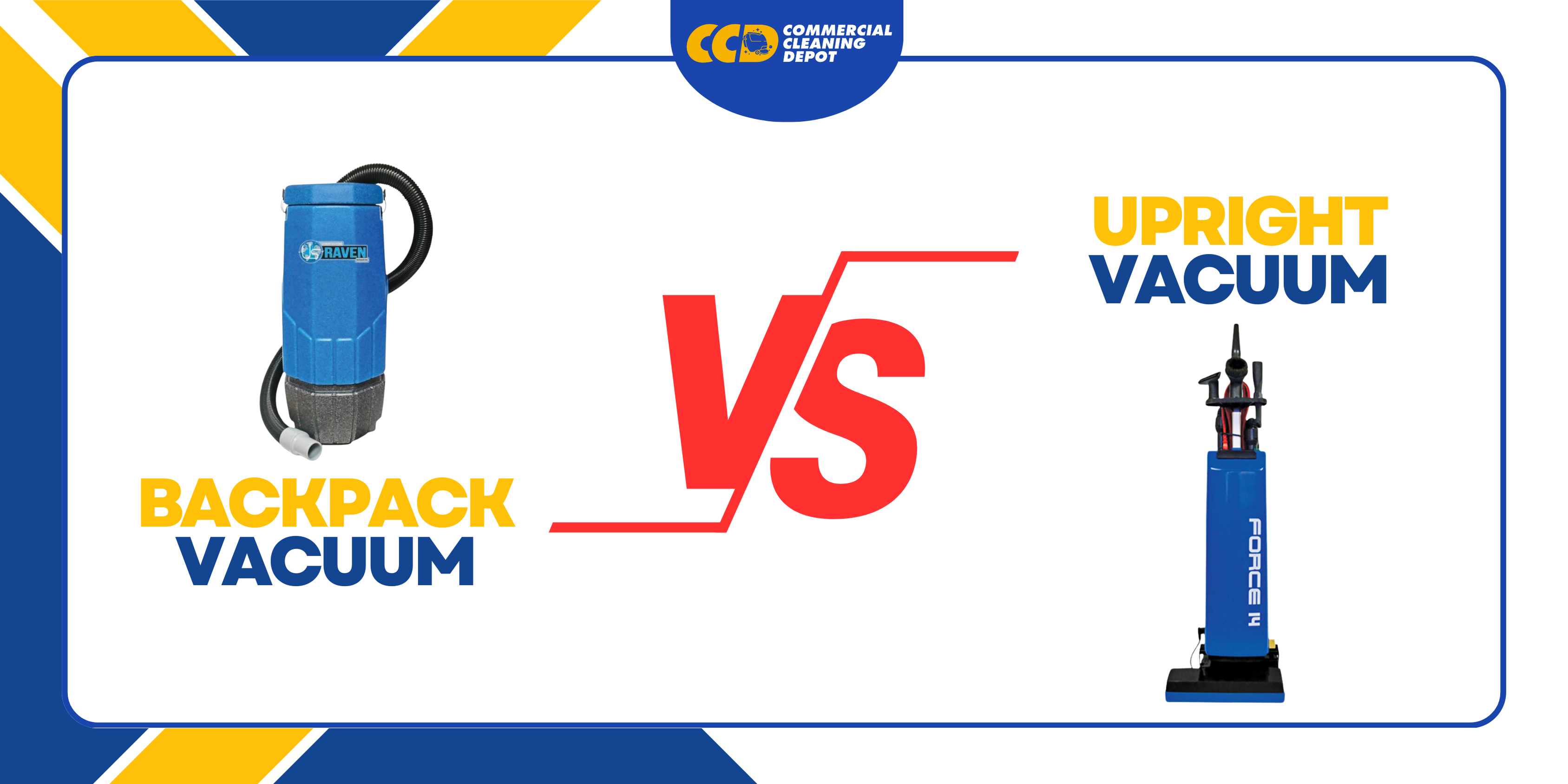
Design and portability are key factors when choosing between a backpack vacuum and an upright vacuum. Each type has a unique shape that affects how easy it is to carry and use. These differences impact cleaning comfort and storage options.
Weight And Maneuverability
Backpack vacuums are worn on your back, distributing weight evenly. This design reduces strain on your arms and shoulders. They often weigh less than uprights, making them easier to carry for long periods. Upright vacuums can be heavier, especially models with larger motors. Moving them around means pulling or pushing, which can be tiring in tight spaces. Backpack vacuums allow more freedom of movement. You can bend and reach spots without dragging a machine behind you.
Storage And Space Requirements
Backpack vacuums take up less floor space. They hang easily on hooks or fit in small closets. Upright vacuums need more room to stand and store. Their bulky shape makes them harder to tuck away in narrow spaces. Some upright models fold for easier storage, but they still require more area than backpacks. Choosing a vacuum depends on how much space you have at home or work.
Suction Power And Cleaning Performance
Suction power and cleaning performance are key factors in choosing a vacuum cleaner. They affect how well the vacuum picks up dirt, dust, and debris. A vacuum with strong suction cleans faster and leaves surfaces cleaner. Both backpack and upright vacuums offer different strengths in these areas. Understanding these differences helps in picking the right tool for your needs.
Effectiveness On Different Surfaces
Upright vacuums often work best on carpets. They have wide cleaning heads and strong suction. This design helps lift dirt deep from carpet fibers. Backpack vacuums shine on hard floors and stairs. Their smaller heads reach tight spaces easily. They also allow more freedom to move around furniture. Both types handle tiles and wood floors well, but the choice depends on the surface area and obstacles.
Handling Pet Hair And Debris
Pet hair can be tough to remove. Upright vacuums usually come with brushes that grab hair quickly. Their strong suction keeps hair from sticking to the vacuum. Backpack vacuums use powerful motors and flexible hoses. They clean pet hair from furniture and tight corners. Both can manage debris, but backpack models offer more reach for tricky spots. Choose based on the type and amount of pet hair in your home.
Ease Of Use
Ease of use is a key factor when choosing between a backpack and an upright vacuum. It affects how quickly and comfortably you can clean your space. Both types have their benefits and challenges. Understanding these can help you pick the right vacuum for your needs.
User Comfort And Ergonomics
Backpack vacuums are designed to be worn on your back. This spreads the weight evenly, reducing strain on your arms. They allow greater freedom of movement, especially in tight spaces or stairs. Upright vacuums can be heavy and awkward to push. They require more effort to maneuver around furniture. Some models have padded handles to ease hand fatigue. Comfort depends a lot on the design and your cleaning style.
Cord Length And Mobility
Backpack vacuums usually have longer cords. This means you can move farther without unplugging. Their lightweight hoses make reaching high or distant spots easier. Upright vacuums often have shorter cords. They need to be unplugged and moved more often. This can interrupt cleaning flow. Uprights are good on flat floors but struggle on stairs or uneven surfaces. Cord length and vacuum design affect how freely you can clean.
Maintenance And Durability
Maintenance and durability play a big role in choosing between backpack and upright vacuums. Knowing how to care for each type helps keep them running well. Durability affects how long your vacuum lasts before you need a replacement.
Filter And Bag Replacement
Both backpack and upright vacuums need regular filter and bag changes. Backpack vacuums often use HEPA filters, which catch small dust particles. These filters need cleaning or replacing often to keep air clean. Upright vacuums may have larger bags or dustbins that require emptying or swapping.
Changing filters and bags is simple for both types. Backpack vacuum bags may be harder to find but last longer. Upright vacuum bags are usually easier to buy but fill up faster. Some upright models use bagless dustbins, which need emptying and cleaning often.
Build Quality And Lifespan
Backpack vacuums often have a sturdy build to handle heavy use. They use strong materials to support long hours of work without breaking. Upright vacuums vary in build quality, with some made for light home use and others for heavy cleaning.
Durability depends on brand and model for both vacuum types. Backpack vacuums tend to last longer in commercial settings. Upright vacuums can last many years if maintained well. Regular cleaning and proper storage help extend vacuum lifespan.
Noise Levels And Energy Efficiency
Noise levels and energy efficiency matter a lot in choosing a vacuum. A quieter vacuum makes cleaning less stressful. Energy-efficient models save electricity and lower bills. Understanding these factors helps pick the right vacuum for your needs.
Operating Noise Comparison
Backpack vacuums usually run quieter than upright models. They use smaller motors and have better sound insulation. Upright vacuums tend to be louder due to bigger motors and air flow. Loud vacuums can disturb people and pets. Quiet operation suits homes with children or noise sensitivity.
Power Consumption Insights
Backpack vacuums often consume less power. Their motors focus on efficiency and portability. Upright vacuums need more energy to power strong suction and larger brushes. Lower power use means less impact on electricity bills. Choosing an energy-efficient vacuum supports eco-friendly living.
Credit: commercialcleaningdepot.com
Price And Value For Money
Price and value for money play a big role in choosing between a backpack and an upright vacuum. Both types offer different benefits and costs. Understanding these costs can help you pick the best option for your budget and needs.
Initial Cost Comparison
Backpack vacuums usually cost more upfront than upright models. This is because they have a compact design and special features. Upright vacuums tend to be cheaper and widely available. You can find many budget-friendly options in this category.
Still, some high-end upright vacuums can be pricey. They often include advanced filters and strong suction power. Backpack vacuums, on the other hand, are often chosen for their ease of use and mobility. This makes their higher price easier to justify for some users.
Long-term Investment Considerations
Think about long-term costs like maintenance and durability. Backpack vacuums often last longer with regular care. Their design helps reduce wear and tear. Upright vacuums may need more repairs or replacement parts over time.
Energy efficiency is another factor. Backpack vacuums can use less power due to their motor design. This lowers electricity bills over time. Filter replacements and bag costs also affect value. Check these expenses before buying to avoid surprises later.
Special Features And Attachments
Special features and attachments can make a big difference in vacuum cleaners. They add value and improve cleaning tasks. Backpack and upright vacuums come with various tools to help clean different surfaces and hard-to-reach areas.
Choosing the right vacuum means knowing which attachments suit your needs. These extras can save time and effort. Both types offer unique features that fit different cleaning styles.
Included Accessories
Backpack vacuums often include flexible hoses and crevice tools. These help reach tight corners and stairs easily. Many come with dusting brushes to clean delicate surfaces. Upright vacuums usually have wide nozzles for carpets and hard floors. They may also include pet hair tools and extension wands. These attachments expand cleaning power and versatility.
Smart Technology Integration
Some upright vacuums offer smart sensors that adjust suction automatically. This helps save battery and power. Backpack vacuums may feature LED lights on the nozzle for dark spaces. Both types can have app control or alerts for maintenance. These smart features make cleaning more efficient and user-friendly.
Best Uses And Ideal Users
Choosing between a backpack and an upright vacuum depends on the cleaning task and user needs. Each type serves different purposes. Knowing their best uses helps pick the right vacuum for the job.
Suitability For Home Types
Backpack vacuums suit large homes with many rooms. They allow easy movement and reach tight spaces. Carrying the vacuum on your back reduces strain. Upright vacuums work well in smaller homes or apartments. They cover floors quickly and store easily in closets. Carpeted floors benefit from upright vacuums’ strong suction. Hard floors can be cleaned effectively by both types.
Professional Vs. Personal Use
Professionals often choose backpack vacuums for long hours of cleaning. These vacuums offer mobility and comfort for extended use. They handle stairs, corners, and furniture well. Home users prefer upright vacuums for quick and simple cleaning. Uprights are easy to operate with minimal setup. Both types have models designed for quiet operation in offices or homes.
Credit: commercialcleaningdepot.com
Frequently Asked Questions
What Are The Main Differences Between Backpack And Upright Vacuums?
Backpack vacuums are worn on the back, making them easy to carry. Upright vacuums stand on the floor and need to be pushed. Each type suits different cleaning needs and spaces.
Which Vacuum Is Better For Cleaning Stairs And Tight Spaces?
Backpack vacuums are better for stairs and tight spots. They allow easy movement and reach with a long hose. Upright vacuums can be bulky and harder to maneuver there.
Are Backpack Vacuums Louder Than Upright Vacuums?
Backpack vacuums often have quieter motors due to better airflow design. Upright vacuums can be louder because of their larger motors. Noise levels vary by brand and model.
Which Vacuum Type Is Easier To Store At Home?
Upright vacuums usually take up less storage space. They stand upright and fit into closets easily. Backpack vacuums need a hook or shelf to hang or place.
How Do Backpack Vacuums Affect User Comfort During Cleaning?
Backpack vacuums distribute weight evenly on the back, reducing arm strain. They allow hands-free movement for quicker cleaning. Upright vacuums require pushing and pulling, which may tire arms faster.
Are Upright Vacuums Better For Deep Carpet Cleaning?
Upright vacuums often have stronger suction and brushes for deep carpet cleaning. Backpack vacuums work well on hard floors and low pile carpets. Choose based on your floor types.
Can Backpack Vacuums Clean Large Areas Faster Than Uprights?
Backpack vacuums allow faster movement and less stopping to adjust. This makes them good for large spaces or commercial use. Upright vacuums may slow down due to their size and weight.
Conclusion
Choosing between a backpack and upright vacuum depends on your needs. Backpack vacuums offer mobility and ease in tight spaces. Upright vacuums provide strong suction and are good for large areas. Consider your home size and cleaning habits. Think about comfort and storage space too.
Both types can keep your floors clean. Pick the one that fits your lifestyle best. Cleaning becomes easier with the right vacuum choice. Simple and smart decisions save time and effort.