
A thermal cure is a chemical process that utilizes heat to induce the polymerization of resins, adhesives, or coatings, effectively transitioning them from a liquid or pliable state into a durable, hardened solid. By applying controlled thermal energy, you accelerate the cross-linking of molecular chains, which locks the material into a permanent, chemically resistant matrix. This scientific transformation is the foundation of high-performance manufacturing, ranging from aerospace components to industrial powder coating applications.
Key Takeaways
- Thermal curing requires precise temperature control to prevent brittleness or incomplete hardening of the material.
- The rate of polymerization depends on the specific chemical formulation of the resin or adhesive being used.
- Always utilize a calibrated oven or heat source to ensure the entire part reaches the target temperature uniformly.
- Proper ventilation is essential during the curing process to manage volatile organic compounds released during heating.
- Monitoring the dwell time—the duration the material spends at peak temperature—is critical for achieving maximum structural integrity.
The Science of Thermal Curing
At the molecular level, thermal curing functions by supplying the activation energy necessary for chemical reactions to occur. Most thermosetting polymers, such as epoxies, polyurethanes, and phenolics, contain reactive functional groups. When heat is introduced, these groups become energized, allowing them to collide and form covalent bonds with surrounding molecules. This process, known as cross-linking, creates a three-dimensional network that gives the material its rigidity and strength.
Unlike thermoplastic materials, which can be melted and reshaped repeatedly, a thermally cured thermoset is permanently set. Once the molecular cross-linking is complete, the chemical structure is locked. If you attempt to reheat a fully cured thermoset, it will eventually degrade or char rather than melt. Understanding this distinction is vital for engineers and DIY enthusiasts alike, as it dictates the mechanical limits of the final product.
Why Heat Accelerates Hardening
Heat acts as a catalyst for the chemical reaction by increasing the kinetic energy of the molecules. In a room-temperature cure, the reaction may take days to reach full strength because the molecules have limited mobility. By increasing the temperature, you shorten the induction period, forcing the molecules into closer proximity and increasing the frequency of successful collisions.
| Factor | Effect on Curing |
|---|---|
| Temperature | Increases reaction speed and cross-link density |
| Dwell Time | Ensures uniform hardening throughout the material |
| Catalyst | Lowers the required temperature for activation |
| Humidity | May interfere with surface finish or bonding |
How to Control Thermal Curing
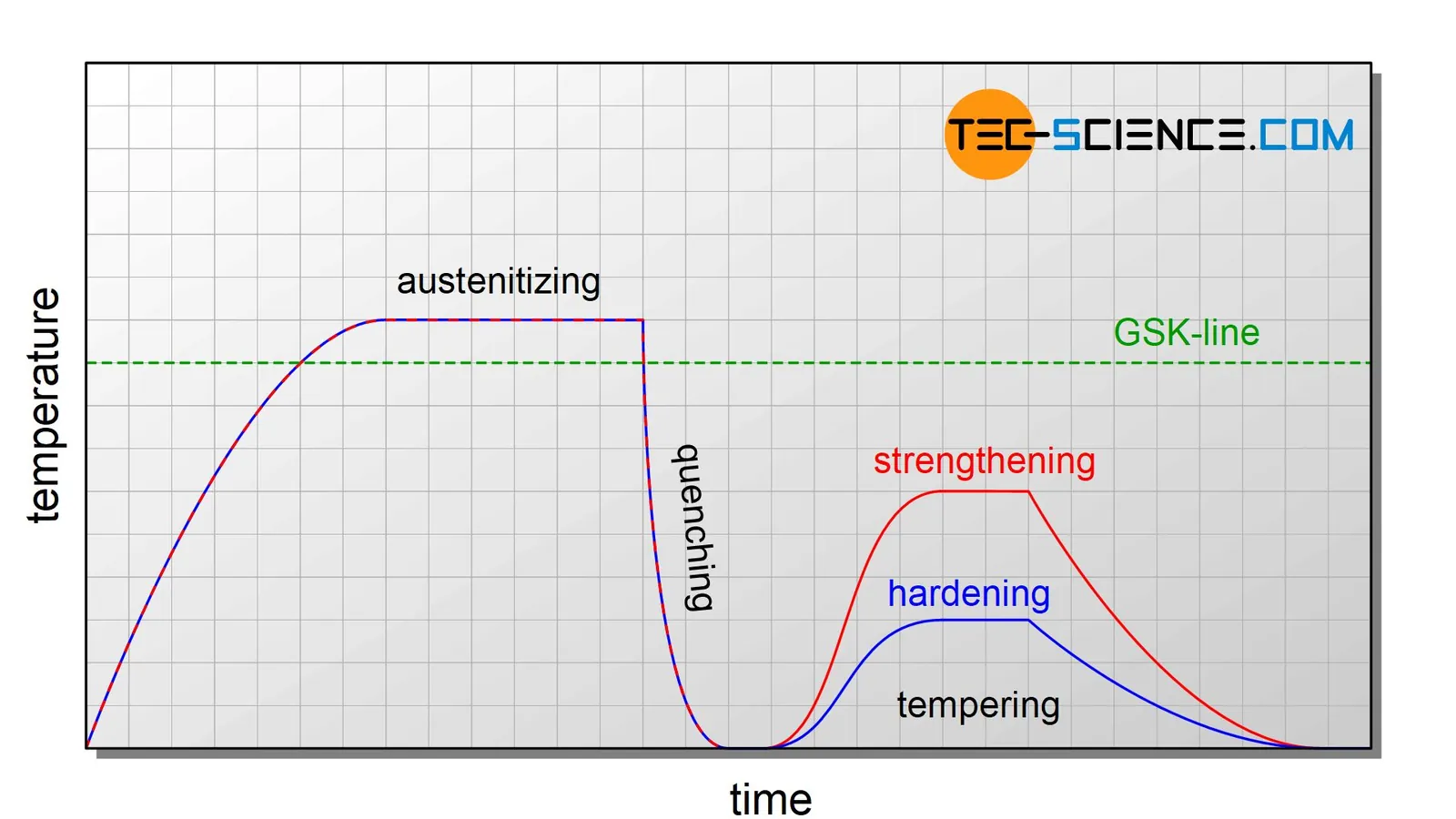
Achieving a successful cure depends entirely on the thermal profile—a specific schedule of heating, holding, and cooling. If the temperature rises too rapidly, the material may suffer from internal stress, leading to warping or micro-cracking. Conversely, if the temperature is too low, the material will remain “under-cured,” leaving it soft, tacky, or prone to chemical degradation over time.
Establishing the Heating Schedule
- Ramp-up phase: Gradually increase the temperature to avoid thermal shock to the substrate or the resin.
- Dwell phase: Maintain the peak temperature for the duration specified by the manufacturer to ensure total conversion.
- Controlled cooling: Slowly reduce the temperature to allow the material to stabilize and prevent internal tension.
Warning: Always wear heat-resistant gloves and eye protection when working with industrial ovens or heat guns, as the curing process often involves high temperatures that can cause immediate thermal burns.
Common Curing Methods and Tools
Different industries rely on specific equipment to facilitate the thermal hardening process. The choice of tool depends on the size of the part, the volume of production, and the specific resin requirements.
- Convection Ovens: These are the gold standard for uniform heating, using circulating hot air to maintain a consistent environment around the part.
- Infrared (IR) Lamps: These provide targeted, high-intensity heat, which is useful for curing coatings on large surfaces or specific localized areas.
- Heat Guns: Ideal for small-scale projects or spot repairs, though they require manual steady-handedness to avoid overheating.
- Induction Heaters: Used primarily in metal bonding, these tools use electromagnetic fields to heat the substrate rapidly from within.
Thermal Cure vs Room Temperature
While thermal curing is faster, it isn’t always the best choice for every project. The decision usually comes down to the heat sensitivity of the substrate being coated or bonded.
| Feature | Thermal Cure | Room Temperature Cure |
|---|---|---|
| Speed | Very fast (minutes to hours) | Slow (hours to days) |
| Strength | High structural integrity | Variable based on environment |
| Equipment | Requires oven or heat source | Requires no specialized tools |
| Limitation | Substrate must withstand heat | Humidity and temperature sensitivity |
Selecting the Right Resin
Not all resins are designed for thermal curing. If you attempt to heat-cure a material that’s formulated for ambient temperature hardening, you may cause the resin to boil, bubble, or lose its structural properties entirely. Always consult the technical data sheet provided by the manufacturer to verify the curing parameters.
When working with high-performance adhesives, look for materials that meet the ASTM International standards for thermosetting plastics. These standards provide the baseline for evaluating how specific materials behave under thermal stress and ensure that the cured product meets the necessary safety and performance requirements for your specific application.
Troubleshooting Common Curing Issues
Even with careful planning, things can go wrong during the hardening phase. Recognizing these symptoms early can help you adjust your process.
- Soft or Tacky Surface: Usually indicates an under-cure caused by insufficient heat or an incorrect mixing ratio of the resin and hardener.
- Bubbles or Voids: Often caused by the “outgassing” of moisture or solvents that were trapped inside the material during a ramp-up phase that was too fast.
- Brittleness: A sign of over-curing, where the material was kept at a high temperature for too long, causing the molecular chains to become too rigid and prone to cracking.
- Discoloration: High heat can degrade the chemical structure of some resins, leading to yellowing or darkening of the final finish.
Pro Tip: If you’re noticing surface tackiness despite following the temperature guidelines, check the ambient humidity in your workspace, as some epoxy systems are highly sensitive to moisture during the initial phase of the curing reaction.
Safety and Environmental Considerations
Thermal curing often releases volatile organic compounds (VOCs) that can be harmful if inhaled. It’s mandatory to work in a well-ventilated area or use a fume extraction system. Furthermore, ensure that your oven is dedicated to industrial purposes; never use an appliance meant for food preparation to cure chemicals, as the residue can contaminate future food items.
Related guides
- 10 Best Thermal Covers Reviews for Insulation and Protection in 2026
- 8 Best Thin Insulation Picks for Tight Spaces and Thermal Needs in 2026
Frequently Asked Questions
Can I cure epoxy in a regular kitchen oven?
No, you should never use a kitchen oven for industrial or chemical curing. The process releases toxic fumes that can permeate the oven walls and contaminate future food. Furthermore, kitchen ovens lack the precise temperature control needed for consistent hardening, and the potential for chemical residue poses a significant health risk to anyone eating food prepared in that same appliance later.
What happens if I stop the cure early?
Stopping the cure cycle before the dwell time is complete results in an under-cured material. The resin will remain partially liquid or gel-like, meaning it will never achieve its advertised mechanical strength, chemical resistance, or thermal stability. It may remain sticky to the touch and will likely fail under even minimal structural stress, making it unsafe for any load-bearing or protective application.
How do I know if the material is fully cured?
You can perform a simple hardness test using a durometer or a basic scratch test with a fingernail or metal probe. If the surface feels tacky, indents easily, or shows signs of lingering softness, the material isn’t fully cured. Professional applications often use Differential Scanning Calorimetry (DSC) to measure the degree of conversion, ensuring the chemical reaction has reached its required threshold.
Is there a way to speed up curing without heat?
You can sometimes use chemical accelerators or catalysts that are specifically designed for your resin system. These additives lower the activation energy required for the molecules to cross-link, allowing the material to harden at room temperature. However, be aware that adding too much catalyst can significantly reduce the “pot life” of the resin, leaving you with very little time to apply it before it hardens.
Does the thickness of the part affect curing?
Yes, thick parts require a longer dwell time because heat takes longer to penetrate the center of the material. If you heat a thick part too quickly, the exterior will harden and trap heat inside, potentially causing an exothermic reaction that leads to internal cracking or burning. Always follow the manufacturer’s recommendations for the specific mass and thickness of the object you’re curing.
Conclusion
Consistency is the ultimate goal when working with thermal processes, so start by creating a standardized log of your temperature settings and durations. Keep your equipment calibrated, monitor your environment for humidity and airflow, and always prioritize safety by using proper ventilation. Your next step should be to acquire a reliable digital thermometer to verify your oven’s actual internal temperature against its dial setting.
