
Most standard non-stick, PTFE-coated, or silicone oven liners are generally considered safe for use in electric ovens when placed on the bottom rack, but you should check your specific manufacturer guidelines to see if they’re safe for models with hidden heating elements. If your heating element is exposed, you must never place a liner on the floor of the oven; it must be placed on a rack well above the element.
The outcome depends on the placement of the heating element and the quality of the liner material. Some models have the element integrated under the floor of the oven cavity, while others have it visible at the bottom. The latter configuration poses a high risk if a liner contacts the metal coils. Always consult your appliance’s user manual, as some manufacturers explicitly void warranties if aftermarket liners cause damage to the porcelain enamel floor.
Who should use electric oven liners
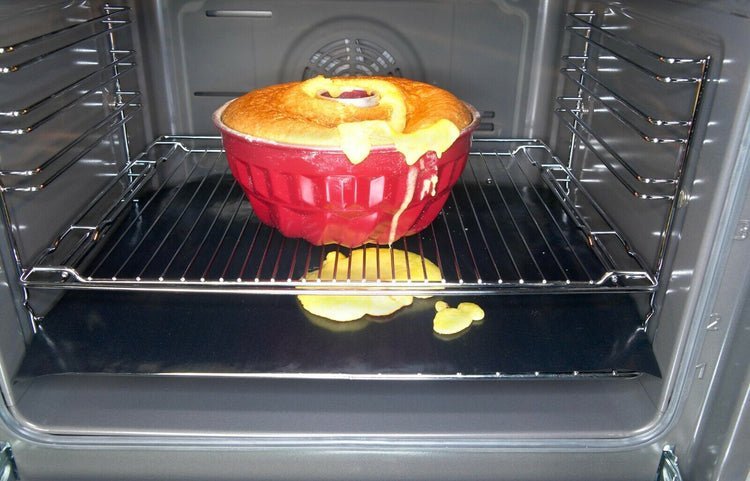
This page serves homeowners who want to reduce the time they spend scrubbing burnt food spills from the bottom of their electric range. You might be a busy cook who uses the oven several times a week, or perhaps you own a newer model with a self-cleaning feature that you find too harsh or energy-intensive to run frequently. You likely already have a liner in your shopping cart or sitting on your counter, but you’re hesitant to install it because you fear damaging the heating system or releasing fumes.
This guide assumes you’re using a standard residential electric oven. If you’re using a commercial-grade oven or a convection unit with high-velocity fans, these guidelines may not apply, as airflow patterns in those units can cause lightweight liners to lift and touch the elements. We also assume you’re using a liner specifically marketed for oven use, rather than a generic plastic sheet. If you’re looking for advice on gas ovens, which have different burner configurations and ventilation requirements, you should look for guidance specific to gas range safety, as the risks of blocking airflow or disrupting the flame are entirely different.
Factors affecting safety
The primary factor is the location of the heating element. If the element is exposed at the bottom, any material touching it will melt or burn, creating smoke and a potential fire hazard. Always check the bottom of your oven; if you see metal coils, the liner must sit on the lowest rack, not on the floor of the oven.
The second factor is the maximum temperature rating of the liner. Most silicone or PTFE-coated fiberglass liners are rated for use up to 500°F. If you frequently use high-heat settings, such as 550°F for pizza or broiling, the liner may degrade or off-gas. Always check the packaging for the specific temperature limit.
The third factor is the size of the liner relative to the oven floor. If a liner is too large and blocks the airflow in a convection oven, it can cause uneven cooking or overheat the internal components. You should trim the liner so it’s at least one inch smaller than the oven floor on all sides to allow for proper air circulation.
The fourth factor is the state of the oven’s enamel. If the oven floor is already cracked or peeling, adding a liner can trap moisture or grease underneath, which may accelerate corrosion of the metal base.
Finally, the most common mistake is placing a liner directly on the bottom of an oven with a hidden heating element. People often think the liner is safe because it doesn’t touch a coil, but if the heat is concentrated beneath the floor, the liner can trap that heat and cause the porcelain enamel to crack or flake.
Installation and maintenance
- Measure your oven floor or the bottom rack to ensure the liner will fit without touching the walls.
- If the liner is too large, use a pair of kitchen shears to trim it to the appropriate size, keeping it at least one inch away from the oven walls.
- If your oven has an exposed heating element, place the liner on the lowest rack position rather than on the oven floor itself.
- If your oven has a hidden heating element, you shouldn’t place a liner on the oven floor, as this can trap heat and damage the oven’s finish.
- Ensure the liner is lying completely flat; if it curls, it may obstruct airflow or touch the heating element during operation.
- Check for any debris or crumbs on the liner before preheating to prevent smoking.
- After the oven has cooled completely, remove the liner to wipe it down with warm, soapy water.
- If the liner becomes brittle, cracked, or shows signs of discoloration, discard it immediately.
The decision to use a liner comes down to the manufacturer’s stance. Most major appliance brands, such as General Electric’s official support documentation, advise against placing any material on the bottom of the oven because it can trap heat and damage the finish. If you choose to ignore this, you do so at the risk of damaging your oven’s interior coating.
Comparison of liner types
| Convection Ovens | Trimmed Liner | High effort | Don’t block vents | | Frequent Cleaning | Dishwasher Safe | Low effort | Ensure it lies flat |
Choose your liner based on the oven’s heating mechanism. If your heating element sits at the bottom, never place a PTFE sheet directly on the floor. The intense radiant heat will cause the material to off-gas or melt, ruining your oven floor. Use a silicone mat instead.
For convection models, the biggest mistake is using an oversized liner. If the sheet catches the fan’s airflow, it may lift and strike the heating element, creating a fire hazard. Always trim your liner so it remains at least two inches away from the fan housing.
If you bake at temperatures exceeding 500°F, standard PTFE liners will degrade rapidly. In this case, switch to heavy-duty, reinforced fiberglass mesh. If the liner becomes brittle or starts to flake, discard it immediately to prevent plastic particles from contaminating your food.
Preventing common issues
Proper placement and airflow
Experienced users know that blocking airflow is the fastest way to ruin a meal. If you place a large, solid liner on the bottom rack, the air can’t circulate properly, which often results in undercooked bottoms and burnt tops. Always ensure at least an inch of space remains on all sides of the liner. If you’re baking something that might drip, use a smaller piece of foil or a dedicated drip pan on the rack below your food instead of covering the entire oven floor.
Recognizing material failure
You must inspect your liner every time you clean it. If you see signs of fraying, cracking, or any area where the coating has worn away, you must stop using it. These damaged spots can harbor bacteria or, worse, become hot spots that lead to smoke during your next cook. If the liner feels sticky even after a thorough wash, the non-stick coating has likely broken down due to repeated heat exposure and is no longer safe to use.
What goes wrong
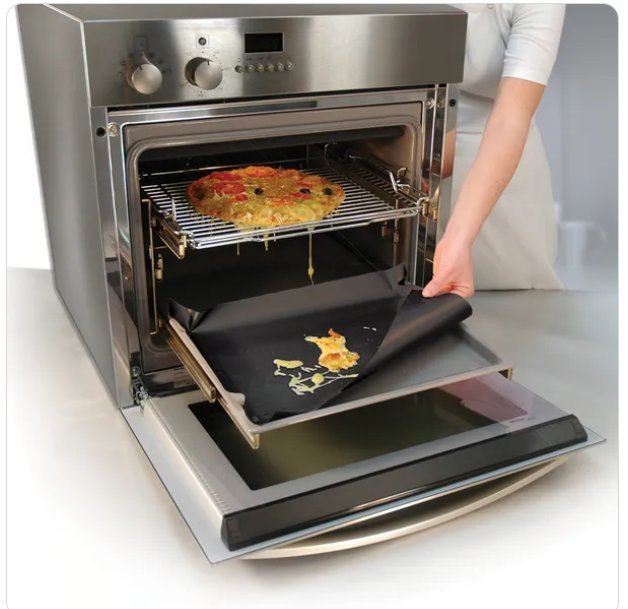
| What you notice | What it usually means | What to do first | How to stop it | | Smoke in oven | Liner is touching element | Turn off oven | Trim liner to fit | | Burnt smell | Food bits on liner | Clean the liner | Wipe after every use | | Liner curls up | Heat is too high | Lower temperature | Use heavy-duty mat | | Enamel cracks | Heat trapped below | Stop using liner | Follow manual rules | | Sticky residue | Coating is failing | Replace the liner | Use gentle cleaners |
Most users assume these liners are indestructible, but they’re rated for specific heat thresholds, usually 500°F. If you exceed this, the material off-gasses harmful fumes.
The most common mistake is placing the liner on the floor of a gas oven. This blocks airflow, causing the thermostat to misread the internal temperature. Your oven will then overcompensate, potentially damaging the heating element or the enamel floor.
If your oven has a hidden element under the floor, never use a liner. The trapped heat will cause the floor finish to blister or crack within weeks.
Use this simple decision rule: If your oven has an exposed heating element at the bottom, place the liner on the lowest rack, not the floor. If the element is hidden, don’t use a liner at all. Always check your manufacturer’s manual for the specific clearance requirements. Ignoring these guidelines often voids the appliance warranty, leaving you with a costly repair bill for a simple oversight.
Safety standards and rules
The primary rule regarding oven safety comes from the appliance manufacturer. Because every oven is designed with specific airflow and thermal tolerances, the manufacturer’s manual is the final word on what is allowed inside the cavity. If the manual states that placing items on the oven floor will void your warranty, that rule is legally binding.
Furthermore, if you’re using a liner, ensure it’s certified for high-temperature contact. Some generic liners sold online don’t meet the safety requirements for oven use and may release toxic fumes when heated. Always verify that the product is labeled as food-safe and rated for temperatures exceeding your oven’s maximum setting.
A common mistake is assuming that “heat-resistant” is synonymous with “oven-safe.” A product rated for 400°F will degrade and off-gas if your oven hits 450°F during a cleaning cycle or a high-heat roast. If the packaging lacks a specific temperature rating, discard it.
The decision rule is simple: if you can’t find a clear “yes” from the brand that made your oven, don’t use the accessory. It’s always safer to use a standard metal baking sheet on the bottom rack to catch spills instead.
The true cost of liners
The cost of using oven liners isn’t just the price of the product, which is usually an inexpensive purchase, but the potential cost of repairing an oven floor. Replacing a damaged porcelain enamel floor can be costly in parts and labor, far exceeding the convenience of an easy cleanup.
Many manufacturers warn that liners can trap heat, causing the oven’s thermostat to malfunction or the enamel to craze and flake. If your oven has a bottom-mounted heating element, never place a liner directly on the floor. Doing so blocks airflow and creates a fire hazard. If you see discoloration on the floor after removing a liner, the finish is likely already compromised.
You should also factor in the time spent maintaining the liner itself. While they’re marketed as “set and forget,” they require regular washing and inspection. If you don’t clean them properly, they become a source of smoke and odors that permeate your kitchen.
The most cost-effective approach is to use a metal baking sheet or a dedicated drip pan. These are durable, heat-resistant, and don’t pose the same risks to your oven’s finish. If you decide to use a liner, treat it as a temporary solution rather than a permanent fixture.
Maintaining your oven interior
To keep your oven in good condition, you should prioritize regular, gentle cleaning over the use of liners. If you do use a liner, remove it during the self-clean cycle. High temperatures used during self-cleaning can reach 900°F, which will instantly destroy even the most heat-resistant liners and potentially fuse them to the oven floor.
If you spill food, clean it as soon as the oven is cool. Using a paste of baking soda and water on a soft sponge is usually enough to remove most stains without damaging the enamel. Avoid using steel wool or harsh chemical cleaners, as these create microscopic scratches that make the surface more prone to sticking in the future.
By maintaining the integrity of the oven’s own finish, you avoid the need for liners entirely. The decision rule is simple: if the spill is liquid, wipe it immediately with a damp cloth; if it’s charred or baked on, apply the paste and let it sit for twenty minutes.
Many owners mistakenly scrub at stubborn spots with abrasive pads, which permanently strips the non-stick coating. This mistake costs you the oven’s longevity, as future spills will bond directly to the exposed metal. If you notice a persistent smell of burnt food even after cleaning, check the heating element for stuck debris, as this is often the real source of the odor.
When to avoid using liners
Using a liner is the wrong approach if you own an oven with a delicate finish or if you frequently use the broiler function. The intense, direct heat from a broiler can easily exceed the temperature limits of most liners, leading to melting or fire. In these cases, you should use a heavy-duty metal broiler pan designed specifically for the task.
You should also avoid liners if you have a history of forgetting to remove them before running a self-clean cycle. The cost of cleaning up a melted liner from the base of your oven is significant and often requires a professional technician to scrape the residue without damaging the unit. If you find that you’re constantly worried about the liner causing a fire or damaging your appliance, the confidence you gain by removing it’s worth the extra few minutes of cleaning. There’s no shame in choosing to scrub the oven floor manually if it means keeping your home and appliance safe from avoidable hazards.
Frequently asked questions
Can I use a liner in a self-cleaning oven?
No, you must remove the liner before starting a self-cleaning cycle. The extreme heat generated during this process will melt or burn the liner, potentially fusing it to your oven floor and causing permanent damage to the enamel finish.
How long does a typical oven liner last?
With careful use and regular cleaning, most high-quality oven liners last for a reasonable period before needing replacement. You should replace the liner immediately if you notice any fraying at the edges, cracking in the coating, or if it no longer lies flat on the rack.
Is it safe to leave a liner in the oven at 500°F?
Only if the liner is specifically rated for that temperature by the manufacturer. You must check the packaging of your specific product, as many standard liners are only rated up to 450°F or 500°F; exceeding this limit can lead to off-gassing and material degradation.
What happens if the liner touches the heating element?
The liner will likely melt, smoke, or catch fire almost immediately. If this happens, turn off the oven, allow it to cool completely, and remove the damaged liner before attempting to use the oven again to avoid further smoke or fire.
Does a liner affect the cooking time?
No, a properly installed liner shouldn’t significantly change your cooking times. However, if the liner is too large and blocks airflow in a convection oven, you may notice that food bakes unevenly, which might require you to adjust your cooking strategy or remove the liner.
How do I clean a dirty oven liner?
You can clean most liners by soaking them in warm, soapy water for about ten minutes and wiping them with a soft sponge. Never use abrasive scrubbers or metal tools, as these will destroy the non-stick coating and make the liner unsafe for future use.
Oven liners, in short
If you decide to use a liner, place it on the lowest rack and keep it away from the heating element. Always verify your specific oven model’s requirements in the manual before installing any accessory. If you notice smoke or a burning smell during use, turn off the appliance immediately and remove the liner, as these are signs that your setup isn’t safe for your specific oven configuration.
Related guides