
Fuses work by acting as a sacrificial safety gate in an electrical circuit, breaking the connection to prevent fire or damage when current exceeds a safe limit. They contain a small metal strip or wire designed to melt instantly when subjected to excessive electrical load, stopping the flow of power before components overheat. By serving as the weakest link, these devices ensure that electrical infrastructure remains intact during power surges or short circuits.
Key Takeaways
- Always replace a blown fuse with one of the exact same amperage and voltage rating to prevent fire hazards.
- Check for signs of a short circuit or overloaded outlet before installing a new fuse, as the original likely blew for a reason.
- Understand the difference between fast-acting fuses for sensitive electronics and time-delay fuses for motors that draw temporary startup current.
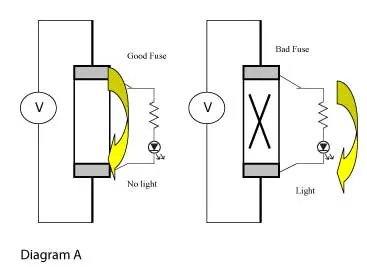
- Use a multimeter to confirm a fuse is truly blown rather than relying solely on visual inspection, as some internal breaks are microscopic.
- Consult the National Electrical Code safety standards when performing any electrical maintenance or upgrades in your home.
The Mechanism of Electrical Protection
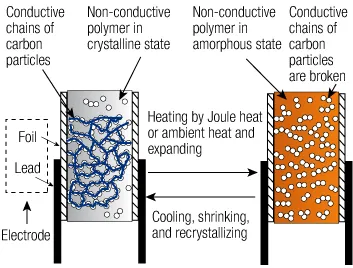
At its core, the operation of a fuse relies on the principles of thermal resistance. As electricity flows through the conductive element inside the fuse, it generates heat proportional to the square of the current.
Under normal operating conditions, the metal strip remains solid and cool enough to maintain connectivity. However, if the current spikes beyond the rated capacity, the rapid increase in heat causes the metal to melt. This physical break creates an open circuit, instantly halting the flow of electricity to the downstream equipment.
How Do Fuses Work in Circuits?
In a standard household or automotive setup, the fuse is placed in series with the load it protects. This means that every electron traveling toward the device must pass through the fuse first. If the circuit is “closed,” the electricity travels freely. Once the fuse element melts, the circuit becomes “open,” effectively terminating the path of the current. This prevents the wiring from reaching temperatures that could melt insulation or ignite nearby materials.
| Fuse Type | Primary Application | Reaction Speed |
|---|---|---|
| Fast-Acting | Sensitive Electronics | Near-instant |
| Time-Delay | Electric Motors | Delayed |
| Thermal | Heating Appliances | Temperature-based |
Identifying Common Fuse Categories
Understanding the specific type of protection required is essential for maintaining electrical safety. Fuses are categorized not just by their current capacity, but by their specific response characteristics. Using the wrong type of fuse can lead to nuisance blowing or, conversely, a failure to protect the circuit during a genuine fault event.
Fast-Acting Fuses
These are designed to react almost instantly to current surges. They’re commonly found in delicate electronic devices such as computers, televisions, and power supplies. Because these devices lack the ability to handle even brief spikes in power, the fast-acting fuse ensures the internal circuitry is shielded from sudden voltage transients.
Time-Delay Fuses
Also known as “slow-blow” fuses, these units are engineered to withstand a temporary surge of current that occurs during the initial startup of an electric motor or transformer. These devices are common in HVAC systems, refrigerators, and power tools. They prevent the fuse from blowing during the normal, momentary “inrush” of current that happens when a motor first engages.
Troubleshooting Blown Fuses
Warning: Never attempt to bypass a fuse by wrapping it in foil or using a metal slug, as this eliminates the safety mechanism and significantly increases the risk of an electrical fire.
When a device stops working, the first step is to isolate the power source. If you suspect a fuse has blown, locate the fuse box or the inline holder. Visually inspect the fuse; if the glass is darkened or the internal wire is visibly severed, it has failed. However, some fuses remain clear even when blown.
If you have a multimeter, set it to the continuity test mode. Touch the probes to both ends of the fuse. If the meter doesn’t beep or show a near-zero resistance reading, the fuse is dead.
Steps to Replace a Fuse
- Turn off the power to the circuit at the main breaker panel to ensure you’re working in a de-energized environment.
- Locate the blown fuse and remove it using a plastic fuse puller or insulated needle-nose pliers.
- Examine the fuse body for the amperage (A) and voltage (V) ratings printed on the cap or the glass tube.
- Purchase a replacement fuse that matches these specifications exactly; never use a higher amperage rating than the circuit was designed to handle.
- Insert the new fuse into the holder, ensuring it’s firmly seated.
- Restore power to the circuit and test the device for normal operation.
Why Do Fuses Fail Repeatedly?
If you find that a fuse blows immediately upon replacement, you’re likely dealing with a persistent fault. The most common cause is a short circuit, where a hot wire makes contact with a neutral or ground wire, creating a path of near-zero resistance.
Another possibility is an overloaded circuit, where too many appliances are plugged into one outlet, collectively drawing more power than the fuse is rated to handle. Inspect your power cords for fraying or damage, and consider unplugging high-draw appliances to see if the issue persists.
Comparing Fuses and Circuit Breakers
While both serve the same fundamental purpose of overcurrent protection, they function through different mechanical processes. Fuses are single-use devices that must be physically replaced after a fault. Circuit breakers, by contrast, are resettable switches that use either an electromagnet or a bimetallic strip to trip a lever when current is excessive.
| Feature | Fuse | Circuit Breaker |
|---|---|---|
| Reset Method | Replacement | Manual switch |
| Speed | Very fast | Moderate |
| Cost to Reset | Low (per unit) | Zero |
| Reusability | No | Yes |
Safety Protocols for Electrical Work
Pro Tip: Always carry a non-contact voltage tester in your tool kit to verify that no electricity is flowing through a wire before you touch any components, even if you have already switched off the breaker.
When working with fuse boxes, ensure your hands are dry and you’re standing on a non-conductive surface like a rubber mat. If you’re replacing a large industrial fuse, wear appropriate personal protective equipment, including safety glasses and insulated gloves. Electrical arcs can occur if a fault is still present when you insert a new fuse, so keeping your face away from the fuse block is a standard safety practice.
Frequently Asked Questions
Can I use a higher amp fuse?
No, never install a fuse with a higher amperage rating than the one specified for the device or circuit. The fuse is sized to protect the wiring from melting; a higher-rated fuse will allow too much current to flow, potentially causing the wires inside your walls to overheat and trigger a fire before the fuse ever blows.
What is a ceramic fuse?
Ceramic fuses are designed to handle higher temperatures and are less prone to shattering during a high-energy fault compared to glass fuses. They’re typically filled with a sand-like material that helps quench the electrical arc that forms when the internal wire melts, making them safer for high-voltage or high-power applications where a glass fuse might explode.
Do all fuses blow the same way?
No, the way a fuse blows depends on its internal construction. Fast-acting fuses use a thin wire that vaporizes instantly, while time-delay fuses use a spring-loaded or heavier element that takes longer to reach its melting point. This difference ensures that the fuse responds appropriately to the specific load characteristics of the equipment it’s intended to protect.
How long do fuses last?
A fuse has no set expiration date and can theoretically last for decades if it’s never subjected to an overcurrent event. However, environmental factors like extreme humidity, heat, or oxidation can degrade the metal contacts over time. If a fuse looks corroded or the end caps are loose, it should be replaced to ensure a reliable electrical connection.
Is it safe to repair a fuse?
It’s never safe to repair a blown fuse. The internal wire is calibrated to melt at a precise temperature. Any attempt to bridge the gap with solder, wire, or other conductive materials will alter the melting point and destroy the safety protection the device provides. A blown fuse is a sign of an underlying issue that must be addressed, not ignored through makeshift repairs.
Conclusion
If you continue to experience recurring fuse failures despite replacing them with the correct rating, it’s time to consult a licensed electrician to inspect your home wiring for hidden faults. Don’t ignore persistent electrical issues, as they often indicate dangerous conditions that could lead to fire. Contact a professional today to ensure your electrical system remains safe and fully functional.
