
Choosing the best finish for walnut depends on your project goals. Walnut is prized for its rich color and complex grain, so the right finish should highlight these features while providing necessary protection. Whether you need a food-safe surface or a durable barrier, the best choice depends on how you use the piece. Rubio Monocoat Oil Plus and Minwax Polycrylic Finish represent the two extremes of this choice, focusing on natural penetration versus a protective surface layer.
As an Amazon Associate, we earn from qualifying purchases. This post contains affiliate links – if you buy through them, we may earn a commission at no extra cost to you.
1. Rubio Monocoat Wood Stain & Finish 175 ft²

Best for: Someone wanting a durable, single-coat finish for high-traffic furniture or floors.
This finish works by bonding with the wood fibers rather than sitting on top like a film. It’s designed to be applied in one layer, which simplifies the process for those who want a professional result without multiple stages of drying and sanding between coats.
The inclusion of an accelerator helps the oil cure, making it suitable for areas that see daily use. Because it’s free of harmful substances, it’s a common choice for homes where safety is a primary concern. It isn’t ideal for those who prefer the high-gloss, plastic-like feel of a thick polyurethane coating, as this oil aims for a more natural, tactile finish.
Good if:
- You want to finish a project in a single day.
- You need a finish that’s certified safe for food contact and toys.
- You’re working on high-traffic surfaces like floors or worktops.
Skip it if:
- You prefer a high-gloss, reflective shine.
- You aren’t comfortable mixing two components before application.
2. Watco Dark Walnut Danish Oil Wood Finish

Best for: Someone who wants to enhance the natural glow of walnut wood.
Danish oil is a blend that sinks deep into the pores of the walnut. It’s excellent for furniture where you want to keep the “woody” feel rather than covering it with a synthetic film.
Because it penetrates deep into the wood, it provides a warm, rich look that emphasizes the grain. It’s very easy to wipe on, but it doesn’t offer the same level of heavy-duty scratch resistance as a hard wax or a thick polyurethane. It isn’t recommended for flooring where wear and tear are constant.
Good if:
- You want a simple, wipe-on application process.
- You prioritize a warm, natural look over a thick protective layer.
- You’re finishing furniture or decorative items.
Skip it if:
- You’re looking to coat a floor.
- You need extreme resistance to heavy spills and scratches.
3. General Finishes Oil Base Gel Stain

Best for: Someone trying to achieve an even color on difficult or inconsistent wood.
This is a heavy-bodied stain that sits closer to the surface than liquid oils. It’s particularly useful if your walnut piece has sapwood or grain patterns you want to blend together for a more uniform appearance.
Because it’s thick, it’s very easy to control during application, reducing the risk of drips or splatters. It provides a lustrous look that many woodworkers prefer. It isn’t the best choice if you want the finish to soak completely into the wood fibers, as its thickness prevents deep penetration.
Good if:
- You want to even out the color of your walnut.
- You’re worried about messes during application.
- You want a rich, lustrous appearance.
Skip it if:
- You want the finish to penetrate deeply into the grain.
- You’re looking for a clear, natural wood look without extra pigment.
4. Tried & True Dark Walnut Stain & Finish
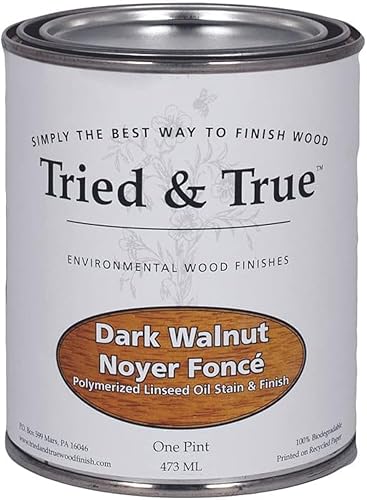
Best for: Someone looking for a completely natural, food-safe finish.
This product is a blend of linseed oil and earth pigments. It’s designed to be very simple to apply, requiring only a thin coat and some time to cure.
It’s an excellent choice for items that will touch food, such as cutting boards or serving trays. It highlights the natural beauty of the walnut grain without adding synthetic chemicals. It isn’t suitable for those who need a fast-curing finish, as it requires a minimum of 8 hours to cure.
Good if:
- You need a finish for kitchen items or children’s toys.
- You prefer all-natural, non-toxic ingredients.
- You want an easy, wipe-on application.
Skip it if:
- You’re in a rush and need a fast-drying finish.
- You want a high-sheen, modern look.
5. Minwax PolyShades Wood Stain + Polyurethane Finish

Best for: Someone who wants to change the color and add protection in one step.
This is a combination of stain and polyurethane. It’s designed to save time by allowing you to update the look of a piece and seal it simultaneously.
It works well over existing finishes, which makes it a useful tool for refreshing old furniture without stripping it down to the bare wood. Because it’s a thick, surface-level finish, it will obscure the natural texture of the wood more than an oil-based product would.
Good if:
- You want to change the color of already-finished wood.
- You need a fast, one-step solution for furniture or cabinets.
- You prefer a strong, protective layer over the wood.
Skip it if:
- You want to feel the natural texture of the wood.
- You’re looking for a subtle, natural-looking finish.
6. Gilboys Hard Wax Oil

Best for: Someone needing a durable, heat-resistant finish for kitchen surfaces.
This hard wax oil provides a protective barrier that stands up to heat and water. It’s a natural alternative to harsh synthetic finishes, making it a popular choice for kitchen worktops and dining tables.
It’s easy to apply without special equipment. The finish results in a professional-looking satin sheen that highlights the grain. It isn’t the right choice for those who want a completely matte, invisible finish.
Good if:
- You’re finishing a kitchen worktop or dining table.
- You want protection against water and heat.
- You want a natural-feeling satin finish.
Skip it if:
- You prefer an ultra-matte, non-reflective finish.
- You’re working on very small, delicate items.
7. Walrus Oil Furniture Oil

Best for: Someone looking for a simple, natural way to restore wood furniture.
This is a polymerizing oil that cures to create a protective finish. It’s lightly scented and made with food-safe ingredients, which makes it very versatile for indoor furniture.
It leaves a matte finish that looks very natural. Because it’s a simple oil, it doesn’t provide the same level of scratch protection as a polyurethane or hard wax. It’s best suited for pieces that don’t undergo heavy daily abuse.
Good if:
- You want an easy-to-apply, natural oil.
- You’re working on furniture that needs restoration.
- You want a matte, understated look.
Skip it if:
- You need a finish that resists deep scratches.
- You want a high-gloss, reflective surface.
8. Osmo Wood Wax Finish Transparent

Best for: Someone who wants a durable, transparent finish that still shows the grain.
This product is designed to be both durable and breathable. It protects against liquids like juice, tea, and wine, making it practical for family homes.
It’s easy to perform spot repairs, which is a major advantage for busy households. Because it’s a wax finish, it provides a different feel compared to hard polyurethanes. It isn’t ideal for those who want to completely hide the wood grain under an intensive color.
Good if:
- You want a finish that’s easy to repair later.
- You need protection against common liquid spills.
- You want the wood grain to remain visible.
Skip it if:
- You want an intensive, opaque color finish.
- You aren’t looking for a wax-based feel.
9. Mahoney’s Walnut Oil

Best for: Someone finishing wooden bowls or cutting boards.
This is a highly specialized oil designed for food-contact items. It’s easy to use and provides a safe, natural protectant for items you use to serve food.
It’s a fast-drying utility oil that doesn’t contain petroleum distillates. It isn’t intended for heavy-duty furniture or flooring, as it lacks the chemical durability of a poly or hard wax.
Good if:
- You’re making salad bowls or cutting boards.
- You want a food-safe finish with no harsh chemicals.
- You want a simple application by wiping or immersing.
Skip it if:
- You’re finishing a table or piece of furniture.
- You need a high-build protective coating.
10. Minwax 233334444 Polycrylic Protective Wood Finish
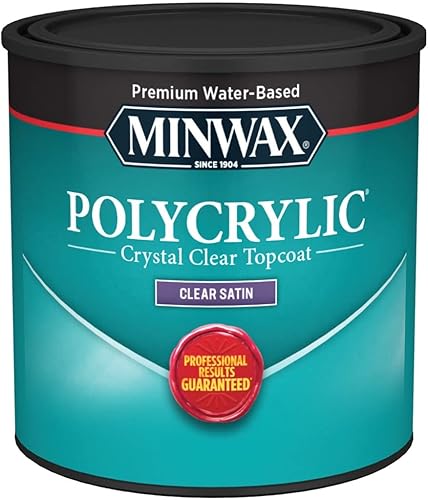
Best for: Someone who needs a clear, protective topcoat that won’t yellow.
This water-based finish is perfect for those who want to protect their work without changing the color of the wood. It’s crystal clear and dries very quickly, allowing for multiple coats in a single day.
Because it’s water-based, it cleans up easily with soap and water. It isn’t the best choice if you’re looking for the warmth that an oil finish provides, as it’s designed to be neutral and clear.
Good if:
- You need a fast-drying, protective topcoat.
- You want easy cleanup with soap and water.
Skip it if:
- You want to enhance the warm, amber tones of walnut.
- You prefer the feel of a natural oil finish.
Where These Overlap
Many of these products serve similar needs, though they use different chemistry. For instance, Rubio Monocoat Oil Plus, Gilboys Hard Wax Oil, and Osmo Wood Wax all provide durable, protective finishes that are suitable for high-traffic areas, and they all lean toward a more natural feel than a thick polyurethane. If you’re choosing between these, consider the application process and specific safety certifications. Similarly, Mahoney’s Walnut Oil, Tried & True Stain, and Walrus Oil Furniture Oil are all excellent for food-safe applications. The primary difference here is the specific blend of oils and the curing time required for each.
Still Not Sure?
How often will I use the item?
If you’re finishing a kitchen table or a floor that gets used every day, you need a durable, water-resistant finish. A hard wax oil like Rubio Monocoat Oil Plus or Gilboys Hard Wax Oil is usually the best choice for these high-traffic situations.
What look do I really want?
If you want to see the natural grain and feel the wood, avoid thick polyurethane products like Minwax PolyShades. Instead, look for penetrating oils like Watco Danish Oil or Tried & True Stain, which emphasize the texture of the walnut rather than burying it under a film.
Am I finishing food-contact items?
If you’re working on cutting boards or bowls, safety is your priority. Look for products clearly labeled as food-safe, such as Mahoney’s Walnut Oil or Tried & True Stain. These finishes avoid the harsh chemicals found in standard furniture varnishes and are regulated by the FDA for food contact safety.
Closing
Choosing the best finish for walnut wood comes down to your priorities: durability for high-use items or a natural look for furniture. Rubio Monocoat Oil Plus is a top contender for heavy use, while Watco Danish Oil is perfect for highlighting the natural beauty of the wood. Start by deciding if your project needs a protective barrier or a natural finish.
Related guides
Frequently Asked Questions
What has to be replaced or renewed?
Many oil and wax finishes allow for spot repairs. If a section of the wood looks worn, you can simply clean that area and reapply the finish. This makes the long-term maintenance of these natural products much simpler.
What happens when the product is used up?
If you finish your project and have oil left over, store the container in a cool, dry place with the lid tightly sealed. Always check the label for the manufacturer’s specific advice on shelf life and storage.
Would a more capable finish have suited me better?
It depends on your environment. If you chose a natural oil for a busy kitchen table but realize it isn’t resisting water enough, you could potentially apply a protective wax on top.
Final Thoughts
Ultimately, your choice comes down to how you’ll use the piece every day. If you’re still unsure, try applying a small amount of your chosen product to a scrap piece of walnut first. You’ll see exactly how the color shifts, so you won’t have any regrets when you start the final project.