
Oxy fuel combustion enables carbon capture by replacing atmospheric air with nearly pure oxygen during fuel combustion, creating a flue gas almost entirely made of water vapor and carbon dioxide. This simple change removes nitrogen from the exhaust stream. Because nitrogen usually makes up most of the air we breathe, its absence makes the carbon dioxide much easier and cheaper to isolate for storage or industrial use.
Core components of the process
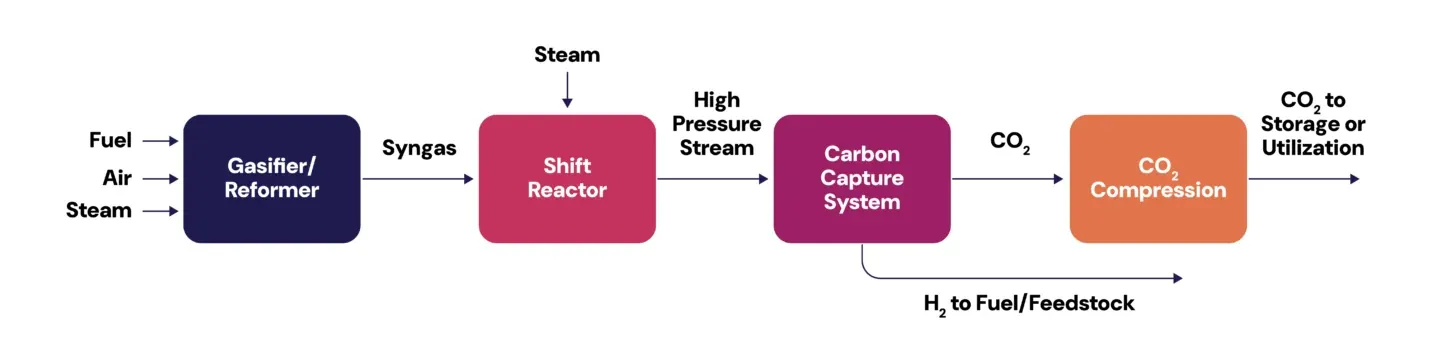
The equipment used in this method must handle high temperatures and manage gas purity to ensure the capture system functions correctly. You can check the specific pressure ratings and material tolerances on the equipment nameplate or in the manufacturer’s technical manual provided with the unit.
| Part or input | What it does | What you notice when it goes wrong |
|---|---|---|
| Air separation unit | Produces pure oxygen | Nitrogen levels rise in exhaust |
| Boiler furnace | Burns fuel in oxygen | Flame temperature exceeds metal limits |
| Flue gas condenser | Removes water vapor | Carbon dioxide stream becomes humid |
| Capture unit | Compresses carbon dioxide | System pressure drops or stalls |
| Recirculation fan | Returns cooled flue gas | Boiler overheats during steady operation |
Operators often mistake a failing recirculation fan for a simple boiler blockage. Check the fan’s amperage draw before adjusting fuel flow. If the draw is high but flow remains low, the impeller is likely fouled by particulate matter rather than a combustion error.
Steps for capturing carbon emissions
The process follows a specific cycle to ensure the gas remains concentrated enough for collection. These steps assume a standard industrial boiler setup; for larger or smaller systems, the timing will adjust based on the total gas volume flow rate.
- The air separation unit pulls in ambient air and separates the oxygen from nitrogen using cryogenic distillation or membrane technology, which takes about 2 to 5 minutes to stabilize.
- Pure oxygen and recycled flue gas are injected into the boiler furnace, where they mix to maintain the target flame temperature of roughly 1,500 to 2,000 degrees Celsius.
- Fuel is injected into this oxygen-rich environment and ignited, resulting in a flue gas that’s primarily carbon dioxide and water vapor, with very little nitrogen present.
- The hot exhaust gas moves through a heat exchanger to produce steam for power, cooling the gas down to approximately 150 degrees Celsius in the process.
- The flue gas enters a condenser where it’s cooled further to below 50 degrees Celsius, causing the water vapor to turn into liquid and drop out.
- The remaining high-purity carbon dioxide is compressed and dried, making it ready for transport to a permanent storage site or for industrial reuse applications.
Efficiency of oxy fuel combustion for carbon capture
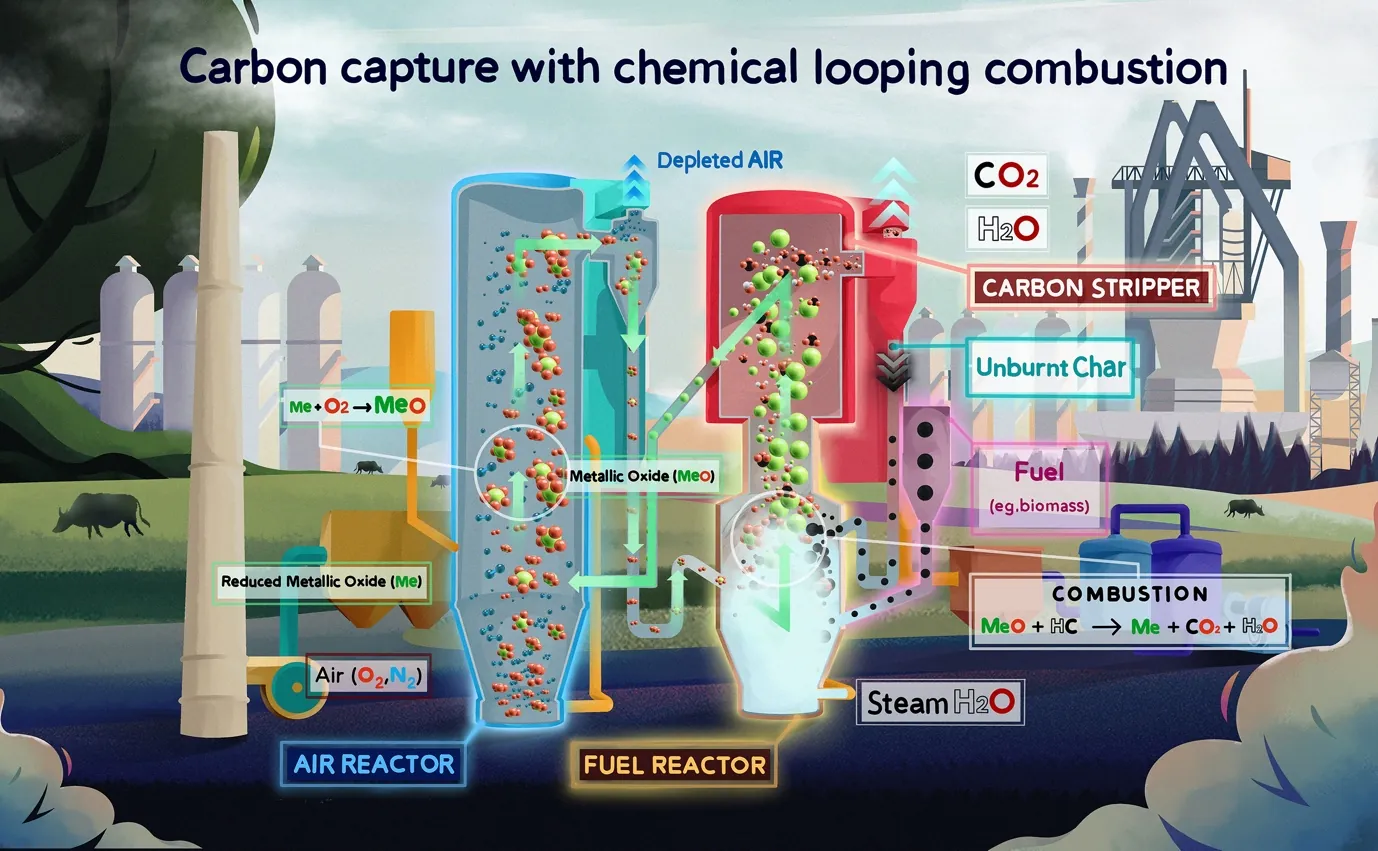
The primary advantage of this method lies in the chemical composition of the exhaust. In standard combustion, burning fuel in air means the nitrogen—which doesn’t participate in the fire—dilutes the carbon dioxide. This dilution makes the carbon dioxide harder to grab because you have to separate it from a huge volume of inert nitrogen gas. By removing the nitrogen before the fire even starts, the system skips the most expensive part of the separation process.
Standard amine scrubbing must process flue gas that’s only about twelve percent carbon dioxide. The rest is mostly nitrogen. You pay energy penalties to heat and cool all that useless gas just to catch a small fraction of emissions. Oxy-fuel combustion changes this math entirely.
The resulting stream can exceed eighty percent carbon dioxide by volume after simple cooling. This density allows engineers to use smaller compressors and pipes. It also reduces the solvent loss common in traditional scrubbers, where oxygen degrades the chemicals over time.
The International Energy Agency explains that this technology is a key pathway for reducing emissions in heavy industry. The mechanism is purely physical, relying on the fact that water is easy to condense out of a gas stream by cooling.
Once you remove that water, you’re left with a stream that’s mostly carbon dioxide. This high concentration allows capture equipment to be smaller and more efficient than units designed to treat huge volumes of dilute exhaust. If the system isn’t sealed perfectly, however, air will leak in and reintroduce nitrogen, which forces the capture unit to work harder and ruins the purity of the collected gas.
A single percent of air ingress can drop purity below the ninety-five percent threshold required for pipeline transport. Operators monitor oxygen levels in real time to adjust the air separation unit. This tight control prevents costly reprocessing. Without it, the captured gas may need secondary purification, erasing the efficiency gains achieved earlier in the cycle.
Control and design limitations
You have control over the fuel mix and the oxygen purity levels, but you can’t change the fundamental laws of thermodynamics that govern gas condensation.
What you control
- The ratio of recycled flue gas to fresh oxygen.
- The temperature of the condenser cooling water.
- The fuel feed rate into the combustion chamber.
- The pressure at which you store the captured carbon.
What is fixed by design
- The maximum operating temperature of the boiler walls.
- The chemical properties of the fuel being burned.
- The physical footprint of the air separation unit.
If you need to adjust these parameters, you must consult the system’s control software or a licensed engineer. Modifying these settings without proper training can lead to structural damage or a total system failure.
Habits for better performance
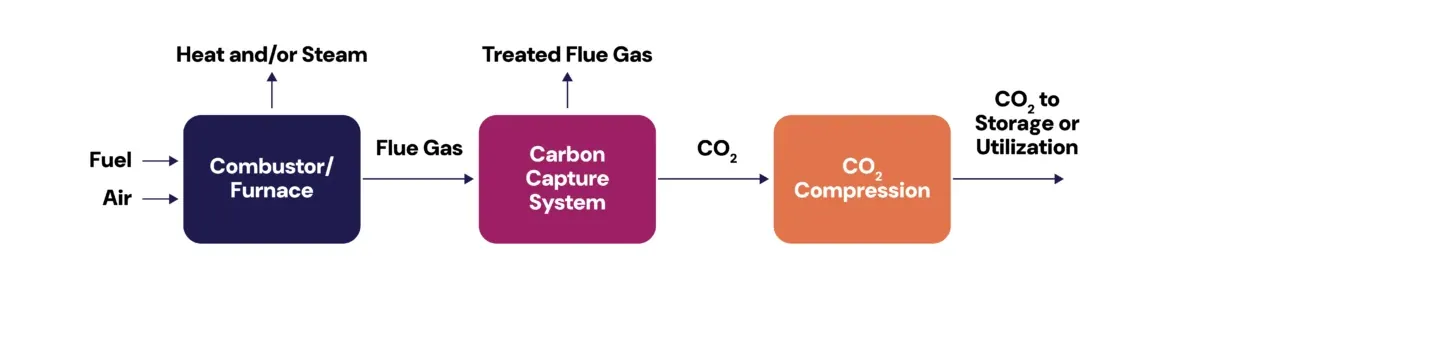
Consistent performance relies on maintaining the purity of the gas stream throughout the cycle. You should monitor the nitrogen levels in your flue gas daily; if the concentration rises above 5% in a standard system, it usually indicates a seal leak that requires immediate attention. Keeping the condenser surfaces clean is also vital, as even a thin layer of scale can reduce cooling efficiency by 10% to 15% and prevent water from separating properly.
If you find your oxygen purity dropping, verify that the air separation unit is operating at the manufacturer’s specified pressure. Finally, always document the amount of carbon captured per ton of fuel used; this ratio is the most reliable way to track if your system is performing as designed or if it’s losing efficiency over time.
Related guides
Frequently Asked Questions
How much oxygen is required for the process?
The amount of oxygen required is typically 1.1 to 1.2 times the stoichiometric amount needed for complete combustion, though this depends on the specific fuel type. You can find the exact ratio for your setup by checking the combustion analysis report provided by the boiler manufacturer.
Is it safe to operate a boiler with pure oxygen?
It’s safe only if you use recycled flue gas to dilute the oxygen and control the flame temperature. Never attempt to run a standard air-fed boiler on pure oxygen, as the extreme temperatures will melt the internal steel components and cause a catastrophic failure of the pressure vessel.
How long does the startup process take?
The startup process takes 30 to 60 minutes for a cold system to reach the steady-state conditions required for capture. This duration depends on the thermal mass of your specific boiler and the time needed for the air separation unit to reach its target purity level.
Does the type of fuel change the capture rate?
The type of fuel changes the carbon capture rate based on the carbon-to-hydrogen ratio of the fuel itself. Coal, for example, produces more carbon dioxide per unit of heat than natural gas, which directly affects the volume of gas the capture unit must process.
What happens if the air separation unit fails?
If the air separation unit fails, the system must immediately switch to a standard air-combustion mode to prevent an emergency shutdown. You’ll lose the ability to capture carbon during this time, and the exhaust will revert to its normal, nitrogen-diluted state.
How often should the condenser be cleaned?
The condenser should be cleaned based on usage and as specified in the owner’s manual, or whenever you notice a 10% drop in heat transfer efficiency. You can determine the exact schedule by monitoring the temperature difference between the inlet and outlet of the condenser during normal operation.
Conclusion
Transitioning to this technology isn’t just about cleaning up today’s emissions; it’s a vital step toward a carbon-neutral future. As industries begin to scale these systems, we’ll see a significant shift in how we power our world. It’s an exciting time, and we shouldn’t wait to embrace these cleaner energy solutions.
