
To solve how to fix power recliner stuck in open position, disconnect the power cord from the wall outlet, wait 5 minutes to reset the motor’s surge protection, and firmly reconnect all cable splitters under the seat. The single most common cause is a loose low-voltage wire under the frame that pulled loose when the footrest extended fully.
Why this happens
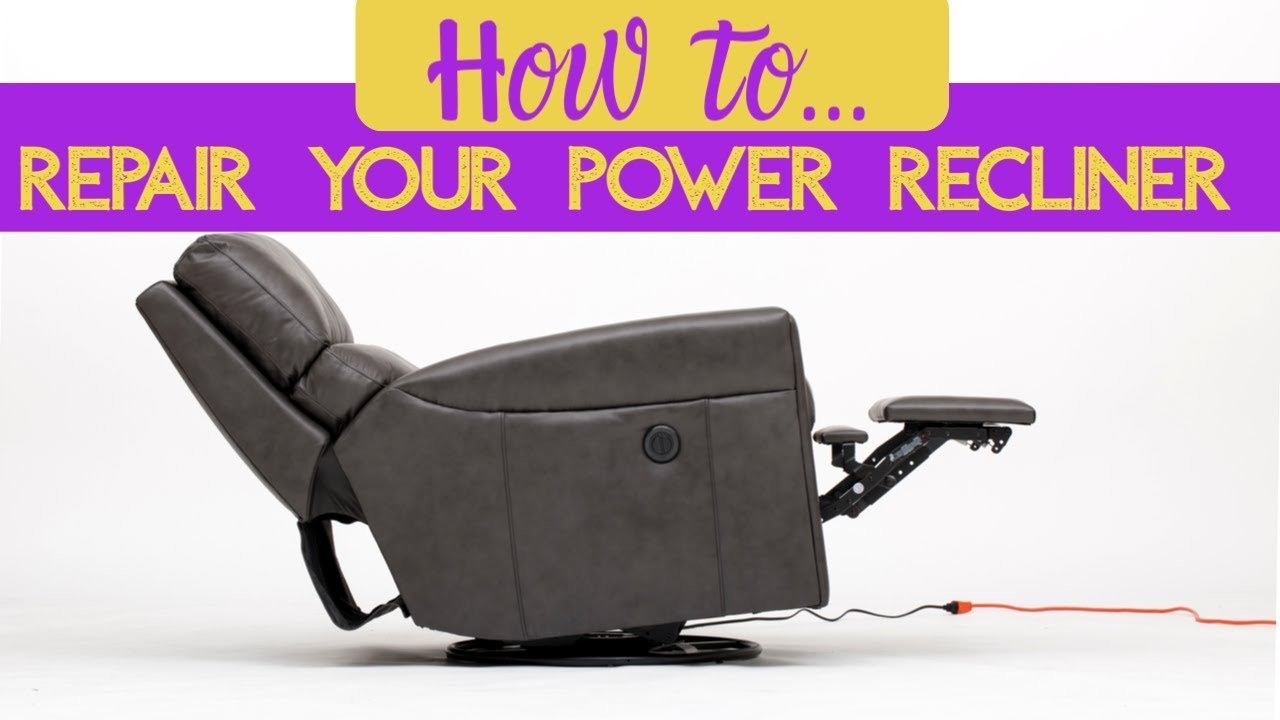 Photo: pageup.fr on Google
A motorized chair stops moving for three simple reasons. First, the low-voltage DC cable unplugs when the metal scissor frame expands. Reclining pulls the wire tight, and a quick jerk pops the connector apart. Second, the wall transformer trips its internal thermal fuse if the motor overheats. That happens when someone holds the button down too long or uses the chair beyond its weight limit. Third, a physical blockage jams the track. A dropped TV remote, a kid’s toy, or bunched fabric wedges between the steel linkages, locking the motor in place.
| What you see or hear | Likely cause | Immediate safe check |
|---|---|---|
| No sound, green light on brick is off | Dead wall power or bad adapter | Test the wall outlet with a working lamp |
| No sound, green light on brick is on | Disconnected wire under chair | Feel for loose barrel plugs under the base |
| Motor hums or clicks, but frame stays still | Physical jam in the scissor arms | Clear foreign objects with a flashlight |
| Motor runs, but only one side moves | Broken drive pin or sheared bracket | Stop pushing buttons; call a technician |
Safety: Inside a mains-powered machine, the parts behind the outer cover can hold a dangerous electrical charge even after it has been unplugged — that’s why they sit behind a cover. Opening the housing, or testing or replacing anything behind it, is a job for a qualified technician, never a home repair.
Check the entire power pathway
This fix is for chairs that make zero sound when you press the hand controls. Start at the wall outlet. Unplug the chair, plug in a small lamp, and make sure the wall plug actually provides power. If the lamp stays dark, reset your household circuit breaker. If the outlet works, follow the cord to the external power brick (the heavy black box). Most bricks have a small LED light. If that light is dark while plugged into a working socket, the transformer died and needs a replacement. Next, trace the thin cord running from the transformer block to the underside of the chair. Look for the round two-prong plug with a screw collar or locking clip. If the clip came undone, press the plugs firmly together. You’ll know it worked when the chair responds immediately to the button.
Inspect the scissor frame for blockages
 Photo: www.kiekebusch.com on Google
This step is for chairs where the motor clicks or buzzes, but the footrest won’t retract. If the motor makes a buzzing sound, stop pressing the switch immediately so you don’t burn out the motor windings. Unplug the chair from the wall completely before placing your hands near the metal rails. Take a bright flashlight and look between the steel scissor arms under the seat cushions. Look for fallen magazines, charging cords, pet toys, or clothing wrapped around the central threaded drive rod. If you find a caught object, carefully pull it free. Don’t touch electrical terminals or cut wires. Plug the chair back in and tap the close button briefly to test if the mechanism glides smoothly.
Reset the hand control and motor
This fix is for chairs that have solid electrical power and a clear frame, but refuse to signal the drive unit. Unplug the power cord from the wall. If your chair uses backup 9-volt batteries inside the transformer brick, take them out, because they hold residual power. Leave the chair fully unpowered for a few minutes. This trade-off requires your patience, but it drains the control box’s internal capacitors and resets the safety switches. While waiting, check the thin cable connecting your hand remote or side-mounted switch to the central motor box. If the plug has bent metal pins or loose wires, it can’t deliver the directional command. Reinstall the batteries, plug the main cord back into the wall, and press the close button. If the chair still sits lifeless, the motor or control switch has failed. This repair isn’t for casual homeowners; stop here and call a furniture technician to avoid damaging the frame.
What not to do
- Don’t kick or force the footrest down with your legs. Stamping on the frame bends the mild steel scissor arms, permanently ruining the alignment and turning an easy electrical fix into a full frame replacement.
- Don’t lubricate the screw rod with standard WD-40. Thin spray oils break down the factory white lithium grease and collect household dust, turning into a thick sludge that jams the motor.
- Don’t open the sealed motor housing. Disassembling the motor exposes you to mechanical pinch points and voids your warranty. The U.S. Consumer Product Safety Commission recliner safety alerts warn against exposed powered mechanisms due to severe pinch and entrapment risks.
- Don’t keep holding the button down if the chair groans. Forcing a stalled motor draws high current, which overheats the circuit board and can melt the plastic gear drive.
How to stop it happening again
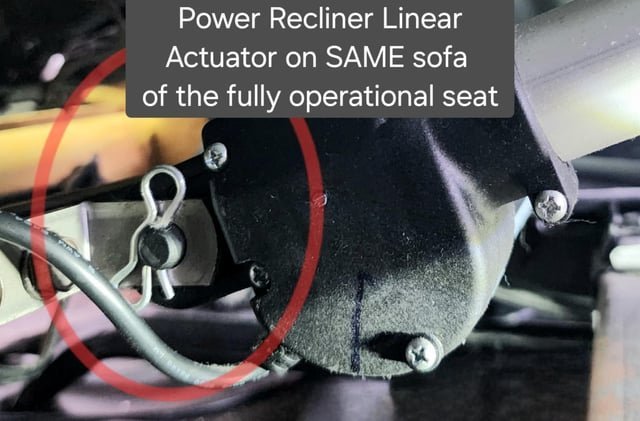 Photo: www.reddit.com on Google
Keep cords loose and free from mechanical pinch points so the chair operates without tension.
| If you’re doing this | Do this instead | Why |
|---|---|---|
| Tucking power cords tightly under the center base | Route cables along the rear hinge with slack | Full extension pulls tight wires right out of their sockets |
| Letting pets sleep behind the open footrest | Check under the chair before closing it | Trapped toys or bedding bend the moving iron tracks |
| Using ungrounded extension cords | Plug directly into a surge protector | Electrical spikes can ruin the delicate low-voltage board |
| Letting kids jump on the extended footrest | Keep heavy weight off the extended frame | Bent hinges put uneven friction on the central actuator |
| Leaving dead backup 9V batteries in the brick | Replace them annually | Old batteries leak acid and damage the emergency power circuit |
Frequently asked questions
Can you manually push down a power recliner?
No, you can’t push it down by hand. Power recliners use a rigid worm-gear motor that physically locks the metal tracks in place. Forcing the footrest closed bends the steel hinges, strips the internal plastic gears, and causes permanent mechanical damage.
Why did my power recliner suddenly stop working?
A disconnected cable underneath the chair is usually the problem. When the chair extends, moving metal scissor parts pull the power cord tight. This pulling action disconnects the quick-release wire clips located between the transformer and the motor.
Is there a manual release on a power recliner?
No, most residential power recliners don’t have a manual release lever. To close an open chair during an electrical outage, you must remove the clevis pins holding the motor arm to the base frame. This varies by model — check the label underneath.
What happens if a power recliner loses power while open?
The chair simply freezes in its current position until electrical power returns. If your power brick contains backup 9-volt battery compartments, installing two fresh batteries will give you just enough low-voltage power to slowly close the seat one single time.
How do I know if my recliner motor is burned out?
If you smell burnt plastic or hear a click from the switch without any hum from the base, the motor is likely dead. A working motor hums softly when jammed. Silence usually points to a dead power brick or a fried motor.
Related guides